


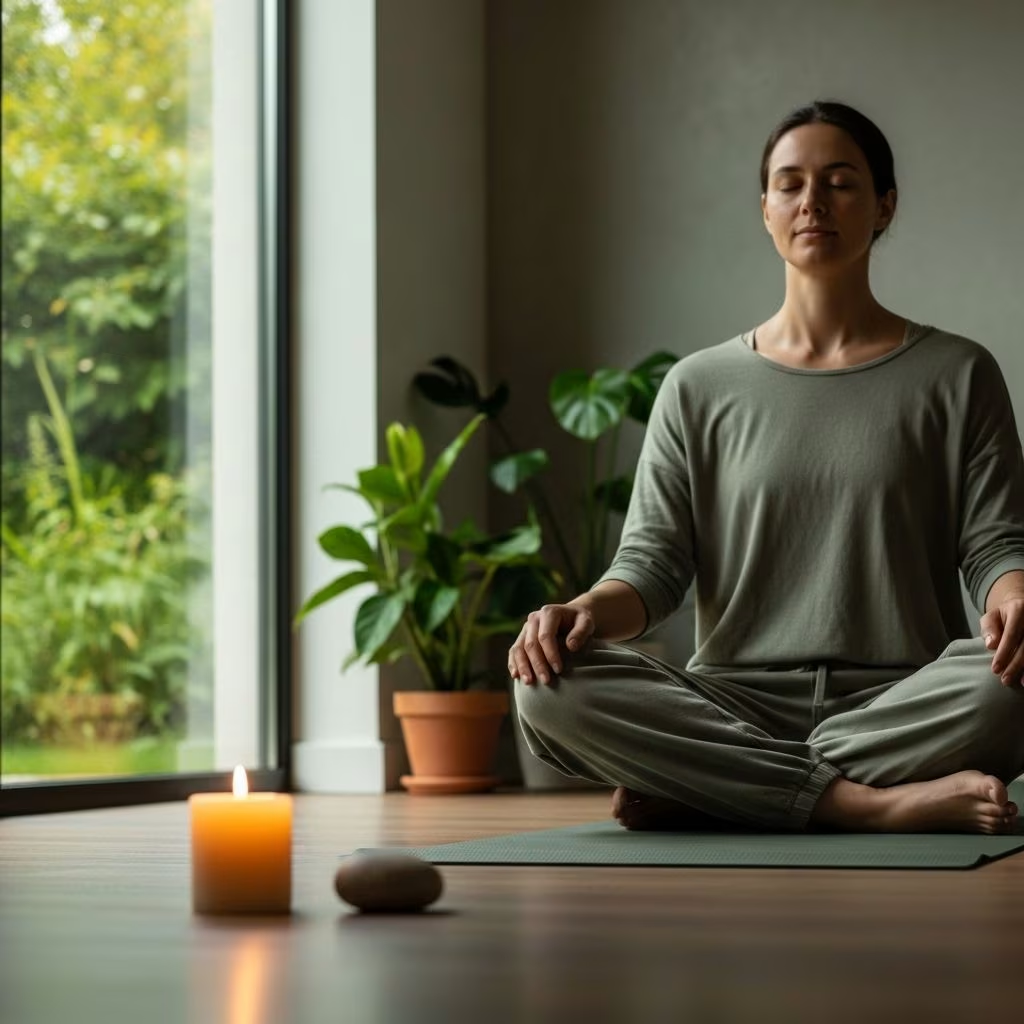
Introduction to Sustainable Meditation
While meditation has been practiced for centuries, its benefits for mental and physical health are increasingly recognized in modern times. The idea of incorporating daily meditation into your routine might seem daunting, especially with a busy schedule, but understanding how long and how often to meditate can make this practice more accessible and sustainable. This article will delve into the benefits of daily meditation, explore different meditation lengths, and provide guidance on how to maintain a consistent practice.
Benefits of Daily Meditation
Daily meditation offers a wide range of benefits, from reducing anxiety and stress to improving sleep quality and enhancing emotional balance. Here are some of the key advantages of incorporating meditation into your daily routine:
- Reduced Stress and Anxiety: Meditation has been shown to decrease cortisol levels, which helps in managing stress and anxiety.
- Improved Sleep: Regular meditation can lead to better sleep quality by creating a calm and relaxed environment before bedtime.
- Increased Focus and Clarity: Daily meditation can enhance focus, clarity, and concentration by training the mind to stay present.
- Enhanced Emotional Balance: It helps in managing emotions more effectively, leading to better relationships and decision-making.
- Physical Health Benefits: Meditation has been linked to lower blood pressure, improved immune function, and increased pain tolerance.
How Long Should You Meditate Daily?
The ideal length of meditation can vary depending on personal preferences, goals, clinical recommendations, and cultural practices. While some traditions suggest meditating for long periods, even short sessions can be beneficial.
Recommended Meditation Lengths
Research suggests that ten minutes is a minimum threshold to experience some benefits of meditation. However, different practices recommend varying lengths:
- Mindfulness-Based Stress Reduction (MBSR): Typically recommends 40-45 minutes per day.
- Transcendental Meditation (TM): Advises 20 minutes, twice daily.
- Relaxation Response: Also often involves 20-minute sessions.
- Shamatha Meditation: Practiced in short sessions of ten to fifteen minutes multiple times a day.
Sustainability Over Duration
It’s crucial to prioritize consistency over the length of meditation. Shorter sessions that fit into your daily routine are more sustainable and beneficial than longer sessions that you may not maintain. For beginners, starting with shorter sessions (5-10 minutes) and gradually increasing as needed can be an effective approach.
Best Times to Meditate: Finding Your Rhythm
Experimenting with different times of the day can help you find when meditation feels most natural and enjoyable for you. Here are some popular times:
Morning Meditation
Meditating in the morning can help set a positive tone for the day, enhance energy, and prepare you for challenges ahead. Try meditating shortly after waking up.
Afternoon Meditation
An afternoon session can be refreshing, especially during a lunch break or between tasks, helping to combat mid-day sluggishness.
Evening Meditation
Evening meditation can aid in unwinding, reflecting on the day, and preparing for a restful night’s sleep. Use guided sleep meditations or progressive muscle relaxation techniques.
Creating a Sustainable Meditation Practice
For daily meditation to be truly beneficial, it needs to be a sustainable part of your daily routine. Here are some tips to help maintain consistency:
- Start Small: Begin with short sessions that fit into your schedule and gradually increase the duration as you become more comfortable with the practice.
- Make It a Habit: Pair meditation with existing habits, such as right after waking up or before bed, to ensure it becomes a consistent part of your routine.
- Use Apps and Guided Meditations: Tools like Headspace and Calm offer guided meditations that can help you stay on track and mix up your practice.
- Be Flexible: Don’t stress if you miss a day; simply get back on track as soon as possible.
- Mindfulness Throughout the Day: Bring mindfulness into daily activities like commuting or waiting in line to maintain a meditative mindset.
Frequently Asked Questions
Q: Is five minutes of meditation per day enough to see benefits?
Yes, even short sessions can be beneficial. While longer sessions may offer more pronounced effects, five minutes a day can still help reduce stress and improve focus.
Q: What if I miss a day of meditation?
Missing a day is not a significant setback. Simply get back on track as soon as possible, and remember that consistency is more important than perfection.
Q: Can I meditate at any time of day?
Yes, meditation can be practiced at any time that feels most comfortable for you. Experiment with different times to find what works best for your schedule and energy levels.
Conclusion
Meditation is a versatile practice that can be tailored to fit into any lifestyle. By focusing on sustainability and consistency rather than the length of each session, you can harness the benefits of meditation to enhance your overall well-being. Whether you’re a seasoned practitioner or just starting out, incorporating meditation into your daily routine can lead to a more balanced and fulfilling life.
References
- https://www.headspace.com/meditation/daily-meditation
- https://manhattancbt.com/how-long-should-you-meditate/
- https://www.calm.com/blog/how-often-should-i-meditate
- https://www.psychologytoday.com/us/blog/minding-the-body/201203/four-good-times-day-meditate-and-one-avoid
- https://www.healthline.com/nutrition/12-benefits-of-meditation
- https://www.headspace.com/articles/the-best-time-of-day-to-meditate


