


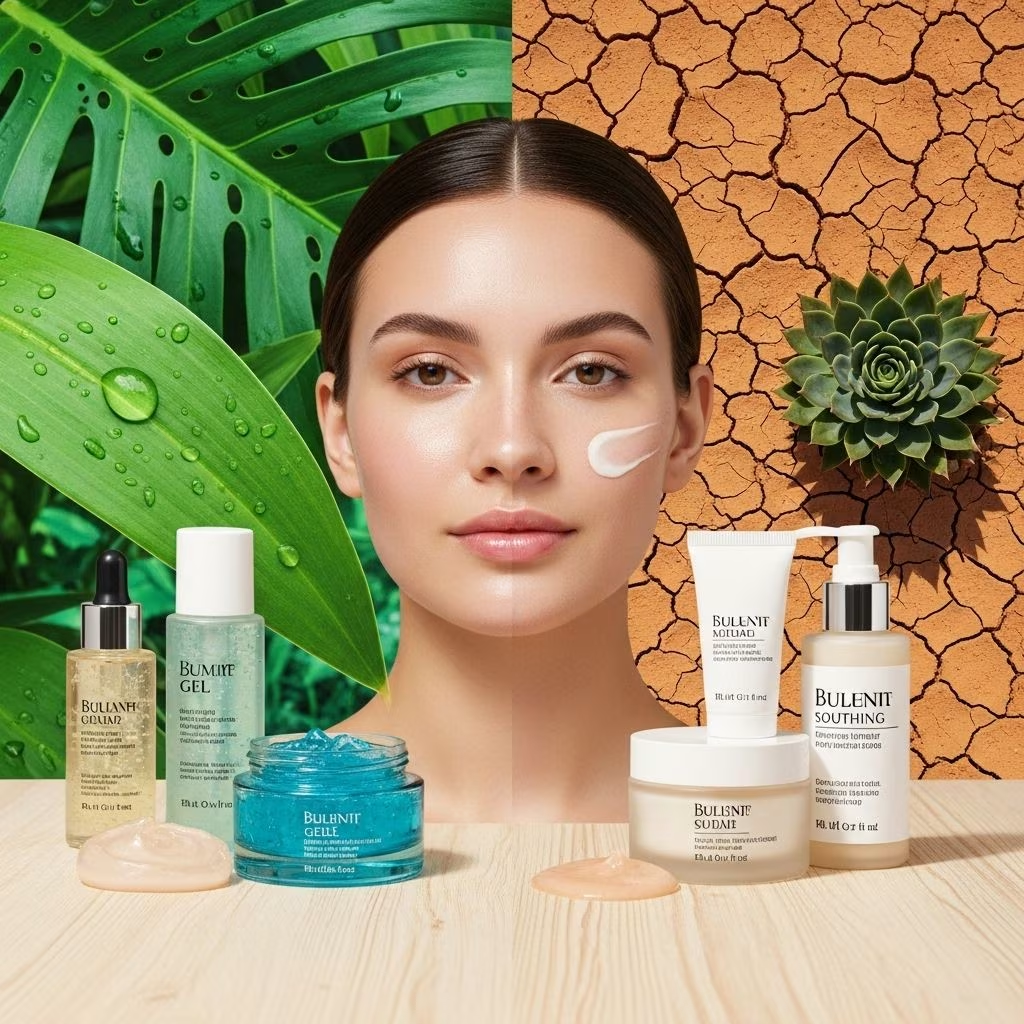
Your skin’s needs are not static—they change with the environment. Whether you are living in a humid tropical region or braving the dry winds of an arid climate, adjusting your skincare routine is key for a radiant, balanced complexion. This comprehensive guide explores exactly how to tailor your regimen for both humid and dry conditions, products to pick, ingredients to prioritize, and tips for seasonal or travel transitions.
Why Climate Matters in Skincare
Environmental conditions such as temperature and humidity fundamentally alter how your skin behaves and how products interact with your complexion. A routine that delivers hydration and glow in a moist, muggy summer might leave your skin stressed or unbalanced in a parched winter. Recognizing the impact of climate enables you to adapt proactively, helping protect your skin from dehydration, oiliness, sensitivity, and other common issues.
Understanding Skin Behavior in Different Climates
| Climate | Main Skin Issues | Core Skincare Priorities |
|---|---|---|
| Humid (>60% humidity) | Excess oil, clogged pores, breakouts, sticky feeling, shine, irritation | Balancing oil, lightweight hydration, avoiding congestive products |
| Dry (<40% humidity) | Dryness, dehydration, flakiness, irritation, fine lines, dullness | Maximizing hydration, sealing moisture, repairing barrier function |
In humid climates, your skin often produces more oil and sweat, leading to a greasy appearance, enlarged pores, and a higher risk of breakouts. Products that are too rich can quickly clog pores and make skin feel heavy. In dry climates, skin loses moisture rapidly, causing transepidermal water loss (TEWL) and a compromised barrier. This can lead to chronic dryness, premature aging, redness, and even sensitivity flare-ups.
Skincare Routine for Humid Climates
Managing skin in high humidity is all about striking a balance between adequate hydration and controlling excess oil. The focus should be on lightweight, non-comedogenic formulas that won’t trap sweat or lead to congestion.
Morning Routine
- Gentle Cleanser: Use a mild gel or mousse cleanser to remove sweat, excess oil, and any impurities accumulated overnight. For very oily skin, a foaming option can be helpful.
- Toner (optional): Choose an alcohol-free toner to help balance sebum and prep skin for hydration.
- Antioxidant Serum: Apply a vitamin C serum to provide antioxidant protection against daily pollutants and UV damage.
- Lightweight Hydration: Opt for a water-based or gel moisturizer. Look for oil-free, mattifying or fast-absorbing ingredients such as hyaluronic acid or niacinamide.
- Ultralight Sunscreen: Always finish with a broad-spectrum SPF—choose a non-greasy, non-comedogenic formula.
Evening Routine
- Cleansing: Double cleanse at night if you wear makeup or high-SPF sunscreens. This removes the day’s oil, sweat, and pollutants.
- Targeted Treatments: If you struggle with clogged pores, blackheads, or breakouts, consider treatments containing salicylic acid, tea tree, or niacinamide to further control oil and bacteria.
- Hydration: Use a lightweight serum or moisturizer again—avoid thick creams or facial oils unless your skin has dry patches.
Weekly Adjustments
- Exfoliation: Incorporate gentle chemical exfoliants (such as AHA/BHA) or clay masks once or twice a week to prevent buildup and keep pores clear.
- Masking: Use detoxifying masks like charcoal or kaolin for deep pore cleansing as needed.
Key Tips for Humid Weather
- Avoid heavy occlusive oils or balms except for targeted dry spots.
- Change clothes and shower after intense sweating to prevent breakouts on body skin.
- Look for “non-comedogenic” and “oil-free” labels on products.
- Blotting papers or mattifying powders can help minimize midday shine.
Skincare Routine for Dry Climates
In a dry climate, the primary goal is to replenish and retain moisture. The lack of atmospheric humidity means the skin’s natural hydration evaporates easily, leaving it vulnerable and uncomfortable.
Morning Routine
- Cream or Oil-Based Cleanser: Choose a moisturizing cleanser to gently remove impurities while supporting your skin’s lipid barrier. Avoid foaming cleansers that can strip oils.
- Hydrating Toner or Essence: Lightly pat a moisture-rich toner or essence to prep the skin and increase absorption of further hydrating steps.
- Humectant Serum: Go for serums containing hyaluronic acid of multiple molecular weights, glycerin, or polyglutamic acid—these act as water magnets.
- Rich Moisturizer: Use emollient creams infused with ceramides, cholesterol, and fatty acids. This helps “lock in” hydration and repair the skin’s barrier.
- Sunscreen: Choose a moisturizing SPF with hydrating ingredients; the sun is still a dehydration risk, even in cool dry climates.
Evening Routine
- Gentle Cleanse: If skin feels very dry, cleansing only at night may be sufficient. Always use a mild, hydrating formula.
- Layered Hydration: Apply essence, serum, and a nourishing moisturizer. In extreme dryness, consider layering a facial oil as the final step to act as an occlusive barrier.
- Barrier Repair Treatments: Use creams rich in ceramides and peptides to actively recover damaged skin, especially after exposure to harsh conditions.
Weekly Adjustments
- Exfoliation: Limit exfoliation to once a week. Gentle, non-abrasive formulas are best to avoid over-stripping your barrier.
- Moisturizing Masks: Hydrating sheet masks or overnight hydration treatments can boost moisture and comfort.
Key Tips for Dry Weather
- Use a humidifier indoors to counteract dry air from heating or AC.
- Drink extra water for internal hydration support.
- Avoid harsh soaps, astringents, and alcohol-based toners.
- Protect sensitive areas (lips, hands, eyes) with targeted balms and creams.
- Layer products as needed, starting from thinnest to thickest (serum, cream, oil).
Tips For Switching Between Climates
Whether you’re moving, traveling, or the weather is changing dramatically, your skin may need extra care to adapt smoothly. Here are some strategies:
- Give your skin a week or two to adjust when changing environments. Don’t overhaul your routine overnight.
- Observe your skin closely: Tightness and dryness mean you should add more moisture. Increased shine or congestion suggests you need to lighten up.
- Stock versatile basics that work across climates—gentle cleansers, hydrating serums, SPF, and spot treatments as needed.
- Gradually introduce new products or textures as your skin’s needs change.
- Don’t neglect SPF. UV risk exists in every region and altitude. Sunscreen is always non-negotiable.
Ingredient Guide: What To Use & Avoid
| Climate | Best Ingredients | Ingredients To Limit |
|---|---|---|
| Humid |
|
|
| Dry |
|
|
Frequently Asked Questions (FAQs)
How quickly does skin adjust if you move to a new climate?
It can take anywhere from a few days to a couple of weeks for your skin to rebalance its oil production and hydration levels. Be patient and observe changes before making rapid adjustments to your routine.
Should I change my skincare if I’m traveling just for a week?
For short trips, bring mini sizes of your core products and perhaps add a hydrating or mattifying serum suited to your destination’s climate. Watch for skin changes—only tweak if you start to feel abnormally oily, dry, or sensitive.
Can I use the same sunscreen in every climate?
Absolutely, as long as your SPF is broad-spectrum and comfortable for daily use. In dry climates, moisturizing versions are best; in humid climates, opt for gel or “ultralight” formulas to prevent greasiness.
What if my skin feels both oily and dehydrated in humidity?
This is common—skin can overproduce oil to compensate for subtle water loss. Use lightweight humectants (like hyaluronic acid serums), but avoid oils and heavy creams. Mattifying serums with niacinamide help balance sebum without causing dryness.
How often should I exfoliate in each climate?
In humid climates, 1-2 times a week using chemical exfoliants can keep pores clear. In dry climates, limit exfoliation to once a week or less, using only gentle, non-abrasive products.
Final Thoughts
Climate is a powerful, often underestimated factor in your skin’s health. By tuning in to your environment and making thoughtful adjustments to your routine, you can keep your skin comfortable, protected, and luminous season after season. Remember: hydration and oil control are not opposites, but a balance to strike as your climate and skin’s state evolve.
Always listen to your skin’s feedback and don’t hesitate to consult with a dermatologist—especially if you experience persistent discomfort or sensitivity during climate transitions. Your ideal skincare routine is as dynamic as you are.
References
- https://www.bonjoutbeauty.com/blogs/pharmacists-notes/humidity-and-your-skin-adjusting-products-based-on-environmental-moisture
- https://olgalorencinskincare.com/blogs/skin-care-blog/weather-matters-skincare-tips-for-humid-vs-dry-climates
- https://andalou.com/blogs/our-blog/summer-skincare-routines-for-dry-vs-humid-climates
- https://pourmoiskincare.com/blogs/beautyforecast/moving-from-humid-to-dry-climate-skincare-how-to-prep-your-skin-for-changing-seasons
- https://www.isdin.com/us/blog/skincare/how-climate-affects-your-skin/
- https://www.drsoodaesthetics.com/blog/best-skincare-routines-for-different-climate-conditions
- https://www.stadlerform.com/en/health/humidify-air/how-does-humidity-affect-skin-care


