


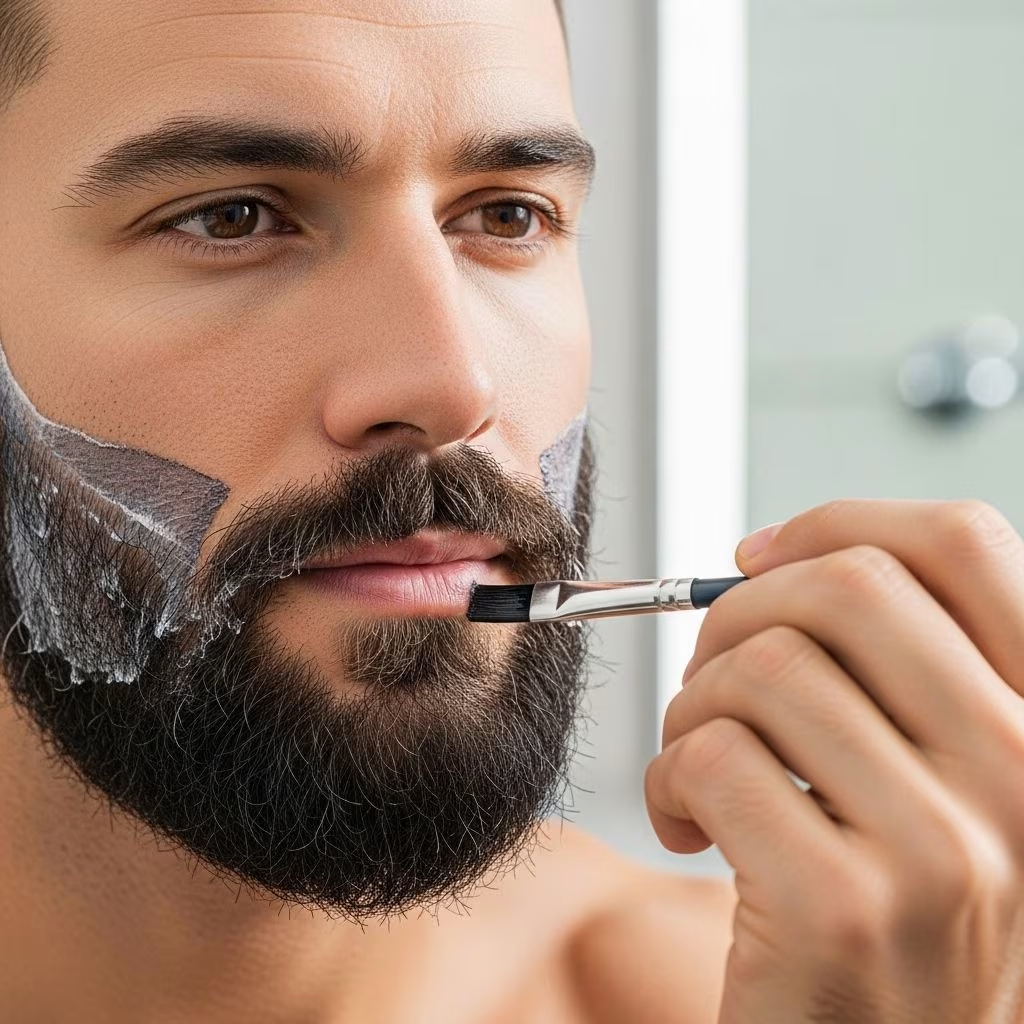
How to Apply Beard Dye Without Staining Skin: A Step-by-Step Expert Guide
Beard dyeing can be a game-changer for your appearance, covering grays or matching your beard to your hair color. But, one common problem many men face is skin staining—leaving telltale marks around the beard line that can last for days. In this comprehensive guide, we’ll walk through everything you need to know to apply beard dye flawlessly, avoiding skin stains and achieving a natural, even look.
Why Beard Dye Stains Skin
Beard dyes are formulated to penetrate hair but can also absorb into the skin, especially if the skin is dry or cracked. The skin on your face is thinner and more sensitive than your scalp, making it more susceptible to staining. Common problem areas include above the beard line, the upper lip, and below the jaw, where dye can easily spill during application . Even a small amount of lingering dye can cause noticeable discoloration, which is why preventative measures are crucial.
Types of Beard Dye
| Type | Description | Pros | Cons |
|---|---|---|---|
| Permanent | Lasts until hair grows out; offers full coverage | Long-lasting, vibrant color | Higher risk of skin staining, more chemical exposure |
| Semi-permanent | Washtes out after several shampoos | Gentler, less staining risk | Fades quickly, may not cover extreme grays |
| Natural | Made with herbal or plant-based ingredients | No harsh chemicals, less likely to irritate | May not cover as well, more frequent touch-ups needed |
Always choose a dye formulated for facial hair—not scalp hair—since these are designed to be gentler on facial skin and better at blending with coarser beard hair .
Before You Begin
- Patch test: Always perform a patch test at least 24 hours before full application to check for allergic reactions. Apply a small amount of dye behind your ear, wait 24 hours, and look for signs of irritation . If you have any reaction, do not proceed with application.
- Read instructions: Every product is different. Carefully read and follow the manufacturer’s instructions for mixing and application.
- Gather supplies: Dye kit, gloves, applicator brush (if not included), petroleum jelly or skin barrier, paper towels, small mirror, and timer.
How to Prepare Your Beard & Skin
- Wash and dry: Cleanse your beard with a gentle shampoo and pat dry. Oil or dirt can interfere with dye absorption and increase staining risk.
- Protect your skin: Apply a thin layer of petroleum jelly or a natural oil (like coconut or olive oil) around your beard line to prevent dye from sticking to your skin . This barrier is your first line of defense against stains.
- Protect your clothes: Wear dark or old clothing that you don’t mind getting stained, or drape a towel over your shoulders.
How to Apply Beard Dye: Step-by-Step
- Mix the dye: Prepare the dye according to package instructions. Use the provided tray or a small bowl, and do not eyeball measurements—precision matters .
- Apply to beard: Using gloves and an applicator brush, start at the roots and work your way to the ends, ensuring every strand is evenly coated . Be generous with the dye, but try to keep it within the beard area.
- Avoid spills: Work carefully around the mustache, chin, and jawline. If dye spills onto bare skin, wipe it off immediately with a damp towel or tissue .
- Work in sections: For longer beards, divide into sections and apply dye to each section methodically for even coverage.
- Comb through: Use a wide-toothed comb to evenly distribute the dye and remove excess .
- Set a timer: Follow the recommended processing time on the package; do not exceed it, as this increases the risk of staining and hair damage .
Tips for Even Application
- Use a good mirror: A handheld or wall mirror helps you see hard-to-reach areas, especially under the jaw and around the mouth.
- Be gentle: Press only enough to get the dye onto the hair, not the skin. Over-rubbing increases staining risk.
- Double-check edges: After application, quickly scan the edges of your beard for any dye on exposed skin and wipe clean if necessary.
- Don’t rush: Take your time—especially if you’re new to beard dyeing. Rushing leads to mistakes and stains.
Rinsing & Aftercare
- Rinse thoroughly: Once processing time is up, rinse your beard with lukewarm water until the water runs clear. This removes excess dye and prevents staining .
- Use mild shampoo: Wash your beard with a gentle, sulfate-free shampoo to cleanse without stripping color.
- Apply conditioner: A beard conditioner or oil helps restore moisture and keeps dyed hair healthy.
- Avoid touching: Try not to touch or wash your beard for at least 24 hours to allow the color to set.
Removing Beard Dye Stains
Despite best efforts, skin stains can happen. Here’s how to remove them effectively:
- Rubbing alcohol: Dab a cotton ball with rubbing alcohol and gently wipe the stained area. Follow with soap and water to cleanse the skin .
- Baking soda & dish soap: Mix a paste of baking soda and dish soap, apply to the stain, gently rub, and rinse.
- Avoid harsh scrubbing: This can irritate the skin and may spread the stain.
- Time: Most stains fade completely within a day or two as your skin naturally sheds.
Frequently Asked Questions (FAQs)
Q: Do I need to use a specific beard dye, or can I use hair dye for my scalp?
Always use a dye formulated for beards. Scalp dyes can be too harsh for facial skin and may cause irritation or unnatural color results .
Q: How often should I re-dye my beard?
This depends on the dye type and your beard growth. Most men re-dye every 2–4 weeks to maintain consistent color.
Q: Can I mix natural and chemical dyes?
It’s best to stick with one product to avoid unpredictable results and potential skin reactions.
Q: What should I do if I have an allergic reaction?
Stop using the product immediately, rinse thoroughly, and consult a healthcare professional if symptoms persist.
Q: Can women use beard dye on facial hair?
Yes, but follow the same precautions. Test on a small area first.
Product Recommendations
Look for beard dyes that are specifically designed for facial hair, preferably free of harsh chemicals such as ammonia and parabens. Some popular options include Just For Men Mustache & Beard, Godefroy Professional, and natural dye kits containing ingredients like henna or indigo. Check reviews for ease of application and stain-resistance .
When to Seek Professional Help
If you’re nervous about applying beard dye or have experienced difficulties with patchy color, staining, or irritation, consider booking a consultation with a professional barber or colorist. They can provide bespoke advice and application to ensure the best results .
By following these expert tips, you can confidently dye your beard at home, achieving a natural look without unsightly skin stains. Remember: preparation, care, and the right products are key to a flawless finish.
References
- https://www.youtube.com/watch?v=8-otYem1YSc
- https://thebeardclub.com/blogs/beard-culture/how-to-dye-a-beard
- https://www.youtube.com/watch?v=H6tTXFnlilQ
- https://www.menshealth.com/grooming/g37850791/best-beard-dyes-for-men/
- https://earthdye.com/blogs/blog/is-it-possible-to-dye-your-beard-without-staining-the-skin
- https://www.youtube.com/watch?v=KYb3OUoxm4s


