


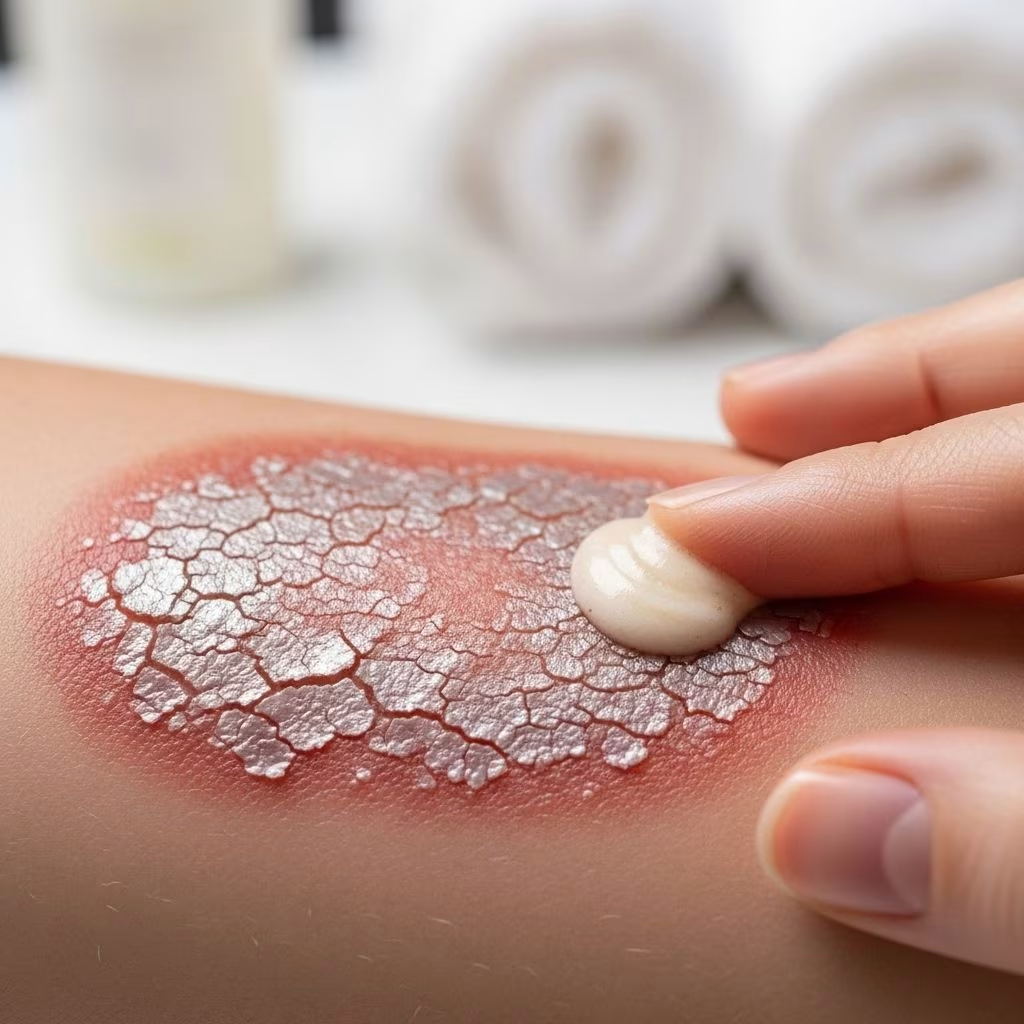
Cleansing During Severe Psoriasis Exacerbation
Severe psoriasis flares present complex challenges, including intense inflammation, painful plaques, and heightened skin sensitivity. Cleansing — an essential component of skin care — requires specialized considerations to alleviate discomfort, minimize further damage, and support recovery. This comprehensive guide synthesizes expert recommendations to help patients and caregivers understand and execute safe cleansing routines during a severe psoriasis exacerbation.
Overview: Psoriasis and Its Exacerbations
Psoriasis is a chronic, immune-mediated skin disease characterized by accelerated cell turnover and inflammation, leading to red, scaly plaques on the skin. Severe exacerbations, or flares, involve more widespread or intense lesions, increased sensitivity, and greater risk for discomfort and secondary infection. Cleansing routines that suffice during remission may provoke further irritation during a severe flare, making adaptation critical.
Common symptoms during exacerbation include:
- Thick, silvery scales
- Intense redness and swelling
- Pain, itchiness, and potential cracking or bleeding of skin
- Potential secondary infections due to compromised skin barrier
Core Principles of Cleansing During Flares
When cleansing severely inflamed psoriatic skin, prioritize these fundamental principles:
- Gentleness above all. Use the mildest possible soaps and avoid physical scrubbing.
- Maintain moisture. Prevent dehydration and scaling by supplementing washing with emollients.
- Temperature control. Stick to lukewarm water for bathing; hot water worsens inflammation and dryness.
- Short, infrequent cleansing sessions. Avoid prolonged or excessive washing, which can strip away protective oils.
- Pat, don’t rub. After bathing, pat skin gently dry with a soft towel to prevent microtears.
These guiding principles foster an environment of minimal irritation while enabling removal of debris and scales.
Recommended Cleansing Practices
The following step-by-step cleansing protocol is aligned with dermatological recommendations for severe exacerbations:
- Gently cleanse daily or as necessary using a fragrance-free, moisturizing cleanser. Look for those formulated for sensitive skin and free from harsh detergents.
- Take a warm (not hot) bath for 10–15 minutes; avoid showers with forceful water streams, which may trigger irritation.
- Enhance the bath by adding oatmeal, bath oil, Epsom or Dead Sea salts; these can soften scales and relieve discomfort.
- Never scrub or mechanically exfoliate. Use chemical exfoliants (like salicylic acid or lactic acid) only on recommendation and with caution, especially during a flare.
- Immediately follow bathing with a thick, occlusive moisturizer. Ointment-based options retain moisture far longer than lotions or creams.
- Use a humidifier at home. Maintain indoor humidity above 40% to minimize skin dryness.
Example Cleansing Routine for Severe Exacerbation
- Fill a bathtub with lukewarm water.
- Add a handful of colloidal oatmeal or Epsom salts.
- Soak gently for up to 15 minutes; avoid scrubbing any areas.
- Rinse with clean water, then carefully pat skin dry with a towel.
- Apply a fragrance-free, oily moisturizer while the skin remains damp.
Safe Products and Ingredients
Smart product selection makes a significant difference during flares, with some ingredients specifically favored for sensitivity, and others clearly contraindicated.
| Recommended Ingredients | Ingredients to Avoid |
|---|---|
|
|
Patients are encouraged to carefully review product labels for hidden irritants and consult a dermatologist before introducing new active ingredients during a severe flare.
Exfoliation: What Works and What to Avoid
Removal of thick scales and plaques can promote healing and the absorption of topical medications, but exfoliation must be approached cautiously during severe exacerbations.
Chemical Exfoliants
- Salicylic acid is common, softening keratin to help scales detach. Do not apply to large surface areas due to risk of systemic absorption, especially in children.
- Alpha-hydroxy acids (lactic acid, glycolic acid) can be as effective as salicylic acid and are often gentler on the skin.
- Urea (in concentrations of 40–50%) helps moisturize and thin plaques, aiding gentle removal.
Always consult a specialist before using chemical exfoliants when skin is highly inflamed. These ingredients may cause stinging, burning, or irritation, and should never be left on the skin for extended periods during active flares.
Avoid Physical Exfoliation
- Do not use washcloths, loofahs, nail files, or other abrasive implements. Risks include skin damage, bleeding, and increased infection susceptibility.
If medical advice approves chemical exfoliation, combine with a preparatory soak to further soften scales beforehand.
Hydration and Skin Protection Strategies
Keeping skin moist is critical to controlling scaling, itch, and discomfort. During severe flares, enhanced hydration reduces the risk of fissuring and bleeds.
- Apply an occlusive moisturizer (petrolatum or mineral oil-based) immediately after cleansing, while skin is still damp.
- Reapply moisturizers several times daily—frequency depends on climate and skin dryness.
- For very dry or thickened areas, overnight occlusion with plastic wrap over ointment can increase softening and scale detachment.
- If ambient air is dry, use a humidifier to introduce moisture into your living space.
- Avoid wearing rough or synthetic fabrics directly against affected skin; opt for soft, breathable cotton.
Common Triggers and Prevention in Cleansing
Psoriasis flares may be triggered or worsened by certain cleansing routines or environmental factors. Prevention is a vital aspect of effective skin care during exacerbation:
- Avoid hot water. High temperatures increase inflammation and dryness.
- Limit alcohol consumption. Alcohol may interfere with psoriasis management and worsen skin sensitivity during cleansing.
- Steer clear of scented skin products, as fragrances are a leading source of allergic reactions.
- Do not attempt to manually peel off scales—risk of trauma and infection increases.
Special Circumstances: Scalp, Hands, and Widespread Involvement
Scalp Psoriasis
- Use a prescription or OTC salicylic acid shampoo for scalp involvement; leave on for the recommended duration before rinsing.
- If hair loss occurs, switch to a gentler formulation or consult your dermatologist.
- Follow therapeutic shampoos with a regular, fragrance-free shampoo to remove residue and ease styling.
Hand and Foot Psoriasis
- Frequent hand washing may be unavoidable, but always use bland, emollient-rich cleansers followed by immediate moisturization.
- Wear protective gloves when using household cleaners or working in environments with irritants.
Widespread, Severe Plaques
- Do not attempt to exfoliate large areas with chemical products unless directly advised by a healthcare provider.
- Manage flare severity with systemic therapy as recommended, using gentle cleansing in tandem.
Frequently Asked Questions (FAQs)
Q: How can I safely remove dead skin from psoriasis during a flare?
A: Soak in a warm bath to gently loosen dead skin and scales. Chemical exfoliants like salicylic acid, lactic acid, or urea may help, but they must be used with caution and only on medical advice during severe exacerbation. Physical exfoliation is not recommended.
Q: What are the best cleansers to use during a severe psoriasis flare?
A: Use fragrance-free, moisturizing cleansers formulated for sensitive skin. Avoid harsh soaps, antibacterials, and anything containing alcohol or fragrance.
Q: Should I peel off psoriasis scales manually?
A: No. Manual removal can cause trauma, bleeding, and infection. Always use chemical exfoliants carefully and under guidance.
Q: Is bathing better than showering during an exacerbation?
A: Bathing in lukewarm water with oatmeal or salts is recommended for gentle cleansing and scale softening. Strong showers may damage sensitive skin.
Q: How often should I moisturize my skin?
A: Apply moisturizer immediately after bathing and several times a day as needed to maintain hydration.
Expert Tips and Final Recommendations
- Consult your dermatologist. Always check before initiating new product use, especially during severe flares.
- Track symptom changes. Keep a journal to note reactions to new cleansers or topical agents.
- Address flares holistically. Cleansing is only one aspect; combine gentle care, moisturization, trigger avoidance, and systemic therapy as prescribed.
- If signs of infection appear (pus, spreading redness, fever), seek immediate medical attention.
- Educate caregivers and family regarding your cleansing needs to ensure continuity in care.
By prioritizing gentle, targeted cleansing and ruling out triggers, individuals with severe psoriasis exacerbations can foster skin protection, symptom relief, and better overall outcomes.
References
- https://www.webmd.com/skin-problems-and-treatments/psoriasis/psoriasis-remove-dead-skin
- https://www.mayoclinic.org/diseases-conditions/psoriasis/diagnosis-treatment/drc-20355845
- https://bhskin.com/blog/psoriasis-treatment-options/
- https://www.psoriasis.org/non-steroidal/
- https://pmc.ncbi.nlm.nih.gov/articles/PMC5389757/
- https://www.aafp.org/pubs/afp/issues/2000/0201/p725.html
- https://www.webmd.com/skin-problems-and-treatments/psoriasis/psoriasis-skin-care-tips
- https://www.aad.org/public/diseases/psoriasis/triggers/flares


