


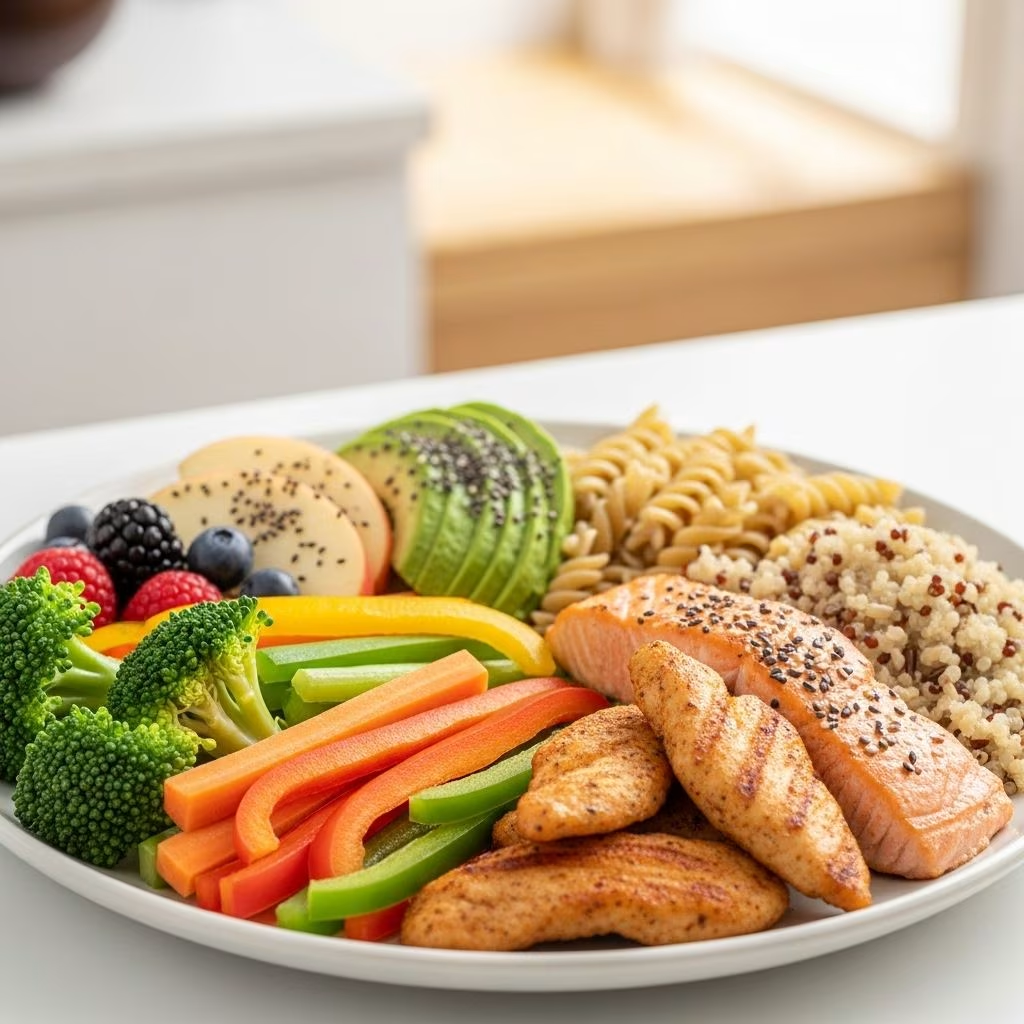
One of the most common challenges parents face is ensuring their children feel satisfied after meals without constantly requesting snacks. Understanding how to cook for satiety—the feeling of fullness and satisfaction after eating—can transform mealtimes from frustrating battles into opportunities for nourishment and connection. When children experience proper satiety, they have sustained energy for learning, playing, and growing, while parents enjoy fewer interruptions and less stress around food.
The science of satiety involves understanding which nutrients and cooking methods promote lasting fullness. By incorporating specific ingredients and preparation techniques, parents can create meals that naturally satisfy children’s hunger for longer periods, supporting both their physical development and establishing healthy eating patterns that last a lifetime.
Understanding Satiety in Children
Satiety refers to the sensation of fullness that persists after eating and suppresses the urge to eat again. In children, satiety signals work differently than in adults, as their smaller stomachs and higher energy needs require frequent refueling. However, the quality of what they eat significantly impacts how long they feel satisfied between meals.
Children possess natural intuitive eating abilities, meaning they instinctively know when they are hungry and when they have had enough. This internal regulation system relies on hormones like leptin and ghrelin that signal fullness and hunger to the brain. When meals are composed of the right balance of nutrients, these signals work efficiently, helping children maintain appropriate energy levels throughout the day.
The challenge for modern families is that many convenient foods are designed to be digested quickly, leading to rapid spikes and crashes in blood sugar. These fluctuations trigger hunger signals sooner, creating a cycle of constant snacking. By understanding which nutrients promote sustained satiety, parents can break this cycle and support their children’s natural hunger regulation.
The Three Pillars of Satiety-Promoting Nutrition
Complex Carbohydrates: The Foundation of Lasting Energy
The type of carbohydrate children consume dramatically affects how long they feel full. Simple carbohydrates, including sweets, white bread, and processed grains, are digested rapidly, providing quick energy that dissipates just as fast. This leaves children feeling hungry again within an hour or two of eating.
Complex carbohydrates offer a superior alternative. Whole grain bread, rolled oats, quinoa, brown rice, and whole-wheat pasta contain more fiber and often more protein than their refined counterparts. This fiber content slows digestion, resulting in a gradual release of glucose into the bloodstream rather than a sudden spike. The sustained energy from complex carbohydrates keeps children feeling satisfied for three to four hours after a meal.
Starchy vegetables like sweet potatoes, corn, peas, and winter squash also provide complex carbohydrates along with additional vitamins and minerals. When preparing meals, substituting refined grains with whole grain alternatives is one of the simplest and most effective strategies for increasing satiety. For example, choosing whole-grain bread for sandwiches, serving brown rice instead of white, or offering oatmeal with fruit for breakfast creates a foundation for lasting fullness.
Protein: The Satiety Powerhouse
Protein plays a crucial role in extending feelings of fullness after meals. Getting enough protein at every meal and snack helps with extending satiety, ensuring children feel comfortably satisfied after eating. Protein takes longer to digest than carbohydrates, and it also triggers the release of hormones that signal fullness to the brain.
For children, protein sources should be varied and appealing. Lean meats like chicken, turkey, and lean beef provide complete proteins with all essential amino acids. Fish offers protein along with beneficial omega-3 fatty acids that support brain development. Eggs are incredibly versatile and nutrient-dense, making them ideal for breakfast, lunch, or dinner.
Dairy products like milk, yogurt, and cheese provide both protein and calcium essential for growing bones. For plant-based options, beans, lentils, tofu, and nuts offer substantial protein while adding variety to meals. When planning a meal, aim to include a serving of protein alongside carbohydrates. If serving pasta with garlic bread—both carbohydrates—replace half the pasta with lean protein like turkey meatballs or grilled chicken to create better balance and promote longer-lasting fullness.
Healthy Fats: Essential for Satisfaction and Growth
Fats often receive undeserved negative attention, but they are essential for children’s development and satiety. Fats are not only filling but also add flavor to food and provide essential nutrients for growing bodies. They slow stomach emptying, which prolongs the feeling of fullness after eating.
Natural sources of healthy fats include avocados, which can be added to sandwiches, smoothies, or served as guacamole. Nuts and nut butters provide both healthy fats and protein, making them excellent snack options for older children without allergy concerns. Seeds like chia, flax, and pumpkin seeds can be sprinkled on yogurt or baked into muffins. Olive oil used in cooking and salad dressings offers heart-healthy monounsaturated fats.
Fatty fish like salmon, mackerel, and sardines provide omega-3 fatty acids crucial for brain development and cognitive function. Dairy products, while primarily protein sources, also contain beneficial fats, especially when choosing whole or reduced-fat options rather than completely fat-free varieties for young children. Including appropriate portions of healthy fats in meals creates satisfying, nutrient-dense dishes that keep children full longer.
Practical Cooking Strategies for Maximum Satiety
Building Balanced Meals
Creating meals that promote satiety involves thoughtful combination of the three macronutrient pillars. Each meal should ideally contain complex carbohydrates, protein, and healthy fats in appropriate proportions. This combination ensures all nutrients work synergistically to provide sustained energy and fullness.
For breakfast, instead of offering only cereal with milk, enhance satiety by choosing whole-grain cereal, adding sliced nuts or nut butter, and including fresh berries. Alternatively, scrambled eggs with whole-wheat toast and avocado provides protein, complex carbohydrates, and healthy fats in one satisfying meal.
Lunch can be transformed from simple sandwiches into satiety-promoting meals by using whole-grain bread, including protein like turkey or hummus, adding vegetables for fiber, and including a side of nuts or cheese for healthy fats. Pairing with water and fresh fruit creates a complete, balanced meal.
Dinner presents opportunities for creative combinations. A stir-fry with lean protein, plenty of colorful vegetables, and brown rice or quinoa hits all the satiety targets. Baked salmon with roasted sweet potatoes and steamed broccoli drizzled with olive oil provides omega-3s, complex carbohydrates, fiber, and healthy fats in an appealing presentation.
Snack Planning for Sustained Energy
Strategic snacking prevents the blood sugar crashes that lead to excessive hunger at mealtimes. Planning for eating moments at two to three-hour intervals throughout the day helps maintain stable energy levels. However, the composition of snacks matters just as much as their timing.
Instead of offering standalone carbohydrates like crackers or fruit, pair them with protein or fat. Apple slices with peanut butter, whole-grain crackers with cheese, yogurt with granola, or vegetables with hummus create mini-meals that provide sustained energy between main meals. These combinations prevent the rapid blood sugar fluctuations that simple-carbohydrate snacks cause.
When preparing snacks, consider portioning them in advance to make healthy choices convenient. Cut vegetables and store them with individual portions of dip, prepare trail mix with nuts and dried fruit, or portion yogurt into small containers with berries. Having these options readily available makes it easier to choose satiety-promoting snacks over less nutritious alternatives.
Cooking Methods That Enhance Satiety
The way food is prepared can influence its satiety value. Cooking methods that retain or enhance fiber content, avoid adding excessive simple sugars, and preserve nutrients create more satisfying meals. Roasting vegetables caramelizes their natural sugars while maintaining fiber, making them more appealing to children while preserving their satiety benefits.
Slow cooking methods for proteins like braising or stewing make them tender and flavorful while retaining moisture, which can increase satisfaction from meals. Baking or grilling rather than frying reduces unnecessary added fats while maintaining the protein and nutrient integrity of foods.
Incorporating vegetables into familiar dishes increases fiber and nutrient content without making meals seem unfamiliar. Grating zucchini into meatballs or pasta sauce, blending spinach into smoothies, or mixing cauliflower rice with regular rice gradually introduces more vegetables while maintaining satiety-promoting qualities of meals.
The Division of Responsibility in Feeding
Creating satiety-promoting meals is only part of the equation. How food is offered and consumed significantly impacts whether children learn to recognize and respond to their natural hunger and fullness signals. The division of responsibility in feeding provides a framework that reduces mealtime stress while supporting intuitive eating.
As a parent, you are responsible for deciding what foods to offer, when to offer them, and where eating takes place. This means providing nutritious, balanced meals at regular intervals and creating a calm, distraction-free eating environment. Your child, however, is responsible for deciding whether they will eat and how much they will eat.
This distinction is crucial for developing healthy satiety awareness. When children are pressured to finish their plates or restricted from eating until everything is gone, they learn to ignore internal fullness signals in favor of external rules. This can disrupt natural satiety regulation and potentially lead to unhealthy eating patterns later in life.
Trusting children to determine their own portion sizes, even when it seems like they are eating too little or too much at a particular meal, allows them to practice listening to hunger and fullness cues. Over time, their intake will balance out as long as nutritious options are consistently available at regular intervals.
Creating a Mindful Eating Environment
Eliminating Distractions
The environment in which children eat significantly affects their ability to recognize satiety signals. When distracted by television, tablets, toys, or homework, children eat mechanically without paying attention to taste, texture, or fullness. This disconnection can lead to overeating or undereating, as the brain does not properly register the eating experience.
Limiting distractions during meals helps children focus on their food and tune into their bodies. Restricting eating to specific areas of the house, primarily the dining table, creates a designated space for mindful consumption. Turning off screens and putting away toys during mealtimes allows children to concentrate on the sensory experience of eating.
This focused attention helps children recognize when they have had enough. They notice the changing taste of food as they become full, the feeling of satisfaction in their stomach, and the decreased interest in continuing to eat. These subtle signals are easily missed when attention is divided, but they become clear guides when children eat mindfully.
Slowing Down at Mealtimes
Eating too quickly prevents satiety signals from reaching the brain before overconsumption occurs. It takes approximately twenty minutes for fullness hormones to communicate satisfaction to the brain. When children rush through meals, they may consume more than they need before realizing they are full.
Encouraging slower eating can be achieved through various strategies. Serving family-style meals where dishes are placed on the table and everyone serves themselves naturally slows the pace of eating. It also allows children to personalize their plates with preferred amounts and combinations, increasing satisfaction and control.
Asking children questions about their food encourages mindfulness. Rather than only asking whether they like something, inquire about texture, flavor, temperature, or how it compares to similar foods they have tried. This engages their attention and slows consumption while building food literacy and appreciation.
Modeling slow, mindful eating yourself demonstrates the behavior you want to encourage. When children see parents savoring food, putting down utensils between bites, and engaging in conversation during meals, they naturally adopt similar patterns.
Presentation and Portion Considerations
The Psychology of Plating
How food is served influences perceptions of portion size and satisfaction. Choosing appropriately sized plates, bowls, and cups can make portions appear larger, creating psychological satisfaction even with reasonable amounts. Smaller plates make servings look more substantial, which can increase satisfaction from meals.
Including a variety of colors and textures in meals increases visual appeal and interest. A plate with brown rice, grilled chicken, and cauliflower lacks visual excitement. Adding colorful bell peppers, bright green broccoli, and orange sweet potato creates an appealing rainbow that entices children to eat. This variety also ensures a broader range of nutrients, many of which contribute to satiety.
Arranging food attractively, even simply, shows care and makes meals more appealing. Children are more likely to eat and enjoy food that looks inviting. Simple touches like cutting sandwiches into interesting shapes, arranging fruit in patterns, or presenting vegetables with colorful dips make nutritious foods more enticing.
Letting Children Serve Themselves
Allowing children to serve themselves, within reason, supports autonomy and intuitive eating. When children control their portions, they learn to gauge appropriate amounts for their hunger levels. This self-regulation practice is invaluable for developing lifelong healthy eating habits.
Serving meals family-style with toppings and components on the side gives children control over what goes on their plates. They can choose larger portions of foods they enjoy and smaller amounts of new or less-preferred items. This reduces pressure and power struggles while ensuring they eat enough to feel satisfied.
Ensuring at least one or two familiar, liked foods are available at each meal provides security. Children are more likely to eat enough when they know something they enjoy is available, reducing parental anxiety about inadequate intake. This approach allows children to explore new foods without pressure, as they have safe options to satisfy hunger.
Involving Children in Food Preparation
Research demonstrates that involving children in cooking increases their willingness to taste novel foods and directs food choices toward nutritious options. When children participate in meal preparation, they develop ownership and curiosity about the food they have helped create. This involvement translates to increased acceptance and consumption of healthy, satiety-promoting foods.
Cooking with children does not require elaborate projects. Simple tasks like washing vegetables, stirring ingredients, measuring portions, or setting the table give young children meaningful participation. Older children can handle more complex tasks like chopping with supervision, following recipes, or planning meals.
The educational benefits extend beyond increased food acceptance. Children learn about nutrition, math through measuring, science through observing cooking transformations, and responsibility through contributing to family meals. These lessons reinforce the value of nutritious eating while building practical life skills.
Requesting input from children about meal planning increases their investment in eating well. Asking them to choose a new recipe to try, pick out a vegetable at the grocery store, or suggest modifications to familiar dishes gives them voice in family nutrition decisions. This collaborative approach reduces resistance and builds enthusiasm for meals.
Special Considerations for Picky Eaters
Many parents struggle with children who have limited food preferences or resist trying new foods. While this can be frustrating, it is important to remember that food neophobia—fear of new foods—is a normal developmental stage. The key is maintaining patience while consistently offering nutritious options without pressure.
Continuing to serve foods that children have previously rejected is essential. Research shows that children may need ten to fifteen exposures to a new food before accepting it. Each exposure, even if they do not taste it, builds familiarity and reduces resistance over time.
Avoiding using food as a reward prevents placing certain foods on a pedestal. When dessert is offered as a reward for eating vegetables, it communicates that vegetables are unpleasant chores while sweets are valuable prizes. This undermines efforts to build appreciation for nutritious foods. Instead, occasionally including treats as part of meals normalizes them without creating hierarchy.
Being open-minded about preferences respects children as individuals. Everyone has foods they enjoy and others they dislike. Accepting that children may genuinely not enjoy certain foods, even nutritious ones, reduces mealtime tension. Offering variety ensures adequate nutrition even if some healthy options are refused.
Meal and Snack Timing Strategies
Establishing regular meal and snack times supports satiety by creating predictable eating patterns. When children know when food will be available, they feel secure and are less likely to graze constantly or become anxiously hungry. Planning for eating opportunities every two to three hours throughout the day maintains stable blood sugar and energy levels.
A typical schedule might include breakfast, mid-morning snack, lunch, afternoon snack, and dinner. Depending on dinner timing, a small evening snack might be appropriate. This structure provides regular refueling while allowing enough time between eating occasions for hunger to develop naturally.
Communicating the schedule to children helps them understand the rhythm of eating. If a child requests food shortly after a meal, acknowledging their request while reminding them when the next eating opportunity occurs teaches patience and trust in the schedule. This is especially important when implementing the division of responsibility, as children need to know they will have regular access to food.
Being flexible when genuinely needed maintains trust. If a meal is delayed significantly or a child was unusually active, offering an earlier or additional snack demonstrates responsiveness to actual needs rather than rigid adherence to rules. The goal is creating structure that supports satiety and self-regulation, not arbitrary restrictions.
Frequently Asked Questions
Q: How can I tell if my child is eating enough to stay full between meals?
A: Observe your child’s energy levels and mood between meals. If they remain active, engaged, and in good spirits, they are likely eating adequately. Constant requests for food shortly after meals may indicate insufficient satiety-promoting nutrients. Ensure meals include protein, complex carbohydrates, and healthy fats. Remember that day-to-day intake varies naturally, and children are excellent at regulating their needs over time when offered nutritious options regularly.
Q: What should I do if my child refuses to eat the satiety-promoting foods I prepare?
A: Continue offering these foods without pressure while ensuring at least one familiar, liked food is available at each meal. Your responsibility is providing nutritious options; your child’s responsibility is deciding whether and how much to eat. Avoid becoming a short-order cook, but do incorporate foods your child enjoys. Model eating the nutritious foods yourself, involve your child in preparation, and trust that repeated exposure without pressure increases acceptance over time.
Q: Are there quick satiety-promoting meals for busy weeknights?
A: Absolutely. Quick-cooking proteins like eggs, canned beans, or rotisserie chicken combine easily with whole grains and vegetables. Omelets with whole-wheat toast, bean and cheese quesadillas on whole-grain tortillas with salsa, or pasta with marinara sauce containing white beans and spinach come together in fifteen to twenty minutes. Batch-cooking proteins and grains on weekends provides components for quick assembly during busy periods.
Q: How do I handle different hunger levels among multiple children?
A: Serve family-style meals allowing each child to take portions appropriate for their hunger. Accept that children may eat vastly different amounts at the same meal based on individual needs, activity levels, and growth patterns. Avoid comparing portions or commenting on how much each child eats. Trust that when offered nutritious, balanced meals regularly, each child will consume what their body needs over time.
Q: Can I give my child fiber supplements to increase satiety?
A: Whole food sources are always preferable to supplements. Fiber from fruits, vegetables, whole grains, beans, and nuts comes packaged with vitamins, minerals, and other beneficial compounds that supplements lack. These whole foods naturally promote satiety while providing comprehensive nutrition. Focus on gradually increasing fiber-rich whole foods in meals rather than relying on supplements, unless specifically recommended by your child’s healthcare provider.
Q: What if my child wants to leave the table before everyone finishes eating?
A: If your child indicates they are full, allow them to leave the table. This respects their satiety signals and teaches them that leaving food on the plate is acceptable when they have had enough. Make it clear that once the meal is finished and cleaned up, they will need to wait until the next scheduled snack or meal to eat again. This boundary supports the structure of regular eating times while honoring fullness cues.
Building Long-Term Healthy Eating Patterns
Cooking for satiety extends beyond keeping children full between meals. These practices establish foundational eating behaviors that support health throughout life. When children learn to recognize hunger and fullness signals, choose balanced meals, and appreciate nutritious foods, they develop skills that protect against disordered eating patterns and support wellbeing into adulthood.
The investment in preparing satiety-promoting meals pays dividends in numerous ways. Children with stable energy levels perform better academically, participate more fully in activities, and experience better moods. Parents experience less stress around mealtimes and snacking, creating more harmonious family dynamics.
Most importantly, these practices honor children’s innate wisdom about their bodies while providing the nutritional building blocks they need to grow and thrive. By focusing on what to serve rather than how much children eat, maintaining regular meal schedules, and creating positive food environments, parents support both immediate satiety and lifelong health. The combination of nutrient-dense ingredients, mindful preparation, and respectful feeding practices creates a powerful foundation for raising healthy, happy children who trust their bodies and enjoy eating well.
References
- https://www.texaschildrens.org/content/wellness/upping-your-childs-fullness-factor
- https://pubmed.ncbi.nlm.nih.gov/27125429/
- https://www.healthline.com/nutrition/intuitive-eating-for-kids
- https://www.eatright.org/food/planning/meals-and-snacks/nutrition-for-growing-bodies
- https://pmc.ncbi.nlm.nih.gov/articles/PMC4798905/
- https://www.ellynsatterinstitute.org/childrens-eating-and-growth/
- https://withinhealth.com/learn/articles/7-ways-to-teach-your-child-mindful-eating


