


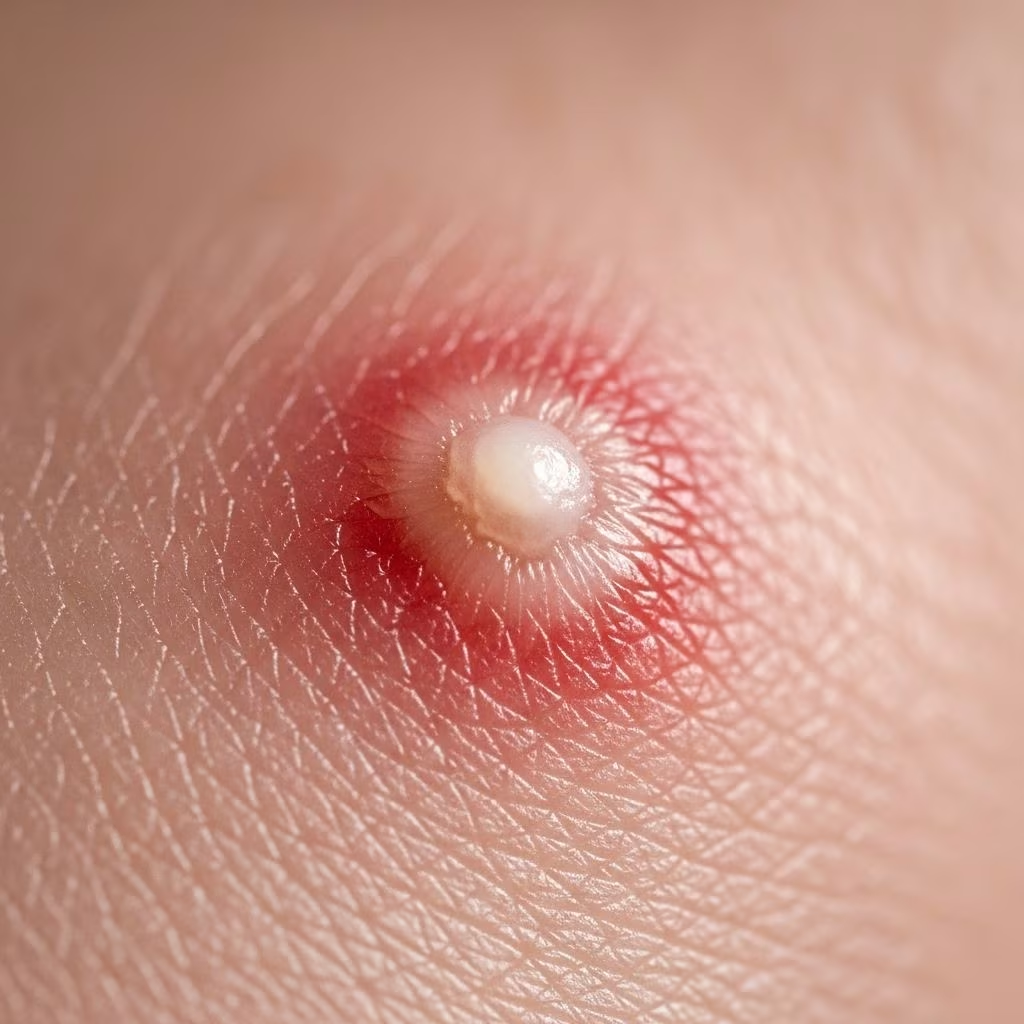
Whiteheads—particularly those that won’t pop and remain beneath the skin’s surface—are a common source of frustration. Attempting to squeeze or forcibly extract these closed whiteheads (also known as closed comedones) can lead to irritation, infection, or even scarring. Fortunately, there are science-backed strategies to address them safely. This comprehensive guide explores the causes, proven treatment options, prevention techniques, and professional interventions for stubborn closed whiteheads.
Understanding Closed Whiteheads (Closed Comedones)
Closed whiteheads—or closed comedones—are non-inflammatory acne lesions that present as small, firm, white or flesh-colored bumps just under the skin’s surface. Unlike blackheads (open comedones), whiteheads are covered by a thin layer of skin, preventing their contents from being exposed to air and oxidizing.
These blemishes are commonly found on the forehead, cheeks, jawline, and occasionally the back or chest. While harmless, their persistence or abundance can cause cosmetic concerns or discomfort.
Main Causes of Closed Whiteheads
Closed comedones occur when pores become clogged with oil (sebum), dead skin cells, and sometimes bacteria. Instead of breaking the skin’s surface, the clog stays trapped beneath, resulting in a raised bump.
- Excess Oil Production: Overactive sebaceous glands increase the likelihood of pore blockages.
- Accumulation of Dead Skin Cells: Inadequate exfoliation can cause cells to build up and clog pores.
- Hormonal Changes: Fluctuations during puberty, menstruation, pregnancy, or stress can increase sebum production.
- Comedogenic Products: Skincare, makeup, and even haircare with pore-clogging (-genic) ingredients contribute.
- Genetics: A hereditary predisposition to acne or oily skin can play a significant role.
- External Factors: Environmental pollutants, excessive sweating, occlusive clothing, or helmet straps may worsen congestion.
Should You Try to Pop a Closed Whitehead?
Do not attempt to pop or squeeze a closed whitehead—no matter how tempting it may be. Unlike traditional pimples, these are sealed under the skin, and picking at them can force bacteria deeper, trigger inflammation, or cause scarring and hyperpigmentation.
Instead, focus on gentle methods to unclog pores and reduce blockages over time, relying on a consistent and targeted skincare routine or, if necessary, professional intervention.
Step-by-Step: Safe At-Home Treatment for Closed Whiteheads
The key to clearing closed comedones is patience, consistency, and non-aggressive care. Resolution may take several weeks or even months, especially in cases of widespread or persistent congestion. Follow these steps:
- Assess and Remove Triggers:
- Eliminate heavy, oily, or occlusive skincare and makeup.
- Switch to non-comedogenic, fragrance-free products.
- Review haircare (especially styling creams/oils touching the face) and avoid hats/helmets with tight straps.
- Gentle Cleansing:
- Wash twice daily with a mild, non-drying cleanser designed for acne-prone or sensitive skin.
- Avoid harsh scrubs or physical exfoliators which can irritate the skin and exacerbate congestion.
- Introduce a Beta-Hydroxy Acid (BHA):
- Apply a salicylic acid serum or toner (1–2%) once daily; it penetrates oil and exfoliates inside the pore to dissolve clogs.
- Avoid skipping this step: AHAs (like glycolic acid) only exfoliate surface layers and are less effective for deep pore congestion.
- Consider Adding a Retinoid:
- Use an over-the-counter adapalene gel or prescription retinoid at night to boost cell turnover and help prevent clogged pores from forming.
- Start with a low concentration 2–3 times per week, increasing as tolerated to minimize irritation.
- Allow a few weeks for initial purging; continue as long-term use shows the most benefit.
- Support with Niacinamide:
- This anti-inflammatory ingredient helps keep skin calm and supports barrier health, working well alongside retinoids and acids.
- Look for serums or moisturizers with 2–10% niacinamide for best results.
- Hydration and Barrier Protection:
- Maintain moisture with lightweight, non-comedogenic moisturizers.
- Hydrated skin is more resilient and less likely to overproduce oil.
- Daily Sun Protection:
- Wear broad-spectrum SPF 30+ daily; some acne treatments increase skin sensitivity to sunlight.
- Choose a mineral-based, non-comedogenic formula if prone to breakouts.
Sample Daily Skincare Routine for Closed Whiteheads
| Morning | Evening |
|---|---|
|
|
Key Ingredients and Products for Closed Whiteheads
- Salicylic Acid (BHA): The gold-standard for unclogging pores thanks to its oil-soluble nature and keratolytic effects. Use as a leave-on, not a wash-off product.
- Retinoids: Adapalene and tretinoin are well-studied for helping prevent and treat closed comedones by normalizing skin cell turnover. Retinoids are ‘comedolytic,’ meaning they break down and prevent future clogs.
- Niacinamide: Reduces inflammation, enhances the skin barrier, and supports the effects of other actives while minimizing irritation.
- Azelaic Acid: A gentle acid with antibacterial, anti-inflammatory, and mild exfoliating properties—suitable for sensitive skin, and often used as an adjunct to BHA/retinoids.
- Zinc PCA: Reduces sebum production and has antibacterial effects, often included in acne formulations for oily, blemish-prone skin.
Natural and Supportive Remedies
While evidence for natural treatments is emerging, always use them as support to—not replacement for—evidence-based therapies. Some options to consider:
- Tea Tree Oil: Has inflammation-reducing and antimicrobial effects. Use only diluted formulations or spot treatments to avoid irritation.
- Witch Hazel: Acts as a natural astringent, helping to tighten pores and balance oil production. Use in moderation as overuse can dry the skin.
- Clay and Charcoal Masks: These can absorb excess oil and help remove impurities from pores. Use no more than once or twice weekly to avoid over-drying.
Important: Always patch-test any new ingredient to rule out allergic reactions.
Medical and Professional Treatments for Stubborn Closed Whiteheads
When at-home strategies are not effective—or if you have extensive, persistent, or painful bumps—it is time to see a dermatologist. Professional options include:
- Manual Extraction: Dermatologists use sterile tools to remove the contents of closed comedones without causing injury—never attempt this at home.
- Microdermabrasion: A specialized device sands off the top layer of dead skin, unclogging pores and improving skin texture.
- Chemical Peels: Supervised peels with salicylic acid, glycolic acid, or retinoic acid can accelerate skin turnover and clear congestion.
- Cryotherapy: Targeted freezing (with liquid nitrogen) destroys deep blockage and is reserved for severe, resistant cases.
- Electrocauterization: Controlled electrical current creates a small opening for clogged material to come out.
- Intralesional Corticosteroids: Injection into inflamed nodules reduces swelling and can speed healing, but is rarely used for non-inflammatory comedones.
Prescription Treatments: A dermatologist may prescribe stronger topical or oral medications, especially in conjunction with the above procedures:
- Topical retinoids (adapalene, tretinoin)
- Topical azelaic acid or benzoyl peroxide
- Oral antibiotics in cases of inflammatory acne (less effective for closed comedones)
Prevention Strategies: Keeping Closed Whiteheads at Bay
- Regular Cleansing: Twice-daily with a gentle, non-comedogenic cleanser; avoid over-washing which strips the skin and may increase oil production.
- Proper Exfoliation: Use chemical exfoliants (BHAs) to prevent build-up of dead skin cells. Avoid harsh physical scrubs.
- Non-Comedogenic Products: Choose makeup, skincare, and hair products labeled non-comedogenic or oil-free.
- Remove makeup nightly: Clogged pores worsen overnight if products aren’t properly removed.
- Hands Off: Avoid touch or picking, which introduces bacteria and increases risk of scarring. Use a clean pillowcase and avoid pressing your face with hands or objects.
- Healthy Lifestyle: Manage stress, maintain a balanced diet, and ensure adequate sleep (lifestyle factors can have an indirect effect on skin appearance).
Common Myths and Mistakes
- Myth: Closed whiteheads can be squeezed out easily.
Fact: Most are sealed beneath the skin and require patience plus correct treatment, not forceful squeezing. - Myth: Over-washing will clear whiteheads.
Fact: Excess cleansing can strip protective oils and worsen oil production. - Myth: You should switch products constantly if you do not see instant results.
Fact: Consistency is key. Most effective treatments take at least 6–8 weeks to show results. - Mistake: Using multiple active ingredients without guidance.
This can irritate the skin and compromise barrier function. Introduce new actives gradually. - Mistake: Using only natural remedies.
Fact: While supportive, they’re rarely potent enough for stubborn or widespread closed comedones when used alone.
Frequently Asked Questions (FAQs)
Q: How long does it take for closed whiteheads to clear up?
A: It often takes several weeks to months with consistent use of effective actives. Some initial purging may occur as pores clear, but stick with your routine.
Q: Are closed whiteheads the same as milia?
A: No. While they may look similar, milia are small cysts filled with keratin, while closed whiteheads are clogged pores containing sebum and dead skin.
Q: When should I see a dermatologist?
A: If whiteheads do not respond to over-the-counter care, cover large areas, are painful, or lead to scarring, a dermatologist can offer advanced interventions.
Q: Can diet affect closed whiteheads?
A: Research on diet and acne is ongoing; a healthy, balanced diet with low glycemic index foods may help some—though evidence is mixed.
Q: Are oral antibiotics helpful for closed whiteheads?
A: Oral antibiotics are not typically effective for non-inflammatory comedones, but may help if there is also inflammatory (red, swollen) acne present.
Q: Is it safe to use more than one active (e.g., retinoid and salicylic acid)?
A: Yes, but introduce new actives slowly and monitor for irritation. Niacinamide can help buffer potential dryness or redness.
Conclusion
Treating closed whiteheads requires a strategy that combines patience, gentle skincare, and the right actives. Avoid picking; instead, use proven ingredients like salicylic acid and retinoids, support your skin barrier, and seek professional help for stubborn or extensive cases. With consistent care, most people can achieve clearer, healthier skin and prevent future breakouts.
References
- https://www.laroche-posay.co.uk/en_GB/closed-comodones-causes-and-treatments.html
- https://drsambunting.com/en-us/blogs/sam-bunting/how-to-tackle-closed-comedones
- https://pmc.ncbi.nlm.nih.gov/articles/PMC6273829/
- https://www.healthline.com/health/beauty-skin-care/comedonal-acne
- https://www.medicalnewstoday.com/articles/comedonal-acne
- https://my.clevelandclinic.org/health/diseases/22039-whiteheads
- https://palmbeachdermatologygroup.com/how-to-get-rid-of-whiteheads/
- https://www.gainesvilledermatologyskinsurgery.com/whiteheads/
- https://dermnetnz.org/topics/comedonal-acne


