


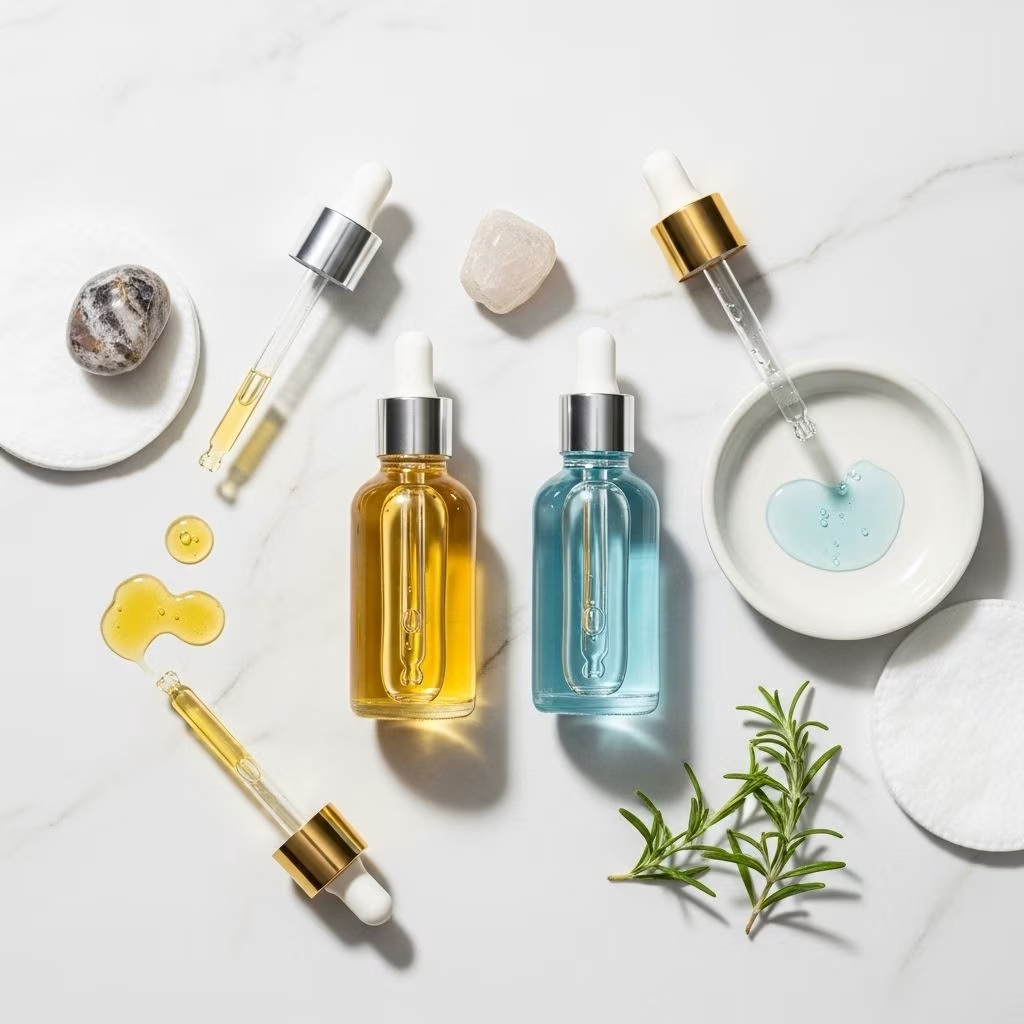
Layering two different serums allows you to target multiple skin concerns at once, boost the efficacy of your skincare routine, and customize your regimen for optimal results. However, doing it incorrectly—or combining incompatible actives—can result in irritation, wasted products, and disappointing outcomes. This comprehensive guide demystifies the science of layering two serums, explains how to combine them safely, and offers expert-curated tips to get the healthiest, most radiant skin possible.
Why Layer Two Serums?
Target Multiple Skin Concerns: Modern serums are highly concentrated formulas designed to address specific skincare needs like hydration, brightening, anti-aging, or acne. Layering two serums lets you address more than one concern without overloading your skin with unnecessary steps or ingredients.
Boost Product Efficacy: Thoughtful layering increases the concentration of active ingredients absorbed by your skin and maximizes the overall impact of your routine, provided you follow the right sequence and combinations.
Create a Custom Routine: Every person’s skin is unique. Layering gives you the power to fine-tune your regimen for your skin’s ever-changing needs—from seasonal dryness to sudden breakouts.
The Science Behind Serum Layering
The guiding principle for layering serums is “thinnest to thickest.” Water-based serums—such as those with hyaluronic acid or vitamin C—have small molecules that penetrate quickly and deeply, making them best applied first. Oil-based or thicker formulations (like retinols or barrier-protecting oils) sit higher on the skin and should come after, so they don’t block lighter actives from penetrating.
- Cleansed Skin First: To maximize absorption, serums should be layered on clean skin, ideally after toner and before moisturizer.
- Absorption Window: Waiting 30 seconds to 1 minute between serum applications allows for optimal absorption and prevents the dreaded “pilling” effect.
- Moisturizer and SPF: Always follow with moisturizer to lock in actives, and during the day, finish with SPF.
Choosing Which Serums to Layer
When considering which two serums to layer, focus on your skin’s current priorities and select products that address complementary concerns. A good starting point is to combine a universally beneficial serum (like hyaluronic acid or niacinamide) with a targeted treatment (such as a vitamin C, peptide, or exfoliating serum).
- Hydrating & Brightening: Hyaluronic acid plus vitamin C is a classic, offering deep hydration and antioxidant protection.
- Repair & Calm: Niacinamide pairs well with many actives, helping to brighten, strengthen the skin barrier, and soothe irritation.
- Anti-Aging & Support: Peptides combine with antioxidants or mild exfoliants for firming and repair.
It is best to start with just two serums; layering more increases your risk of irritation and diminishes the incremental benefit. After three, absorption drops and actives may compete or cancel each other out.
Step-by-Step: How to Layer Two Serums
- Cleanse: Thoroughly wash your face with a gentle cleanser and pat dry.
- Tone (Optional): Apply a toner suitable for your skin type to prepare a fresh canvas.
- First Serum: Use the thinnest, water-based serum targeting your most urgent skin concern (e.g., vitamin C, hyaluronic acid, or niacinamide). Dispense 2-3 drops into your palm, and gently press into your skin.
- Wait: Allow the first serum to absorb for at least 30 seconds.
- Second Serum: Layer on the thicker or more oil-based serum (e.g., peptide, retinol, or facial oil). Again, press 2-3 drops into the skin, focusing on areas of secondary concern.
- Moisturize: Seal the actives in with a suitable moisturizer.
- SPF (Daytime): If you are applying serums in the morning, always finish with a broad-spectrum sunscreen.
Quick-Reference Table: Example Layering Orders
| First Serum (Thinnest) | Second Serum (Thicker) | Best For |
|---|---|---|
| Hyaluronic Acid | Vitamin C | Hydration & Brightening |
| Vitamin C | Peptides | Antioxidant & Firming |
| Niacinamide | Retinol | Calming & Anti-Aging |
| Exfoliating Acid (AHA/BHA) | Hydrating Serum | Renewal & Moisture |
Compatible and Incompatible Serum Combinations
Serum Combinations That Work Well Together
- Hyaluronic Acid + Vitamin C: Hydration plus brightening and antioxidant defense.
- Vitamin C + Peptides: Protective plus repairing, excellent for aging skin.
- Niacinamide + Retinol: Niacinamide supports barrier function and reduces irritation from retinol.
Serum Combinations to Avoid
- Vitamin C + Retinol: Can cause irritation and reduce product effectiveness. Use at different times of day or alternate days.
- AHA/BHA + Retinol: Both are potent; layering increases risk of sensitivity or reactions. Alternate their use, typically exfoliants in the morning and retinol at night.
- Multiple Exfoliants: Avoid layering two chemical exfoliants (like glycolic plus lactic acid), as this can heavily compromise your skin barrier.
Expert Tips for Serum Layering Success
- Simplicity Wins: Stick to no more than two or three serums per routine to avoid overwhelming your skin.
- Patch Test: New combinations can occasionally trigger reactions; patch test on a small area before full application.
- Listen to Your Skin: If you notice redness, stinging, or persistent dryness, reduce frequency or layer only one serum at a time until your skin barrier recovers.
- Adjust Seasonally: Your skin’s needs change with the environment. Swap out, add, or remove serums as needed for weather and lifestyle shifts.
- Product Compatibility: Read product instructions—some clinical-grade serums are designed to be used alone for maximum potency.
Frequently Asked Questions
Q: Is it safe to layer two serums every day?
A: For most skin types, layering two compatible serums daily is safe. However, always monitor your skin for any irritation or changes and adjust frequency or products as needed.
Q: Which goes first—vitamin C or hyaluronic acid?
A: Always layer the serum with the thinnest consistency first. In most cases, vitamin C is thinner and should be applied before hyaluronic acid for maximal absorption and effect.
Q: Can I layer serums with prescription treatments?
A: Consult your dermatologist before adding serums that contain strong actives (like retinoids or exfoliants) alongside prescription skincare.
Q: Should I wait between applying serums?
A: Yes. Waiting 30 seconds to a full minute between layers helps prevent pilling and gives each product a chance to absorb.
Q: What’s the best moisturizer to use after layering serums?
A: Choose a moisturizer that suits your skin type and doesn’t contain potentially irritating ingredients. Its main job is to lock in the beneficial actives from your serums.
Final Thoughts
Layering two different serums is one of the most effective ways to personalize your skincare for multiple concerns. By understanding your serums’ ingredients, learning the correct application order, practicing ingredient compatibility, and listening to your skin’s responses, you maximize benefits and minimize risks. When in doubt, consult with a certified dermatologist—especially if you’re using potent actives or dealing with sensitive or compromised skin. With knowledge and intention, the art of serum layering can become your most powerful skincare tool.
References
- https://www.skinceuticals.com/skincare-advice/how-to-layer-face-serums.html
- https://www.englishdermatology.com/layering-skincare-is-more-really-more-how-to-get-the-most-out-of-multiple-skincare-products/
- https://mariakane.shop/blogs/maria-kane-blog/how-many-serums-should-you-use
- https://www.ipsy.com/blog/how-to-layer-serums
- https://theordinary.com/en-us/blog/skincare-layering-guide.html
- https://www.lovelyskin.com/blog/p/how-to-use-serums-together
- https://www.susannekaufmann.com/blogs/journal/the-art-of-layering-serums-for-different-skincare-needs


