


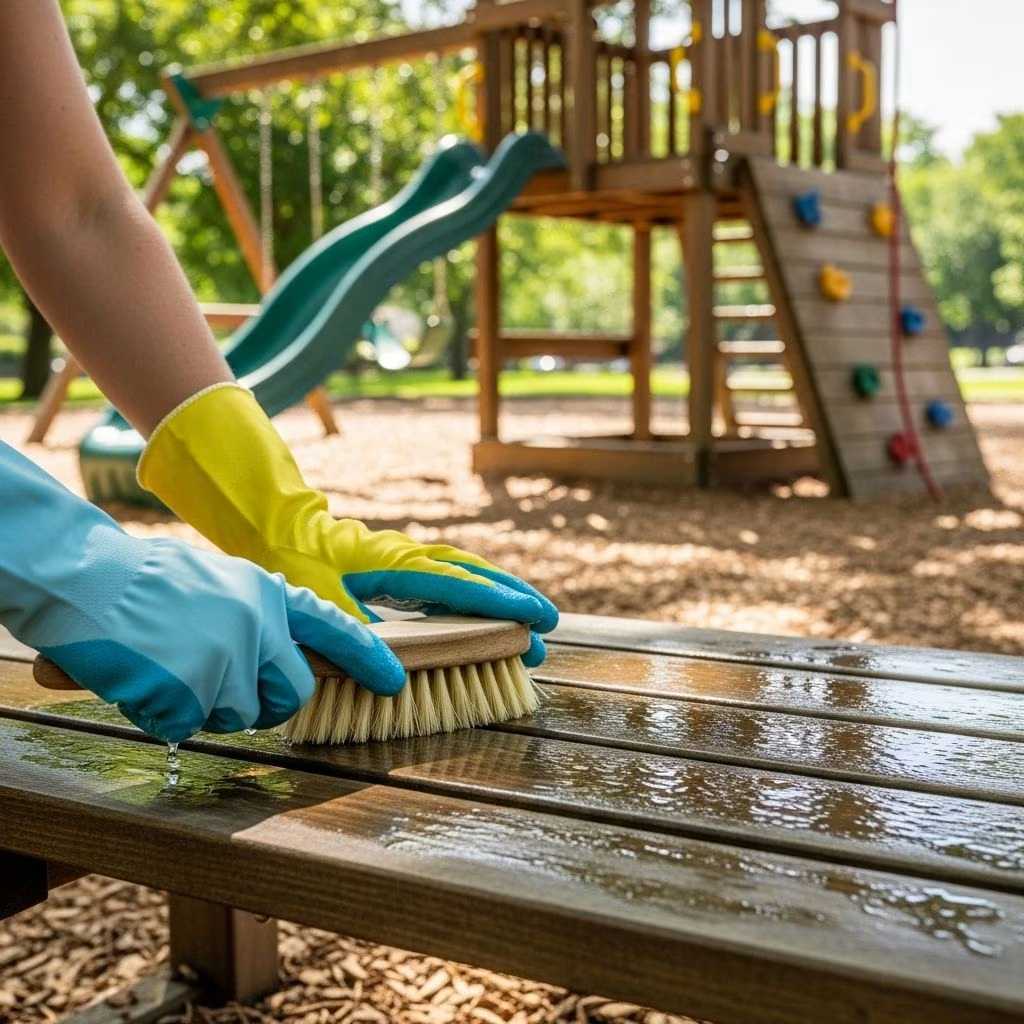
Wooden play structures bring years of joy to families, offering a safe, sturdy, and attractive space for children’s outdoor activities. However, their longevity and safety depend on regular care and attention. This comprehensive guide covers expert-recommended procedures for cleaning, inspecting, maintaining, and repairing wooden playsets to maximize both play value and safety.
Why Maintenance Matters
Neglecting routine cleaning and maintenance of wooden play structures can result in a range of risks, including:
- Structural degradation: Moisture, sun, pests, and physical wear can weaken wood over time, leading to cracks, splinters, and in severe cases, collapse.
- Safety hazards: Loose bolts, worn moving parts, or splintered surfaces increase the risk of injury.
- Reduced lifespan: Well-maintained playsets can last 15–20 years or more; neglected equipment deteriorates quickly and loses value and function.
Regular care ensures your playset remains safe, attractive, and durable for years.
Routine Cleaning Practices
Proper cleaning not only maintains appearance but also prepares the surface for staining and protective treatments. Consider these effective methods:
- Hose Down Regularly: Use a garden hose to wash away loose dirt, pollen, and debris—especially after storms or in high-traffic seasons. This prevents grime and mildew buildup (Reference: ).
- Power Wash Carefully: For stubborn dirt, use a power washer with a low-pressure nozzle, keeping the jet moving. Improper use can gouge and damage wood surfaces (Reference: ).
- Soft-Bristled Brush and Soap: Mix mild detergent with warm water and gently scrub the wood with a soft brush. This is effective for spot cleaning, removing bird droppings, or clearing away mildew (Reference: ).
- Clean Accessories: Remove and gently wash tarp roofs, slides, vinyl parts, and swings with soap and water, using soft sponges or a cloth to avoid scratching.
Let all wood components dry completely for several sunny days before applying any treatments. This prevents trapping moisture inside the wood, which can cause rot or finish failure.
Annual and Seasonal Maintenance
For best results, perform a thorough maintenance check at least annually—ideally in early spring before the play season starts, and optionally again in late fall. This routine should include:
- Detailed Cleaning: As described above, thoroughly wash all surfaces and allow the structure to dry.
- Hardware Inspection: Check and tighten all nuts, bolts, screws, and moving parts. Replace any hardware that shows rust, stripping, or wear (Reference: ).
- Structural Check: Look for signs of rot, cracks, splintering, or warping in the wood. Sand down rough edges; replace damaged boards as needed.
- Sealing or Staining: Protect the wood with a suitable stain and/or sealant after the playset is thoroughly dry (see below for details).
- Ground Safety Check: Rake or refresh mulch or soft fill beneath the structure to a proper depth, maintaining fall protection.
Inspection Checklist
A systematic approach helps ensure no hazard is missed. Use the following checklist during each scheduled inspection:
- Are all wood surfaces free from splinters, cracks, and rot?
- Are bolts, screws, and nuts tight (but not overtightened to avoid wood splitting)?
- Are all swings, chains, and moving joints secure and rust-free?
- Has hardware been visually and physically checked for sharp edges or protrusions?
- Are there any missing, broken, or loose boards?
- Is all protective ground surfacing (mulch, rubber, sand) intact and sufficiently thick?
- Have all plastic, tarp, rope, and vinyl components been inspected and cleaned?
Evaluations should be recorded each time for future reference. Identifying trends helps anticipate repairs and replacement needs.
Staining and Sealing the Wood
Stain and sealant application are critical in maintaining durability and managing moisture. Sealing should occur every 1–3 years, depending on local weather and finish used (Reference: ).
- Preparation: Remove all hanging accessories (swings, slides, canopies), use masking tape to cover metal joints, and ensure surfaces are clean and dry.
- Choosing a Product: Use an exterior-grade, UV-resistant, oil-based sealant or stain formulated for playsets or decks. Some products combine both stain and sealant.
- Application: Start at the top and work downward with a brush or sprayer. Apply evenly, wipe excess, and blend edges to avoid lap marks.
- Drying Time: Allow minimum 24–48 hours to fully cure before reattaching accessories or allowing children to play.
Regular sealing and staining reduce splinters, resist rot, and shield the wood from sun, insects, and fungal damage. If the finish wears unevenly, spot reapply and feather in new stain.
Hardware and Structural Safety
Even the strongest playset can develop loose, rusted, or worn parts over time. Regular checks should include:
- Bolt and Screw Tightness: Hand-tighten all hardware. Do not use power drivers, which can overtighten and crack wood.
- Replacement: Swap rusted or corroded fasteners for galvanized or stainless steel alternatives.
- Swing Hangers and Joints: These endure high stress; check closely for wear, rust, or deformation. Replace if in doubt.
- Moving Elements: Lubricate hinges and inspect tire swivels, S-hooks, and spring clips for integrity and secure attachment.
All connections must be flush, tight, and free from sharp or protruding elements to prevent snagging or cuts.
Protecting Against Hazards
Proactive measures prevent common threats that can undermine structure and safety:
- Moisture Control: Keep the playset away from direct water runoff. Ensure proper drainage and avoid placing playsets under leaking gutters.
- Termite and Pest Management: Regularly inspect for signs of insect activity, especially with untreated or older wood. Apply borate-based treatments if needed.
- Mildew and Mold: Clean with a mild solution of vinegar or commercial mildew remover. Address underlying causes of excessive shade or humidity.
- UV Exposure: Use stains with UV protection and consider seasonal covers or shade sails to reduce sun damage.
Simple Repairs and When to Replace
Small issues, left unaddressed, can lead to major safety problems. Consider the following repair techniques:
- Splinter or Crack Repair: Sand down minor splinters. For deeper gouges or holes, fill with wood putty matched to your finish; sand smooth and stain after drying (Reference: ).
- Board Replacement: If a plank or beam exhibits rot, deep cracks, or pest damage, replace it promptly. Always use pressure-treated or fade-resistant lumber rated for exterior use.
- Loose or Damaged Hardware: Swap out deformed, rusty, or missing hardware and ensure replacements are properly rated for load-bearing use.
Major structural concerns—such as rotting main beams, severe warping, or extensive termite activity—may necessitate professional evaluation or replacement of the entire set for continued safety.
Weather Protection Strategies
Extreme weather is a leading cause of premature wear. Tailor your approach to your climate:
- High-Humidity or Rainy Regions: Choose sealants with advanced water repellency. Check for standing water near the play structure after storms and reroute runoff if needed.
- Sun-Exposed Locations: Apply UV-protective stains annually. Consider using tarps or natural-landscape screening for shade.
- Winterization: Remove and store accessories before snow or freezing rain. Inspect and tighten hardware before the freeze-thaw cycle can force joints apart.
Best Practices and Pro Tips
- Conduct visual inspections every few weeks during peak play times to catch hazards early (Reference: ).
- Renew sealants every 1–3 years and stains as visibly needed.
- Keep an up-to-date maintenance log—including cleaning, repairs, and replacements—to support resale value and track safety.
- Educate children about safety rules and supervise younger users closely.
- Ensure surfacing under swings and slides is always soft, deep, and free of hazards.
Frequently Asked Questions (FAQs)
How often should I clean my wooden playset?
Light cleaning with a hose can be performed every few weeks in the playing season. Deep cleaning with soap and a brush or power washer should be done once or twice annually before sealing (Reference: ).
What is the best sealant for wooden play structures?
Choose an exterior-grade, oil-based product formulated for decks or playsets, with both water and UV resistance. Stains with integrated sealants are also suitable for most climates.
Can I use household bleach to clean mildew?
Mild solutions of household bleach can remove mildew, but rinse thoroughly and avoid harsh concentrations that may harm vegetation or children’s skin. Vinegar or commercial mildew cleaners provide gentler alternatives.
What signs indicate my playset needs replacement?
Extensive structural rot, instability, deep cracks in main beams, significant termite damage, or loose platforms that cannot be made secure are all signs it’s time for a full replacement.
Are power washers safe for all wood playsets?
Use only low-pressure settings and keep the nozzle moving. Excessive or direct jets will damage soft woods like cedar, redwood, or pine.
Additional Resources
- Consult your playset manufacturer’s care guide for wood-specific tips.
- Local hardware stores provide expert recommendations on finishes and sealants.
- Professional installers or inspectors can assist with major repairs or annual structural checks.
Regular cleaning, annual inspections, and attentive repairs ensure your wooden play structure remains a cherished, safe centerpiece of your outdoor family space for many years.
References
- https://www.recunlimited.com/blog/how-to-maintain-wood-play-set/
- https://superiorplay.com/blog/maintaining-your-playset/
- https://www.backyardadventures.com/bya-blog/maintain-your-playset-for-years/
- https://www.mutualbenefitgroup.com/insurance-101/safety-at-home/a-guide-to-summer-playground-maintenance
- https://www.kompan.com/en/us/planning/playground-maintenance-and-repair-guide
- https://gorillaplaysets.com/pages/suggested-maintenance
- https://swingsets.com/blogs/product-support/the-do-s-and-don-ts-of-maintaining-your-playset
- https://www.easternjunglegym.com/routine-maintenance-tips
- https://www.playgroundequipment.com/playground-maintenance-guide/


