


Introduction
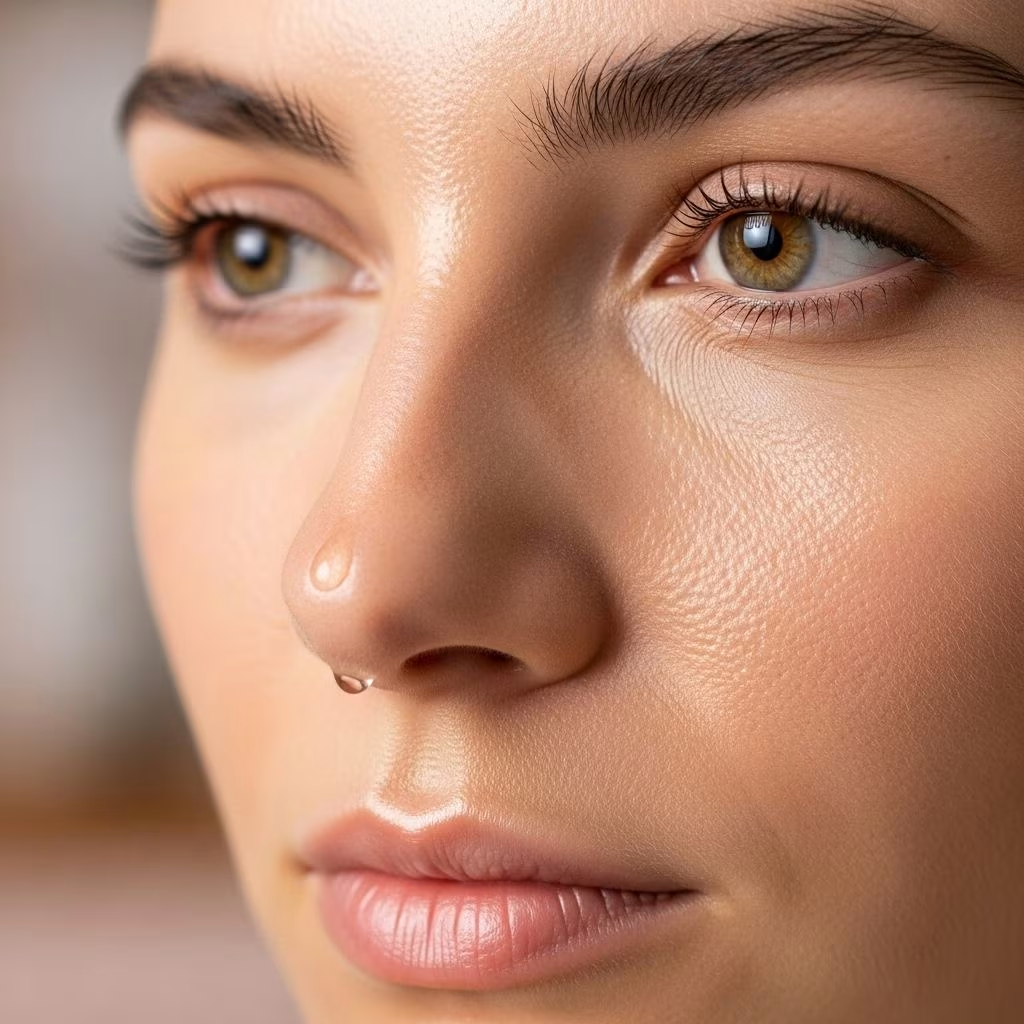
The oily T-zone—comprising the forehead, nose, and chin—is a common skincare concern for many people. This central region of the face is often shinier, more prone to breakouts, and harder to keep matte throughout the day. Understanding the root causes of an oily T-zone and learning how to manage it effectively can lead to both improved skin health and increased confidence.
What Is the T-Zone?
The T-zone refers to the vertical strip along the forehead and nose, as well as the horizontal line across the chin. These areas together form a ‘T’ shape on the face.
- Forehead: Often the widest part of the T-zone, displays noticeable shine and is prone to enlarged pores.
- Nose: Contains high density of sebaceous (oil) glands and frequently shows blackheads and congestion.
- Chin: Less oily than nose/forehead but still part of the T-zone’s characteristic shine and breakout pattern.
The T-zone differs from the rest of the face primarily due to a higher concentration of oil glands, leading to increased sebum production.
Why Is the T-Zone So Oily?
Several factors contribute to excessive oil production in the T-zone:
- Genetics: Inherited traits largely dictate how many and how active your sebaceous glands are.
- Hormonal fluctuations: Changes associated with puberty, menstrual cycles, or stress can increase sebum production.
- Weather and Environment: High humidity and heat stimulate oil glands, increasing shine in the T-zone.
- Improper skincare: Using harsh, drying cleansers or skipping moisturizer can paradoxically trigger more oil production.
- Diet: Diets high in sugar or processed foods may encourage excess sebum formation (data still emerging).
- Over-cleansing: Stripping the skin makes it react by producing even more oil to protect itself.
| Factor | Mechanism | Impact |
|---|---|---|
| Genetics | Inborn gland size/activity | Consists oily tendency from youth |
| Hormones | Androgens stimulate glands | Increase during teens, periods, stress |
| Climate | Humidity/heat activate glands | Visible midday shine, clogged pores |
| Over-cleansing | Removes protective oils | Glands overcompensate |
| Diet | Glucose/insulin link | May worsen overall oiliness |
Impacts of an Oily T-Zone
The unique nature of the T-zone leads to several skin concerns:
- Shine and greasiness: Constant struggle with makeup longevity and matte appearance.
- Breakouts: Excess oil can block pores, resulting in whiteheads, blackheads, and inflammatory acne such as pustules or cysts.
- Enlarged pores: Chronic congestion stretches pores making them more noticeable.
- Uneven texture: Surface roughness due to buildup of oil, dead skin cells, and frequent breakouts.
Effective Solutions for an Oily T-Zone
Managing oiliness in the T-zone is a multi-step process combining gentle cleansing, hydration, targeted treatments, and product selection. Here are evidence-based solutions:
- Wash daily but not excessively: Cleansing twice a day (morning/evening) helps remove excess sebum, bacteria, and dirt without over-stripping the skin.
- Use a mild, oil-free, non-comedogenic cleanser: Foaming cleansers often work best for oily areas without leaving skin tight and dry.
- Moisturize appropriately: Choose lightweight gel or fluid-based moisturizers made for oily or combination skin. Hydrated skin produces less compensatory oil.
- Apply blotting paper or powder: Helps control shine during the day without disrupting your makeup.
- Use clay masks periodically: Masks containing kaolin or bentonite reduce oil, unclog pores, and leave skin matte. Limit to once per week or bi-weekly to prevent drying.
- Try green tea or niacinamide: Green tea extract has anti-inflammatory and anti-acne properties; niacinamide regulates oil production and reduces pores.
- Use products containing salicylic acid: This beta hydroxy acid gently exfoliates, keeps pores clear, and controls oil.
- Balance hydration and exfoliation: Avoid harsh scrubs or stripping toner; gentle chemical exfoliation is preferable.
The Ideal Daily Routine for an Oily T-Zone
- Morning:
- Wash face with a mild, foaming cleanser.
- Apply a lightweight, oil-free moisturizer immediately after cleansing to lock in hydration and signal the skin not to overproduce oil.
- Use a broad-spectrum sunscreen formulated for oily/combo skin. Look for non-comedogenic formulas or moisturizers with built-in SPF.
- Consider a mattifying primer or setting powder if you wear makeup or need extra shine control.
- Evening:
- Wash face to remove oils, dirt, and sunscreen buildup.
- Optional: Apply a gentle toner containing green tea, niacinamide, or witch hazel.
- Moisturize with a gel or light fluid formula.
- 1-2x per week: Use a clay mask on T-zone. Alternate with a salicylic acid serum or exfoliant.
- Add-ons:
- Blotting papers: Use throughout day as needed.
- Spot treatments: Target breakouts with benzoyl peroxide or salicylic acid.
Sample Oily T-Zone Routine Table
| Step | A.M. | P.M. |
|---|---|---|
| Cleanser | Gentle foaming, oil-free | Gentle foaming, oil-free |
| Toner | Optional (niacinamide/green tea) | Optional (niacinamide/green tea) |
| Moisturizer | Lightweight gel/fluids | Lightweight gel/fluids |
| Sunscreen | Oil-free, non-comedogenic | — |
| Clay Mask | — | Weekly (1–2x) |
| Exfoliant (Salicylic Acid) | — | 2–3x/week |
| Blotting Paper | As needed | As needed |
Key Skincare Ingredients for Oil Control
- Salicylic Acid: Penetrates pores, dissolves excess oil, gently exfoliates, and prevents breakouts.
- Niacinamide: Vitamin B3 derivative that reduces oil production, calms redness, and minimizes pores.
- Green Tea Extract: Contains antioxidants and anti-inflammatory compounds; may decrease acne frequency.
- Kaolin/Bentonite Clay: Absorbs oil, purifies pores, and soothes inflammation.
- Aloe Vera: Hydrates and calms skin, suited for those prone to redness or sensitivity.
- Oil-free hydrators (e.g., glycerin, hyaluronic acid): Add water-based moisture without greasiness.
Lifestyle Factors and Prevention
- Diet: Limit intake of processed sugars and high-glycemic foods; opt for antioxidant-rich fruits and vegetables.
- Stress Management: Engage in physical activity, meditation, or hobbies to blunt hormonal triggers for excess oil.
- Hydration: Drink water regularly to maintain balanced skin hydration.
- Consistent Sleep: Poor sleep can stress the body and worsen oil production.
- Hygiene: Regularly cleanse pillowcases and mobile devices to reduce exposure to acne-causing bacteria.
Choosing Products for Oily T-Zone
Select products based on the following criteria:
- Non-comedogenic: Formulated to avoid clogging pores; usually labeled as such.
- Oil-free: Free of heavy oils, especially in moisturizers and sunscreens.
- Lightweight texture: Gel, fluid, or water-based formulas prevent heaviness and buildup.
- Mattifying/adaptive: Look for products with ‘anti-shine’ or ‘pore minimizer’ claims, especially primers and sunscreens.
Frequently Asked Questions (FAQs)
Q: Should I skip moisturizer if my T-zone is oily?
No. Skipping moisturizer can lead to dehydrated skin, prompting more oil production. Always use a lightweight, non-comedogenic hydrator.
Q: Will washing my face more often reduce oil?
Overwashing can make oiliness worse by drying and irritating the skin. Limit cleansing to twice daily unless you sweat heavily.
Q: What ingredients should I look for in T-zone skincare products?
Seek out salicylic acid, niacinamide, green tea extract, and non-comedogenic formulas for optimal oil control.
Q: Can my diet influence my oily T-zone?
Evidence is still developing, but reducing sugar, dairy, and highly processed foods may help, while antioxidant-rich foods can support overall skin health.
Q: How often should I use a clay mask?
Apply a purifying clay mask to the T-zone once a week or twice monthly to avoid drying out the skin.
Q: Is makeup safe for an oily T-zone?
Yes, as long as you use oil-free, non-comedogenic products and take care to cleanse the skin thoroughly at night.
Final Tips for Managing an Oily T-Zone
- Choose gentle, balancing skincare routines over harsh, stripping products.
- Monitor your routine and make gradual changes—evaluate how each product affects your skin over 2-4 weeks.
- Consult a dermatologist for persistent breakouts, excessive shine, or concerns about hyperactivity of sebaceous glands.
- Remember: Consistency and patience are key. There is no instant cure, but with the right approach, your T-zone can look and feel calmer, clearer, and healthier.
References
- https://www.healthline.com/health/t-zone-face
- https://www.kiehls.com/skincare-advice/oily-t-zone.html
- https://www.skinbydrg.com/blogs/blog/three-oily-skin-solutions-that-work
- https://www.fresh.com/us/stories/skincare-education/article-how-to-manage-an-oily-t-zone.html
- https://www.cerave.com/skin-smarts/skincare-tips-advice/why-so-oily-skincare-routine
- https://pmc.ncbi.nlm.nih.gov/articles/PMC5605215/
- https://eightsaintsskincare.com/blogs/page-eight/how-to-stop-oily-skin-in-its-tracks
- https://www.aad.org/public/everyday-care/skin-care-basics/dry/oily-skin


