


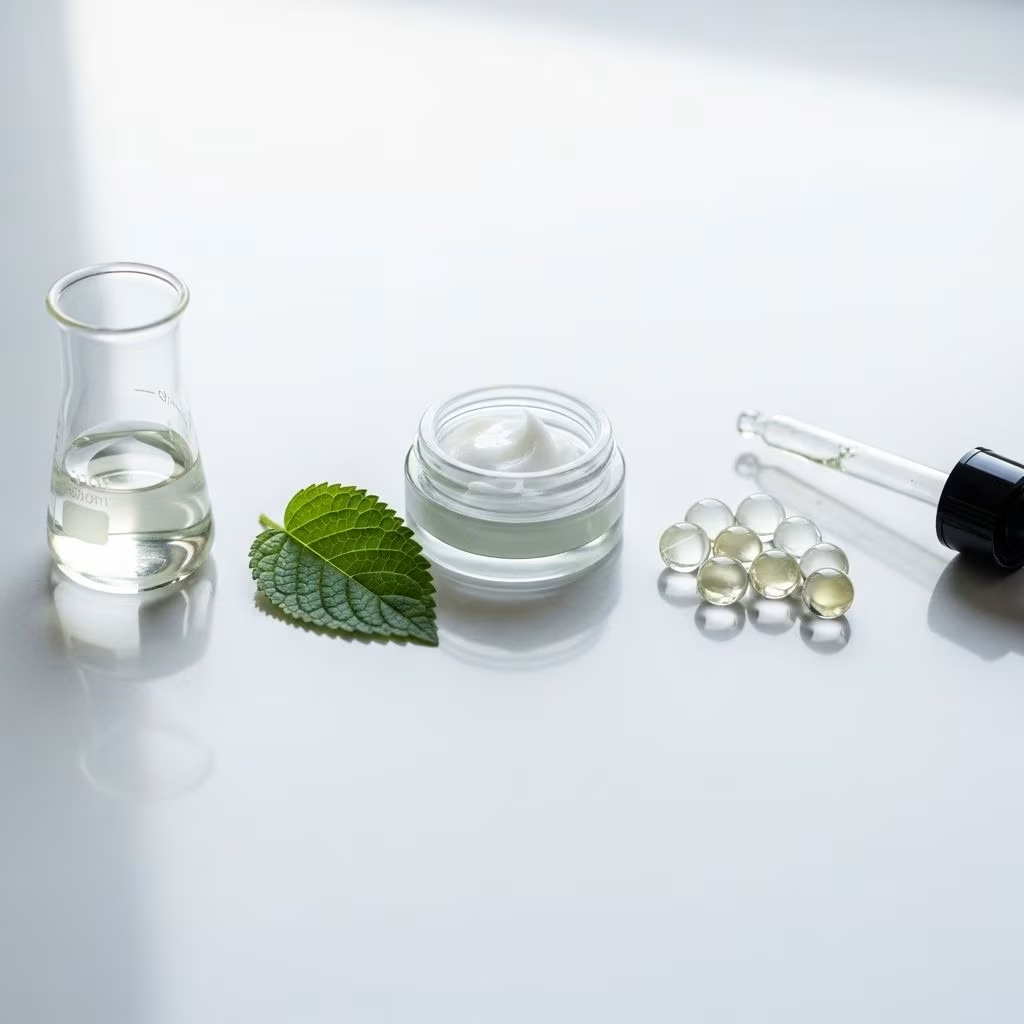
Category: Skincare
To maximize the results achieved from skincare “actives”—ingredients that have direct biological impact on the skin—effective skin preparation isn’t just beneficial, it’s essential. Skipping or rushing this foundational process can reduce the efficacy of actives, trigger irritation, or even accelerate unwanted side effects. In this extensive guide, discover the principles, methods, and science of skin prep before active application, and learn how to build a customized protocol for optimal skin health and longevity.
Why Skin Prep Matters for Actives
Applying highly potent skincare actives without proper skin prep can result in decreased efficacy, wasted product, irritation, and sensitization. Modern actives are formulated to address specific concerns, from acne to pigmentation and aging, but their power comes with a requirement: a clean, balanced canvas. Prep steps serve to:
- Enhance absorption of actives into targeted skin layers
- Decrease potential irritation by removing debris and adjusting skin pH
- Promote even application, ensuring consistent results
- Improve barrier function recovery post-application
Understanding Skincare Actives
Actives are ingredients with targeted biological activity—such as retinoids, vitamin C, hydroxy acids (AHAs/BHAs), peptides, and antioxidants. Their effectiveness depends not only on concentration but also on the condition of the receiving skin surface. Many require certain conditions (e.g., specific pH range, absence of oils or occlusives) to function optimally. Therefore, the prep regime should be tailored to the chemistry and absorption profile of the chosen active.
Fundamental Steps in Skin Preparation
There is no single “best” routine, but most effective protocols include:
- Cleansing: Removing toxins, oil, and residues
- Optional Exfoliation: Mechanical or chemical—depends on skin type and active
- pH adjustment: Preparing the acid mantle
- Hydration: Non-occlusive, water-based hydration
- Specific Prep for Medical or High-Strength Actives: Antiseptic or sanitized skin surface may be required
Cleansing: The First Critical Step
Why it’s crucial: Cleansing eliminates surface debris, oil, and pollutants, reducing the barrier to active penetration. A residue-free face is especially important for ingredients with poor permeability or instability in the presence of sebum. For certain clinical applications (e.g., pre-procedure, prescription actives), cleansing is mandatory to avoid infection and ensure efficacy.
Key cleansing options include:
- Gentle, pH-balanced cleansers: Non-stripping, ideal for daily use
- Micellar water: Good for sensitive, dry, or reactive skin
- Double cleansing: Oil-based followed by water-based cleanser for heavy sunscreen or makeup users
| Cleansing Type | Best For | When to Avoid |
|---|---|---|
| Foaming/gel cleanser | Normal, oily, acne-prone | Very dry, mature skin |
| Cream/milky cleanser | Dry, sensitive, mature | Oily, acne-prone skin |
| Oil-based cleanser | Heavy sunscreen/makeup, all types | None (unless fungal acne prone) |
Exfoliation: Enhancing Penetration
Exfoliation removes excess stratum corneum cells, temporarily enhancing penetration of actives such as retinoids, vitamin C, and hydroxy acids. Types of exfoliation:
- Chemical exfoliants: AHAs (glycolic, lactic) and BHAs (salicylic acid) address dullness, congestion, and roughness
- Enzyme exfoliants: Gentler, using fruit or microbial enzymes for mild smoothing
- Mechanical exfoliants: Scrubs and physical brushes—use with caution, as they can cause micro-abrasions
Note: Exfoliation should not be performed immediately before applying highly irritating actives (like strong retinoids) to prevent barrier disruption and excessive irritation.
pH Balance and Buffering
Many actives work optimally within specific pH ranges. For example, vitamin C (ascorbic acid) is best absorbed at a pH below 3.5, while retinoids are most active at neutral to slightly acidic pH. Post-cleansing, a gentle, alcohol-free toner or pH-adjusting mist can help restore skin’s natural acidity (the acid mantle), particularly after cleansing with alkaline products. Overly alkaline skin can hinder absorption and increase susceptibility to irritation and pathogens.
Hydration and Barrier Support
Well-hydrated skin allows for better active absorption, while a compromised barrier can increase the risk of irritation. Hydrating toners, essences, or lightweight serums containing glycerin, hyaluronic acid, or panthenol are ideal. Avoid heavy occlusives prior to active application, unless specifically directed, as these can inhibit ingredient penetration.
- Barrier support is essential for actives known to cause irritation. Supportive ingredients or barrier primers may contain ceramides, squalane, or niacinamide (when compatible).
Antisepsis and Hygiene in Clinical or High-Potency Contexts
Some actives (strong prescription retinoids, antibiotics, pre-surgical antimicrobials) require sterile or near-sterile application environments. Professional protocols may utilize clinical antiseptics such as:
- Chlorhexidine gluconate
- Povidone-iodine
- Isopropyl alcohol swabs
These antiseptics reduce surface bacteria and decrease risk of infection, a vital consideration in dermatologic procedures or compromised skin conditions. For home users, hand hygiene and fresh, clean towels/tools are crucial.
Timing and Layering Strategies
The sequence and timing of active application can make a dramatic difference. Some actives must be applied immediately after prep, while others can be layered with short intervals to minimize irritation.
- Apply actives to slightly damp (not wet) skin to boost absorption of hydrophilic molecules (e.g., hyaluronic acid, ascorbic acid)
- Allow a buffering period if using multiple actives—wait at least 10-20 minutes between products with widely different pH requirements
- Topical retinoids and exfoliants are best applied at night, when skin is less exposed to environmental stressors
Customizing for Skin Type and Actives
Skin preparation is not a one-size-fits-all process. Consider:
- Dry/Sensitive skin: Avoid aggressive cleansers or frequent exfoliation; favor milky cleansers, gentle hydrating toners, minimal actives
- Oily/Acne-prone skin: Light gels or foams, regular (but not excessive) chemical exfoliation, alcohol-free toners
- Aging or photo-damaged skin: Gentle cleansing and barrier repair; peptides, antioxidants, retinoids (with support)
- Darker skin types: Avoid over-exfoliation; focus on gentle pigment-brightening actives and strict barrier maintenance
Common Mistakes and How to Avoid Them
- Using harsh cleansers or over-exfoliating, leading to barrier impairment
- Applying actives to unwashed, oily, or residue-laden skin
- Mixing incompatible actives (e.g., vitamin C and niacinamide without proper pH adjustment)
- Skipping patch tests with new actives, risking pronounced irritation or allergic response
- Neglecting hand and tool hygiene before application
Frequently Asked Questions (FAQs)
Q: Should I exfoliate every time before using actives?
A: No, exfoliating too frequently can damage the skin barrier. Limit chemical exfoliation to 1-3 times per week based on skin type, and avoid using strong exfoliants immediately before high-strength actives unless directed by a professional.
Q: What is the optimal skin pH for applying actives like vitamin C or retinol?
A: Vitamin C (ascorbic acid) is best at a pH below 3.5, while retinol/retinoids are optimal at a neutral to slightly acidic pH (around 5.5). Use pH-balanced toners or mists accordingly.
Q: Can I use a moisturizer before actives?
A: Generally, apply actives on clean, bare skin, then follow with moisturizer once the active has absorbed. In rare cases (extremely sensitive skin), a light moisturizer can be used first as a buffer, but this may reduce efficacy.
Q: Is it necessary to sanitize the skin with antiseptics before using at-home actives?
A: No, clinical antisepsis is generally unnecessary for routine cosmetic use. Thorough cleansing and hand hygiene are sufficient. Antiseptics are reserved for medical, procedural, or infection-prone scenarios.
Q: How soon after cleansing should I apply my actives?
A: Within a few minutes, once the skin is slightly damp but excess water has evaporated. This timing maximizes absorption and minimizes adverse reactions.
References
- Clinical and patent literature on non-sticky, well-absorbed skin preparations for actives and pharmaceuticals.
- Guidelines and scientific reviews of skin antisepsis and preparation in medical and surgical settings.
- Dermatological consensus on actives, pH, and product layering strategies.
References
- https://patents.google.com/patent/US5993830A/en
- https://www.ncbi.nlm.nih.gov/books/NBK507853/
- https://www.bd.com/en-us/products-and-solutions/products/product-brands/chloraprep
- https://www.ncbi.nlm.nih.gov/books/NBK174549/
- https://betadine.com/medical-professionals/betadine-surgical-scrub/
- https://www.bd.com/en-us/resource-and-education/documentation-landing-page/blogs/what-is-surgical-skin-preparation-and-why-it-matters
- https://spice.unc.edu/wp-content/uploads/2022/12/Hand-Hygiene-and-Use-of-Antiseptics-for-Skin-Preparation.pdf
- https://www.accessdata.fda.gov/drugsatfda_docs/label/2006/020832s016lbl.pdf


