


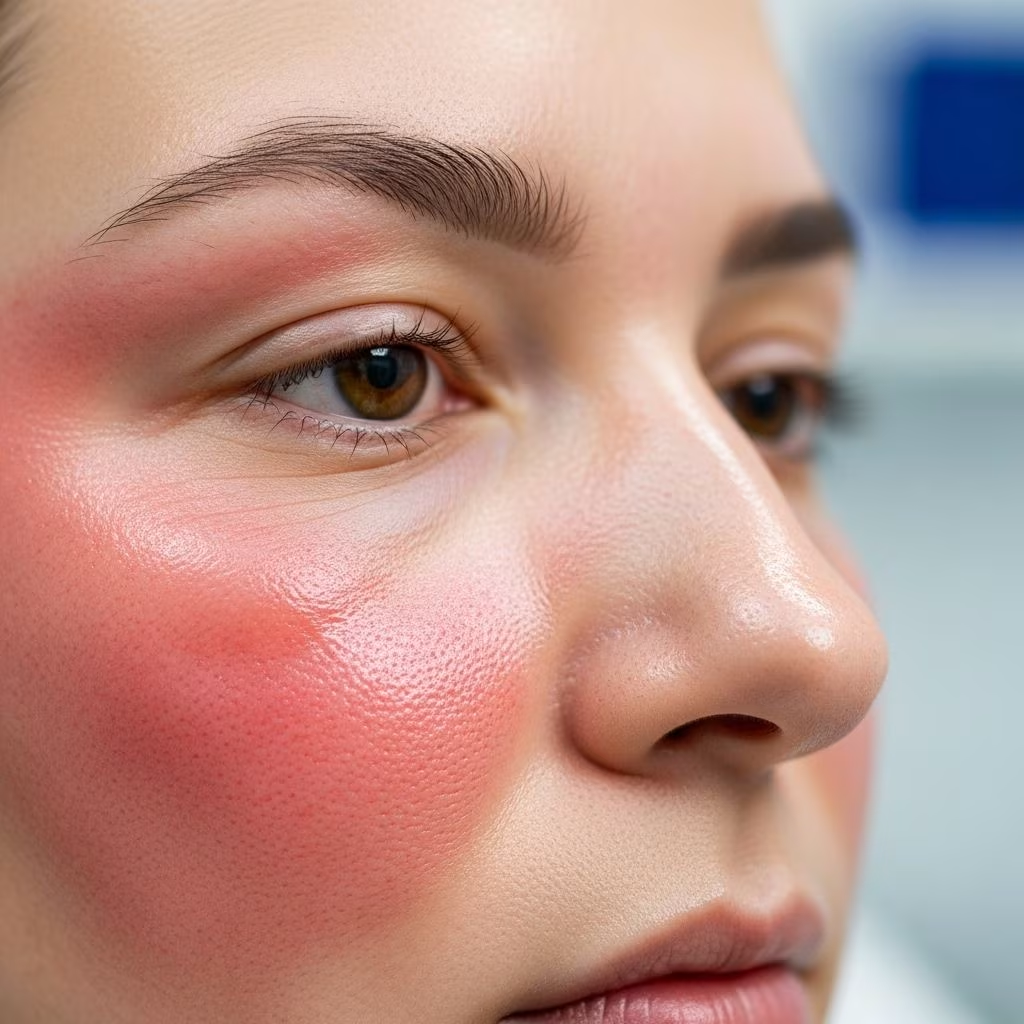
Laser treatments, whether for rejuvenation, pigmentation, or vascular concerns, are among the most effective dermatological procedures. However, they commonly lead to temporary redness and swelling, which can be concerning and uncomfortable for patients. Proper aftercare is essential to promote safe healing, minimize side effects, and achieve your desired results. This guide provides a comprehensive, day-by-day approach to managing post-laser redness and swelling, supported by expert recommendations and clinical best practices.
What to Expect After Laser Treatment
Understanding the normal healing process will help you feel more confident and in control of your post-treatment journey. Immediately after laser therapy, it’s typical to experience:
- Redness and Swelling: These are universal effects within minutes of most laser procedures. Swelling is more prominent near sensitive areas such as the eyes, persisting for 3–5 days in most cases.
- Heat Sensation or Burning: Treated areas may feel warm, much like a sunburn, for several hours after treatment.
- Crusting, Oozing, or Flakiness: Mild crusts can develop, often resolving naturally within 5–7 days. It’s essential not to pick at them.
- Bruising: Especially after vascular laser, bruising is possible, generally lasting up to 7–10 days.
- Persistent Redness: In some individuals, pinkish-redness may linger for up to 2–3 weeks (face) or even longer on some body areas.
Factors That Affect Redness & Swelling Duration
- Type and depth of laser used (CO2, fractional, vascular, ablative vs. non-ablative)
- Area of the body treated (face typically heals faster than chest or hands)
- Personal healing characteristics, skin type, and pre-existing inflammation
- Quality of aftercare and adherence to recovery recommendations
7-Day Post-Laser Recovery Schedule
| Day | Key Effects | Recommended Care |
|---|---|---|
| Day 1 | Intense redness, swelling, heat/burning sensation |
|
| Day 2 | Peak swelling and redness, mild oozing/crusting possible |
|
| Day 3 | Swelling begins to subside, redness remains prominent, possible crusting/flaking |
|
| Day 4 | Noticeable reduction in swelling; redness slowly fades |
|
| Day 5–6 | Swelling resolved or nearly so; color normalizes; possible faint pink tones |
|
| Day 7 | Majority of healing complete; minor dryness/redness may persist |
|
Note:
Some redness, pigmentation changes, or sensitivity can persist for several weeks, particularly after ablative or fractionated laser procedures. Always follow your provider’s individualized plan.
Do’s and Don’ts for Redness & Swelling
- Do apply ice packs or cold compresses—always wrapped in a soft cloth—to reduce swelling.
- Do keep treated skin clean and moisturized, favoring gentle, fragrance-free products.
- Do sleep with your head elevated for the first 4–7 days to decrease swelling.
- Do use mineral (physical) sunscreen with broad-spectrum protection every day, indoors and outdoors.
- Do use hands—not cloths or brushes—to cleanse your skin softly, and always blot, never rub, dry.
- Do avoid heat, sweating, and vigorous exercise for at least one week post-laser.
- Don’t rub, pick, scratch, or apply pressure to the treated area for at least 48 hours (longer if irritated).
- Don’t use harsh or alcohol-based toners, acidic exfoliants, or retinoids until your provider approves.
- Don’t expose your skin to direct sunlight; wear hats and sunglasses when outdoors.
- Don’t wear makeup (especially heavy or liquid foundation) for at least 72 hours, unless permitted.
- Don’t swim, visit saunas, or bathe in very hot water until your skin barrier is fully healed.
Top Skincare Tips for Healing
- Opt for a gentle cleanser and tepid water—avoid foaming cleansers, exfoliants, or textured wipes.
- Apply thick ointment or recovering balm (such as Aquaphor, EltaMD Laser Enzyme Gel, or provider’s recommended product) liberally after cleansing and whenever your skin feels dry.
- If prescribed, use antiviral or antibiotic medications exactly as directed, especially if prone to cold sores.
- Consider vitamin K cream for bruising under professional guidance to support quicker clearing.
- Check all makeup brushes for cleanliness before resuming cosmetic use to prevent infection.
- Always patch-test any new skincare products before full application once healing is underway.
- If itching at night leads to scratching, wear soft cotton gloves to bed.
- Stay hydrated and maintain a healthy diet to support skin’s natural repair processes.
When to Seek Medical Advice
- Sudden, severe increase in pain beyond the first couple of days.
- Development of blisters, open sores, golden yellow crust, or bleeding not controlled by light pressure.
- Fever, chills, or signs of infection including pus or spreading redness.
- Persistent, severe swelling not improving after 5 days, or increased swelling after intially subsiding.
- Vision changes (if around the eyes), or inability to wear contact lenses comfortably after 4 days.
- Unexpected skin discoloration or thickening at the treatment area.
It is always better to consult your dermatologist if you are unsure about any aspect of your recovery or if your skin shows unexpected reactions.
Frequently Asked Questions (FAQs)
Q: How long does redness usually last after a laser treatment?
A: Redness typically peaks between days 2–4 and subsides by the end of the first week. For some, faint pinkness may persist for a few more weeks, especially with more aggressive lasers or in sensitive areas like the chest or hands.
Q: What is the most effective way to decrease swelling after laser?
A: Consistent use of cold compresses (never ice directly on the skin), head elevation during rest, and gentle cleansing/moisturizing are proven strategies to minimize swelling.
Q: When can I safely return to my regular skincare routine?
A: After one week, most patients can resume gentle cleansers and moisturizers, but actives such as acids, retinoids, and exfoliants should be reintroduced only when cleared by your provider.
Q: Is makeup allowed during the recovery process?
A: Mineral-based cosmetics may be resumed after 72 hours if there are no open crusts or scabs. Ensure brushes/sponges are thoroughly clean to prevent infection.
Q: What should I do if crusts or scabs develop?
A: Do not pick, rub, or scratch. Apply a healing ointment as directed. Picking may cause scarring, infection, or discoloration.
Q: Can I exercise after my laser procedure?
A: Avoid strenuous exercise, sweating, and all forms of excess heat for at least a week post-laser to reduce the risk of prolonged redness and irritation.
Q: How can I prevent hyperpigmentation after laser?
A: Consistent use of broad-spectrum mineral sunscreen, strict sun avoidance, and following all aftercare instructions are key. Those with darker skin tones or previous pigment issues should discuss preventive options with their provider.
Conclusion
Effective management of redness and swelling after laser treatments hinges on a combination of cold compresses, thoughtful skincare routines, sun protection, and vigilant avoidance of irritants. Adhering closely to your dermatologist’s recommendations, focusing on gentle care, and recognizing when to seek medical advice are all central to a smooth recovery and maximized treatment results. Each person’s healing timeline is unique, so patience and protection are your strongest allies on this journey to renewed, radiant skin.
References
- https://www.ohsu.edu/dermatology/cosmetic-after-care-instructions
- https://dlcnw.com/wp-content/uploads/2024/04/LA-Vascular-Pre-Post-Care-2024.pdf
- https://bellissimoplasticsurgery.com/2025/01/20/post-laser-care-with-bellissimo-your-guide-to-maximizing-results-and-minimizing-downtime/
- https://www.ctfacialplasticsurgery.com/blog/how-to-care-for-your-skin-after-laser-treatments/
- https://drzubowski.com/postoperative-care-procedure-specific-laser-skin-resurfacing/
- https://www.rebeccafitzgeraldmd.com/los-angeles-laser-treatments/halo/treatment-guidelines/
- https://www.mskcc.org/cancer-care/patient-education/skin-care-after-fractionated-carbon-dioxide-laser-treatment
- https://my.clevelandclinic.org/health/treatments/11015-laser-skin-resurfacing


