


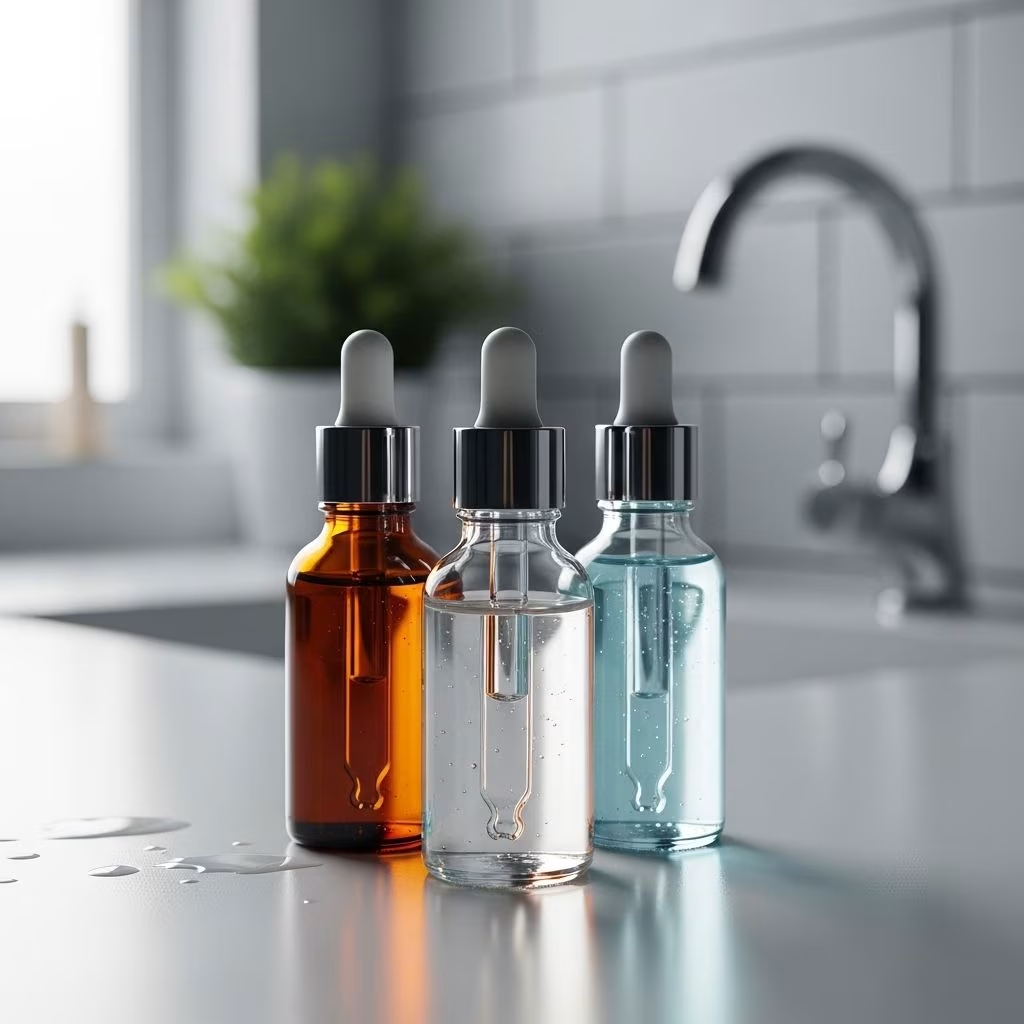
Incorporating retinoids and exfoliating acids into your skincare regimen can deliver transformative results—unveiling smoother, brighter, and younger-looking skin. However, blending these powerful actives requires a precise approach to avoid irritation and maximize benefits. This comprehensive guide demystifies the evidence-based, safe protocol for combining retinoids with acids, helping every skin type achieve optimal outcomes.
Understanding Retinoids & Acids
Before formulating your routine, it’s essential to understand what retinoids and acids do, and how they work.
What Are Retinoids?
Retinoids are Vitamin A derivatives known for their ability to:
- Accelerate cell turnover
- Reduce the appearance of fine lines and wrinkles
- Treat acne and improve skin clarity
- Lighten hyperpigmentation and boost collagen production
Common types include retinol, retinaldehyde, tretinoin, and newer-generation compounds like adapalene and trifarotene.
What Are Exfoliating Acids?
Exfoliating acids—collectively called hydroxy acids—remove the outer layer of dead skin cells, revealing brighter, fresher skin beneath. The most common families are:
- AHAs (Alpha-Hydroxy Acids): Glycolic acid, lactic acid, mandelic acid—water-soluble, improve texture and radiance, good for dry or mature skin.
- BHAs (Beta-Hydroxy Acids): Salicylic acid—oil-soluble, penetrates pores, excellent for oily or acne-prone skin.
- PHAs (Polyhydroxy Acids): Gluconolactone—gentler, suitable for sensitive skin due to larger molecule size.
Benefits & Risks of Combining Retinoids and Acids
Potential Benefits
- Synergistic Effects: Combining can address multiple concerns—acids exfoliate for smoother skin, while retinoids work deeper to stimulate renewal and collagen production.
- Enhanced Penetration: Exfoliation from acids can enhance retinoid penetration, improving efficacy for issues like hyperpigmentation and wrinkles.
Potential Risks
- Irritation: Using both simultaneously without building tolerance may lead to redness, dryness, flaking, burning, or peeling skin.
- Compromised Skin Barrier: Overuse of actives may weaken the skin barrier, leading to increased sensitivity and breakouts.
- Photosensitivity: Both actives increase sun sensitivity, risking hyperpigmentation or sun damage if not paired with daily sunscreen use.
Is Combining Always Safe?
It is safe only if introduced slowly, with attention to skin reactions and routine adjustments.
Skin Type Considerations
Not all skin types react the same way to active ingredients. Choose your combination and protocol based on your needs:
- Dry or Mature Skin: Favor AHAs (e.g., glycolic or lactic acid) and a hydrating retinoid formulation.
- Oily or Acne-Prone Skin: Opt for BHAs (salicylic acid) and retinoids, but avoid over-exfoliation.
- Sensitive or Reactive Skin: Prefer PHAs (gentler exfoliators) and low-concentration retinoids; introduce one product at a time.
Safe Protocols for Combining Retinoids and Acids
There are three main ways to safely combine these actives in your routine:
1. Alternate Night Protocol
- Use your exfoliating acid one night, and your retinoid the next, without overlap.
- This regimen minimizes irritation and supports skin barrier integrity.
2. Time Separation Protocol (Same Day)
- Apply acids in the morning, retinoids at night (or vice versa).
- Maintain 8–12 hours between actives for maximal safety and efficacy.
- Always follow acids with an SPF in the morning.
3. Gradual Introduction Protocol
- Start by introducing one active (either retinoid or acid) two or three times a week.
- Once skin adapts, introduce the second active on different days, and monitor for signs of irritation.
- Increase frequency gradually if skin tolerates it.
Best Practices: Building a Safe Routine
- Patch Test: Always patch test any new product before full-face application.
- Hydration: Use hydrating serums and moisturizers (e.g., hyaluronic acid) to support skin barrier and reduce dryness.
- SPF Protection: Wear broad-spectrum sunscreen daily when using any exfoliating or retinoid product.
- Monitor Tolerance: If you experience persistent redness, burning, or peeling, reduce the frequency of actives and consult a dermatologist.
- Layer Wisely: Avoid layering both acid and retinoid in the same application without dermatological guidance. Instead, apply one and wait for skin adjustment before layering.
Ingredient Combination Table
| Active Ingredient 1 | Active Ingredient 2 | Preferred Protocol | Special Notes |
|---|---|---|---|
| Retinol | Glycolic Acid (AHA) | Alternate nights or time separation | Start slow; increased risk of irritation |
| Retinol | Lactic Acid (AHA) | Alternate nights | Lactic acid is milder than glycolic; better for sensitive skin |
| Retinol | Salicylic Acid (BHA) | Time separation (morning/evening) or alternate nights | Great for acne-prone skin; monitor for dryness/peeling |
| Retinol | Gluconolactone (PHA) | May use together; PHAs are gentler | Good for sensitive/reactive skin |
| Retinol | Hyaluronic Acid | Layer together | Recommended; hyaluronic acid counteracts dryness |
Tips for Preventing Irritation
- Introduce Actives Gradually: Build up tolerance before increasing application frequency.
- Avoid Overlapping Strong Actives: Do not use multiple potent acids and retinoids at once, especially if your skin barrier is not robust.
- Buffering Products: Apply a gentle moisturizer before or after actives to create a buffer and reduce irritation.
- Listen to Your Skin: Discontinue or reduce use if excessive peeling, burning, or redness occurs.
- No Physical Scrubs: Avoid using mechanical exfoliants (scrubs) alongside acids and retinoids, as this significantly raises irritation risk.
- Consider Product Formulation: Pre-formulated products (e.g., serums containing both retinol and an acid at safe concentrations) may be a suitable option for experienced users, as these are balanced for safe co-application.
Common Myths and Frequently Asked Questions
Myth 1: “You can never mix retinoids and acids in any form.”
Fact: They can be combined safely with alternate or time-separated use, not necessarily simultaneously.
Myth 2: “Combining retinoids and acids always peels your skin off.”
Fact: Peeling occurs only with overuse or lack of proper introduction; gradual protocols minimize this risk.
Frequently Asked Questions (FAQs)
Q: Can I use retinoids with AHAs or BHAs every day?
A: Daily use of both is not recommended for most people, especially beginners. Alternate application or spacing them out by at least 8–12 hours is safer.
Q: Is using a combination product (with both retinoid and acid) safer?
A: If a product is professionally formulated to combine both, and your skin is acclimated, it can be safe. For home layering, stagger application frequency for safety.
Q: How should I layer these actives?
A: Do not apply retinoids and acids one after the other in the same routine unless using a combined product specifically designed for this purpose. Buffer with moisturizer if needed.
Q: What if skin gets irritated?
A: Reduce usage, increase hydration, and use barrier-repairing creams. Discontinue actives temporarily if irritation persists. Slowly reintroduce one at a time as tolerance builds.
Q: Do I need sunscreen?
A: Yes—always. Both actives increase sun sensitivity, making SPF essential to prevent photodamage and dark spots.
When to Consult a Dermatologist?
- Persistent burning, itching, or peeling
- Development of severe redness, swelling, or raw patches
- Chronic dryness or stinging that isn’t alleviated by moisturizers
- If treating complex skin conditions (such as rosacea, eczema, or cystic acne)
For tailored advice and prescription-strength product recommendations, always seek professional consultation.
Summary & Key Takeaways
- Combining retinoids and acids is highly effective—but requires staged and strategic introduction for each unique skin type.
- Stagger application—alternate nights or separate by at least 8–12 hours; never rush the adaptation period.
- Monitor your skin’s response, buffer with hydrators, and protect religiously with SPF.
- Start low and go slow: The safest path to radiant, resilient skin lies in patience and caution.
- When in doubt, consult a board-certified dermatologist for a personalized regimen.
References
- https://www.medik8.com/pages/acids-retinoids-how-to-use-them-in-your-skincare
- https://www.victoriandermalgroup.com.au/information-centre/how-to-use-ahas-bhas-and-retinol-in-your-daily-skincare-routine
- https://www.katesomerville.com/blogs/news/can-you-use-salicylic-acid-with-retinol
- https://theordinary.com/en-us/blog/definitive-guide-using-retinoids.html
- https://www.usdermatologypartners.com/blog/ingredients-to-pair-with-retinol/
- https://www.healthline.com/health/beauty-skin-care/aha-and-retinol
- https://pmc.ncbi.nlm.nih.gov/articles/PMC8750127/
- https://eightsaintsskincare.com/blogs/page-eight/the-ultimate-guide-to-mixing-retinol-with-other-skincare-ingredients
- https://lovekinship.com/blogs/news/how-to-use-vitamin-c-serum-and-hyaluronic-acid-and-retinol


