


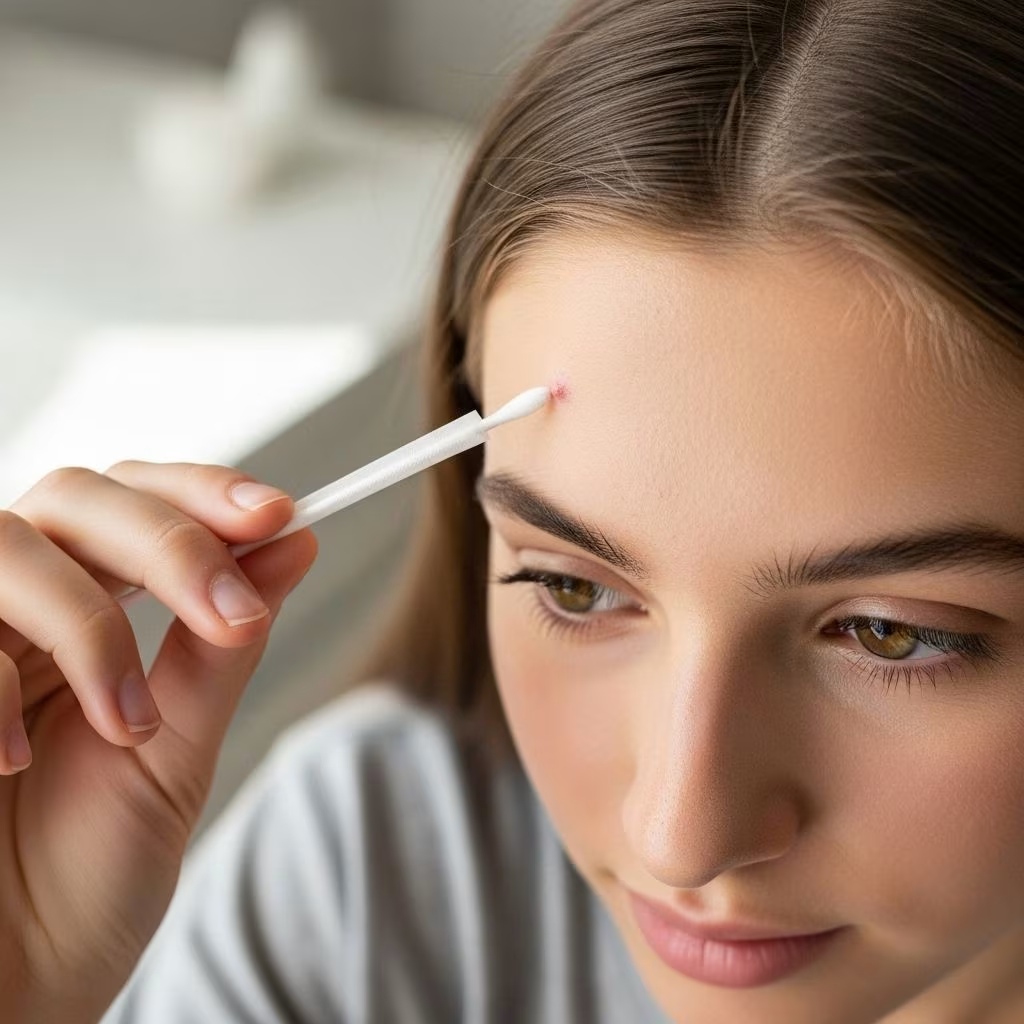
Acne can be a frustrating and embarrassing part of adolescence, especially when a pimple appears at the worst possible moment. While it may be tempting to pop a pimple, doing so incorrectly can lead to serious complications like infection and scarring. In this guide, we will explore the safest methods for dealing with pimples, including preparation, technique, and aftercare.
Understanding Pimples
Pimples are caused by clogged pores, which can occur due to a combination of factors such as oil production, bacteria, dead skin cells, and sometimes even hair. They can manifest in different forms:
- Whiteheads are closed comedones with a white, pus-filled top.
- Blackheads are open comedones where the trapped material has oxidized and turned dark.
- Papules are pink bumps that can be painful.
- Pustules resemble whiteheads but have pus on the surface.
- Cysts and Nodules are deep, painful pimples that can lead to scarring.
Preparation
Before attempting to pop a pimple, ensure you have prepared properly:
- Start by washing your hands and face to prevent infection.
- Use a warm compress or washcloth to soften the pimple and help it form a whitehead if it doesn’t already have one.
- Consider using over-the-counter (OTC) medications such as salicylic acid or benzoyl peroxide to help open up pores and reduce inflammation.
Safe Popping Techniques
Although popping pimples at home is generally discouraged, if you must do so, follow these steps carefully:
- Whiteheads: Sterilize a needle with alcohol and gently prick the top of the pimple. Then, apply gentle pressure to the outer edges with either your fingers or cotton swabs.
- Blackheads: Gently apply pressure to the outer edges with your fingers or cotton swabs. Since blackheads are open pores, you don’t need to prick them.
- Pustules: Use a hot compress to draw the pus closer to the surface. If necessary, use a sterilized needle to create an exit point, then apply gentle pressure.
Remember, if the pimple does not pop easily, stop and wait a few days. Aggressive squeezing can lead to more inflammation and scarring.
Aftercare
After popping a pimple, it’s crucial to properly care for the affected area to prevent infection and promote healing:
- Wash your hands and face again to remove any bacteria.
- Apply an antibiotic ointment to prevent infection.
- Use a pimple patch or zit sticker, which contains hydrocolloid gel, to help reduce inflammation and promote skin repair.
- Apply ice to reduce swelling.
Alternatives to Popping
Given the risks associated with popping pimples, it’s often best to seek professional advice or use alternative treatments:
- Consult a Dermatologist: Dermatologists can perform acne extraction safely using sterile equipment, reducing the risk of infection and scarring.
- Use Topical Treatments: Over-the-counter and prescription medications can effectively treat pimples without the need for popping.
- Prevent Acne: Maintain good skincare habits, such as regular cleansing and using sunscreen, to prevent acne from forming in the first place.
Risks of Popping
Popping pimples yourself can lead to several complications:
- Infection: Bacteria from your hands can infect the pimple, leading to more severe acne.
- Scarring: Aggressive popping can push bacteria and pus deeper into the skin, resulting in acne scars.
- Increased Inflammation: Popping can cause redness and swelling, making the pimple more noticeable.
Frequently Asked Questions (FAQs)
Q: Is it safe to pop a pimple with a needle?
A: While it might seem like a quick fix, using a needle to pop a pimple is not recommended unless the needle is properly sterilized. Even then, it’s risky and can lead to infection or scarring.
Q: How can I prevent pimples from forming?
A: Maintaining good skincare habits, such as regularly washing your face, using non-comedogenic products, and avoiding picking at your skin, can help prevent acne.
Q: Are pimple patches effective?
A: Yes, pimple patches can be effective in reducing inflammation and promoting healing after popping a pimple. They contain hydrocolloid gel that helps in skin repair.
Q: Why should I see a dermatologist instead of popping pimples myself?
A: Dermatologists have the expertise and equipment to safely extract pimples, reducing the risk of infection and scarring. They can also provide personalized advice on how to treat and prevent acne.
References
- https://www.nm.org/healthbeat/healthy-tips/quick-dose-is-there-a-safe-way-to-pop-a-pimple
- https://health.clevelandclinic.org/pimple-popping-101-how-to-safely-zap-your-zits
- https://www.aad.org/public/diseases/acne-and-rosacea/pimple-popping-why-only-a-dermatologist-should-do-it
- https://kidshealth.org/en/teens/popzit.html
- https://www.healthychildren.org/English/health-issues/conditions/skin/Pages/What-Causes-Acne.aspx
- https://www.youtube.com/watch?v=oZRZzGWQMiM
- https://macarthurmc.com/teenage-pimple-popping-resist-the-urge-to-pop-that-zit/


