


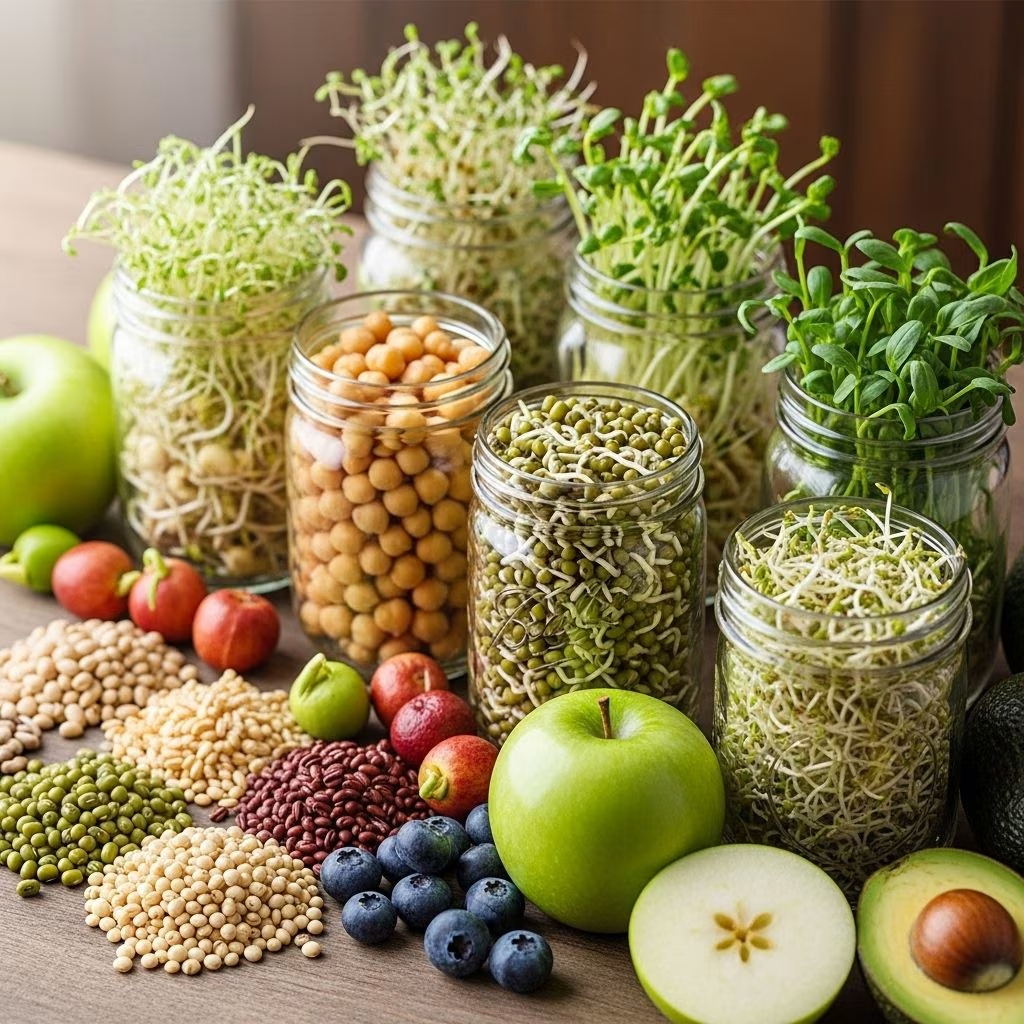
Discover how sprouting beans and grains at home can transform simple seeds into powerful nutritional allies. This guide explores the science, practical methods, and health-boosting potential of home sprouting for families looking to enhance their diet naturally and deliciously.
Introduction to Sprouting
Sprouting is the ancient process of germinating seeds, beans, or grains until they develop tiny shoots and awaken their full nutritional potential. This simple kitchen technique harnesses nature’s way of starting new plant life, transforming dormant seeds into living foods brimming with enhanced vitamins, minerals, and other beneficial nutrients.
Long practiced in cultures across Asia, the Middle East, and beyond, sprouting is now experiencing a renaissance among families focused on wholesome eating, plant-based diets, and do-it-yourself nutrition.
The Science Behind Sprouting
What makes sprouting so special? At its core, sprouting triggers a cascade of enzymatic reactions that ‘unlock’ stored nutrients inside beans and grains. During this phase, the seed draws upon its supply of protein, starches, fats, and micronutrients to fuel the young plant’s growth. For the home cook, this transformative process measurably increases a food’s nutritional value, digestibility, and flavor.
- Enzyme activation: Sprouting wakes up endogenous enzymes, which help break down starches and proteins into simpler, more absorbable forms.
- Reduction of antinutrients: Compounds like phytates and tannins, which hinder mineral absorption in the digestive tract, are broken down during sprouting, freeing up minerals for easy human absorption .
- Synthesis of new nutrients: Sprouts develop increased concentrations of vitamins (such as vitamin C and certain B vitamins) and vital phytonutrients.
This natural process doesn’t just make beans and grains healthier; it can also make them tastier, less bitter, and easier on sensitive stomachs .
Nutritional Benefits of Sprouting Beans & Grains
Sprouted beans and grains are celebrated by nutritionists and medical experts alike for their unique advantages over mature or unsprouted seeds.
Key Benefits at a Glance
- Higher vitamin and mineral content: Sprouted foods contain more folate, iron, vitamin C, zinc, and magnesium than their unsprouted counterparts .
- Enhanced protein quality: Amino acid profiles are improved, making plant proteins more complete and digestible .
- Increased fiber content: Sprouting can both preserve and increase insoluble fibers, supporting healthy digestion and gut health .
- Lowered antinutrient levels: By reducing phytates and other inhibitors, sprouted foods allow for greater absorption of zinc, iron, calcium, and other minerals .
- Boosted antioxidants: Enzymatic changes during sprouting elevate antioxidant levels that protect against cell damage and inflammation .
- Improved digestibility: Enzyme activation reduces compounds that cause bloating or discomfort, making sprouted beans and grains easier to tolerate, even for those sensitive to legumes or gluten .
Table: Nutrient Changes in Sprouted vs. Unsprouted Foods
| Nutrient | Regular Beans/Grains | Sprouted Beans/Grains |
|---|---|---|
| Folate (Vitamin B9) | Moderate | High (20-50% Increase) |
| Iron | Low to Moderate | Significantly Higher (up to 50% more bioavailable) |
| Vitamin C | Negligible | Appreciable (newly synthesized) |
| Protein | Present, moderate digestibility | Present, increased and more digestible |
| Phytates (antinutrient) | High | Low |
The overall result is that sprouted beans and grains are “tiny providers of big nutrition,” according to the American Heart Association, and offer practical health support for growing children and adults alike .
Choosing Beans and Grains to Sprout
Nearly all edible beans, seeds, and grains can be sprouted, but some are especially popular and suited for home sprouting.
- Beans: Mung beans, lentils, chickpeas, adzuki, and black beans.
- Grains: Wheat, spelt, barley, rye, oats, quinoa, and brown rice.
- Seeds (for advanced sprouting): Sunflower, alfalfa, buckwheat, clover, broccoli.
When selecting beans and grains to sprout at home:
- Use organic, non-GMO whole beans and grains to avoid additives, coatings, or pesticides.
- Choose seeds labeled as “sprouting” grade for optimal germination and safety.
Not All Beans Are Created Equal
- Kidney beans should not be eaten raw when sprouted due to potential toxicity; they must be boiled thoroughly before consumption.
- Alfalfa and clover seeds are popular for microgreens but require diligent rinsing to avoid foodborne illness.
How to Sprout at Home: Step-by-Step Guide
Sprouting at home is inexpensive, requires little equipment, and only basic kitchen skills. Here’s how to get started:
Sprouting Equipment
- Wide-mouth glass jars with mesh or muslin lids
- Bowl or sprouting stand (optional, for draining)
- Filtered water
- Organic whole beans or grains
Step-by-Step Sprouting Instructions
- Soak: Place 1/4 to 1/2 cup of your chosen beans/grains in a clean jar. Cover with several inches of filtered water. Soak overnight or 8-12 hours (some grains require only 2-6 hours).
- Drain and Rinse: Pour out soak water, rinse seeds thoroughly, and drain well. Place the jar at an angle for excess water to drip out. Cover the opening with mesh or cloth secured by a rubber band.
- Repeat Rinsing: Rinse and drain the seeds at least twice daily, keeping the jar in a cool, shaded area (not direct sunlight). Proper drainage is essential to prevent spoilage.
- Watch for Sprouts: Within 1–5 days, tiny sprouts will emerge. Sprouts are typically ready when the sprout tail is about as long as the seed. Most common beans and grains are done in 2–4 days.
- Harvest: Do a final rinse and drain thoroughly. Store sprouts in the refrigerator and use within a few days.
Tip:
Discontinue the sprouting process when the new shoot is no longer than the original seed; overgrown sprouts can lose nutrients due to plant metabolism .
Safety Tips and Common Concerns
While sprouting is safe and rewarding, improper technique can sometimes cause bacterial growth (such as E. coli or Salmonella). Follow these guidelines to reduce risk:
- Always use clean equipment and fresh water.
- Rinse and drain sprouts thoroughly to prevent standing water.
- Buy “sprouting” seeds when possible for better safety testing.
- Store sprouts in the refrigerator and use within 2–4 days.
- When in doubt, lightly steam or cook sprouts before eating; this destroys any harmful bacteria but retains many benefits .
- Pregnant women, young children, elderly individuals, and immunocompromised persons should avoid eating raw sprouts for extra precaution.
Creative Ways to Use Sprouts in Family Meals
Sprouted beans and grains are exceptionally versatile. Their fresh, nutty flavors and tender-crisp texture can upgrade countless recipes. Try these ideas:
- Add to salads: Mung or lentil sprouts bring crunch and protein to mixed greens.
- Layer in sandwiches or wraps: Radish and alfalfa sprouts add zest and nutrients.
- Blend into smoothies: Wheat or oat sprouts boost fiber and minerals for breakfast.
- Mix into grain bowls: Sprouted quinoa pairs well with chickpea sprouts and roasted veggies.
- Stir into soups or curries: Lightly cooked sprouted lentils or beans maintain more nutrition.
- Use as a topping: Sprinkle sprouted grains on oatmeal, yogurt, or stir-fries for a nutritional lift.
Recipe: Quick Sprouted Lentil Salad
- 1 cup sprouted green or brown lentils
- 1 chopped cucumber
- 1 diced tomato
- Fresh parsley and lemon juice, to taste
- Toss all ingredients, season, and serve as a quick lunch or side.
Frequently Asked Questions (FAQs)
Q: Are sprouted beans and grains safe to eat raw?
Sprouts are generally safe when proper hygiene and rinsing are used. However, lightly steaming or cooking sprouted beans and grains is a good practice to eliminate any lingering bacteria, especially for vulnerable individuals .
Q: Can children eat sprouts?
Yes, but as a precaution, young children (under age 5), pregnant women, the elderly, and immunocompromised people should avoid raw sprouts and opt for lightly cooked forms instead .
Q: Which beans or grains are easiest for beginners?
Mung beans, lentils, quinoa, and wheat berries are especially forgiving, quick to sprout, and have a mild flavor, making them great starting points.
Q: How do I know if my sprouts have gone bad?
Spoiled sprouts may have a foul odor, slimy texture, or visible mold. When in doubt, discard them.
Q: Will sprouting remove gluten?
No, sprouting does not eliminate gluten from wheat, barley, or rye. Gluten-sensitive individuals should choose gluten-free grains (such as millet or quinoa) to sprout.
Q: What is the difference between sprouting and soaking?
Soaking hydrates seeds and can reduce antinutrients somewhat, but sprouting continues the transformation, activating enzymes and increasing vitamins and minerals to a much higher degree .
Conclusion
Sprouting beans and grains at home is an easy, affordable, and highly effective strategy for families to enrich their diet, boost nutrient intake, and support digestive and immune health. With minimal equipment and a little practice, anyone can transform humble seeds into superfoods, providing nourishing variety for every family table.
References
- https://seattlesutton.com/blog/the-budding-benefits-of-sprouted-grains/
- https://www.theearthandi.org/post/health-benefits-of-sprouting-and-how-to-sprout-at-home
- https://drperlmutter.com/health-benefits-sprouting-unlocking-power-vegetables/
- https://onedegreeorganics.com/sprouted-grains-the-benefits-of-sprouting-everything-you-need-to-know/
- https://www.health.harvard.edu/blog/sprouted-grains-nutritious-regular-whole-grains-2017110612692
- https://www.heart.org/en/news/2022/06/07/tiny-sprouts-provide-big-nutrition
- http://www.webmd.com/diet/health-benefits-bean-sprouts
- https://www.glnc.org.au/the-health-benefits-of-sprouting-and-soaking/


