


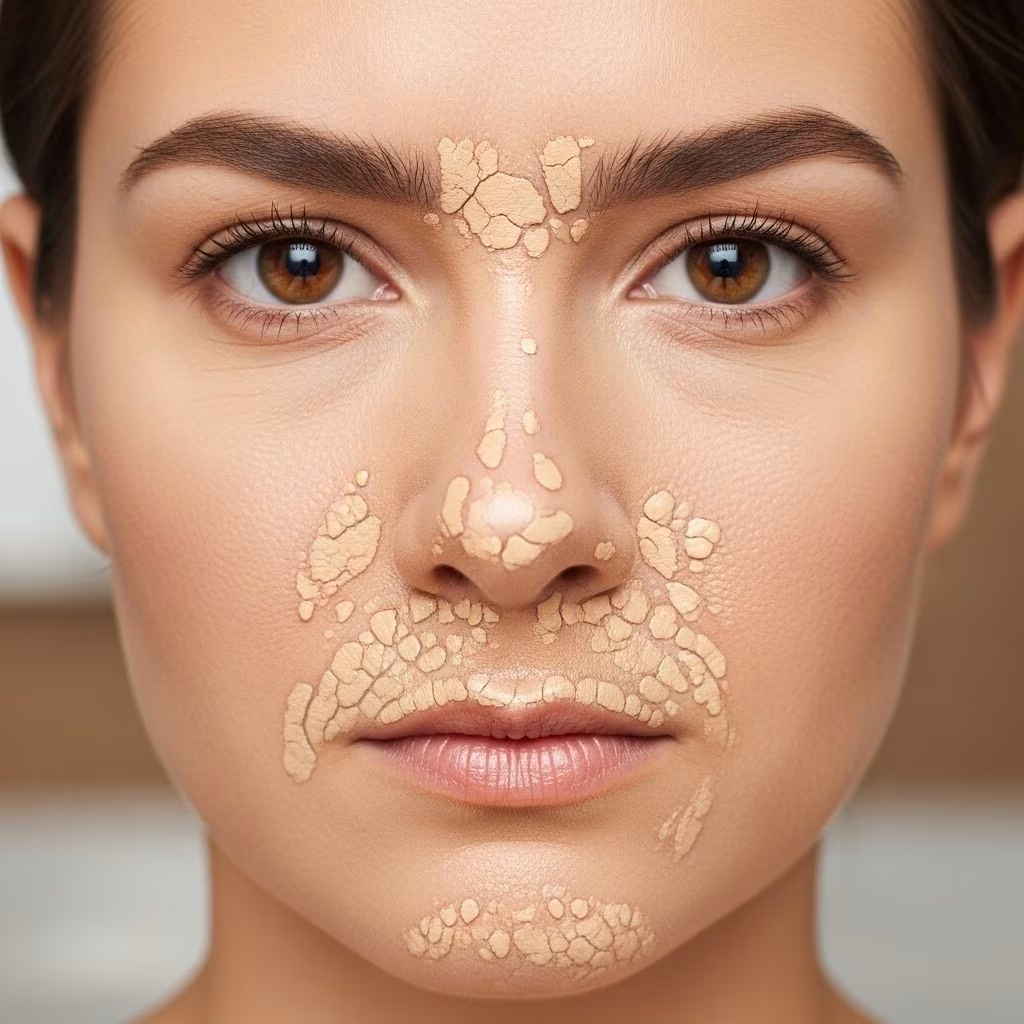
If you have ever looked in the mirror a few hours after applying your makeup only to find your foundation looking patchy, streaky, or completely broken down across your nose and forehead, you are experiencing one of the most frustrating beauty challenges: foundation separation on an oily T-zone. This common issue affects countless people with combination to oily skin types, turning what should be a flawless makeup application into a constant battle against natural oil production. Understanding why this happens and learning how to prevent it can transform your makeup routine and give you the confidence of long-lasting, beautiful coverage that stays intact from morning until night.
Understanding Foundation Separation on Oily T-Zones
Foundation separation occurs when your makeup begins to break down and become patchy on certain areas of your face, most commonly the T-zone which includes your forehead, nose, and chin. This area typically produces more sebum than other parts of your face, creating a challenging environment for makeup to adhere properly. When foundation separates, it creates an uneven, streaky appearance that can make your skin look worse than if you were not wearing any makeup at all.
The T-zone is particularly problematic because it contains a higher concentration of sebaceous glands that produce oil throughout the day. As this natural oil emerges from your pores, it essentially creates a barrier between your skin and your foundation, causing the makeup to slide off or break apart into patches. This process can begin as early as a few hours after application, depending on various factors including your skincare routine, the products you use, and environmental conditions.
Recognizing foundation separation early is important for addressing the issue effectively. The first signs typically include a shiny appearance on your nose and forehead, followed by visible patchiness where the foundation seems to have retreated from certain areas. You might notice that your pores become more visible as the foundation settles into them rather than creating a smooth surface. In severe cases, the foundation may completely disappear from the oiliest areas, leaving behind a blotchy, uneven complexion.
Primary Causes of Foundation Separation
Multiple factors contribute to foundation separation on oily T-zones, and understanding each one helps you identify which solutions will work best for your specific situation. The most significant cause is excessive oil production, which is a natural function of your skin but can be exacerbated by various internal and external factors including hormones, diet, stress, humidity, and temperature.
Improper skin preparation stands as another major culprit behind foundation separation. When you skip essential steps in your skincare routine or use products that are not suitable for your skin type, you create an unstable base for your makeup. Dry patches mixed with oily areas create an uneven texture that prevents foundation from adhering uniformly. Additionally, not allowing sufficient time between applying skincare products and makeup can lead to separation, as the products have not fully absorbed into your skin and instead create a slippery surface.
Product incompatibility represents a frequently overlooked cause of foundation separation. When you mix water-based and oil-based products, they naturally repel each other, much like oil and water in a salad dressing. If your primer is silicone-based and your foundation is water-based, they will not work together harmoniously, leading to separation and patchiness. Similarly, applying too much product, whether it is skincare or foundation, can overwhelm your skin and cause the layers to slide against each other rather than setting properly.
The wrong foundation formula for your skin type will inevitably lead to separation issues. Heavy, thick foundations designed for dry skin will sit on top of oily skin rather than melding with it, while formulas without adequate oil-control properties cannot withstand the sebum production of an oily T-zone. Environmental factors such as humidity, heat, and even touching your face throughout the day can accelerate foundation breakdown and contribute to separation.
Proper Skin Preparation Techniques
Creating the perfect canvas for foundation application begins with a thorough cleansing routine designed specifically for oily and combination skin types. Start with a gentle foaming cleanser that effectively removes excess oil, dirt, and any residual makeup without stripping your skin of essential moisture. Cleansing should be done twice daily, morning and evening, to maintain a clean base that allows your skincare and makeup to perform optimally.
Exfoliation plays a critical role in preventing foundation separation by removing dead skin cells that can create an uneven texture and prevent smooth makeup application. However, over-exfoliating can stimulate additional oil production as your skin tries to compensate for the disruption, so limit physical exfoliation to once or twice per week. Chemical exfoliants containing alpha hydroxy acids or beta hydroxy acids can be used more frequently and work particularly well for oily skin as they penetrate pores to clear out debris and regulate oil production.
After cleansing, apply a toner specifically formulated for oily or combination skin. Look for ingredients like salicylic acid, witch hazel, or niacinamide that help minimize the appearance of pores and control oil production throughout the day. Allow the toner to fully absorb into your skin before moving to the next step, which typically takes about one to two minutes. This waiting period is crucial, as rushing through your skincare routine is one of the primary causes of foundation separation.
Moisturizing might seem counterintuitive for oily skin, but it is an essential step that should never be skipped. The key is choosing the right moisturizer, which should be lightweight, oil-free, and non-comedogenic. Water-based gel moisturizers or emulsions work exceptionally well for oily T-zones as they provide necessary hydration without adding excess oil to your skin. When your skin is properly hydrated, it produces less compensatory oil, which ultimately helps your foundation stay in place longer.
Allow your moisturizer to fully absorb before applying any additional products. This absorption period should be at least five to ten minutes, giving your skin time to drink in the hydration and create a stable base. Many people make the mistake of rushing this step, applying primer or foundation on top of wet skincare products, which inevitably leads to separation and sliding. Consider completing other parts of your morning routine, such as doing your hair or choosing your outfit, during this waiting period.
Choosing the Right Products for Your T-Zone
Selecting a primer specifically designed for oily skin is one of the most effective ways to prevent foundation separation on your T-zone. Mattifying primers create a smooth, slightly tacky surface that helps foundation adhere better while also controlling oil production throughout the day. Look for primers containing ingredients like silica, which absorbs oil, or dimethicone, which creates a barrier between your skin and foundation. Some primers are specifically formulated for pore-minimizing effects, which can be particularly beneficial for oily T-zones where enlarged pores are common.
When it comes to foundation selection, the formula is paramount. Matte or semi-matte foundations specifically labeled as long-wearing or oil-free work best for oily T-zones. Powder foundations can be excellent choices as they naturally absorb oil, though they may require more frequent touch-ups than liquid formulas. If you prefer liquid foundation, look for oil-free, water-based formulas that are specifically designed for oily or combination skin types. Avoid dewy, luminous, or hydrating foundations, as these contain ingredients that will exacerbate shine and separation on oily areas.
The importance of matching your primer and foundation bases cannot be overstated. Water-based foundations should be paired with water-based primers, while silicone-based products should be used together. To determine the base of a product, check the first few ingredients listed on the label. If water or aqua appears first, it is water-based; if dimethicone, cyclopentasiloxane, or similar silicone ingredients appear first, it is silicone-based. When these bases match, your products work synergistically rather than repelling each other.
Setting products are non-negotiable for oily T-zones. Both setting powders and setting sprays serve important but different purposes in preventing foundation separation. Translucent setting powder should be applied to the T-zone after foundation to absorb excess oil and create a matte finish. Use a light hand and focus on the areas most prone to oiliness. Setting spray, applied as the final step of your makeup routine, creates a protective film over your makeup that helps it resist oil, sweat, and environmental factors that cause breakdown.
Advanced Application Techniques
The method you use to apply foundation significantly impacts how well it wears on oily skin. Begin with a small amount of product, as applying too much foundation is one of the leading causes of separation and caking. You can always build coverage gradually, but removing excess product once it has been applied is nearly impossible. Start with a pump or less of liquid foundation, or the equivalent amount for other formulas, and add more only if needed after assessing your coverage.
For oily T-zones, the pressing or stippling method works better than sweeping or buffing motions. Using a damp beauty sponge, press the foundation into your skin rather than dragging it across the surface. This technique helps the foundation meld with your skin and settle into a more natural finish that resists separation. The dampness of the sponge also helps thin out the foundation slightly, preventing heavy application that can slide off oily skin. Ensure your sponge is only slightly damp, not soaking wet, as too much water will dilute your foundation and prevent it from setting properly.
Pay special attention to your nose, which is often the first area to show signs of foundation separation. Apply foundation to your nose last and with the least amount of product. The nose has more texture than other areas of your face due to visible pores and natural contours, so using a light hand prevents foundation from settling into these areas and creating an unflattering appearance. Some makeup artists recommend applying powder to the nose before foundation, a technique called reverse powder application, which creates a dry base that helps foundation adhere better.
Layer your products strategically, allowing each layer to set before applying the next. After applying foundation, wait a few minutes before moving on to concealer or powder. This brief pause allows the foundation to settle into your skin and begin its initial setting process. When you apply the next layer too quickly, you risk disturbing the foundation and creating the very patchiness you are trying to avoid. Think of makeup application as a building process where each layer needs time to establish itself before the next is added.
Setting and Fixing Methods
The baking technique, while popularized for other purposes, works exceptionally well for preventing foundation separation on oily T-zones. This method involves applying a generous amount of loose translucent powder to the oily areas and allowing it to sit on your skin for five to ten minutes. During this time, your body heat allows the powder to meld with the foundation, creating a locked-in effect that significantly extends wear time. After the waiting period, brush away the excess powder to reveal a smooth, matte finish that resists oil breakthrough.
Strategic powder application throughout your makeup routine provides multiple barriers against oil. Apply a thin layer of powder immediately after foundation, focusing on the T-zone. This first layer sets your foundation and creates a dry surface. Complete the rest of your makeup, then apply another light dusting of powder as your final step. This two-step powder application creates reinforced oil control that keeps your foundation looking fresh significantly longer than a single powder application would.
Setting sprays function differently from powder and should be used in addition to, not instead of, powder for oily T-zones. After completing your entire makeup application including powder, hold a setting spray bottle about ten inches from your face and mist in an X and T pattern to ensure even coverage. Allow the spray to dry naturally without touching your face or using a fan. Quality setting sprays designed for oily skin contain ingredients that create a flexible, breathable film over your makeup that resists oil and prevents separation while allowing your skin to function normally.
For particularly stubborn areas that consistently show separation, consider using a mattifying setting spray specifically on the T-zone before applying your regular setting spray to the entire face. This targeted approach provides extra oil control where you need it most without over-drying other areas of your face. Some makeup artists also recommend lightly misting your beauty sponge with setting spray before applying foundation, which helps the foundation adhere better from the start.
Maintaining Your Foundation Throughout the Day
Even with perfect application, oily T-zones will eventually produce sebum that can threaten your foundation. Having a strategic touch-up routine prevents minor oil breakthrough from becoming full foundation separation. Carry blotting papers in your bag for quick oil absorption throughout the day. Unlike powder, which can build up and create a cakey appearance, blotting papers absorb oil without adding product to your skin. Press the paper gently against oily areas, allowing it to soak up excess sebum without disturbing your foundation.
When touch-ups are necessary, resist the urge to immediately apply more powder. First, use a blotting paper to remove excess oil, then lightly mist your face with setting spray. Allow this to dry, then apply a minimal amount of powder only to the areas that need it. This order prevents powder from mixing with oil on your skin surface, which can create a muddy, patchy appearance. If your foundation has already begun to separate, use a damp beauty sponge to gently press the product back into place before powdering.
Avoid touching your face throughout the day, as the oils and bacteria from your hands can break down your foundation and cause separation. If you must touch your face, use a clean tissue as a barrier. Be mindful of habits like resting your chin on your hand, rubbing your nose, or pushing hair away from your face, all of which transfer oil and disturb your makeup. Creating awareness of these unconscious behaviors can significantly improve how long your foundation lasts without separation.
Consider your environment and adjust your maintenance routine accordingly. Humid or hot conditions accelerate oil production and foundation breakdown, requiring more frequent blotting and touch-ups. Air-conditioned environments can be drying, potentially causing your skin to overproduce oil as compensation. If you know you will be in a challenging environment, apply an extra layer of setting spray before leaving home and carry your touch-up products for quick maintenance.
Understanding Product Compatibility
Creating a cohesive product routine where all items work together harmoniously is essential for preventing foundation separation. This means considering not just your primer and foundation, but also your skincare products, as these create the base layer that everything else builds upon. Heavy face oils or rich night creams should never be used in the morning before makeup application, as they create an oily surface that prevents foundation from adhering properly.
Reading ingredient labels helps you understand product compatibility and make informed choices. Ingredients like dimethicone, cyclopentasiloxane, and other silicones indicate a silicone base, while water, aloe vera juice, or glycerin as primary ingredients suggest a water base. Some products contain both silicone and water, but the first ingredient listed will tell you which base is dominant. Building your routine with products that share the same base prevents the oil-and-water effect that leads to separation.
SPF products deserve special attention as they are essential for skin health but can contribute to foundation separation if not chosen carefully. Chemical sunscreens tend to work better under makeup than physical sunscreens, which can create a white cast and interfere with foundation application. Look for sunscreens specifically labeled as makeup-friendly or suitable for oily skin. Allow sunscreen to fully absorb and set for at least 15 minutes before applying primer or foundation, as rushing this step is a common cause of separation.
Testing product combinations before important events prevents disappointing surprises. When you purchase a new primer or foundation, test it with your existing routine on a day when you will be home to observe how well the products work together over time. Take photos in natural light at application and several hours later to document how your makeup wears. This testing period helps you identify potential issues and adjust your routine accordingly before you rely on these products for important occasions.
Frequently Asked Questions
Why does foundation only separate on my T-zone and not other areas of my face?
Your T-zone contains a higher concentration of sebaceous glands that produce more oil than other areas of your face. This excess oil creates a barrier between your skin and foundation, causing it to break down and separate. The forehead, nose, and chin are naturally oilier than the cheeks and eye area, which is why separation typically occurs in these specific zones even when the rest of your face looks perfect.
How long should I wait between applying skincare and makeup?
You should wait at least five to ten minutes after applying moisturizer before moving on to primer or foundation. This waiting period allows your skincare products to fully absorb into your skin rather than sitting on the surface. When skincare is not properly absorbed, it creates a slippery base that prevents makeup from adhering correctly, leading to separation and sliding throughout the day. Use this time to complete other parts of your routine like hair styling or getting dressed.
Can I use the same foundation all over my face if I have an oily T-zone?
Yes, but you should adjust your application technique and supporting products for different areas of your face. Use less foundation on your T-zone and more setting powder in these oily areas. Some people prefer using a mattifying primer only on the T-zone while using a hydrating primer on drier areas like the cheeks. You can also use different application methods, such as pressing foundation into the T-zone while blending it more traditionally on other areas.
Is powder or liquid foundation better for oily T-zones?
Both can work well for oily T-zones when chosen correctly. Powder foundations naturally absorb oil and may provide better oil control, but they can sometimes emphasize texture or require more frequent touch-ups. Long-wearing, oil-free liquid foundations specifically formulated for oily skin often provide better coverage and can last longer when properly set with powder. The best choice depends on your personal preference, the coverage you need, and how your skin responds to different formulas.
Why does my foundation look good initially but separate after a few hours?
Foundation separation that occurs hours after application is typically caused by your skin’s natural oil production breaking through your makeup. As your sebaceous glands produce oil throughout the day, this oil rises to the surface and creates a barrier that causes foundation to slide off or break apart. This process is accelerated by factors like humidity, heat, touching your face, or not using adequate oil-control products like primer and setting powder specifically designed for oily skin.
Should I avoid moisturizer if I have an oily T-zone?
No, moisturizer should never be skipped, even on oily skin. When your skin lacks proper hydration, it compensates by producing more oil, which worsens foundation separation. The key is choosing the right moisturizer for your skin type. Select lightweight, oil-free, water-based moisturizers or gel formulas that provide hydration without adding excess oil. These formulas absorb quickly and create a smooth, balanced base that helps foundation adhere better and last longer.
How can I fix foundation separation once it has already happened?
First, use a blotting paper to remove excess oil from the separated areas. Then, lightly mist your face with setting spray and allow it to dry. Using a clean, slightly damp beauty sponge, gently press and roll over the separated areas to smooth the foundation back into place. If needed, apply a small amount of additional foundation only to the affected areas, pressing it in rather than rubbing. Finish with a light dusting of setting powder to lock everything in place.
Does the order of applying products really matter for preventing separation?
Absolutely. The correct order creates layers that work together to prevent separation. Start with skincare, allowing each product to absorb before applying the next. Follow with primer, then foundation, then powder, and finish with setting spray. Each layer needs time to set before adding the next. Rushing through this process or applying products in the wrong order prevents them from working effectively and significantly increases the likelihood of foundation separation.
References
- https://www.charlottetilbury.com/us/secrets/how-to-stop-foundation-separating
- https://www.lorealparisusa.com/beauty-magazine/makeup/face-makeup/why-foundation-separates-causes-and-solutions
- https://www.youtube.com/watch?v=2say8-zrKdg
- https://www.fresh.com/us/stories/skincare-education/article-how-to-manage-an-oily-t-zone.html
- https://www.youtube.com/watch?v=reEL50j7tf4


