


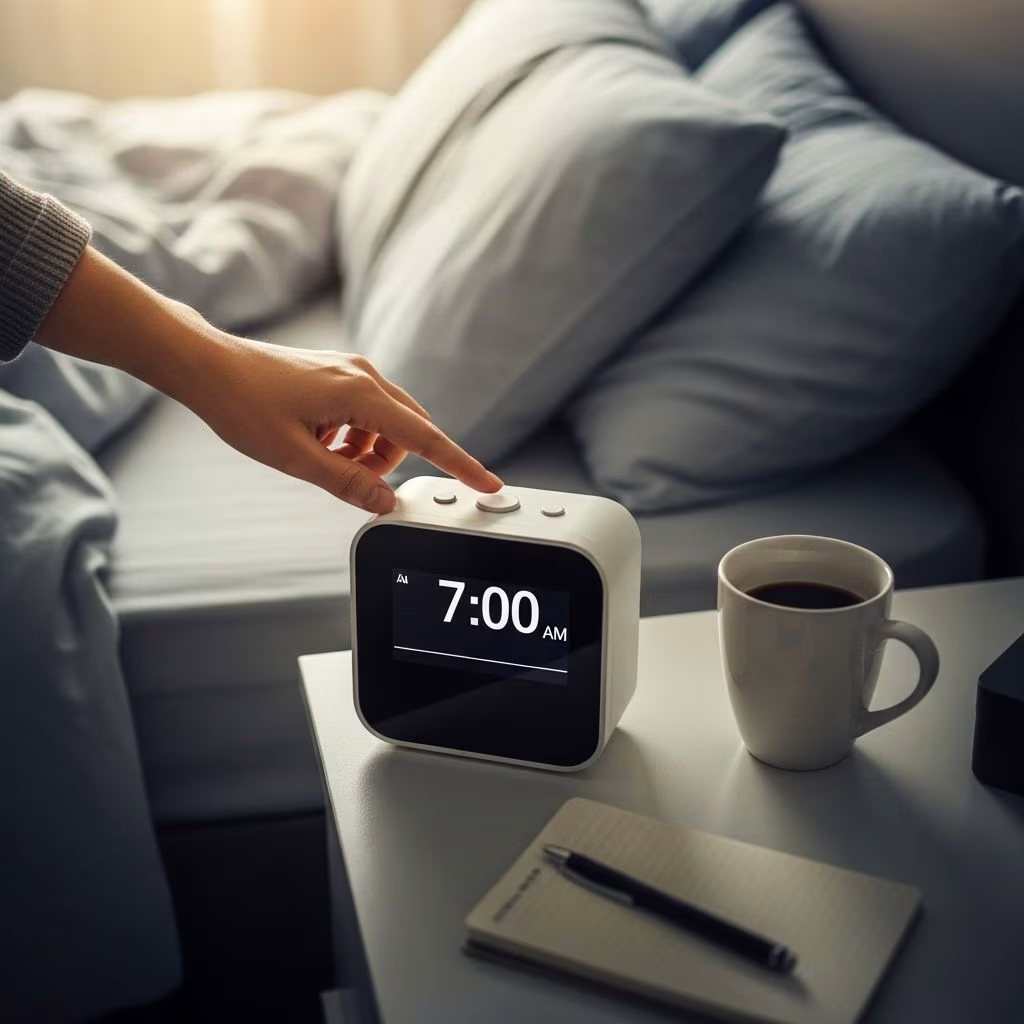
Overcome Snooze Button Addiction: Psychology, Habits, and Science-Based Strategies
Most people with an alarm clock have experienced the cycle: You wake up, hit the snooze button for those treasured extra minutes, and repeat until you finally must get out of bed. While delaying your wake-up time seems harmless, frequent snoozing disrupts healthy sleep cycles, impairs mood, and chips away at self-discipline. This article explores the psychological underpinnings of snooze button addiction, its impact on mind and body, and practical strategies to reclaim your mornings.
What is Snooze Button Addiction?
Snooze button addiction refers to a habitual, often compulsive use of the snooze function on digital or analog alarms—resulting in repeated interruptions of sleep every few minutes, frequently over an extended period each morning. While this behavior might seem trivial, it can have significant consequences for both physical and mental health.
- Prevalence: Over half of surveyed individuals (57%) admit to snoozing, with higher rates among younger adults and those who go to bed later (“evening chronotypes”).
- Warning signs: Multiple alarms set, routine late waking, feelings of guilt or frustration, and a persistent desire for “just five more minutes” in bed.
The Psychology Behind Snooze Button Addiction
The urge to repeatedly delay waking is rooted in a complex combination of psychological, behavioral, and physiological factors. Here are the main psychological drivers:
- Instant Gratification: The snooze button offers immediate relief from discomfort and the hope of more rest—an example of impulse control challenges and the lure of short-term pleasure over long-term wellbeing.
- Avoidance Behavior: Many use snooze as a way to avoid facing stress, obligations, or difficult emotions that are triggered by the thought of starting the day.
- Habitual Conditioning: Repeated snoozing conditions your brain to associate morning alarms with postponement rather than wakefulness, creating a self-reinforcing habit loop.
- Low Sleep Quality and Self-Discipline: Sleep deprivation and poor sleep hygiene erode self-control, making it harder to resist the snooze impulse over time.
- Sleep Inertia and Morning Cognition: The brain’s transition from sleep to wakefulness (“sleep inertia”) causes impaired focus and drowsiness, increasing the temptation to linger in bed.
Self-Esteem and Identity
Repeated failure to get up as planned can affect self-esteem and how individuals view their willpower and reliability. Instead of starting the day proud and energized, snoozers often wake with guilt and self-doubt, feeding a cycle of low motivation and further snoozing.
Monumental Costs and Risks of Snooze Addiction
Overusing the snooze button creates a host of negative consequences:
- Sleep Fragmentation: Snoozing breaks your last phase of sleep into short, non-restorative intervals, increasing tiredness and “sleep inertia”—the groggy, foggy feeling upon waking.
- Self-Discipline Drain: Making repeated decisions to get up or stay in bed depletes limited willpower reserves before the day even starts.
- Loss of Control: Frequent snoozers feel at the mercy of their mood and energy, undermining self-regulation and confidence.
- Stress and Anxiety: Time lost to snoozing causes rushed mornings, missed commitments, elevated stress, and emotional distress.
- Negative Emotions: Guilt, shame, and poor self-image can emerge with persistent snooze behavior, affecting overall motivation and mental health.
Summary Table: Effects of Snooze Button Addiction
| Effect | Description |
|---|---|
| Sleep fragmentation | Disrupted and lower quality final sleep stages, leading to increased tiredness |
| Willpower depletion | Multiple micro-decisions drain morning self-control |
| Stress escalation | Lost time creates rushed, anxious mornings |
| Negative emotions | Reinforced guilt, shame, and lowered self-esteem |
| Habit reinforcement | Conditioned avoidance behavior, making change more difficult |
What Science Says: Sleep Inertia, Cognition, and Mood
Despite popular belief, hitting the snooze button a few times is not necessarily disastrous, but chronic snoozing brings risks:
- Fragmented Sleep: Studies confirm that multiple alarms and snooze interruptions prevent restorative slow-wave (N3) and REM sleep, leaving individuals drowsier and with impaired morning cognition.
- Snoozing vs. Non-Snoozing: Brief snooze periods (less than 30 minutes) may help late chronotypes (night owls) transition to wakefulness, but any lost sleep is usually lower-quality and does not deliver the benefits of uninterrupted rest.
- Cognitive Performance: Controlled laboratory research suggests that thirty minutes of snoozing does not immediately impair cognitive performance—but chronic snoozing is linked to more morning drowsiness and poorer sleep habits overall.
- Cortisol and Mood: No clear impact on cortisol (stress hormone) or mood from a brief snooze session, yet frequent sleep fragmentation is associated with worse psychological function over time.
Expert Recommendations
- Limit snoozing to once—chronic repetition reduces sleep quality and increases sleep inertia.
- Avoid teaching yourself to ignore alarms, as this disrupts natural waking and undermines healthy sleep hygiene.
Why is It So Hard to Stop Snoozing?
The struggle to quit snoozing involves several psychological, behavioral, and physiological obstacles:
- Disrupted Sleep Cycles: Poor sleep habits (late bedtime, inconsistent schedules) make waking on the first alarm physically difficult, fueling a reliance on snooze.
- Autopilot Habits: The snooze behavior becomes automatic, bypassing conscious decision-making in the fog of sleep inertia.
- Reward System: Temporary comfort from extra minutes in bed reinforces the habit loop, even as negative consequences accumulate.
- Low Motivation: Chronic snoozers may associate mornings with stress, guilt, or rushed routines, lowering their motivation to resist the snooze impulse.
- Unrealistic Expectations: Believing that “just five more minutes” will restore energy is rarely true—fragmented sleep makes it harder, not easier, to wake up refreshed.
Proven Strategies to Overcome Snooze Button Addiction
Breaking snooze button addiction requires addressing the psychological drivers, reshaping habits, and optimizing sleep quality. Here are science-based strategies for lasting change:
1. Build Self-Discipline Gradually
- Practice Incremental Change: Commit to getting up on the first alarm just twice a week, then gradually increase frequency.
- Use Pre-Commitment: Prepare clothes, breakfast, or tasks the night before to create external cues and motivation.
2. Optimize Sleep Quality
- Set a consistent bedtime that ensures 7–9 hours of quality sleep each night.
- Implement a calming wind-down routine: limit screens, avoid caffeine, and use relaxation techniques before bed.
- Track your sleep with apps or journals to identify wake-up patterns and problem areas.
3. Change Alarm Habits
- Place your alarm device across the room to force physical movement upon waking.
- Use progressive alarm sounds (starting soft and growing louder) or gentle light-based alarms to minimize abrupt sleep disruptions.
- Disable the snooze function or switch to alarms without snooze capability.
4. Reinforce Positive Behavior
- Reward yourself for getting up promptly—enjoyable breakfast, time for meditation, or listening to favorite music.
- Track streaks of successful mornings and celebrate progress.
5. Address Underlying Psychological Drivers
- Identify emotional or cognitive triggers for snoozing, such as stress or dread related to morning responsibilities.
- Reshape morning identity: Visualize and affirm yourself as a “wake-up-on-first-alarm” person.
- If guilt or shame persists, reframe slip-ups as learning opportunities rather than failures.
6. Leverage Social Accountability
- Share goals with friends or family, or join a wake-up challenge for external encouragement.
- Pair up with someone who has reliable morning habits and mimic their strategies.
7. Seek Professional Support if Needed
- Those with persistent sleep issues or psychological distress around mornings may benefit from counseling or guidance from sleep specialists.
Case Study: Snooze Button Recovery Success
One individual’s experience illustrates the power of sleep optimization and self-discipline:
“I tried everything to quit the snooze button for years. I focused on going to bed earlier and gradually built my self-discipline. Now, I feel refreshed when I wake up and rarely need to snooze. The changes took time, but it was worth the effort.”
Frequently Asked Questions (FAQs)
Q: Is it ever okay to hit the snooze button?
A: Pressing snooze once is generally harmless, especially for night owls, but repeated snoozing fragments sleep and increases morning drowsiness.
Q: Does snoozing really make me more tired?
A: Yes. Fragmented sleep from snoozing impairs sleep quality, making you more tired and groggy than getting up on the first alarm.
Q: Can I train myself to stop snoozing?
A: Absolutely. With gradual habit change, improved sleep hygiene, external accountability, and positive reinforcement, most people can overcome snooze addiction.
Q: What role does psychology play in snooze addiction?
A: Psychological factors such as instant gratification, avoidance, habit formation, and lowered motivation are key drivers of snooze button dependence. Addressing these through mindset and behavioral change is essential for lasting improvement.
Q: Do alarm types and location matter?
A: Alarms placed away from your bed and those with progressive or light-based cues can make it easier to wake naturally and resist snooze temptation.
Quick Tips for Snooze-Free Mornings
- Go to bed early and protect your sleep schedule.
- Turn off the snooze function or choose a non-snooze alarm.
- Place your alarm across the room and prep your morning routine in advance.
- Set a reward for getting up right away.
- Remind yourself daily: fragmented sleep makes you more tired, not less.
Suggested Readings and Resources
- “How to Stop Hitting Snooze Button” – NJ Lifehacks
- Sleep Study on Snoozing and Cognition – Wiley Online Library
- “You Snooze, You Lose” – Psychology Today
References
- https://www.njlifehacks.com/how-to-stop-hitting-snooze-button/
- https://psychiatry.arizona.edu/news/it-turns-out-hitting-snooze-button-not-bad-you-heres-why-you-should-stop-also-dont-stress-about
- https://onlinelibrary.wiley.com/doi/10.1111/jsr.14054
- https://www.psychologytoday.com/us/blog/the-winners-brain/201301/you-snooze-you-lose


