


Introduction
Travel offers the opportunity to experience new environments, cultures, and climates. However, one consequence often overlooked by travelers is the challenge of maintaining healthy skin in new settings. Climate change and variations in water quality worldwide further complicate this balancing act, leading to increased skin sensitivity and a spectrum of dermatologic conditions.
This article explores the multifaceted connection between skin sensitivity, travel, water quality, and ongoing climate change. We review the mechanisms, risk factors, and real-world strategies to maintain resilient skin wherever you go.
Understanding Skin Sensitivity After Travel
Skin sensitivity describes the tendency of skin to react negatively to external stimuli, such as environmental changes, physical irritants, or unfamiliar substances. After travel, increased sensitivity can manifest as dryness, redness, itching, rashes, or breakouts. The causes are wide-ranging and frequently related to two keys factors:
- Climate variations: Extreme temperatures, humidity changes, wind exposure, and increased UV radiation can disrupt the skin’s protective barrier.
- Exposure to foreign water qualities: Tap water may contain minerals, chemicals, or microbes unfamiliar to your skin, potentially disrupting its balance and causing irritation.
Understanding these mechanisms offers a foundation for effective prevention and management.
How Climate Change Influences Skin Sensitivity During Travel
Global climate change increases the volatility of weather patterns, creating sudden shifts in temperature and humidity that travelers must adapt to. These environmental fluctuations influence skin health in several ways:
- Temperature Extremes: Sudden exposure to cold or heat can dry out or overstimulate the skin, depending on your natural skin type.
- Shifting Humidity Levels: Moving from a humid to an arid climate (or vice versa) can trigger dryness, eczema, and irritation, especially in sensitive skin.
- UV Radiation: Higher altitudes and sun-exposed settings (e.g., mountain destinations) increase skin’s exposure to UV rays. UV damage accumulates quickly with travel, particularly in snowy or sandy environments that reflect sunlight.
- Increased Wind Exposure: Windy conditions strip moisture from the skin, leading to redness and cracking.
- Urban Pollution: In cities, elevated air pollution triggers oxidative stress on the skin, resulting in premature aging, inflammation, and increased sensitivity.
Climate adaptation is now a vital part of travel skincare, with proactive measures necessary to protect the skin’s barrier.
The Impact of Water Quality on Skin Health
Local water quality is a significant but approachable variable that can strongly influence skin health during travel. Water used for bathing, washing, or swimming may contain:
- Chlorine: High levels in hotel or municipal water supply strips skin’s natural oils, causing dryness and irritation.
- Hard Water (High Mineral Content): Calcium and magnesium-rich water leaves residues, which may aggravate eczema and sensitivity.
- Microbial or Bacterial Contamination: Inadequate sanitation raises the risk of infections like folliculitis—often seen after swimming in pools, lakes, or hot tubs.
- Unfamiliar Chemicals: Additives, disinfectants, or local natural composition may irritate or sensitize the skin.
| Water Type | Common Skin Reactions | Preventive Tips |
|---|---|---|
| Chlorinated | Dryness, redness, itching | Rinse off thoroughly; moisturize post-shower |
| Hard Water | Eczema flare-ups, scaling | Use gentle cleansers; avoid harsh soaps |
| Untreated/Natural | Bacterial infections, rashes | Limit exposure; use bottled or filtered water for face hygiene |
Water quality adaptations are essential for travelers with sensitive or preexisting skin conditions.
Common Skin Problems Associated with Travel
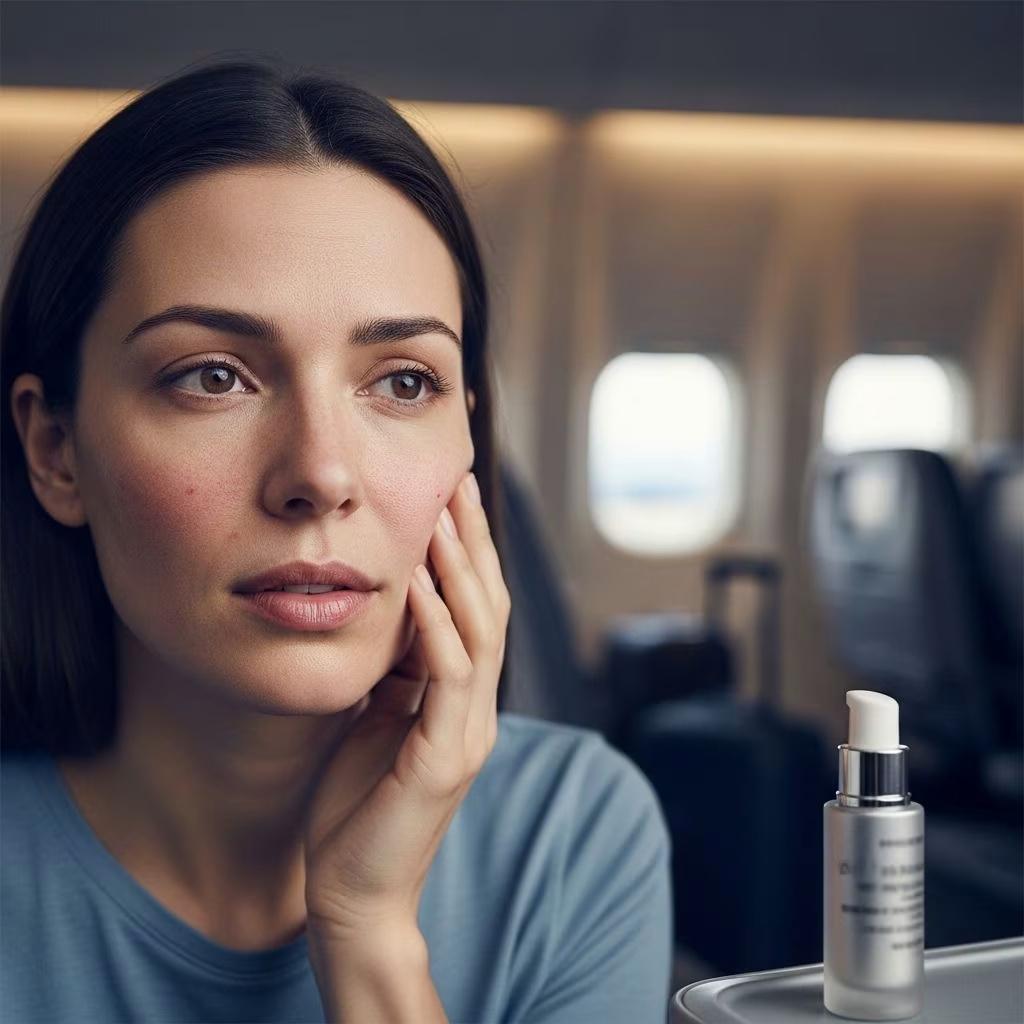
- Dry Skin & Dehydration: Pressurized airplane cabins and extreme climates strip moisture from the skin, leading to tightness, flaking, and itchiness.
- Acne & ‘Airplane Acne’: Oil buildup, stress, and dry air during travel can block pores, triggering breakouts.
- Eczema & Dermatitis Flares: Low humidity and exposure to unfamiliar laundry detergents or soaps in hotels aggravate eczema and allergic rashes.
- Folliculitis (‘Hot Tub Rash’): Bacterial infection from poorly maintained pools or hot tubs causes itchy, bumpy rashes.
- Contact Allergies & Rashes: Exposure to new fabrics, hotel products, plants (e.g., phytophotodermatitis from limes, figs, or weeds), and insect bites increases risk of allergic reactions.
- Fungal & Parasitic Infections: Higher risk in tropical climates or poorly sanitized water sources. Examples include athlete’s foot, scabies, or even leishmaniasis.
- Sunburn & Photodamage: Strong UV rays at high altitudes or tropics lead to burns and accelerate aging.
- Prickly Heat (Miliaria): Blocked sweat ducts in hot, humid climates cause itching and bumps.
Each type of skin problem has unique triggers and management strategies.
Main Risk Factors: Climate, Water, and More
Individuals respond differently to the challenges of travel, but several risk factors increase susceptibility to skin issues:
- Skin Type: Dry or sensitive skin reacts faster to climate changes and water quality shifts.
- Pre-existing Conditions: Eczema, rosacea, psoriasis, and acne may flare under travel stress.
- Duration & Type of Exposure: Prolonged flights, lengthy stays in one climate, or frequent transitions increase risk.
- Activity Level: Outdoor and adventure travel exposes skin to more extreme conditions.
- Immune Status: Weakened defenses (due to stress, illness, or medications) allow infections to take hold more easily.
Recognizing and preparing for these risk factors before departure is the first step to healthy skin on the road.
Preventing Skin Sensitivity After Travel
Proactive planning and targeted skin care routines can substantially reduce the negative impact of travel on skin sensitivity. Consider these expert strategies:
- Hydrate: Drink water frequently throughout your travel, avoiding excess caffeine and alcohol, which can dehydrate skin.
- Moisturize: Apply thicker creams before and after flights or outdoor exposure. Consider products with ceramides, hyaluronic acid, and gentle emollients.
- Barrier Protection: Choose protective clothing, wide-brim hats, and broad-spectrum sunscreens—especially at high altitudes or in snowy environments.
- Gentle Cleansing: Use non-soap, hydrating cleansers that do not strip the skin of natural oils, particularly if local water is hard or chlorinated.
- Minimize Exposure: Avoid direct contact with potentially contaminated water sources, including poorly maintained pools and natural bodies of water.
- Patch Test New Products: Try unfamiliar hotel lotions or soaps on a small area first.
- Adjust Skincare Routine: Pack travel-sized versions of your regular products. Switch to lighter moisturizers in humid climates; add richer creams in dry environments.
- Avoid Long, Hot Showers: Hot water further strips away skin’s protective barrier.
By tailoring your strategies to your destination, you can protect your skin from the majority of common travel-related issues.
Managing Flare-Ups & Skin Recovery Post-Travel
If you do experience skin irritation, dry patches, or breakouts after travel, proper management can accelerate skin’s recovery:
- Immediate Moisturization: Apply thick, fragrance-free creams to soothe dryness and support barrier repair.
- Reduce Inflammation: Over-the-counter hydrocortisone ointment may help calm itchy rashes. Avoid steroid overuse for prolonged flare-ups.
- Antiseptic Care: Cleanse gently with mild, non-drying antibacterial cleansers in case of infections.
- Cool Compresses: Reduce redness and itching from sunburn or allergic reactions.
- Avoid Scratching: Breaking the skin can lead to secondary infection.
- Monitor Symptoms: If travel-related rashes, lesions, or infections last for more than a few days, seek medical advice—in rare cases, conditions like leishmaniasis or myiasis require prescription treatment.
Consistent post-travel skin care gradually returns your skin to its balanced state. Maintain hydration, gentle cleansing, and barrier support for lasting results.
Frequently Asked Questions (FAQs)
Q: How does water quality change affect my skin?
A: Water with unfamiliar minerals, chlorine, or bacteria may disrupt your skin’s natural balance, leading to dryness, flaking, or infections. Always rinse well, avoid harsh soaps, and consider bottled or filtered water for face hygiene in high-risk destinations.
Q: Should I use different skincare products while traveling?
A: Yes. Adjust your regime based on destination climate and water quality—lighter moisturizers in humid areas, richer creams in arid zones, and gentler cleansers for hard or heavily chlorinated water.
Q: What is the safest way to deal with travel-related skin breakouts?
A: Use non-comedogenic moisturizers, keep the skin clean with mild cleansers, and avoid picking pimples. If flare-ups persist, consult a dermatologist.
Q: Can travel increase my risk of serious skin infections?
A: Travel to tropical or rural regions, or exposure to contaminated water, raises the risk of infections like folliculitis, fungal rashes, or even rare parasitic infestations. Early diagnosis and gentle hygiene are crucial.
Q: How can I prevent airplane-induced dry skin?
A: Hydrate, apply barrier creams before and during flights, and use water sprays to refresh your skin. Avoid alcohol and caffeine and moisturize frequently.
Conclusion
Skin sensitivity after travel is a dynamic interplay between environmental stressors, water quality, and climate change. By understanding triggers—such as sudden humidity shifts, unfamiliar water, UV exposure, and microbial risks—travelers can proactively safeguard their skin. Individual risk factors and preexisting conditions require tailored management and preventive routines.
With the rise in global travel and ongoing climate variability, staying informed and prepared enables you to enjoy new destinations without sacrificing skin health. Simple adjustments—hydration, barrier protection, gentle cleansing, and regular monitoring—empower every traveler to maintain radiant, resilient skin, wherever in the world adventure leads.
References
- https://dermphysiciansne.com/travel-happy-skin/
- https://forefrontdermatology.com/can-traveling-cause-skin-issues/
- https://pmc.ncbi.nlm.nih.gov/articles/PMC8389143/
- https://www.learnskin.com/articles/10-skin-issues-that-come-up-during-traveling-and-what-you-can-do-about-it/
- https://healthservices.appstate.edu/files/filecabinet/folder19/Traveler_Information_Skin_Diseases_in_Travelers.pdf
- https://www.aveeno.com/journal/skincare-tips-for-avoiding-airplane-skin-while-traveling
- https://www.tareendermatology.com/rashes-you-can-get-on-vacation/
- https://www.jeffersonhealth.org/your-health/living-well/how-to-avoid-airplane-acne


