


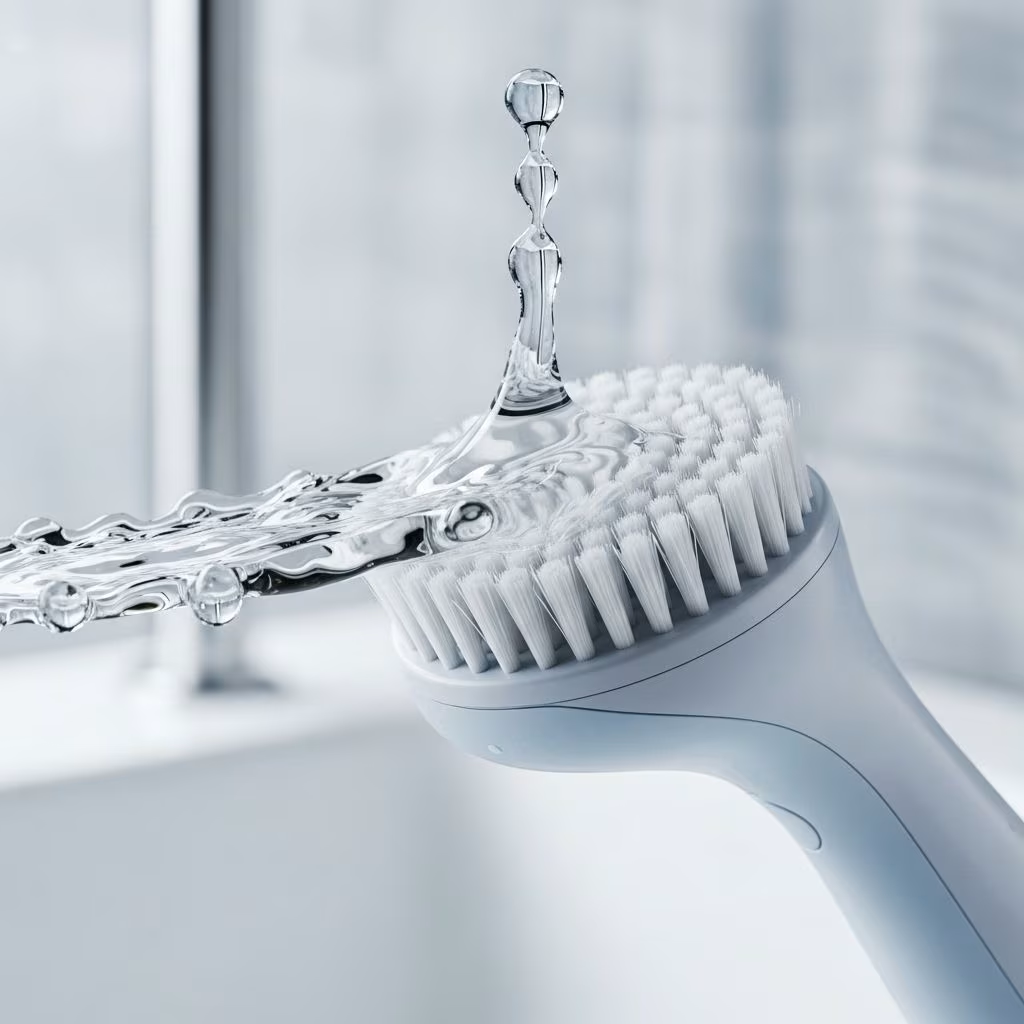
Maintaining optimal oral and skin hygiene is a cornerstone of overall wellness. As technology advances, cleansing devices such as water flossers and facial brushes have gained popularity for their ability to enhance traditional cleaning routines. However, one crucial factor often overlooked is the quality of water used with these cleansing devices. This article explores the interplay between water quality and the effectiveness of cleansing brushes for both oral and skin care, supported by the latest research and expert guidance.
Introduction
Water is an integral component of most cleansing routines, especially when using devices that rely on jets, pulses, or vibrations to remove impurities. However, the quality of water—whether it’s hard or soft, filtered or untreated—can profoundly affect the mechanical and hygienic performance of cleansing brushes. Understanding this dynamic is essential for maximizing device benefits and safeguarding health.
Understanding Cleansing Brushes: Oral and Facial Devices
Cleansing brushes fall into two main categories:
- Oral Cleansing Devices – Devices like water flossers and oral irrigators use pressurized streams of water to remove plaque and debris from interdental spaces and below the gumline.
- Facial Cleansing Brushes – These employ soft bristles and sonic vibrations, sometimes in combination with water, to dislodge dirt, oil, and makeup from the skin’s surface, aiming to promote clearer, smoother skin.
Both types of devices augment the effectiveness of manual cleaning, offering tailored solutions for individuals with diverse needs—such as orthodontic appliances or sensitive skin.
The Role of Water in Cleansing Device Functionality
Water is not just a carrier in cleansing routines—it’s an active participant that can:
- Provide a medium for mechanical removal of plaque, debris, and skin contaminants.
- Amplify the effect of sonic or pulsatile vibrations used by cleansing devices.
- Rinse away loosened particles and residual cleansing agents.
- Maintain moisture balance during the mechanical action, reducing irritation and friction.
The properties of water—such as its mineral content, microbial load, and presence of contaminants—impact not only the cleansing efficacy but also the long-term health of oral and facial tissues.
How Water Quality Impacts Cleansing Brush Effectiveness
The quality of water used with cleansing brushes can influence hygiene outcomes in several key ways:
- Mineral Content (Hardness): Hard water contains high levels of calcium and magnesium. Over time, these minerals can accumulate on device parts, reducing jet strength (for water flossers), causing bristle stiffening (for facial brushes), and potentially leaving residue on teeth or skin.
- Microbial Contamination: Untreated water may harbor bacteria, fungi, or protozoa, which can be introduced to the mouth or skin, raising the risk of infection, especially when tissues are abraded or irritated.
- Chemical Contaminants: Chlorine, chloramine, lead, and other dissolved chemicals can irritate sensitive tissues and degrade device components over time.
- pH and Alkalinity: Water pH outside the neutral range can disrupt the skin’s acid mantle or oral mucosal balance, impacting the natural microbiome and increasing susceptibility to irritation or infection.
Therefore, the effectiveness and safety of cleansing brushes is intimately linked to water quality, necessitating awareness and preventive strategies.
Research on Oral Cleansing Devices and Water Quality
The modern water flosser has shown significant advantages in clinical trials over traditional interdental brushes and string floss, particularly in reducing gingival bleeding and improving overall gum health.
- Clinical Findings: A randomized controlled study involving 78 subjects reported that the Waterpik Water Flosser achieved significantly greater reductions in bleeding and inflammatory gingival scores than interdental brushes when both were combined with a manual toothbrush. No increase in gingival abrasion was seen with the water flosser.
- Plaque Removal: Systematic reviews indicate that water flossers are more effective than string floss, especially for removing plaque from hard-to-reach areas, but effectiveness can vary with device use duration and study design.
- Reduction in Gingivitis: Multiple studies and reviews agree that water flossers are superior or at least equal to traditional flossing and brushing in managing gum inflammation (gingivitis) and bleeding, particularly in orthodontic patients and those with limited dexterity.
These results are predicated on the use of clean water—potentially filtered or distilled—to limit introduction of pathogens, particularly for users with periodontal disease or compromised immunity.
Key Insight: While the device’s cleansing mechanism is critical, the purity of the water determines whether jets deliver cleanliness or contamination. Water that is hard, polluted, or laden with microorganisms can reduce both the efficacy and safety of oral irrigators.
Mechanisms of Water Quality Influence
- Hard Water Scale: Limescale buildup can block jets, decreasing pressure and effective cleaning, and may make toothbrush bristles less pliable, resulting in reduced reach and cleaning efficiency.
- Bacterial Load: Devices used with untreated or contaminated water may harbor and distribute bacteria, potentially seeding infections in gum pockets or mucosal tissue.
- Chemical Exposure: Volatile compounds like chlorine may irritate oral membranes, especially with repeated exposure, potentially offsetting the benefits of enhanced mechanical cleansing.
Facial Cleansing Brushes: Evidence and Implications of Water Quality
The use of facial cleansing brushes has surged in recent years. Dermatologists and some clinical studies support their use, citing benefits for makeup removal, smoother skin, and enhanced cleansing compared to manual washing.
However, the type of water used can modulate device performance and skin outcomes:
- Hard Water and Skin Barrier: Mineral-heavy water can react with cleansers to leave residues that diminish cleansing, clog pores, or irritate the skin barrier. This may be exacerbated by the micro-exfoliating action of a brush.
- Microbial Risks: As with oral devices, non-sterile water can introduce skin pathogens; this risk is heightened on abraded or sensitive skin.
- Chemical Sensitivity: Chlorinated or fluoridated water may contribute to dryness or dermatitis, particularly with frequent brush use.
Experts recommend using filtered or distilled water when possible for facial cleansing—particularly for those with sensitive or compromised skin—to minimize negative effects of poor water quality.
Best Practices for Using Cleansing Brushes with Different Water Types
To optimize the safety and effectiveness of oral and facial cleansing devices, consider the following guidelines:
- Use Filtered, Distilled, or Boiled Water: Especially in regions with poor tap water quality or when working with compromised gum or skin barriers.
- Descale Devices Regularly: For water flossers, follow manufacturer instructions to remove mineral deposits from jets and reservoirs.
- Clean Brushes and Reservoirs Often: Prevent bacterial buildup by thoroughly drying or sanitizing device parts after use.
- Avoid Harsh Chemicals: If possible, use water free from chlorine, heavy metals, and excessive minerals to prevent irritation and device wear.
- Monitor for Sensitivity or Irritation: Discontinue use and consult a healthcare provider if redness, dryness, or signs of infection develop.
Comparing Water Types: Effects on Cleansing Effectiveness
| Water Type | Mineral Content | Microbial Risk | Device Impact | Recommended For |
|---|---|---|---|---|
| Tap Water (Untreated) | Variable (may be high) | Variable (could be high) | Potential limescale buildup; microbial seeding | Safe municipalities only; not advised for compromised users |
| Filtered Water | Low to moderate | Low | Reduces mineral and microbial load; prolongs device life | General use; sensitive users |
| Distilled Water | Minimal | Minimal | Prevents limescale; optimal for hygiene | Immunosuppressed, infants, sensitive skin |
| Hard Water | High | Low to moderate | Limescale; bristle stiffening; residue on teeth/skin | Not optimal for repeated use |
| Softened Water | Low (but may be high in sodium) | Low | Gentle on devices and skin, but may taste salty | Better than hard water |
Frequently Asked Questions (FAQs)
Q: Does hard water make cleansing devices less effective?
Yes. Hard water can cause mineral buildup in oral irrigators, reducing jet efficiency and causing residue on brush bristles and skin.
Q: Can I use bottled or distilled water in my water flosser or facial cleansing brush?
Absolutely. Using bottled or distilled water minimizes mineral deposits and bacterial exposure, enhancing both hygiene and device longevity.
Q: How often should I clean my cleansing brush or flosser device?
After every use, rinse and dry all parts. At least weekly, thoroughly disinfect or descale following manufacturer instructions to prevent bacteria or scale buildup.
Q: What signs might indicate poor water quality is affecting my hygiene or devices?
Limescale deposits, low water pressure, bristles stiffening, skin dryness, irritation, or unusual oral symptoms could indicate water-related problems.
Q: Are there special considerations for people with sensitive teeth, gums, or skin?
Yes. Use filtered or distilled water and gentle cleansing settings to avoid additional irritation or the risk of introducing microbes to irritated tissues.
Conclusion
The effectiveness of cleansing devices—for both oral and skin care—depends on more than just advanced technology or proper technique. Water quality is a foundational factor that influences mechanical performance, hygiene, and long-term health. By choosing high-quality water, maintaining devices, and being attentive to signs of irritation or reduced effectiveness, individuals can achieve superior results and reduce risks. As research continues to evolve, attention to water quality will remain pivotal in optimizing the benefits of cleansing brushes for health and wellness.
References
- https://www.waterpik.com.au/clinical-research-results/the-waterpik-water-flosser-significantly-more-effective-than-interdental-brush-for-improving-gingival-health/
- https://pmc.ncbi.nlm.nih.gov/articles/PMC10906797/
- https://pmc.ncbi.nlm.nih.gov/articles/PMC11055227/
- https://onlinelibrary.wiley.com/doi/full/10.1111/idh.12817
- https://www.nature.com/articles/s41415-025-8648-9
- https://www.desertfoothillsdental.com/blog/brush-string-floss-vs-water-flossers-vs-floss-picks-cleans/51479
- https://curology.com/blog/fact-vs-fiction-do-cleansing-brushes-work-and-are-they-worth-it/
- https://alamoheightsderm.com/dermatologists-take-on-popular-trends-series-facial-cleansing-brushes/


