


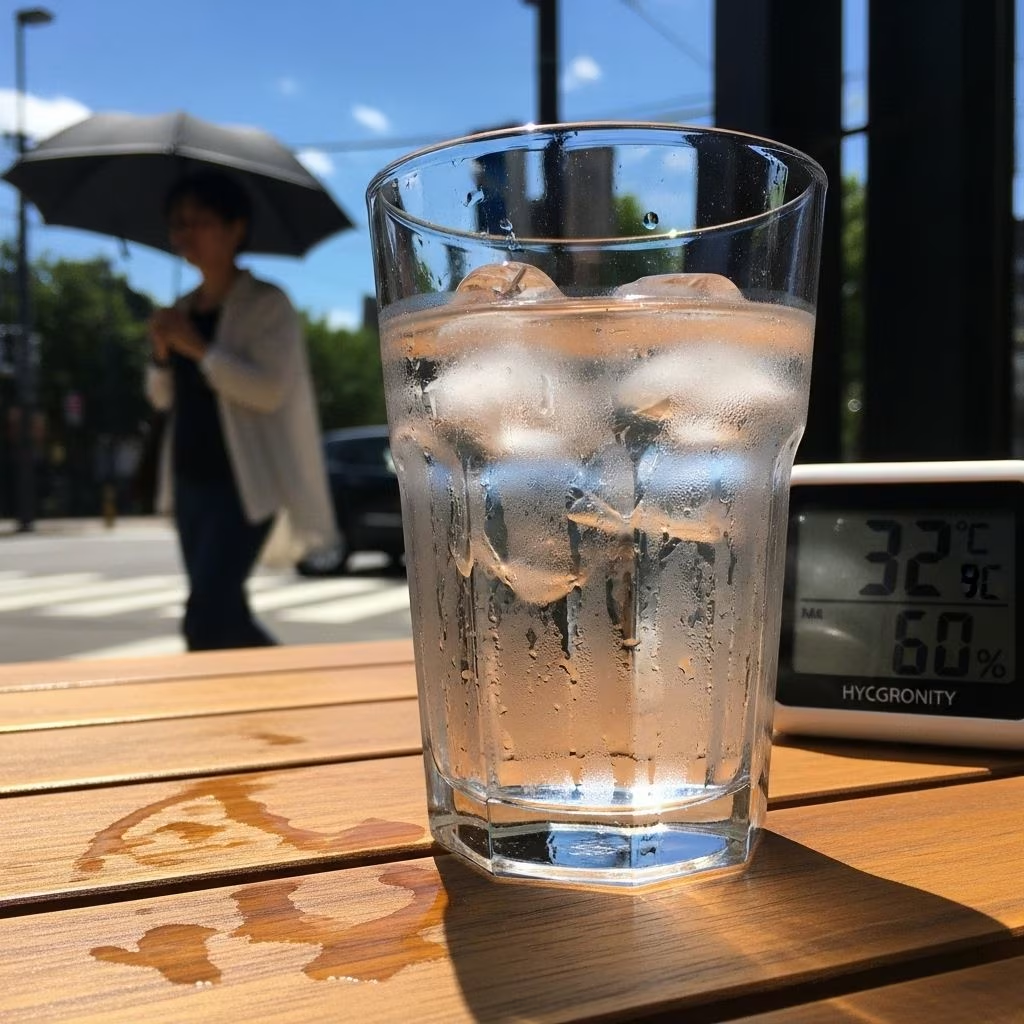
Hydration is essential for maintaining optimal health, and environmental factors like weather significantly influence our hydration needs. Whether it’s the sweltering heat of summer or the chilly dryness of winter, understanding how different weather conditions affect body hydration is crucial for ensuring we consume enough fluids to support our bodily functions. In this article, we delve into the impact of various weather conditions on hydration and provide practical tips for maintaining a healthy fluid balance.
Hot and Humid Weather
Hot and humid weather poses significant challenges to staying hydrated. In such conditions, the body works harder to cool itself down, leading to increased fluid loss through sweat. High humidity, typically above 60%, reduces the evaporation rate of sweat, making it less effective in cooling the body. This scenario can quickly lead to dehydration because the body continues to sweat more to compensate for the reduced cooling effect, resulting in a continuous loss of fluids and electrolytes.
The average adult needs to consume more water in hot, humid weather to replace lost fluids and electrolytes. Activities like sports and outdoor work increase these needs further. It’s advisable to drink water regularly throughout the day, rather than waiting until you feel thirsty, as the body can become dehydrated before the sensation of thirst is fully recognized.
Cold and Dry Weather
Cold and dry weather presents different challenges for hydration. In colder conditions, people often feel less thirsty, which can lead to inadequate fluid intake. Central heating systems common in colder climates also contribute to dry air, increasing water loss through respiration. Additionally, cold-induced diuresis, where the kidneys produce more urine, can further exacerbate dehydration.
Furthermore, cold weather clothing can restrict movement and increase sweat production, while the sensation of cold can reduce the urge to drink water, leading to a phenomenon known as voluntary dehydration. It’s important to consume fluids regularly, even if you don’t feel thirsty, to maintain optimal hydration levels and prevent issues like hypothermia and decreased performance.
Strategies for Staying Hydrated
Regardless of the weather, maintaining proper hydration is essential for health and performance. Here are some strategies to help you stay hydrated:
- Drink Water Regularly: Aim to drink fluids throughout the day, rather than consuming them all at once. This helps maintain a steady level of hydration.
- Incorporate Fluid-Rich Foods: Foods like fruits, vegetables, and broth soups can provide additional hydration beyond plain water.
- Monitor Urine Output: Dark-colored urine can be a sign of inadequate hydration. Aim for pale yellow urine to ensure you are drinking enough fluids.
- Adjust Based on Activity: If you engage in physical activities, increase your fluid intake accordingly to compensate for increased sweat production.
- Avoid Excessive Caffeine: Caffeine can act as a diuretic if consumed in high amounts, potentially worsening dehydration.
Frequently Asked Questions (FAQs)
Q: How much water should I drink in hot, humid weather?
A: Generally, it’s advisable to increase water intake in hot and humid conditions. Aim for at least 8 to 10 glasses of water per day, depending on your activity level and the intensity of the weather.
Q: Can I get enough hydration from just the food I eat?
A: While food can contribute some fluids, it is unlikely to meet your entire hydration needs, especially in extreme weather conditions. It’s best to rely on a combination of water and fluid-rich foods for optimal hydration.
Q: Is it harder to stay hydrated in cold weather?
A: Yes, cold weather can make it more challenging to stay hydrated due to reduced thirst sensation and increased fluid loss through respiration. It’s important to drink fluids regularly, even if you don’t feel thirsty.
Understanding the impact of weather on hydration is key to maintaining good health and performance. By adjusting your hydration strategies according to the weather and incorporating these tips into your daily routine, you can ensure you’re always properly hydrated.
References
- https://www.houstonmethodist.org/blog/articles/2025/jul/how-to-stay-hydrated-in-humid-weather/
- https://extension.okstate.edu/articles/2024/winter_hydration.html
- https://www.heart.org/en/news/2019/12/19/are-you-drinking-enough-water-during-winter-months
- https://extension.psu.edu/hydration-in-cold-weather/
- https://www.ncbi.nlm.nih.gov/books/NBK232870/
- https://www.massgeneral.org/news/article/the-importance-of-winter-hydration
- https://pmc.ncbi.nlm.nih.gov/articles/PMC2908954/
- https://advance.muschealth.org/library/2022/september/heat-humidity-and-hydration
- https://www.unmc.edu/publichealth/cscash/_documents/_news/news-cold-weather-hydration.pdf
- https://www.physiology.org/publications/news/the-physiologist-magazine/2021/july/the-science-of-hydration


