


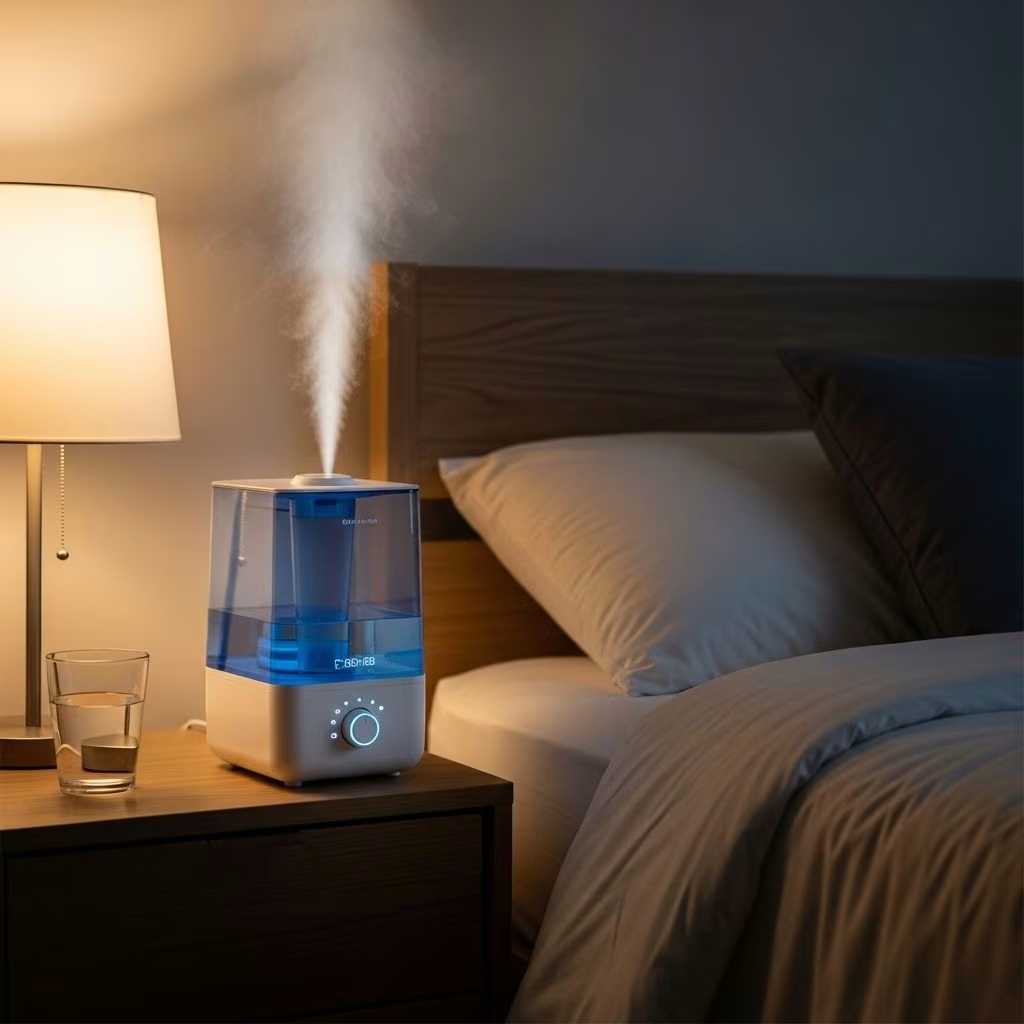
Maintaining optimal moisture in your sleeping environment isn’t just about comfort—it’s crucial for your respiratory health, especially overnight. Sleep experts and healthcare professionals increasingly recommend the use of humidifiers to combat the pervasive effects of dry indoor air, supporting those with allergies, colds, asthma, or anyone simply seeking more restful sleep. This guide explores everything you need to know about humidifiers for overnight respiratory hydration: the science, benefits, practical tips, and answers to common questions, empowering you to sleep and breathe more easily.
Why Respiratory Hydration Matters Overnight
During sleep, our bodies naturally repair tissues and balance moisture in mucous membranes that line the nose, throat, and upper airways. However, dry indoor air—often the result of climate, winter heating, or air conditioning—disrupts this process, leading to dehydration of airway surfaces. This can cause:
- Dry, irritated nasal passages and throat upon waking
- Increased risk of respiratory infections or congestion
- Exacerbation of conditions like allergies, asthma, and sinusitis
- Higher likelihood of snoring and sleep interruptions
Since humidified air helps to keep the airways moist, breathing remains easier, mucus stays thin and mobile, and the body can better clear out allergens and irritants while you sleep.
Health Benefits of Using Humidifiers While Sleeping
Incorporating a humidifier into your sleep environment offers a range of scientifically proven and widely reported advantages:
- Relief from Respiratory Discomfort: Humidifiers alleviate the irritation and congestion caused by dry air, making it easier to breathe, especially if you have a cold, allergies, or chronic breathing problems.
- Reduced Congestion and Sinus Problems: By loosening mucus and keeping nasal passages lubricated, humidifiers help decrease sinus congestion and pain, making overnight rest more restorative.
- Protection Against Sore Throat and Dry Cough: Moist air soothes irritated throats, reduces nighttime coughing, and minimizes soreness upon waking.
- Lowered Risk of Nosebleeds and Dryness: Airway dryness commonly leads to nosebleeds; humidifiers help prevent this by maintaining optimal moisture on nasal membranes.
- Reduction in Snoring: Keeping the airways moistened reduces the vibration of tissues in the nose and throat, helping to reduce or even eliminate snoring in some individuals.
- Enhanced Skin and Eye Hydration: Dry air depletes skin and eye moisture. Humidifiers counteract dryness, giving you healthier skin and fewer issues with itchy, irritated eyes.
- Improved Sleep Quality: The combination of easier breathing, fewer sleep disruptions, and a more comfortable environment can significantly elevate your overall sleep quality.
- Beneficial White Noise: Many humidifiers emit a low, consistent hum, offering gentle white noise that masks disruptive sounds and helps create a soothing sleep environment.
Additional research indicates that maintaining proper humidity in the bedroom not only soothes respiratory tissues but may also decrease the spread of common viruses, such as those causing flu, by limiting their airborne survival.
Humidifiers and Respiratory Devices
People using devices for sleep apnea, such as PAP (positive airway pressure) machines, often experience dry mouth, nasal dryness, or congestion. Most modern PAP devices include a built-in or attachable humidifier, underscoring the importance of air moisture for comfort and effective therapy.
Choosing the Right Humidifier for Sleep
There are several types of humidifiers, each with their own advantages, trade-offs, and ideal use cases for overnight respiratory hydration:
| Type | Main Features | Best For |
|---|---|---|
| Evaporative (Wick) | Uses a fan to blow air over a wet filter or wick, adding humidity naturally and self-regulating to avoid over-humidification | General bedroom use; safe for children’s rooms |
| Ultrasonic | Vibrates water into a cool mist; quiet operation; can add minerals to air if not using distilled water | Light sleepers; modern bedrooms; needs distilled water |
| Steam Vaporizers | Heats water to create steam; kills most bacteria and mold in water | Adults seeking maximum germ reduction (use caution with children due to burn risk) |
| Impeller | Uses a rotating disk to fling water droplets into the air; generally safe and cool mist | Kids’ rooms; general overnight use |
| Central (Whole-House) | Built into home’s HVAC; maintains humidity throughout house | Individuals needing consistent home-wide humidity |
Key factors to consider for overnight use include ease of cleaning, noise level, built-in humidistat controls, capacity, and child or pet safety.
Optimal Bedroom Humidity: How Much Is Enough?
The ideal relative humidity for overnight respiratory health and sleep comfort is typically between 30% and 50%. Some experts recommend slightly higher levels—up to 60%—during periods of seasonal dryness but caution that going higher may encourage mold growth or dust mite proliferation.
- Below 30%: Increases risk of dryness, irritation, and respiratory discomfort
- 30%-50%: Optimal for respiratory hydration, comfort, and sleep quality
- Above 60%: Raises risk of mold, fungus, and bacterial growth
Use an indoor humidity monitor (hygrometer) for accurate control.
Best Practices for Overnight Humidifier Use
- Use Distilled or De-mineralized Water: This prevents white dust (mineral residue) and reduces risk of bacterial growth.
- Position Properly: Place the humidifier at least a few feet from the bed and away from walls to ensure even humidity distribution while avoiding leaks or water condensation issues.
- Regular Cleaning: Clean your humidifier (including tank and filter) every 1–3 days to prevent mold or microbial growth. Replace filters as instructed by the manufacturer.
- Monitor Humidity: Invest in a reliable hygrometer to avoid both under- and over-humidification.
- Adjust for Seasonality: You may need to increase humidification in winter (when heating dries the air) and reduce it in summer or damp climates.
- Avoid Scented Additives: Only use recommended inhalants or aromas; many oils or additives are not approved for humidifier use and can cause airway irritation.
Follow manufacturer instructions for cleaning and maintenance meticulously, especially before extended overnight operation.
Potential Risks and How to Avoid Them
Although humidifiers offer numerous benefits, improper use can lead to problems, including:
- Mold and Bacterial Growth: Stagnant water in tanks or filters creates a breeding ground for harmful microorganisms, which can then be dispersed into the air.
- Excess Humidity: Moisture buildup in walls, furniture, or bedding can promote mold and dust mites, worsening allergies and asthma.
- White Dust: Using tap water can spread mineral residue, potentially irritating nasal passages and lungs, especially in sensitive individuals.
- Burn Risks: Steam vaporizers (boiling types) can cause scalds if tipped or mishandled, making them less suitable for children’s rooms.
Prevention strategies include rigorous cleaning, distilled water use, monitoring humidity, and selecting the appropriate device for your needs.
Humidifiers and Special Populations
Children and Infants
- Cool mist units are safest for nurseries, as warm mist or steam can cause burns.
- Humidifiers reduce nighttime congestion and dryness in little ones, making them especially useful during cold and flu season.
Allergy and Asthma Sufferers
- Proper bedroom humidity can relieve symptoms, but meticulous maintenance is crucial to avoid circulating mold or dust mites—a particular concern for this population.
- Evaporative or ultrasonic units with HEPA filters may offer extra protection against allergens.
Older Adults & Chronic Respiratory Conditions
- People with chronic obstructive pulmonary disease (COPD), asthma, or chronic sinusitis may notice substantial comfort improvements with overnight humidification, as long as units are cleaned regularly to prevent infection risk.
Frequently Asked Questions (FAQs)
Q: How do I know if my bedroom air is too dry for good respiratory health?
Common indicators include frequent dry mouth or throat upon waking, morning congestion, cracked lips, itchy eyes, or persistent respiratory discomfort. Using an indoor hygrometer can help you measure and maintain ideal humidity levels.
Q: Can humidifiers relieve snoring?
Yes, they can. Snoring is often worsened by dry air, which aggravates tissue vibration in the nose and throat. Humidifiers keep these tissues moister, helping to lessen snoring severity in many cases.
Q: Is it safe to leave a humidifier on all night?
Generally, yes—provided you use the right device, monitor humidity levels, and keep the unit clean. Ultrasonic and evaporative models are especially suited for overnight use. Always fill with fresh water and clean the tank daily if possible.
Q: Will a humidifier worsen allergies or asthma?
Humidifiers can help if used properly—by reducing dryness and capturing airborne allergens. However, if not cleaned frequently or if humidity is too high, devices may worsen symptoms by spreading mold or dust mites. Always follow maintenance guidelines
Q: Should I use a humidifier year-round?
That depends on your climate and home environment. If your air is dry in winter (because of heating) or in arid regions year-round, a humidifier is helpful. Monitor humidity, as damp climates may not need one through all seasons.
References and Expert Insights
- “Humidifiers alleviate respiratory discomfort, reduce congestion, and lower the risk of sinus issues, allergies, and respiratory infections.”
— Amerisleep, Sleep Foundation, Purple Mattress - “Maintaining indoor humidity between 30% and 50% is recommended for optimal respiratory health.”
— Mayo Clinic, Amerisleep, Healthline - “Humidified air can loosen mucus, making it easier to expel through coughing and reduce allergy triggers.”
— Sleep Foundation, Airthings, Medical News Today - Expert opinion from Dr. Abhinav Singh, Sleep Physician: “Humidifiers make it easier to breathe and reduce eye and skin irritation, while providing ambient sounds to promote sleep.”
By understanding the science and best practices of humidification, you can transform your overnight environment for better respiratory hydration, comfort, and restorative sleep. Always use humidifiers mindfully—maintaining, cleaning, and monitoring them for safest and best results.
References
- https://amerisleep.com/blog/humidifier-benefits-for-sleeping-better/
- https://www.sleepfoundation.org/bedroom-environment/benefits-of-a-humidifier-while-sleeping
- https://purple.com/blog/benefits-of-humidifier-while-sleeping
- https://www.airthings.com/resources/unlock-benefits-humidifier-while-sleeping
- https://www.mayoclinic.org/diseases-conditions/common-cold/in-depth/humidifiers/art-20048021
- https://www.medicalnewstoday.com/articles/322228
- https://www.nationwidechildrens.org/family-resources-education/700childrens/2018/01/humidifiers-for-respiratory-infections-are-they-helpful-or-harmful
- https://www.hackensackmeridianhealth.org/en/healthu/2024/01/05/what-a-pulmonologist-wants-you-to-know-about-humidifiers
- https://www.healthline.com/health/humidifiers-and-health


