


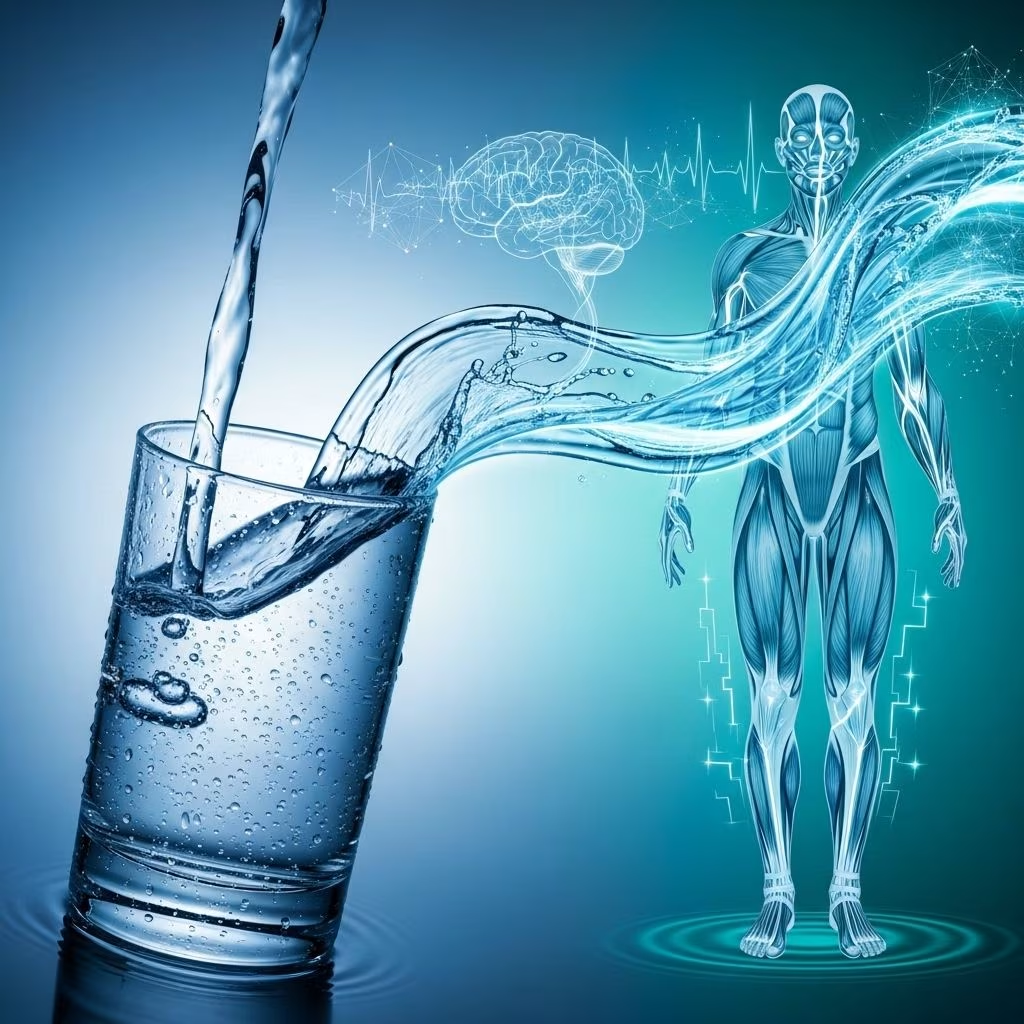
Hydration underpins virtually every biological process, sustaining not just our physical capabilities, but also how we think, feel, and perform daily tasks. From cellular functions to mood and intelligence, water is the unsung hero powering the complex systems that make us human. In this comprehensive exploration, we unpack the scientific evidence behind hydration’s far-reaching influence on both brain and body.
Understanding Hydration: The Basics
Hydration is the process of providing adequate fluids to the body to enable essential physiological processes. Water is vital for:
- Regulating body temperature
- Transporting nutrients and oxygen to cells
- Removing waste products through urination and sweating
- Lubricating joints and cushioning organs
Although it appears simple, the balance of water intake and loss is critical for health; even a small disturbance can rapidly impact performance and wellbeing.
Water: The Foundation of Body Composition
The human body is made up of between 45% to 75% water, with the percentage varying according to age, body composition, and sex. The brain itself is approximately 73% water, while organs such as the heart and muscles rely on water for optimal function.
Table: Estimated Water Content in Major Organs
| Organ | Approximate Water Content (%) |
|---|---|
| Brain | 73% |
| Heart | 73% |
| Lungs | 83% |
| Skin | 64% |
| Muscles & Kidneys | 79% |
| Bones | 31% |
Hydration and The Brain: Function and Structure
The brain’s high water content makes it particularly sensitive to changes in hydration. Brain cells need a careful balance of water and electrolytes to operate efficiently. Disruption through dehydration can compromise the structure and function of brain tissue.
Structural Changes
- Dehydration increases cerebrospinal fluid density and causes decreases in gray and white matter densities in various brain regions.
- Rehydration after water intake reverses these effects, raising gray and white matter density and restoring brain regional homogeneity.
- Acute dehydration (as little as 2.8% body mass lost) can reduce intracranial volume and expand cerebrospinal fluid spaces, indicating brain shrinkage which is restored after drinking water.
Functional Consequences
- Brain imaging shows altered brain shape and function during dehydration, resulting in intensified neural signaling and impaired performance, especially in tasks requiring sustained attention.
- Changes in brain volume and density are correlated with poorer task performance and increased fatigue.
Cognitive Performance and Hydration
Recent research underscores the direct link between hydration and cognitive abilities at all ages:
- Difficulties in focusing, impaired short-term memory, and trouble recalling long-term memories are common with dehydration.
- Slower mental arithmetic and decreased accuracy in complex tasks are more likely when fluid intake is below recommended levels.
- Even mild dehydration (1–2% body water loss) has been shown to lower cognitive performance, particularly in:
- Attention and concentration
- Working and short-term memory
- Reaction times
- Critical thinking and reasoning
- Decision making accuracy
- Visual sustained attention and memory tasks improve significantly after water consumption compared to performance while dehydrated.
- Increased anxiety and mental fatigue may also be linked to inadequate hydration.
Evidence from Studies
Multiple studies have confirmed these findings:
- Children and adults both show improved recall, attention, and reaction following rehydration.
- In controlled tests, participants who drank 200–330 mL of water performed better in attention and memory tasks than those who had none.
Hydration and Body Functions
Adequate hydration is equally important for physical health and performance:
- Muscle performance: Muscles depend on water for contraction, flexibility, and recovery.
- Thermoregulation: Water dissipates heat; dehydration can cause overheating and impair exercise capacity.
- Cardiovascular health: Water maintains blood volume and pressure, supporting circulation.
- Metabolic processes: Water is integral in digestion, absorption, and waste elimination.
- Joint and tissue health: Water cushions joints and tissues, reducing injury risk.
Even small fluid deficits can raise heart rate, lower endurance, and increase perceived effort during physical activity.
Signs, Causes, and Consequences of Dehydration
Dehydration can result from inadequate intake, excess losses (sweating, illness), or high environmental temperatures. Warning signs include:
- Thirst
- Dry mouth, lips, and skin
- Headache
- Reduced urine output or dark yellow urine
- Fatigue, dizziness, and confusion
- Impaired mood and irritability
Chronic or severe dehydration can lead to serious complications such as kidney stones, urinary tract infections, heat-related illness, and impaired cognitive function.
How Much Water Do We Need?
Fluid requirements vary depending on age, sex, body size, activity level, and climate. General guidelines recommend:
- About 2.7 liters (91 oz) per day for adult women
- About 3.7 liters (125 oz) per day for adult men
All fluids count toward these totals, including water, tea, coffee, and moisture in foods. However, individuals with greater physical activity, outdoor exposure, or illness may require more.
Hydration in Special Populations
- Children and Adolescents: Especially vulnerable due to lower thirst sensitivity; even mild dehydration can impair learning and growth.
- Older Adults: Thirst sense diminishes with age, increasing dehydration risk.
- Athletes or Outdoor Workers: Higher sweat losses demand greater fluid replacement.
- Pregnant and Breastfeeding Women: Require additional fluid for fetal growth and milk production.
Hydration and Disease Prevention
Proper hydration contributes to disease prevention in several ways:
- Reduces risk of kidney stones and recurring urinary tract infections
- May help regulate blood pressure and prevent hypertension
- Protects cognitive function, potentially reducing dementia risk with aging
- Supports skin health and immune function
Emerging evidence links even mild, chronic dehydration to higher risk of metabolic and cognitive disorders over a lifetime.
Tips for Optimal Hydration
- Drink water regularly throughout the day, not just when thirsty.
- Carry a reusable water bottle as a reminder.
- Choose water-rich foods such as fruits and vegetables.
- Monitor urine color: pale yellow usually indicates good hydration.
- Increase intake in hot or dry weather, during exercise, or when ill.
- Be mindful of caffeine and alcohol, which may increase fluid loss.
Frequently Asked Questions (FAQs)
Q: Can dehydration affect mood as well as mental performance?
A: Yes. Dehydration may increase anxiety, irritability, and subjective fatigue, hampering both cognitive and emotional wellness.
Q: Is it possible to drink too much water?
A: Overhydration or water intoxication is rare but can be dangerous, leading to hyponatremia, a dangerous dilution of blood sodium. Drink according to thirst and activity needs.
Q: Do caffeinated drinks count toward my daily hydration?
A: Yes. While caffeine has mild diuretic effects, regular consumers build a tolerance, and tea or coffee can count toward daily fluid intake.
Q: What are subtle signs of dehydration to watch for?
A: Beyond thirst, look for headaches, trouble concentrating, darker urine, dry lips, and unexplained fatigue.
Q: How can I help children or older adults stay hydrated?
A: Offer fluids regularly; provide water-with meals and snacks, and use reminders for those prone to forgetting. Encourage water breaks during physical play or outings.
References
- The Cognitive Effects of Proper Hydration – OSHA
- Dehydration and rehydration affect brain regional density … – Frontiers in Nutrition
- Effects of Dehydration and Rehydration on Cognitive Performance – PMC
- Levels of Hydration and Cognitive Function – News Medical
- Autonomic adaptations mediate the effect of hydration on the brain – Nature
- The Hydration Equation: Update on Water Balance and Cognitive Performance – PMC
- Dehydration Alters Human Brain Shape and Activity, Slackens Task … – Georgia Tech News
References
- https://www.osha.gov/sites/default/files/2023BeatTheHeatWinners/Contest_Innovative_KentPrecision_CognitiveEffectsHydration.pdf
- https://www.frontiersin.org/journals/nutrition/articles/10.3389/fnut.2022.906088/full
- https://pmc.ncbi.nlm.nih.gov/articles/PMC6603652/
- https://www.news-medical.net/health/Levels-of-Hydration-and-Cognitive-Function.aspx
- https://www.nature.com/articles/s41598-019-52775-5
- https://pmc.ncbi.nlm.nih.gov/articles/PMC4207053/
- https://news.gatech.edu/news/2018/08/23/dehydration-alters-human-brain-shape-and-activity-slackens-task-performance


