


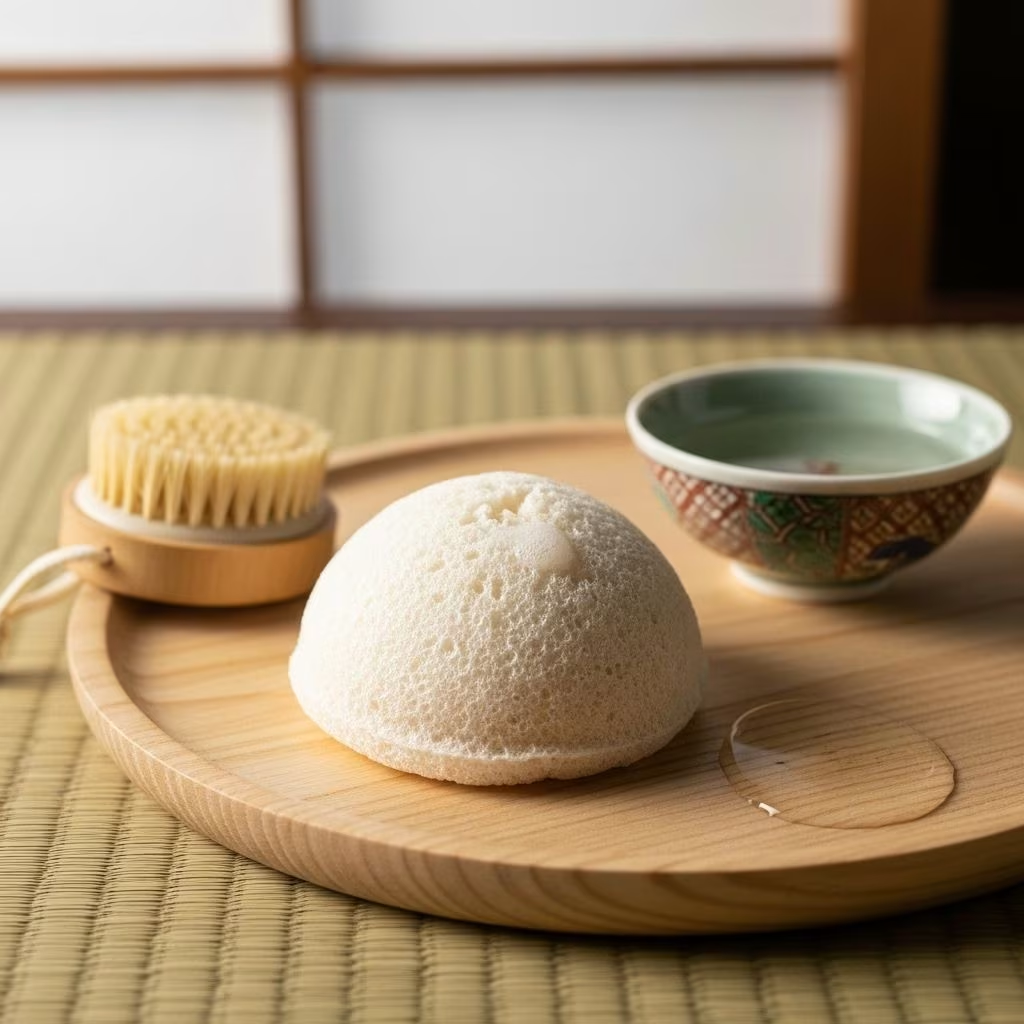
The Japanese konjac sponge has emerged as a beloved staple in natural skincare routines worldwide, but does this seemingly simple root-based beauty tool truly deserve its cult status? As consumers increasingly seek gentle, eco-friendly alternatives to harsh chemical exfoliants and synthetic cleansing tools, the konjac sponge has captured attention for its promise of soft, radiant skin through natural means. However, with countless skincare products competing for space in our bathrooms and wallets, the question remains: is a Japanese konjac sponge actually necessary for healthy skin, or is it just another trendy product that will eventually fade into obscurity?
Understanding whether this traditional Asian beauty secret is essential for your skincare routine requires examining its origins, benefits, limitations, and how it compares to other cleansing methods. This comprehensive guide explores everything you need to know about konjac sponges to help you make an informed decision about whether this gentle exfoliator deserves a permanent place in your daily regimen.
What is a Konjac Sponge?
A konjac sponge is a natural facial and body cleansing tool made from the root of the konjac plant, scientifically known as Amorphophallus konjac. This tuberous plant is native to subtropical regions of Asia, particularly Japan, China, and Indonesia, where it has been cultivated for centuries. The root is rich in glucomannan, a water-soluble polysaccharide that gives the sponge its distinctive texture and beneficial properties.
The manufacturing process involves drying and grinding the konjac root into a fine powder, which is then mixed with water and sometimes additional natural ingredients such as clays, charcoal, or green tea. This mixture is molded into the desired shape and allowed to dry completely. When dry, konjac sponges are hard and brittle, but once moistened with water, they transform into soft, pillowy tools with a slightly spongy texture that feels gentle against the skin.
What sets konjac sponges apart from traditional cleansing tools is their unique composition. Comprised mainly of plant fibers and naturally occurring vitamins and minerals, these sponges are entirely biodegradable and free from synthetic materials, making them an appealing choice for environmentally conscious consumers seeking sustainable beauty alternatives.
Historical Origins and Traditional Use
The story of the konjac sponge begins in rural Japan, where resourceful farmers sought a gentle cleansing solution for their babies’ delicate skin. Recognizing the naturally soft and non-irritating properties of the konjac plant, these farmers created the first konjac sponges as a safe alternative to harsher cleansing methods. This innovation quickly gained popularity, and the principle that what was gentle enough for infant skin would benefit people of all ages became widely accepted.
For centuries, konjac has been utilized across China, Korea, and Japan not only as a beauty aid but also as food, a dieting supplement, and for various medicinal purposes. The plant’s versatility and health benefits have made it a staple in Asian culture, with its applications extending far beyond skincare. However, it is the beauty industry that has recently brought konjac sponges to global attention, introducing Western consumers to this time-tested Asian secret.
The traditional Japanese approach to skincare emphasizes gentleness, natural ingredients, and consistent care—principles perfectly embodied by the konjac sponge. This alignment with broader Japanese beauty philosophy has contributed to the sponge’s enduring popularity and its seamless integration into modern skincare routines worldwide.
Key Benefits of Konjac Sponges
Understanding the specific advantages of konjac sponges helps clarify whether they are necessary for your particular skincare needs. These natural tools offer several noteworthy benefits that distinguish them from other cleansing methods.
Gentle Yet Effective Exfoliation
One of the most celebrated benefits of konjac sponges is their ability to provide gentle physical exfoliation without causing irritation. The slightly textured surface of the sponge removes dead skin cells from the surface layer, promoting cell turnover and revealing fresher, more radiant skin beneath. Unlike harsh scrubs with abrasive particles or stiff-bristled brushes that can damage the skin barrier, konjac sponges offer a softer touch that makes them suitable for daily use on most skin types.
Deep Pore Cleansing
Konjac sponges excel at removing dirt, oil, and impurities from deep within the pores. The natural texture of the sponge, combined with its water-absorbing properties, allows it to lift away debris that regular cleansing might miss. This deep cleaning action helps prevent clogged pores, reduces the appearance of blackheads, and creates a clearer complexion over time. For those with oily or acne-prone skin, this benefit can be particularly valuable in maintaining clearer skin.
Rich Nutritional Content
Konjac roots naturally contain an impressive array of vitamins and minerals that benefit skin health. Vitamin A aids in repairing damaged skin tissue, while vitamin B softens the skin and promotes a natural, healthy glow. Vitamin C supports the immune system and helps prevent skin irritations, and vitamin E serves as a powerful natural anti-aging ingredient. Additionally, konjac sponges contain beneficial minerals such as copper, zinc, iron, and magnesium, along with proteins, lipids, and fatty acids that support optimal skin function.
Natural Hydration
Unlike many exfoliating tools that can strip moisture from the skin, konjac sponges actually help maintain hydration. The glucomannan in konjac has natural moisturizing properties that can penetrate the first layer of the epidermis, bringing moisture to the surface and reducing the appearance of fine lines. This dual action of cleansing while nourishing makes konjac sponges particularly appealing for those who want to maintain skin softness and suppleness.
Efficient Makeup Removal
The exceptional water-absorbing capability of konjac makes these sponges highly effective for makeup removal. They can remove makeup and cleanse the skin using only water, though they also work well when paired with regular facial cleansers or makeup removers. This versatility eliminates the need for disposable makeup remover pads, offering both a more sustainable and more effective alternative.
Eco-Friendly and Sustainable
In an era of increasing environmental awareness, the biodegradable nature of konjac sponges represents a significant advantage. Made entirely from natural plant fibers without synthetic materials, these sponges decompose naturally after disposal, leaving minimal environmental impact. For consumers seeking to reduce their ecological footprint while maintaining effective skincare practices, this sustainability factor adds meaningful value.
Different Types and Varieties
While all konjac facial sponges contain konjac root as their base ingredient, they come in various types distinguished by added ingredients that target specific skin concerns. Understanding these variations helps consumers select the most appropriate option for their individual needs.
| Sponge Type | Added Ingredient | Best For | Key Benefits |
|---|---|---|---|
| Pure White | None (100% konjac) | Sensitive skin, all skin types | Gentle cleansing without additives, most versatile option |
| Charcoal (Black/Gray) | Activated charcoal | Oily, acne-prone skin | Detoxifies, controls sebum, antibacterial properties |
| Green Tea (Green) | Green tea extract | Combination skin, anti-aging | Antioxidant protection, soothes inflammation |
| Pink Clay (Pink) | French pink clay | Mature skin, dullness | Promotes youthful appearance, gentle detoxification |
| Red Clay (Red) | Red clay with oils | Dry skin, dullness | Extra hydration, increases blood flow, radiance boost |
| Aloe (Light Green) | Aloe vera | Irritated, inflamed skin | Calming, soothing, refreshing properties |
The choice between these varieties depends on individual skin concerns and goals. Those with sensitive skin or who prefer minimalist skincare may opt for the pure white version, while those targeting specific issues like acne or aging might benefit from specialized formulations. It is worth noting that the basic cleansing and exfoliating properties remain consistent across all types, with the added ingredients providing supplementary benefits rather than fundamentally changing how the sponge functions.
Who Should Use a Konjac Sponge?
Determining whether a konjac sponge is necessary requires understanding who benefits most from this tool and who might need to exercise caution or seek alternatives.
Ideal Candidates
Konjac sponges are particularly well-suited for individuals with normal to slightly sensitive skin who want a gentle daily cleansing and exfoliation method. Those with oily or acne-prone skin often find significant benefits, especially when using charcoal-infused varieties that help control excess sebum and prevent breakouts. People seeking natural, eco-friendly skincare alternatives appreciate the plant-based, biodegradable nature of these sponges.
Additionally, individuals who wear makeup regularly may find konjac sponges especially useful for thorough yet gentle makeup removal. The sponge’s ability to effectively cleanse without requiring harsh chemicals makes it valuable for those trying to minimize their exposure to synthetic ingredients. Anyone looking to simplify their skincare routine while maintaining effectiveness may also benefit from the multifunctional nature of konjac sponges.
Who Should Exercise Caution
Despite their generally gentle nature, konjac sponges are not universally appropriate for everyone. Individuals with very sensitive skin, conditions like rosacea, or active skin inflammation should approach konjac sponges with caution. While these sponges are softer than many exfoliating tools, they still provide physical exfoliation that can prove too stimulating for extremely reactive skin.
For these individuals, medical-grade chemical exfoliants such as alpha hydroxy acids, which are now formulated to be gentle and well-tolerated by sensitive skin types, may represent a better option. Those with open wounds, severe acne lesions, or compromised skin barriers should also avoid physical exfoliation until their skin has healed sufficiently.
Personal Preference Considerations
Beyond skin type considerations, personal preferences play a significant role in determining whether a konjac sponge is necessary. Some people prefer the tactile experience and sense of control that comes with using a handheld cleansing tool, while others find manual cleansing methods cumbersome compared to simple application of liquid cleansers. Those who enjoy multi-step skincare routines may welcome the addition of a konjac sponge, whereas minimalists seeking the most streamlined approach might question whether it adds sufficient value to justify the extra step.
How to Use a Konjac Sponge Properly
Maximizing the benefits of a konjac sponge while ensuring its longevity requires proper usage and maintenance techniques.
Initial Preparation
Before first use, thoroughly rinse the dry konjac sponge under warm water for several minutes until it becomes completely soft and expands to its full size. The sponge should feel pillowy and pliable, with no hard or brittle areas remaining. Gently squeeze out excess water without wringing or twisting, as this can damage the delicate plant fibers.
Daily Use Technique
To use the sponge for cleansing, first wet your face with warm water to open pores and prepare the skin. Thoroughly saturate the konjac sponge with water—it should be very wet and supple. The sponge can be used alone with just water for gentle cleansing, or you can apply a small amount of your regular facial cleanser to either the sponge or your face.
Using gentle circular motions, massage the sponge across your face, paying particular attention to areas prone to congestion such as the nose, chin, and forehead. Avoid applying excessive pressure; the natural texture of the sponge provides sufficient exfoliation without needing to scrub vigorously. Continue massaging for approximately one to two minutes, ensuring you cover all areas of the face while avoiding the delicate eye area.
After cleansing, rinse your face thoroughly with cool water to close pores and remove any remaining debris. Pat your skin dry with a clean towel and proceed with the rest of your skincare routine, such as applying toner, serums, and moisturizer.
Frequency of Use
Most people can safely use a konjac sponge once or twice daily as part of their morning and evening skincare routines. The gentle nature of the sponge makes frequent use possible without over-exfoliating. However, individuals with sensitive or reactive skin should start with once daily or every other day and observe how their skin responds before increasing frequency.
Proper Care and Maintenance
Maintaining your konjac sponge properly is essential for hygiene and longevity. After each use, rinse the sponge thoroughly under running water to remove all product residue and debris. Gently squeeze out excess water without wringing or twisting. Hang the sponge in a well-ventilated area where it can air dry completely between uses—a suction cup hook in the shower or on a bathroom wall works well.
Avoid leaving the sponge in standing water or in damp, enclosed spaces where bacteria and mold can develop. For deeper cleaning, you can sanitize the sponge weekly by soaking it in hot water or placing it in the microwave for 30 seconds while wet. Replace your konjac sponge every four to six weeks, or sooner if you notice any signs of deterioration, discoloration, or odor.
Limitations and Considerations
While konjac sponges offer numerous benefits, understanding their limitations provides a more balanced perspective on whether they are truly necessary for your skincare routine.
Limited Lifespan
Unlike permanent cleansing tools such as silicone brushes or stainless steel implements, konjac sponges are consumable products with a relatively short lifespan. Most sponges need replacement every four to six weeks, creating an ongoing expense and requiring regular repurchasing. For budget-conscious consumers, this recurring cost may be a significant consideration when evaluating necessity.
Maintenance Requirements
Konjac sponges require diligent care to prevent bacterial growth and maintain hygiene. They must be thoroughly rinsed after each use and allowed to dry completely in a well-ventilated area. This maintenance adds steps to your routine and requires suitable drying space in your bathroom. Failure to properly maintain the sponge can lead to bacterial or mold growth, potentially causing skin problems rather than solving them.
Variable Quality
The market for konjac sponges has expanded significantly, resulting in products of varying quality. Lower-quality sponges may contain synthetic fibers or additives, deteriorate more quickly, or fail to provide the gentle exfoliation that characterizes authentic konjac products. Consumers must research brands carefully and be willing to invest in higher-quality options to experience the true benefits.
Not a Comprehensive Solution
While konjac sponges effectively cleanse and gently exfoliate, they cannot replace a complete skincare routine. They do not provide the deep exfoliation of chemical exfoliants, the targeted treatment of serums and actives, or the protection of sunscreen. Viewing a konjac sponge as one component of a broader skincare strategy, rather than a standalone solution, provides a more realistic expectation of its role and necessity.
Alternatives to Konjac Sponges
Evaluating whether a konjac sponge is necessary also involves considering alternative cleansing and exfoliation methods that might serve similar purposes.
Manual Cleansing with Hands
The most basic alternative is simply using clean hands to apply and massage cleanser into the skin. This method requires no additional tools, involves no maintenance, and costs nothing beyond the cleanser itself. While it lacks the physical exfoliation provided by a sponge, many people maintain healthy skin using only their hands for cleansing.
Washcloths
Traditional washcloths offer gentle physical exfoliation similar to konjac sponges. They are reusable, can be laundered for hygiene, and many people already own them. However, washcloths can be rougher than konjac sponges and may prove too abrasive for sensitive skin. They also require regular washing to maintain cleanliness.
Chemical Exfoliants
Products containing alpha hydroxy acids, beta hydroxy acids, or enzymes provide chemical exfoliation that dissolves dead skin cells without physical scrubbing. These products can be highly effective and may offer more dramatic results than physical exfoliation. However, they can also cause irritation if used incorrectly and typically cost more than konjac sponges.
Silicone Cleansing Brushes
Electronic or manual silicone brushes offer long-lasting, hygienic cleansing tools that do not harbor bacteria as easily as natural fibers. They provide consistent results and require minimal maintenance. However, they represent a higher initial investment and may be too stimulating for sensitive skin.
Microfiber Cloths
Specially designed microfiber facial cloths effectively remove makeup and cleanse skin using only water. They are reusable, long-lasting, and cost-effective. However, like washcloths, they require regular laundering and may not provide the same gentle exfoliation as konjac sponges.
The Verdict: Is a Konjac Sponge Necessary?
After examining the benefits, limitations, and alternatives, we can now address the central question: is a Japanese konjac sponge actually necessary for healthy skin?
The honest answer is that a konjac sponge is not strictly necessary for everyone. Millions of people maintain healthy, beautiful skin without ever using one, relying instead on other cleansing methods or simple hand-washing techniques. Healthy skin fundamentally requires proper cleansing, adequate hydration, sun protection, and appropriate treatment of specific concerns—goals that can be achieved through various means.
However, necessity and value are not identical concepts. While a konjac sponge may not be essential in an absolute sense, it can provide significant value for certain individuals and specific situations. The sponge excels as a gentle, natural, eco-friendly tool that effectively combines cleansing, mild exfoliation, and makeup removal in a single step. For people with normal to oily skin who appreciate natural products and enjoy the ritual of using cleansing tools, a konjac sponge can enhance their skincare routine and deliver tangible benefits.
The necessity of a konjac sponge ultimately depends on individual factors including skin type, skincare goals, budget, environmental values, and personal preferences. Those seeking the gentlest possible physical exfoliation, people with oily or acne-prone skin looking for natural pore-cleansing solutions, and environmentally conscious consumers wanting sustainable beauty tools may find that a konjac sponge becomes an indispensable part of their routine. Conversely, those with very sensitive skin, individuals satisfied with their current cleansing methods, or people preferring chemical exfoliation may determine that a konjac sponge adds little value to their specific situation.
Rather than categorizing konjac sponges as universally necessary or unnecessary, a more nuanced perspective recognizes them as valuable tools that serve particular needs exceptionally well. They represent an accessible entry point into natural, gentle skincare that can complement or enhance many routines without requiring significant investment or drastic changes to existing practices.
Frequently Asked Questions
Q: How long does a konjac sponge typically last?
A: With proper care and maintenance, a konjac sponge typically lasts between four to six weeks with daily use. Signs that it is time to replace your sponge include visible deterioration, changes in texture, discoloration, or any unpleasant odor. Some people may need to replace their sponges more frequently depending on usage patterns and care practices.
Q: Can I use a konjac sponge if I have acne?
A: Yes, many people with acne find konjac sponges beneficial, particularly charcoal-infused varieties that help control excess oil and have antibacterial properties. However, avoid using the sponge on active breakouts or open lesions, as this can spread bacteria and cause further irritation. Use gentle motions and ensure your sponge is always clean to prevent introducing bacteria to compromised skin.
Q: Do I need to use cleanser with a konjac sponge?
A: No, cleanser is not strictly necessary. Konjac sponges can effectively cleanse and remove light makeup using only water due to their natural texture and water-absorbing properties. However, many people choose to use a small amount of their regular facial cleanser with the sponge for deeper cleansing or to address specific skin concerns. Both methods are valid and effective.
Q: Can konjac sponges be used on the body?
A: Yes, larger konjac sponges specifically designed for body use are available and work wonderfully for gentle body exfoliation. They can help improve skin texture, prevent body acne, and create smoother skin on areas like the back, chest, arms, and legs. Body sponges follow the same usage and care principles as facial sponges but are simply larger in size.
Q: Are konjac sponges safe for sensitive skin?
A: Konjac sponges are generally safe for most sensitive skin types due to their gentle nature. However, individuals with very sensitive skin, rosacea, or active inflammation should introduce the sponge gradually and monitor their skin’s response. Pure white konjac sponges without added ingredients are the gentlest option for sensitive skin. If irritation occurs, discontinue use and consider alternative cleansing methods.
Q: How do I know if my konjac sponge has gone bad?
A: Signs of a deteriorated konjac sponge include visible mold or mildew (often appearing as dark spots), a musty or unpleasant odor, significant breakdown of the sponge structure, or failure to soften properly when wet. If you notice any of these signs, replace the sponge immediately. Proper drying and storage between uses help prevent premature deterioration.
Q: Can I share my konjac sponge with family members?
A: No, konjac sponges should not be shared between individuals. These sponges come into direct contact with skin and can harbor bacteria, making sharing unhygienic and potentially contributing to the spread of skin problems or infections. Each person should have their own dedicated konjac sponge to maintain proper skincare hygiene.
Q: Are expensive konjac sponges better than cheaper ones?
A: Price does not always correlate directly with quality, but extremely cheap konjac sponges may contain synthetic fibers or lower-quality konjac root that deteriorates quickly. Mid-range options from reputable brands typically offer the best balance of quality and value. Look for sponges that specify 100 percent natural konjac and read reviews to assess durability and effectiveness before purchasing.
References
- https://www.shop-without-plastic.com/blogs/alternative-materials/konjac-sponge-skin-benefits-all-you-need-to-know
- https://www.healthline.com/health/konjac-sponge
- https://www.bareluxeskincare.com/blogs/elevated-simplicity/konjac-sponges
- https://thejbeautycollection.com/blogs/news/7-benefits-of-japanese-konjac-sponges-and-how-to-use-them
- https://peakscents.com/blogs/peak-scents/the-japanese-konjac-sponge-time-tested-forever-loved
- https://shikobeauty.com/blogs/culture/beginners-guide-to-japanese-beauty-tools-gua-sha-to-konjac-sponges
- https://shikohin.com/products/konjac-body-sponge
- https://withsimplicitybeauty.com/blogs/withsimplicity-blog/why-and-how-you-should-use-a-konjac-sponge


