


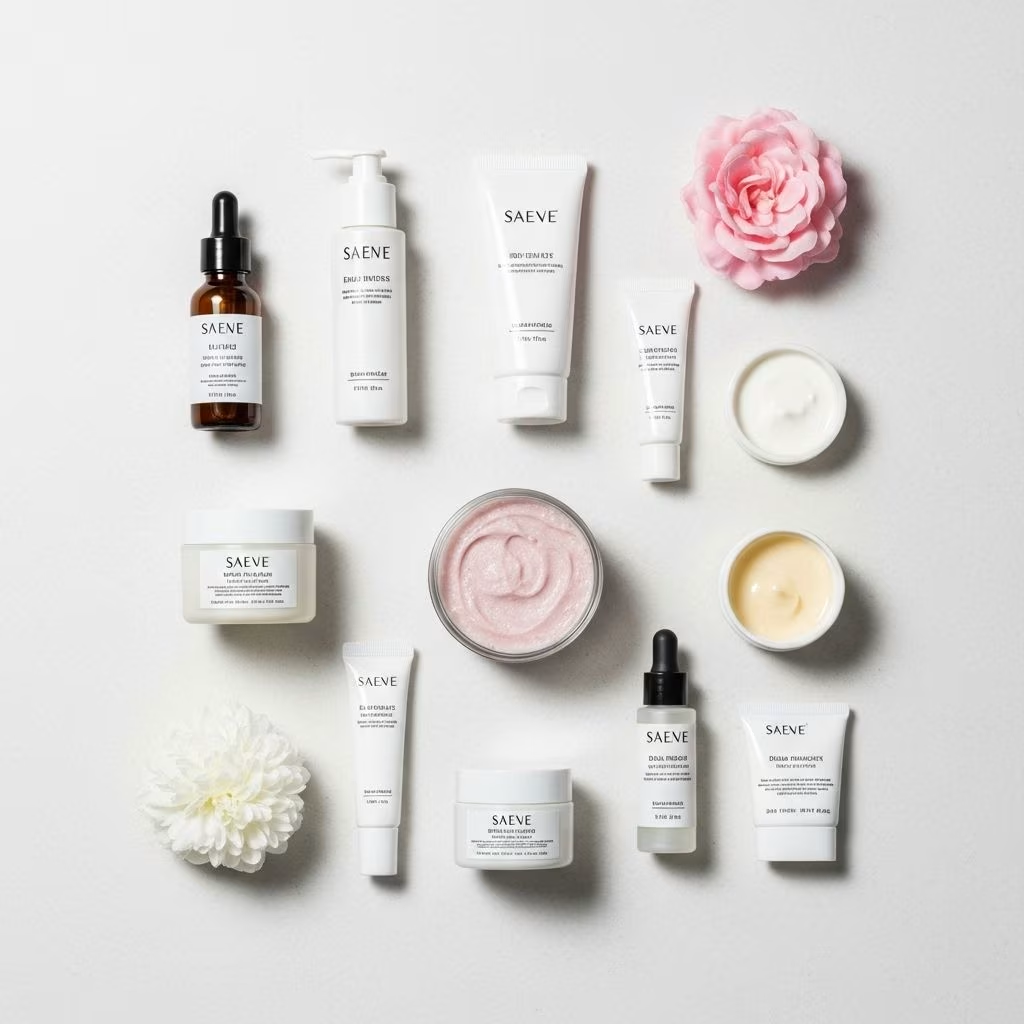
Japanese skincare, known as J-Beauty, has captivated the beauty world with its philosophy of achieving naturally radiant, youthful skin through gentle, consistent care. Unlike Western approaches that often focus on quick fixes, the Japanese skincare routine emphasizes prevention, hydration, and nurturing the skin’s natural barrier. This comprehensive guide will walk you through everything you need to know about starting your own Japanese skincare journey, from understanding the core principles to mastering each essential step.
Understanding the Philosophy Behind J-Beauty
The Japanese approach to skincare is rooted in centuries of tradition and the concept of mochi hada, which translates to skin as soft and supple as mochi rice cakes. This philosophy emphasizes long-term skin health over immediate results, focusing on consistent care and gentle treatments that work with your skin rather than against it. The Japanese believe that skincare is not merely a cosmetic practice but a ritual of self-care and purification, embodying the concept of kiyome, which represents both physical and emotional cleansing.
J-Beauty prioritizes hydration above all else, recognizing that well-moisturized skin is the foundation of a healthy complexion. This approach typically involves five to six streamlined steps that layer lightweight, hydrating products to create a protective barrier while allowing the skin to breathe. The routine is designed to be sustainable and enjoyable, transforming daily skincare into a meditative practice that nurtures both body and mind.
Essential Steps in a Japanese Skincare Routine
A typical Japanese skincare routine follows a logical progression that maximizes product absorption and effectiveness. Each step builds upon the previous one, creating a comprehensive treatment that addresses multiple skin concerns simultaneously.
Step 1: Double Cleansing – The Foundation of J-Beauty
Cleansing holds paramount importance in Japanese skincare culture. The double cleansing method ensures thorough removal of makeup, sunscreen, sebum, and environmental pollutants without stripping the skin of its natural oils. This two-phase approach begins with an oil-based cleanser that dissolves makeup and oil-based impurities, followed by a water-based cleanser that removes remaining residue and water-soluble debris.
For the first cleanse, many practitioners use cleansing oils or balms that transform into milky emulsions when mixed with water. These products effectively break down even waterproof makeup while maintaining skin hydration. The second cleanse typically involves a gentle foam or cream cleanser formulated with nourishing ingredients like rice bran, green tea extract, or fermented ingredients. Japanese cleansers are specifically designed to maintain the skin’s natural pH balance, preventing the tightness and irritation often associated with harsh Western cleansers.
When cleansing, take time to massage the product into your skin using gentle, circular motions. This practice not only ensures thorough cleansing but also promotes blood circulation and provides a moment of mindfulness in your daily routine. The goal is to leave your skin feeling clean, soft, and comfortable, never tight or dry.
Step 2: Exfoliation – Polishing for Radiance
Exfoliation in Japanese skincare differs significantly from Western practices. Rather than using harsh physical scrubs that can damage the skin barrier, J-Beauty favors gentle exfoliants used with intentional frequency. Traditional geisha skincare routines have employed komenuka, or rice bran powder, for centuries to polish the skin and reveal a brighter complexion.
The frequency of exfoliation should be tailored to your skin type. Those with normal to combination skin can exfoliate one to two times per week, while oily skin types may benefit from two to three sessions weekly. Sensitive or dry skin requires a gentler approach, with exfoliation recommended once every ten to fourteen days. Japanese exfoliants come in two main categories: physical exfoliants like konjac sponges, rice powders, and cleansing brushes that provide immediate smoothing effects, and chemical exfoliants including AHAs, BHAs, and PHAs that offer even, targeted treatment without mechanical friction.
Chemical exfoliants have gained popularity in modern J-Beauty for their ability to penetrate deeper layers of skin and address specific concerns. Glycolic acid and lactic acid (AHAs) work on the skin’s surface to improve texture and brightness, while salicylic acid (BHA) penetrates pores to address congestion and excess oil. PHAs offer the gentlest option, providing exfoliation benefits without irritation, making them ideal for sensitive skin types.
Step 3: Softening and Toning – Preparing the Canvas
The softening step represents one of the most distinctive elements of Japanese skincare, setting it apart from other beauty traditions. Japanese toners, often called lotions or softeners, differ dramatically from their Western counterparts. Rather than containing alcohol or astringent ingredients, these products are hydrating liquids designed to restore the skin’s pH balance and prepare it to absorb subsequent treatments more effectively.
These water-light formulations flood the skin with hydration while helping to tighten pores and refine skin texture. Application technique matters significantly in this step. Traditional Japanese practice involves saturating a cotton pad with three pumps of softener and gently swiping it across the face and neck. This method ensures even distribution and provides gentle physical exfoliation while depositing hydration. Alternatively, you can pat the product directly onto skin with your palms, which some find more economical and equally effective.
Japanese softeners are formulated with ingredients like fermented rice water, sake, hyaluronic acid, and botanical extracts that provide multiple benefits beyond simple hydration. They help increase the efficacy of serums and moisturizers applied afterward, making this step a crucial bridge in your routine. For those with normal to dry skin, richer, more emollient softeners provide extra nourishment, while those with oily or combination skin benefit from lighter formulations that help control sebum production.
Step 4: Essence – The Plumping Powerhouse
Essences, sometimes called beauty waters, have been treasured in Japanese skincare for their remarkable ability to transform skin texture and appearance. These potent liquids contain concentrated active ingredients in a lightweight, fast-absorbing base that penetrates deeply into the skin. While they might seem redundant to skincare newcomers, essences serve a distinct purpose in channeling hydration and treatment ingredients into deeper skin layers.
A quality essence can resurface, soften, plump, and amplify the effects of your entire skincare routine in a single application. Japanese essences often feature fermented ingredients, botanical extracts, and humectants that work synergistically to improve skin clarity, reduce the appearance of fine lines, and create a luminous complexion. This step is particularly important for achieving the coveted mochi hada texture that characterizes healthy Japanese skin.
Apply essence by gently pressing it into clean, toned skin using your fingertips or palms. The warmth of your hands helps the product absorb more effectively while providing a brief moment of facial massage. Many practitioners consider this step non-negotiable, as it provides a substantial hydration boost that benefits all skin types, from dry to oily.
Step 5: Strengthening with Serum – Targeted Treatment
Serums in Japanese skincare serve to strengthen the skin’s defense mechanisms and address specific concerns with concentrated active ingredients. This step should always follow cleansing, softening, and essence application but precede heavier moisturizers. Japanese serums are formulated to enhance the skin’s ability to defend itself against both internal and external stressors, including environmental pollution, UV damage, and natural aging processes.
These lightweight formulations contain high concentrations of active ingredients like antioxidants, peptides, vitamins, and botanical extracts that penetrate deeply to deliver visible results. Many Japanese serums focus on brightening, firming, and protecting the skin while boosting overall radiance. Apply serums by warming two pumps between your fingertips and smoothing the product evenly over your face and neck using gentle upward motions. This technique ensures even distribution while promoting lymphatic drainage and providing a moment of relaxing self-massage.
Step 6: Emulsion and Moisturizing – Sealing in Benefits
The final treatment step in a Japanese skincare routine involves applying an emulsion or cream to lock in all the hydrating and nourishing benefits of previous products. Japanese emulsions are lighter than Western moisturizers, featuring a gel-cream texture that provides substantial hydration without heaviness. This step forms a protective barrier over the skin, preventing moisture loss while allowing the skin to breathe and function naturally.
The choice between an emulsion and a richer cream depends on your skin type and the season. Those with oily or combination skin often prefer lightweight emulsions year-round, while dry skin types may opt for richer creams, especially during winter months. Many Japanese practitioners adjust their moisturizer weight seasonally, using lighter formulations in humid summers and more nourishing options during dry winters.
When applying moisturizer, take time to massage your face gently, closing your eyes and focusing on the sensory experience. This practice transforms a functional step into a treasured moment of self-care, embodying the mindful approach that characterizes Japanese beauty rituals. Use upward and outward motions to promote circulation and support the skin’s natural contours.
Step 7: Sun Protection – The Non-Negotiable Final Step
No Japanese skincare routine is complete without diligent sun protection. Japanese culture places enormous emphasis on preventing sun damage, recognizing that UV exposure is the primary cause of premature aging, hyperpigmentation, and skin cancer. Japanese sunscreens are renowned worldwide for their elegant textures, high protection levels, and cosmetically elegant finishes that make daily application a pleasure rather than a chore.
Japanese sunscreen formulations often feature innovative technologies that provide broad-spectrum protection without the white cast, greasiness, or heaviness associated with many Western sunscreens. Many products double as makeup primers, creating a smooth canvas while protecting against both UVA and UVB rays. Apply sunscreen generously as the final step in your morning routine, using approximately a quarter teaspoon for your face and another quarter teaspoon for your neck and décolletage.
Customizing Your Routine: Morning vs. Evening
Japanese skincare recognizes that skin has different needs at different times of day, leading to distinct morning and evening routines that optimize skin health around the clock.
Morning Routine: Prepare, Protect, and Energize
Your morning routine focuses on cleansing away overnight skincare, sweat, and cellular debris while preparing and protecting skin for the day ahead. Many practitioners with dry or sensitive skin prefer starting the day with a simple water rinse rather than a full cleanse, reserving double cleansing for evenings. Others benefit from a gentle morning cleanse to remove excess oil and refresh the complexion.
A typical morning J-Beauty routine includes purifying or polishing, applying essence to plump the skin, nourishing with a lightweight moisturizer, and protecting with sunscreen. This streamlined approach takes only minutes but sets a positive intention for the day while ensuring your skin remains protected and hydrated through environmental stressors.
Evening Routine: Deep Clean, Repair, and Restore
Evening routines provide an opportunity for more intensive treatment, as skin enters its natural repair mode during sleep. This is the time for thorough double cleansing to remove all traces of makeup, sunscreen, and daily accumulation. The evening routine typically includes all core steps: double cleansing, softening, essence, serum, and moisturizer, with optional additions like exfoliation (one to three times weekly depending on skin type) and treatment masks.
Nighttime is ideal for using richer, more nourishing products that might feel too heavy during the day. Many Japanese practitioners apply slightly more generous amounts of essence and moisturizer in the evening, supporting the skin’s overnight regeneration processes with ample hydration and nutrients.
Understanding Japanese Skincare Ingredients
Japanese skincare formulations feature unique ingredients drawn from traditional medicine, fermentation science, and botanical research. Understanding these ingredients helps you select products that align with your skin goals.
Rice and Rice Bran: Perhaps the most iconic J-Beauty ingredient, rice and its derivatives have been used for centuries to brighten, soften, and nourish the skin. Rice water contains vitamins, minerals, and antioxidants that improve skin texture and promote a luminous complexion.
Green Tea: Rich in polyphenols and antioxidants, green tea protects against environmental damage while soothing inflammation and controlling excess oil production. It’s particularly beneficial for combination and oily skin types.
Fermented Ingredients: Fermentation breaks down ingredients into smaller molecules that penetrate skin more effectively while enhancing their beneficial properties. Fermented sake, rice water, and botanical extracts deliver superior hydration and brightening benefits.
Camellia Oil: Extracted from camellia flower seeds, this lightweight oil closely mimics skin’s natural sebum, providing nourishment without greasiness. It’s rich in oleic acid and vitamins that support skin barrier health.
Seaweed and Marine Extracts: Japan’s island geography influences its skincare, with many products featuring seaweed and marine botanicals that provide minerals, amino acids, and hydration-boosting compounds.
Pearl and Silk Extracts: These luxurious ingredients have been used in Japanese beauty rituals for centuries, offering brightening, smoothing, and anti-aging benefits that contribute to the coveted porcelain complexion.
Common Mistakes to Avoid as a Beginner
Starting a new skincare routine requires patience and awareness. Avoid these common pitfalls to ensure your J-Beauty journey begins successfully.
Using too many products too quickly: Introduce new products gradually, adding one every week or two to monitor how your skin responds. Starting with a complete routine simultaneously makes it impossible to identify which products work well or cause reactions.
Skipping sunscreen: No matter how diligent you are with other steps, neglecting sun protection undermines your entire routine. UV damage accumulates daily, even on cloudy days or indoors near windows.
Over-exfoliating: While exfoliation provides immediate gratification, overdoing it damages your skin barrier and causes sensitivity. Respect recommended frequencies and reduce exfoliation if you experience irritation, redness, or increased sensitivity.
Applying products incorrectly: Pay attention to application order and technique. Products should progress from thinnest to thickest consistency, and gentle patting motions often work better than rubbing or pulling at the skin.
Expecting overnight results: Japanese skincare philosophy emphasizes gradual, sustainable improvement. Give products at least four to six weeks before evaluating their effectiveness, as this aligns with your skin’s natural renewal cycle.
Ignoring your skin type: Choose products formulated for your specific skin type and concerns. What works beautifully for oily skin may feel too light for dry skin, and vice versa.
Building Your Starter Kit
Beginning your Japanese skincare journey doesn’t require purchasing dozens of products. Start with these essentials and expand gradually as you understand your skin’s needs better.
For a minimal but effective routine, prioritize an oil-based first cleanser, a gentle second cleanser, a hydrating toner or softener, and a broad-spectrum sunscreen. These four products form the foundation of J-Beauty and provide significant benefits on their own. As you become comfortable with this basic routine, add an essence for extra hydration, a serum targeting your primary concern, and a moisturizer appropriate for your skin type.
When selecting products, research brands with strong reputations in the J-Beauty space. Many Japanese skincare companies have decades or even centuries of expertise in formulation and understand the principles that make these routines effective. Reading reviews from people with similar skin types and concerns helps narrow your choices and avoid products unlikely to suit your needs.
Adapting the Routine to Your Lifestyle
While traditional Japanese skincare routines involve multiple steps performed twice daily, modern practitioners understand the need for flexibility. The goal is consistency, not perfection. If your schedule doesn’t allow for an extensive routine morning and night, prioritize the most important steps and streamline where possible.
Busy mornings might call for a simplified routine using a gentle cleanser, essence, moisturizer, and sunscreen. Save more time-intensive steps like exfoliation and masking for evenings or weekends when you can fully embrace the ritual aspect of J-Beauty. The key is finding a sustainable routine that you’ll actually maintain, as consistent basic care outperforms sporadic intensive treatments.
Travel presents another opportunity for routine adaptation. Decant favorite products into travel-sized containers or invest in miniature versions of your essentials. Many Japanese brands offer travel kits that allow you to maintain your routine while away from home, ensuring your skin stays balanced regardless of your location.
Seasonal Adjustments in Japanese Skincare
Japanese skincare wisdom recognizes that skin’s needs change with the seasons, and routines should adapt accordingly. This responsive approach ensures your skin receives appropriate care year-round.
During humid summer months, lighten your routine by using gel-based cleansers, refreshing essences, and oil-free moisturizers. Focus on sun protection and oil control while maintaining adequate hydration. Many practitioners add vitamin C serums in summer to combat sun damage and prevent hyperpigmentation.
Winter demands richer formulations to combat dry air and indoor heating. Switch to cream cleansers, add facial oils to your routine, and use more nourishing moisturizers. Increase essence application and consider adding a humidifier to your bedroom to support skin hydration while you sleep.
Spring and autumn transition periods call for balanced routines that can adjust week by week as weather fluctuates. Keep both lighter and richer versions of key products on hand, switching between them as your skin signals its changing needs.
Frequently Asked Questions
Q: How long does a typical Japanese skincare routine take?
A: A complete Japanese skincare routine typically takes 10-15 minutes in the morning and 15-20 minutes in the evening. However, you can streamline the routine to 5-7 minutes if needed by focusing on the most essential steps: cleansing, toning, and moisturizing with sunscreen in the morning.
Q: Can I use Japanese skincare products with Western products?
A: Absolutely! Japanese and Western skincare products can be combined effectively. The key is understanding the purpose of each product and applying them in the correct order, from thinnest to thickest consistency. Many people create hybrid routines that incorporate the best elements of both approaches.
Q: Do I need to use all the steps every day?
A: While consistency yields the best results, you can adapt the routine to fit your lifestyle. At minimum, practice double cleansing in the evening, use a toner and moisturizer, and apply sunscreen daily. Add other steps as time and preference allow, understanding that even a simplified routine provides significant benefits.
Q: How do I know which products are right for my skin type?
A: Start by identifying your skin type: dry, oily, combination, or sensitive. Look for products specifically formulated for your type, and introduce them one at a time to observe how your skin responds. Dry skin benefits from richer, more emollient formulations, while oily skin prefers lightweight, gel-based products. Combination skin often requires different products for different facial zones.
Q: Is Japanese skincare suitable for acne-prone skin?
A: Yes, Japanese skincare can benefit acne-prone skin significantly. The gentle, hydrating approach helps maintain skin barrier health, which is crucial for managing acne. Choose non-comedogenic products, incorporate chemical exfoliants like salicylic acid, and focus on hydration to prevent the overproduction of oil that often results from dehydrated skin.
Q: When should I expect to see results from a Japanese skincare routine?
A: While some improvements like increased hydration appear within days, significant changes typically require 4-6 weeks of consistent use. This timeframe aligns with your skin’s natural cell turnover cycle. Patience is essential, as J-Beauty emphasizes gradual, sustainable improvement rather than dramatic overnight transformations.
Q: Are expensive Japanese skincare products necessary for results?
A: Not necessarily. While some luxury Japanese brands offer exceptional formulations, many affordable options provide excellent results. Focus on products with quality ingredients and formulations appropriate for your skin type rather than price tags. Japanese drugstore brands often offer outstanding value and effectiveness.
Embracing the J-Beauty Mindset
Beyond specific products and techniques, Japanese skincare represents a holistic approach to beauty and self-care. The ritual aspect transforms daily maintenance into a meditative practice that nurtures both physical and mental wellbeing. By approaching skincare with intention and mindfulness, you create moments of calm in busy days while investing in your long-term skin health.
The Japanese concept of mottainai, which expresses regret over waste, encourages using products fully and thoughtfully rather than accumulating endless options. This philosophy promotes sustainability and mindful consumption, focusing on quality over quantity. Rather than chasing every new trend, J-Beauty practitioners develop deep relationships with trusted products that consistently deliver results.
Starting a Japanese skincare routine as a beginner offers an opportunity to reset your relationship with skincare and self-care. By embracing the principles of gentle treatment, consistent care, and patient observation, you’re not simply adopting a new routine but cultivating a practice that honors your skin’s needs and supports its natural beauty. The journey toward radiant, healthy skin begins with a single step, and the Japanese approach ensures that each step along the way is taken with care, intention, and respect for the remarkable organ that is your skin.
References
- https://www.shiseido.com/us/en/skincare-blog/J-Beauty.html
- https://www.tatcha.com/blog/japanese-skincare-routine.html
- https://in.ilemjapan.com/blogs/news/japanese-skincare-routine-guide
- https://kokorojapanstore.com/blogs/blogs/simple-and-minimal-j-beauty-skincare-routine-to-achieving-mochi-skin
- https://bijo.paris/en/blogs/blog/layering-notre-guide-pour-comprendre-et-appliquer-chaque-etape
- https://www.youtube.com/watch?v=bz0urwI3oA0
- https://ayorkshiregirltravels.com/japanese-skin-care-routine/
- https://cremescoop.com/ultimate-guide-to-japanese-skincare-routine/


