


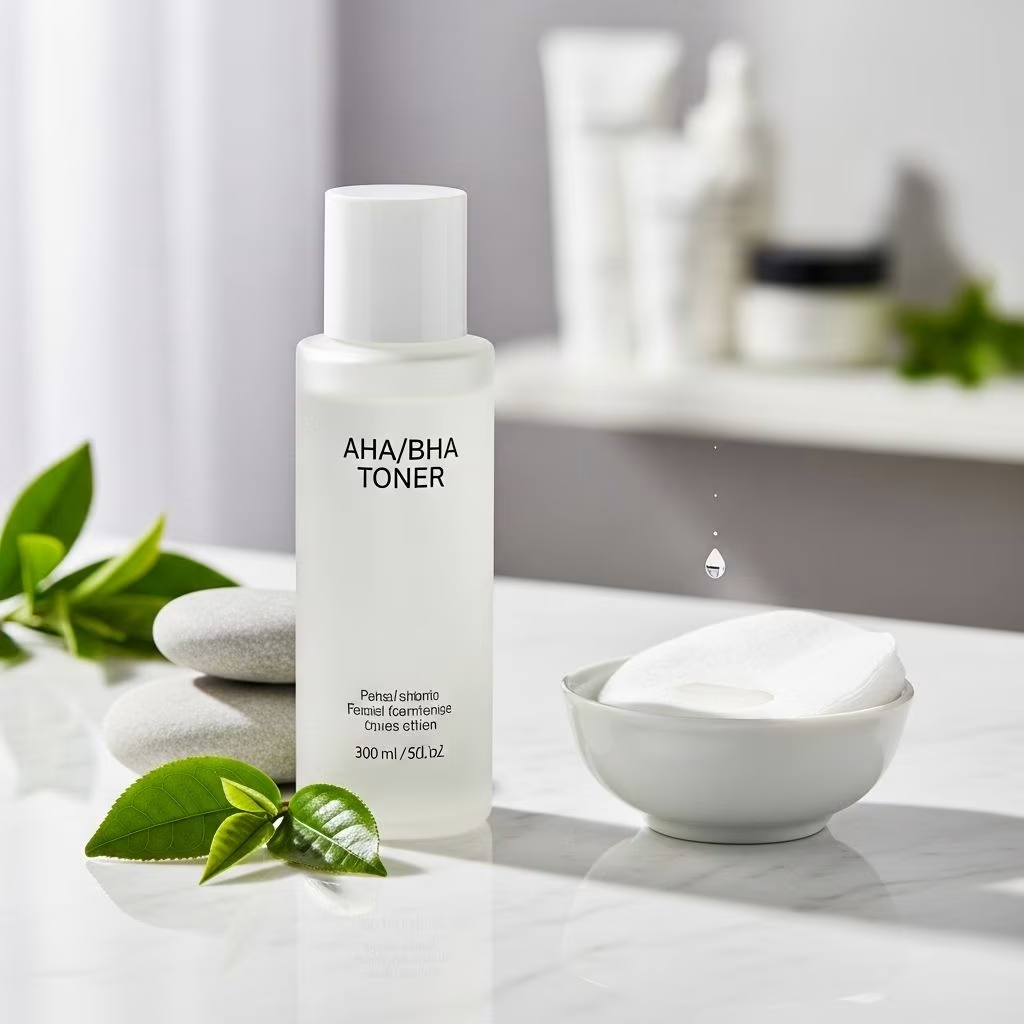
K-Beauty AHA/BHA Toner Troubleshooting Guide: Your Complete Cure for Glowing, Clear Skin
Introduction to K-Beauty Exfoliating Toners
AHA/BHA toners are a pillar of K-Beauty routines, celebrated for their power to exfoliate, brighten, and clear the skin—all in one gentle swipe. Unlike Western acid toners, Korean formulas focus on balancing efficacy with skin barrier protection by combining exfoliating acids with hydrating botanicals, so you reap results with less risk of irritation or over-exfoliation.
What Are AHAs and BHAs?
AHAs (Alpha Hydroxy Acids) are water-soluble exfoliants such as glycolic acid and lactic acid. They work on the surface of the skin, dissolving the bonds between dead skin cells to reveal smoother, more radiant complexion. AHAs are best for addressing:
- Dullness
- Uneven skin texture
- Fine lines and pigmentation
BHAs (Beta Hydroxy Acids) like salicylic acid and betaine salicylate are oil-soluble. They penetrate deeper into the pores to clear out oil and debris, making them ideal for:
- Oily skin
- Clogged pores and blackheads
- Light acne and congestion
| Acid Type | Solubility | Targets | Common Korean Ingredients |
|---|---|---|---|
| AHA | Water | Surface texture, radiance | Glycolic acid, lactic acid |
| BHA | Oil | Pores, congestion | Betaine salicylate, willow bark water |
Why Korean AHA/BHA Toners Stand Out
Korean AHA/BHA toners offer both surface and pore-level exfoliation. But more importantly, they are buffered with calming ingredients—think fruit waters, aloe, and centella—as well as lower acid concentrations, making them uniquely suitable for frequent use without wrecking your skin barrier.
- They typically come with additional hydration and barrier-support ingredients.
- AHAs often take lead in Korean toners; BHAs might be present at lower concentrations due to regulatory limits (e.g., betaine salicylate replacing salicylic acid).
- Formulated to minimize irritation and dryness common with Western exfoliating products.
Common Issues with AHA/BHA Toners
Even gentle K-Beauty toners can cause problems if used incorrectly, especially for beginners or those with sensitive complexions. Here’s a rundown of common challenges and what causes them:
- Excessive dryness or flaking: Often due to overuse or skipping hydration steps.
- Breakouts after initial use: Purging is normal as acids speed up cell turnover, but persistent or painful breakouts may indicate irritation or incompatibility.
- Burning, stinging, or redness: Telltale signs of over-exfoliation or skin barrier compromise.
- Lack of results: Sometimes the concentration is too low, or the toner isn’t used consistently.
- Photosensitivity: Increased vulnerability to sunburn or hyperpigmentation if skipping sunscreen.
Troubleshooting: How to Solve Toner Problems
If you’re running into trouble, don’t panic. Most AHA/BHA toner issues can be resolved with some simple tweaks:
- Problem: Dryness and tightness
Solution: Add extra hydrating layers (essences, ampoules, creams). Consider cutting back frequency until skin barrier is resilient again. - Problem: Redness or burning
Solution: Stop all exfoliating acids and switch to calming, barrier-repair products (centella, aloe, ceramides). Reintroduce slowly once skin recovers. - Problem: Breakouts (purging vs irritation)
- Purging: Small, fast-healing pimples where you usually break out; ends in a few weeks.
- Irritation: Painful, angry, crusty breakouts in new places; discontinue toner immediately and seek simpler routine.
- Problem: No visible change
Solution: Check acid concentration and ingredient list. Some Korean toners use low-percentage acids for gentleness. For stubborn texture, try a different product or use consistently for at least a month. - Problem: Sun sensitivity
Solution: Commit to daily broad-spectrum sunscreen, even if you’re mostly indoors.
Step-by-Step Usage Guide
Proper application is key to maximizing benefits and minimizing side effects. Here’s a clear routine for safe and effective use:
- Cleanse: Begin with a gentle, sulfate-free cleanser.
- Patch Test: Apply a small amount to your jawline or forearm and monitor for irritation for 24 hours—never skip this step.
- Apply Toner: Pour onto a cotton pad and sweep over your face, neck, and décolletage, avoiding eyes and lips.
- Wait: Allow skin to absorb the toner for 20–30 minutes before adding hydration steps—this maximizes exfoliation effects.
- Hydrate: Follow immediately with hydrating products like essences, serums, and moisturizers.
- Sunscreen: During the day, always finish with SPF 30 or higher; AHAs increase photosensitivity.
Frequency: Start with 2–3 nights per week, gradually increasing if skin tolerates. Daily use is rarely recommended for beginners.
Who Should (and Shouldn’t) Use These Toners?
- Best for those with dullness, texture issues, mild dark spots, or light breakouts.
- Safe for most skin types but not recommended for severely sensitive or compromised skin.
- Not suitable as a standalone hardcore acne cure—Korean BHAs (like betaine salicylate) are much gentler than pure salicylic acid.
- Pregnant or breastfeeding individuals should consult a dermatologist before using acid products.
Key Ingredients in Korean Toners
- Glycolic Acid (AHA): Sugarcane-derived, brightens and refines skin surface.
- Betaine Salicylate (BHA): Gentler BHA alternative, clears pores.
- Willow Bark Water: Plant-based BHA source, very mild pore cleaner.
- Fruit Waters (Apple, Green Plum): Offer antioxidants, hydration, and soothing effects.
- Centella Asiatica, Aloe Vera: Barrier-strengthening and anti-inflammatory botanicals.
Always review the ingredient list for possible allergens or irritants before buying.
Safety & Precautions
- Never use AHA/BHA toners on broken or inflamed skin.
- Do not layer with other strong actives (retinol, Vitamin C, additional acids) unless directed by a dermatologist.
- Always patch test—even if you’ve used similar products before.
- Protect with sunscreen daily, as acids can make skin highly photosensitive.
- Monitor skin closely for irritation, and pause use if redness, burning, or excessive sensitivity develops.
Frequently Asked Questions (FAQs)
Q: Why do Korean toners use betaine salicylate instead of pure salicylic acid?
A: South Korea restricts the percentage of salicylic acid permitted in cosmetics, leading brands to use gentler alternatives like betaine salicylate and willow bark extract, which deliver similar but milder exfoliation.
Q: Is purging normal when starting AHA/BHA toners?
A: Mild purging is expected as acids boost cellular turnover, bringing underlying clogs to the surface. This should settle in 2–4 weeks. Ongoing, painful, or cystic breakouts may signal irritation, not purging, and require discontinuing use.
Q: Can I use these toners every day?
A: Daily use can be tolerated by resilient skin types but is not recommended for beginners or those prone to sensitivity. Start slow and listen to your skin’s feedback.
Q: What should I do if my skin feels irritated or tight?
A: Stop use immediately, and focus on repairing hydration and barrier function with soothing products (centella, aloe, ceramides). Reintroduce acids only once skin returns to normal.
Q: How long does it take to see results?
A: Many users report smoother, clearer skin within 2–4 weeks of consistent use. Dullness fades quicker, while improvements in texture or spots take several weeks to months.
Q: Can I combine AHA/BHA toners with physical exfoliants?
A: Combining acids and scrubs is not recommended as this risks over-exfoliation and skin barrier breakdown. Stick to one exfoliating method at a time.
Q: Are Korean toners alcohol-free?
A: Most modern K-Beauty toners are water-based and free from alcohol, focusing on hydration and gentle clarifying ingredients.
Conclusion
K-Beauty AHA/BHA toners are multitasking marvels, renewing radiance and pore clarity with gentle precision. Success depends largely on following proper usage technique, respecting your skin’s limits, and adjusting to signs of stress. When troubleshooting issues, remember that every skin is different—listen to yours, choose products thoughtfully, and prioritize barrier support alongside exfoliation.
With careful selection and these expert tips, Korean exfoliating toners can become a trusted staple for luminous, healthy skin.
References
- https://www.youtube.com/watch?v=U5BA6AYHYW0
- http://www.reflectionofsanity.com/2018/01/the-skincare-edition-cosrx-ahabha.html
- https://www.beautifulwithbrains.com/korean-aha-bha-toner/
- https://www.youtube.com/watch?v=5KTH4U2FcTE
- https://bykoreabeauty.com/blogs/blog-bykorea/a-beginner-s-guide-to-acids-in-korean-skincare-aha-bha-pha
- https://www.cosrx.com/blogs/skinsights/toners-toners
- https://shopichigo.com/kbeauty-for-beginners-aha-bha/
- https://saranghae.ch/blogs/news/the-power-of-acids-in-korean-skincare-a-guide-to-aha-bha-pha-more


