


Introduction
Keratosis pilaris, commonly known as “chicken skin” or “strawberry skin,” is a widespread skin condition affecting millions worldwide, characterized by rough, bumpy patches, especially on the upper arms, thighs, cheeks, and occasionally the body. While not harmful, it can cause self-consciousness and frustration for those who experience it. Recent years have seen a surge in popularity for Korean beauty (K-Beauty) solutions, renowned for their innovative ingredients, gentle formulations, and multi-step routines. This article explores how K-Beauty addresses keratosis pilaris, offering both at-home and professional treatment options for smoother, healthier-looking skin.
What Is Keratosis Pilaris?
Keratosis pilaris is a common, genetic skin condition that results from the buildup of keratin, a protein that protects the skin from infections and toxins. This excess keratin blocks hair follicles, forming tiny, rough bumps that may appear red or skin-colored. The condition is most prevalent among adolescents but can persist into adulthood. Although harmless, it can be aesthetically and socially bothersome, leading many to seek effective management strategies.
Causes and Symptoms
The primary cause of keratosis pilaris is a genetic predisposition, meaning it’s inherited and cannot be permanently cured—only managed. Symptoms include:
- Small, rough bumps resembling goosebumps or sandpaper
- Redness or hyperpigmentation in affected areas
- Dryness and occasional itchiness
- Mild irritation and inflammation
Aggravating factors include dry skin, harsh weather, and over-exfoliation, which can damage the skin barrier and worsen the condition.
Why K-Beauty for Keratosis Pilaris?
Korean skincare, or K-Beauty, has gained global attention for its focus on hydration, gentle exfoliation, and advanced ingredient science. Unlike aggressive Western treatments, K-Beauty emphasizes skin barrier protection and long-term skin health. Its multi-layered approach—cleansing, exfoliating, treating, moisturizing—aligns perfectly with the needs of KP-prone skin, which requires consistent care to minimize bumps and redness.
Core Principles of K-Beauty for KP
K-Beauty’s philosophy centers on:
- Gentleness: Avoiding harsh scrubs and physical abrasion that can irritate KP.
- Hydration: Keeping the skin barrier healthy with lightweight, deeply moisturizing products.
- Chemical Exfoliation: Using AHAs, BHAs, and PHAs to dissolve dead skin cells and prevent clogged follicles.
- Ingredient Innovation: Incorporating ceramides, niacinamide, hyaluronic acid, and fermented extracts for skin resilience.
Best K-Beauty Ingredients for KP
The following ingredients are central to K-Beauty routines for keratosis pilaris:
- AHAs (Alpha Hydroxy Acids): Lactic and glycolic acids gently exfoliate and promote cell turnover.
- BHAs (Beta Hydroxy Acids): Salicylic acid penetrates pores for deeper exfoliation.
- PHAs (Polyhydroxy Acids): Gentler alternatives that provide hydration without irritation.
- Ceramides: Restore and reinforce the skin barrier.
- Niacinamide: Reduces redness and inflammation.
- Hyaluronic Acid: Deeply hydrates and soothes rough patches.
Daily Skincare Routine for KP
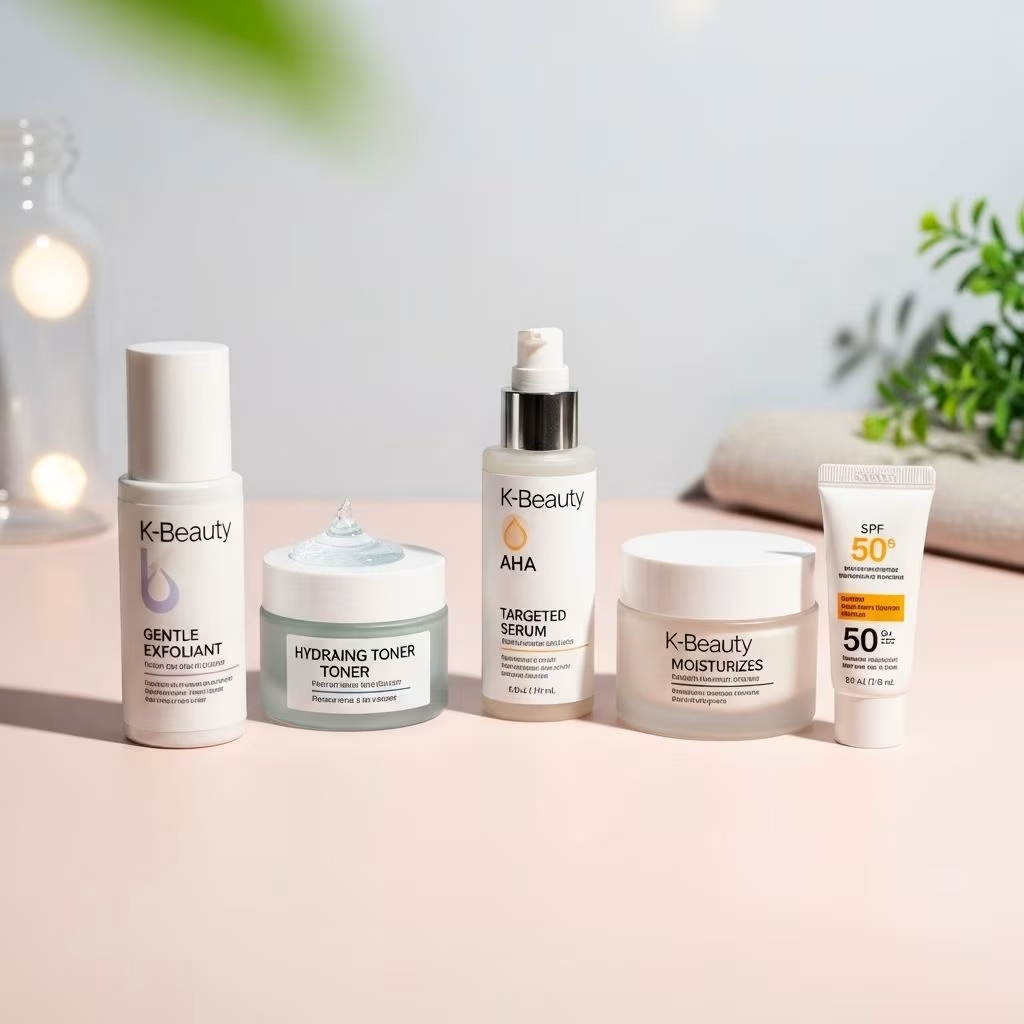
A structured K-Beauty routine can significantly improve KP’s appearance. Here’s a sample regimen:
- Cleansing: Use a gentle, non-stripping cleanser. Avoid hot water, which can dry out skin.
- Exfoliation: Apply a chemical exfoliant (AHA/BHA/PHA toner or serum) 2–3 times per week to dissolve dead skin cells.
- Treatment: Apply a hydrating essence or ampoule containing niacinamide or ceramides.
- Moisturizing: Use a rich, non-comedogenic moisturizer to lock in hydration. Pyunkang Yul Kids & Baby Lotion is recommended for sensitive, KP-prone skin.
- Protection: Use a broad-spectrum SPF during the day to prevent UV-induced irritation and pigmentation.
Consistency is key—visible improvements in skin texture and redness can be seen in as little as one week of regular care.
Recommended K-Beauty Products for KP
| Product Type | Product Name | Key Ingredients | Benefits |
|---|---|---|---|
| Body Cleanser | Some By Mi AHA BHA PHA 30 Days Miracle Body Cleanser | AHAs, BHAs, PHAs | Exfoliates without irritation, reduces bumps and redness |
| Toner | Some By Mi AHA BHA PHA 30 Days Miracle Toner | AHAs, BHAs, PHAs | Continues gentle exfoliation, brightens uneven skin tone |
| Moisturizer | Pyunkang Yul Kids & Baby Lotion | Ceramides, Panthenol | Deeply hydrates, soothes irritation, strengthens barrier |
Advanced K-Beauty Treatments
For those seeking enhanced results, K-Beauty offers advanced treatments beyond daily care:
- Skin Botox (Microinjections): Involves injecting small amounts of neurotoxin into the skin’s surface to calm pores, blood vessels, and oil glands, resulting in smoother, even-looking skin for 6–8 weeks.
- Microneedling: Performed by dermatologists, microneedling triggers collagen and elastin production, helping to smooth KP bumps over several sessions.
- Laser Therapy: IPL (Intense Pulsed Light) and PDL (Pulsed Dye Laser) can reduce redness and texture caused by KP, while Nd:YAG lasers act on water in the skin for deeper, gentler improvement.
Professional Dermatological Approaches
While K-Beauty excels in at-home care, professional dermatological treatments may be necessary for stubborn cases. These include:
- Skin Botox Clinics: Widely available in South Korea, these treatments can be costly but provide temporary relief for facial KP.
- Prescription Topicals: Urea or stronger retinoids may be prescribed for severe KP to accelerate cell turnover.
- In-Office Exfoliation: Chemical peels and microdermabrasion performed by professionals can complement home routines.
Success Stories and Challenges
Many users report significant improvements in KP with consistent K-Beauty routines, noting smoother, less itchy skin and reduced bumps. However, results vary, and KP often returns if treatment is discontinued, as the condition is genetic and chronic. Challenges include:
- Finding products that are effective without causing irritation.
- The need for ongoing maintenance to sustain results.
- Cost and accessibility of certain advanced treatments.
Frequently Asked Questions (FAQs)
Q: Can K-Beauty completely cure keratosis pilaris?
A: No, KP is a genetic condition and cannot be permanently cured. K-Beauty can effectively manage symptoms and improve appearance, but maintenance is required for lasting results.
Q: How quickly can I see results with K-Beauty for KP?
A: Some people notice smoother, less bumpy skin in as little as a week with diligent exfoliation and hydration. Full results may take several weeks to months depending on severity.
Q: Can I use physical scrubs for KP?
A: Physical scrubs can irritate KP and damage the skin. Chemical exfoliants (AHAs, BHAs, PHAs) are preferred for gentle, effective results.
Q: Are there any K-Beauty treatments for children with KP?
A: Yes, gentle products like Pyunkang Yul Kids & Baby Lotion are suitable for sensitive and child-safe skin care. Always consult a pediatric dermatologist for severe cases.
Q: What should I do if K-Beauty products irritate my skin?
A: Discontinue use and consult a dermatologist. Harsh reactions may indicate sensitivity to certain ingredients. Always patch-test new products.
Conclusion
K-Beauty offers a comprehensive, gentle, and innovative solution for managing keratosis pilaris, combining daily care with advanced treatments. While KP cannot be permanently eliminated, a consistent, multi-layered approach—emphasizing hydration, chemical exfoliation, and ingredient innovation—can significantly improve skin texture and reduce bumps and redness. Whether you rely on at-home products or seek professional help, embracing K-Beauty’s skincare philosophy can lead to smoother, healthier, and more confident skin.


