


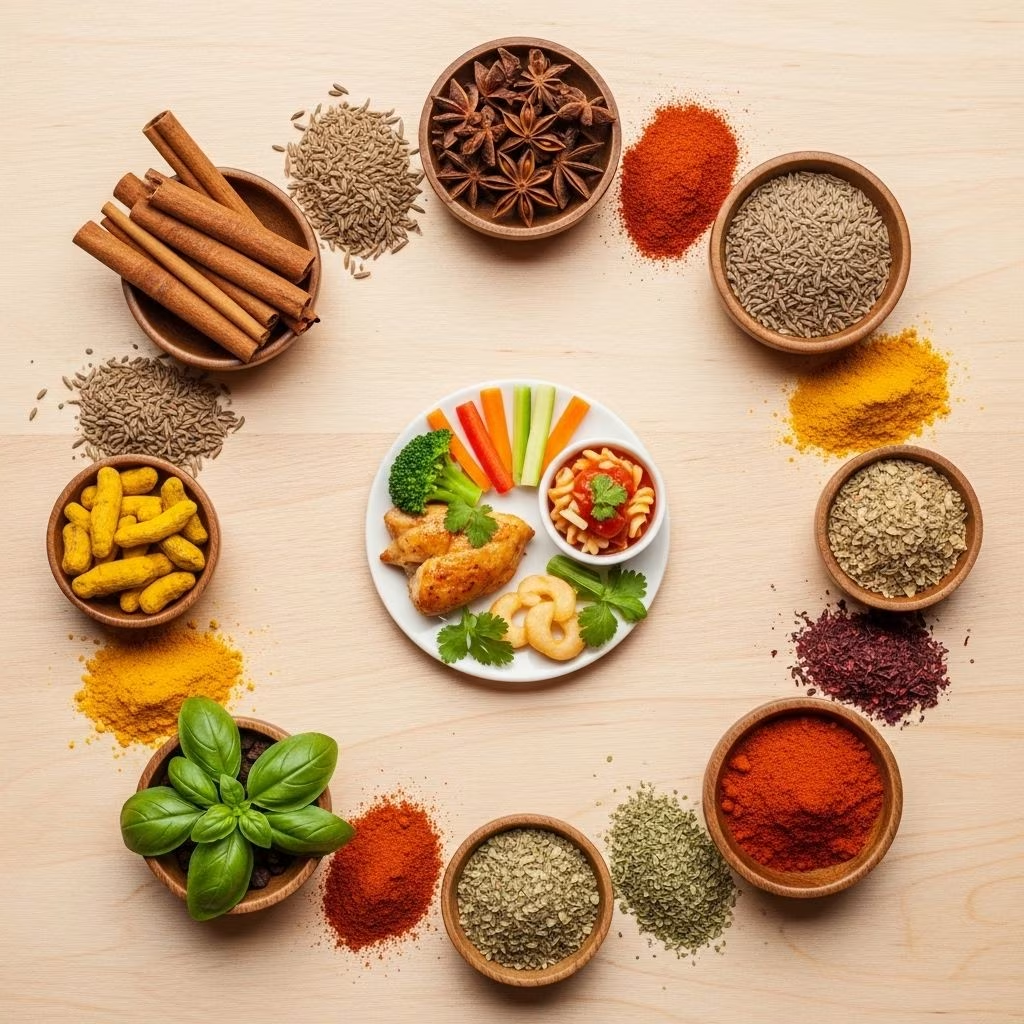
Spices & Seasonings to Make Healthy Kids Meals Flavorful
Flavor is at the heart of every memorable meal—especially for children whose eating habits and palates are still developing. Introducing a variety of spices and seasonings to healthy kids meals is a powerful way to make nutritious foods appealing, encourage adventurous eating, and set the foundation for a lifetime of good choices. This guide explores the safest, most effective strategies for flavoring children’s meals, balancing fun with health and practical kitchen wisdom.
Introduction & Key Benefits
Getting children to enjoy healthy meals can be a challenge, but spices and herbs change the game, adding color, aroma, and taste. These natural ingredients:
- Encourage adventurous eating by introducing diverse tastes and cultures into everyday dishes.
- Boost nutrition—many herbs and spices contain vitamins, minerals, and antioxidants that support growth and immunity.
- Reduce reliance on salt and sugar by enhancing flavor naturally.
- Create positive kitchen memories, building culinary skills and healthy habits through hands-on participation.
Understanding Spices and Seasonings
Spices are derived from roots, seeds, bark, or fruits of plants, while herbs are generally leafy greens. Together, they transform bland foods into flavorful favorites. The key is starting with mild and familiar flavors, building up complexity as children’s palates mature.
How to Choose Kid-Friendly Spices & Herbs
Choose seasonings that are:
- Mild: Avoid intense heat or strong bitterness in early stages.
- Aromatic: Sweet-smelling or gentle savory notes help stimulate appetite.
- Versatile: Can be used across sweet and savory dishes.
- Natural and wholesome: Opt for spices free of additives or artificial flavorings.
Always introduce new flavors one at a time and in small amounts, letting kids taste and experiment as they go.
Age Guide: Introducing Flavors By Age Group
Children’s taste buds evolve with age. Here’s a helpful guide to starting points:
| Age Group | Suggested Herbs | Suggested Spices |
|---|---|---|
| 2-4 years | Basil, Parsley, Mint | Cinnamon, Nutmeg |
| 5-7 years | Oregano, Thyme, Dill | Turmeric, Mild Paprika |
| 8+ years | Rosemary, Sage, Cilantro | Cumin, Mild Curry Powder |
Start modestly and listen to your child’s feedback, gradually amplifying flavors as their preferences grow.
Top Kid-Friendly Spices & Seasonings
Sweet Spices
- Cinnamon: Adds warmth and sweetness to oatmeal, apples, pancakes. Try a sprinkle instead of sugar.
- Nutmeg: Mild, aromatic—perfect in baked goods or warm drinks.
- Vanilla: Offers natural sweetness. Works well in smoothies or baked treats.
| Sweet Spice | Best Uses | Suggested Amount |
|---|---|---|
| Cinnamon | Oatmeal, Baked Apples | 1/4 tsp |
| Nutmeg | Hot Drinks, Cookies | 1/8 tsp |
| Vanilla | Smoothies, Pancakes | 1/2 tsp |
Gentle Savory Spices
- Garlic powder: Subtle savory addition for pasta, rice, or roasted veggies.
- Onion powder: Perfect for homemade dips, soups, gentle seasoning in mashed potatoes.
- Smoked paprika: Adds mild depth to roasted chicken or potatoes.
| Savory Seasoning | Popular Uses | Starting Amount |
|---|---|---|
| Garlic Powder | Pasta, Veggies | 1/4 tsp |
| Onion Powder | Soup, Dips | 1/4 tsp |
| Dried Parsley | Rice, Potatoes | 1/2 tsp |
Herbs for Health and Flavor
- Basil: Sweet and slightly peppery, great in tomato dishes and sandwiches.
- Parsley: Fresh and grassy, brightens up grains, potatoes and salads.
- Oregano: Mildly earthy, ideal for pizza, pasta, and Mediterranean-inspired meals.
- Mint: Refreshing in fruit salads or yogurt dips; helps lift simple snacks.
- Dill: Adds gentle tang to fish, potatoes, or homemade dressings.
Herbs not only provide flavor, but many are rich in vitamins (like A, C, and K) and antioxidants, supporting growth and immunity.
Simple Homemade Spice Mixes for Kids
Custom spice blends add fun and variety—making meal prep a creative science experiment for young cooks. Try these easy mixes, tailored for gentle palates:
- Chili Seasoning (Mild):
- 4 tbsp chili powder
- 4 tsp ground cumin
- 1 tsp garlic powder
- 2 tsp onion powder
- 1 tsp salt, 1 tsp pepper
Use 2 tbsp per pot of chili for subtle warmth.
- Chinese 5-Spice Blend:
- 1 tbsp cinnamon
- 3 star anise (ground)
- 1 tsp crushed fennel seed
- 1/2 tsp black pepper
- Dash cloves
Sprinkle into stir-fries or as a poultry rub for extra aroma and flavor.
- Homemade Curry Powder:
- 3 tbsp paprika
- 2 tsp cumin, 2 tsp fennel seed (ground)
- 2 tsp mustard seed (ground)
- 1 tbsp turmeric
- 1/2 tsp cinnamon, 1/2 tsp cardamom, 1/2 tsp cloves
Start with just 1/2 tsp, adjusting for taste.
Safety Tips & Handling Seasonings
- Always supervise children when measuring and mixing seasonings.
- Store spices in a cool, dry place to maintain quality and avoid spoilage.
- Teach proper measuring using small spoons for controlled amounts.
- Introduce new flavors slowly and one at a time to identify preferences or sensitivities.
- Avoid dusty or powdered spices near very young children who may inhale them.
Engaging Kids in Flavorful Cooking
Making mealtime a sensory adventure encourages kids to explore, learn, and develop their own preferences:
- Let kids pick herbs from a fresh garden—easy plants like basil and parsley grow quickly, making harvesting playful and rewarding.
- Encourage sensory learning: let kids smell, touch, and taste herbs and spices before adding them to dishes.
- Try spice-scented play dough or simple mixing activities as part of recipe preparation.
- Assign age-appropriate kitchen tasks: crushing mint or basil, measuring cinnamon, stirring spice blends.
Sample Recipes Featuring Spices & Herbs
1. Cinnamon Oat Pancakes
- Whole rolled oats
- Mashed bananas
- Eggs
- 1–2 tsp cinnamon
- Dash vanilla
Mix ingredients, ladle into a skillet, and cook until golden. Cinnamon naturally sweetens pancakes, lowering the need for added sugar.
2. Rainbow Veggie Pizza with Homemade Herb Blend
- Whole wheat pizza base
- Tomato sauce
- Sprinkle mix: dried oregano, basil, parsley
- Colorful vegetables: bell peppers, spinach, mushrooms
- Low-fat mozzarella
Let children arrange veggies and sprinkle herbs before baking. Herb flavors entice picky eaters and add key nutrients.
3. Mild Veggie Curry
- Chopped carrot, potato, broccoli
- Chickpeas
- 1–2 tsp homemade mild curry powder
- Low-sodium vegetable broth
- Fresh cilantro for garnish
Simmer ingredients until tender, adding curry powder midway. Kids can help measure spices or sprinkle fresh herbs at the end.
Frequently Asked Questions (FAQs)
Q: Are spices safe for children?
A: Yes, when used in small amounts and introduced slowly, mild spices like cinnamon, nutmeg, garlic powder, and gentle herbs are safe and beneficial for most children.
Q: How do I know if my child is sensitive to a spice?
A: Start with a small sample (just a pinch) and observe reactions. Avoid hot, spicy peppers and introduce only one new seasoning at a time. If any irritation or discomfort is noted, discontinue use and consult your pediatrician.
Q: Can herbs and spices replace salt in kids’ meals?
A: Absolutely! Herbs and spices are excellent salt replacements, enhancing flavor and nutrition while helping to reduce sodium intake—a key benefit for heart and overall health.
Q: What if my child refuses foods with added spices?
A: Persistence and creativity help. Pair new flavors with favorite dishes, transform mealtime into fun experiments, and encourage tasting rather than insisting—palates change over time with gentle exposure.
Q: How can I involve my kids in preparing meals with spices?
A: Assign sensory-friendly tasks—smelling, touching, measuring, mixing—and let kids invent their own spice blends for a sense of ownership. Garden-grown herbs provide extra excitement and responsibility.
References
- https://baketivity.com/blogs/news/cooking-with-herbs-spices-a-kids-guide-to-flavor-fun
- https://lifeschoolingconference.com/eight-great-spice-mixes-to-make-with-your-kids/
- https://www.aicr.org/resources/blog/flavor-up-your-familys-snacks-with-herbs-and-spices/
- https://spicerealm.com/blogs/news/child-friendly-recipes-using-natural-spices-making-healthy-eating-fun
- https://www.staceyclare.com/blog/kid-friendly-spices/
- https://www.lomavistaproducts.com/cooking-with-kids-7-fun-family-meals-to-gently-introduce-spice/


