


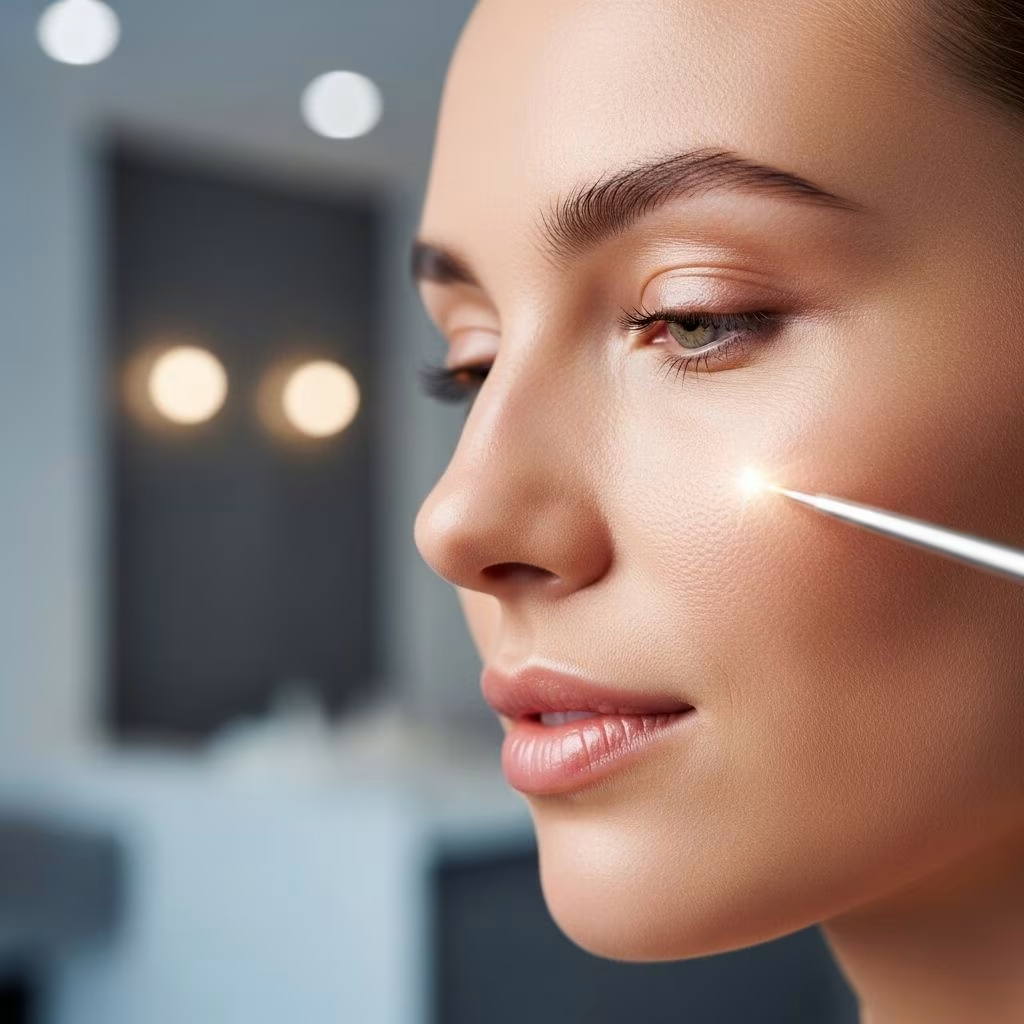
Laser therapy has revolutionized the skincare industry, offering non-invasive solutions for various skin concerns ranging from fine lines and wrinkles to acne scars and pigmentation issues. These advanced treatments harness the power of focused light energy to transform skin appearance, stimulate natural healing processes, and deliver remarkable results without the need for surgical intervention. Understanding the different types of laser treatments available and their specific benefits can help you make informed decisions about your skincare journey.
As technology continues to advance, laser treatments have become increasingly sophisticated, offering tailored solutions for diverse skin types and concerns. Whether you’re dealing with signs of aging, sun damage, unwanted hair, or textural irregularities, there’s likely a laser treatment designed to address your specific needs. This comprehensive guide will walk you through everything you need to know about laser therapy for skincare, from how these treatments work to what you can expect during and after procedures.
Understanding How Laser Therapy Works
Laser therapy operates on the principle of delivering precise, concentrated light energy to targeted areas of the skin. This focused energy penetrates specific skin layers, depending on the laser type and wavelength used, triggering a cascade of beneficial biological responses. The primary mechanism involves stimulating the body’s natural collagen production, a crucial protein that maintains skin firmness, elasticity, and youthful appearance.
When laser energy reaches the skin, it creates controlled micro-injuries that prompt the body’s healing response. This process encourages cellular renewal and regeneration, leading to the replacement of damaged skin cells with fresh, healthy tissue. The heat generated by the laser also works to tighten existing collagen fibers while promoting the formation of new collagen over time. This dual action results in progressive improvements in skin texture, tone, and overall appearance that continue to develop for several months following treatment.
Different wavelengths of laser light target specific chromophores in the skin, such as melanin for pigmentation issues, hemoglobin for vascular concerns, or water content for resurfacing treatments. This selectivity allows practitioners to customize treatments based on individual skin conditions and desired outcomes, ensuring optimal results with minimal impact on surrounding tissues.
Types of Laser Treatments for Skincare
The world of laser skincare encompasses a diverse range of treatment options, each designed to address specific concerns and achieve particular results. Understanding the distinctions between these treatments is essential for selecting the most appropriate option for your skin needs.
Ablative Laser Treatments
Ablative lasers represent the most intensive category of laser treatments, working by removing the outer layers of skin to promote deep healing and dramatic results. These powerful treatments include carbon dioxide lasers and erbium lasers, which vaporize damaged skin tissue layer by layer. The CO2 laser stands as the gold standard for comprehensive skin resurfacing, creating microscopic channels in the skin that trigger the body’s natural healing cascade while simultaneously stimulating robust collagen production.
These treatments excel at addressing multiple signs of aging simultaneously, including deep wrinkles, significant sun damage, and pronounced acne scars. The ablative process removes the epidermis and heats the underlying dermis, leading to substantial improvements in skin firmness, texture, and overall quality. However, the intensity of ablative treatments typically requires a longer recovery period, usually ranging from one to two weeks, during which patients may experience redness, swelling, and peeling as the skin regenerates.
Non-Ablative Laser Treatments
Non-ablative lasers offer a gentler approach to skin rejuvenation, stimulating collagen production and promoting improvements without damaging the skin’s outer layer. These treatments work beneath the surface, heating the deeper dermal layers to encourage collagen remodeling while leaving the epidermis intact. Examples include pulsed dye lasers and various fractional laser technologies that create tiny treatment zones surrounded by untreated skin, facilitating faster healing.
The primary advantage of non-ablative treatments lies in their minimal downtime, with most patients experiencing only mild redness and swelling that typically resolves within one to three days. While results may be more subtle compared to ablative treatments and often require multiple sessions to achieve desired outcomes, non-ablative lasers provide an excellent option for individuals seeking gradual improvements without significant disruption to their daily routines.
Hybrid Laser Systems
Hybrid laser technologies combine both ablative and non-ablative techniques to deliver comprehensive results with balanced recovery times. These advanced systems allow practitioners to customize treatment intensity and penetration depth based on individual needs, offering flexibility in addressing various skin concerns. Hybrid treatments typically require approximately one week of recovery time and provide more dramatic results than non-ablative options while maintaining shorter downtime than traditional fully ablative procedures.
Nd:YAG Laser Treatments
The Nd:YAG laser represents a versatile and powerful tool in dermatology, known for its exceptional effectiveness in targeting brown spots, sun damage, and various pigmentation issues. This advanced treatment delivers concentrated light energy to pigmented areas, breaking down excess melanin so the body can naturally eliminate it, resulting in a more even skin tone with reduced visible sun damage. The YAG laser’s ability to penetrate deeper skin layers makes it particularly effective for treating stubborn pigmentation and vascular lesions, and it’s notably safe for darker skin tones, minimizing the risk of unwanted pigmentation changes.
Laser Hair Reduction
Laser hair reduction treatments provide a long-term solution to unwanted hair growth by using laser energy to target hair follicles and inhibit future hair production. This innovative approach works effectively on various body areas and suits different skin types, offering freedom from endless shaving and waxing routines. Over a series of treatments, patients can expect significant reduction in hair growth, leaving skin smooth and free from unwanted hair while also preventing ingrown hairs and improving overall skin smoothness.
Key Benefits of Laser Therapy for Skincare
Laser treatments offer an impressive array of benefits that extend far beyond simple cosmetic improvements, addressing both aesthetic concerns and overall skin health with remarkable effectiveness.
Smoother Skin Texture and Even Tone
One of the most immediately noticeable benefits of laser skin revitalization involves improvements in skin texture and tone uniformity. Laser treatments work deep within the skin to stimulate natural collagen production, that essential protein responsible for maintaining skin firmness and smoothness. As collagen naturally decreases with age, laser therapy helps the body regenerate this vital structural component, resulting in smoother, more even-toned skin that may have seemed difficult to achieve through topical treatments alone.
Reduction of Aging Signs
Fine lines and wrinkles inevitably accompany the aging process, but laser treatments can significantly reduce these telltale signs without requiring surgical intervention. By penetrating deep into the skin layers, lasers help stimulate new skin cell growth and revitalize tired, aging areas. This process smooths wrinkles and restores a fresh, youthful appearance through gentle, natural-looking changes that develop gradually. Unlike surgical facelifts, laser treatments require no extensive recovery period, allowing patients to resume normal activities relatively quickly.
Acne and Scar Treatment
For individuals who have battled acne, the scars left behind often persist long after breakouts cease, and traditional topical creams frequently prove ineffective. Laser treatments offer powerful solutions by targeting the underlying causes of acne while calming inflamed skin. Specialized lasers break down scar tissue and promote the growth of new, healthy skin cells, gradually transforming scarred areas into smoother, clearer complexion. This comprehensive approach addresses both active acne and the lasting marks it leaves behind.
Sun Damage Correction
Years of sun exposure create various forms of damage including dark spots, age spots, and uneven pigmentation that can significantly age appearance. Laser technology specifically targets and improves skin discoloration, breaking down accumulated melanin deposits and promoting more uniform skin tone. These treatments effectively reverse visible signs of sun damage, restoring a more youthful, radiant complexion.
Minimal Downtime with Fast Results
Modern laser treatments are designed to deliver impressive results while minimizing disruption to daily life. Depending on the specific treatment type selected, many patients can return to normal activities within days rather than weeks. The relatively quick recovery times make laser therapy an accessible option for busy individuals seeking effective skincare solutions without extended downtime.
Pore Refinement and Texture Improvement
Enlarged pores and rough skin texture respond exceptionally well to laser resurfacing techniques. These treatments refine the skin’s surface at a cellular level, leading to noticeably smoother results and a more refined overall appearance. The progressive improvements continue developing over several months as collagen production increases and skin regeneration continues.
Treatment Process and What to Expect
Understanding the laser treatment journey from initial consultation through recovery helps set realistic expectations and ensures optimal outcomes.
Initial Consultation and Assessment
Every laser treatment journey begins with a comprehensive consultation where a qualified practitioner evaluates your skin condition, discusses your concerns and goals, and determines the most appropriate laser type based on your individual needs. This assessment considers factors including skin type, specific concerns, medical history, and desired outcomes. The practitioner will explain the recommended treatment approach, expected results, potential risks, and recovery timeline.
During the Treatment Session
On treatment day, the process typically begins with thorough skin cleansing followed by application of a topical anesthetic or use of a cooling device to minimize discomfort during the procedure. The laser device emits focused light that targets specific skin issues such as wrinkles, pigmentation, or textural irregularities. Most patients describe sensations similar to a rubber band snapping against the skin, though intensity varies depending on treatment type and individual pain tolerance.
Session duration ranges from approximately 30 minutes for smaller treatment areas to several hours for more extensive procedures or intensive resurfacing treatments. The practitioner carefully controls laser settings and methodically treats the designated areas, ensuring even coverage and optimal energy delivery throughout the treatment zone.
Post-Treatment Recovery and Care
Following laser treatment, patients generally experience redness and swelling similar to a mild sunburn, with intensity and duration varying based on the specific laser type used. These effects may last anywhere from a few hours to several days. Adhering to post-treatment care instructions provided by your practitioner is crucial for optimal healing and results.
Post-treatment care typically includes applying prescribed ointments or healing creams, avoiding direct sun exposure, maintaining proper hydration, and using gentle skincare products that support the healing process. Most patients can return to normal activities within a few days, though complete results emerge gradually over several weeks to months as collagen production increases and skin regeneration continues.
Regular follow-up appointments allow practitioners to monitor progress, address any concerns, and determine whether additional sessions might enhance results further. The progressive nature of laser treatments means improvements continue developing long after the initial healing period concludes.
Recovery Timeline by Treatment Type
| Laser Type | Recovery Time | Common Side Effects |
|---|---|---|
| Ablative | 1-2 weeks | Redness, swelling, peeling |
| Non-Ablative | 1-3 days | Mild redness, minimal swelling |
| Hybrid | Approximately 1 week | Redness, swelling, moderate discomfort |
Ideal Candidates for Laser Skin Treatments
Laser therapy offers versatile solutions suitable for addressing numerous skin concerns across diverse populations, though individual suitability depends on various factors.
Individuals experiencing visible signs of aging including wrinkles, fine lines, and loss of skin elasticity often find laser treatments particularly advantageous for reducing these imperfections and restoring a more youthful appearance. Those dealing with sun damage manifested as dark spots, age spots, and uneven skin tone gain significant benefits from laser technology’s ability to target and correct pigmentation irregularities.
People suffering from acne scars can achieve remarkable improvements through laser treatments that promote collagen production and minimize scar appearance. Similarly, individuals with enlarged pores or rough skin texture notice substantial enhancements through laser resurfacing techniques that refine the skin’s surface and create smoother results.
Laser treatments accommodate various skin types, from lighter to darker complexions, though specific laser selections may vary based on skin tone to ensure safety and optimal outcomes. However, certain conditions require special consideration. Individuals with active skin infections, specific medical conditions such as autoimmune disorders, those taking photosensitizing medications, or pregnant women may need to postpone treatment or explore alternative options. A thorough consultation with a qualified dermatologist or laser specialist is essential to determine individual candidacy and develop an appropriate treatment plan.
Preparing for Your Laser Treatment
Proper preparation enhances treatment effectiveness and minimizes potential complications. Prior to your scheduled procedure, avoid excessive sun exposure and discontinue use of certain skincare products as directed by your practitioner, particularly those containing retinoids or exfoliating acids. Staying well-hydrated in the days leading up to treatment supports optimal skin health and healing capacity.
Arrive at your appointment with clean, makeup-free skin, and wear comfortable clothing that allows easy access to treatment areas. Discuss any medications or supplements you’re taking with your practitioner, as some substances may increase sensitivity or affect healing. Having realistic expectations about results and recovery timelines contributes to overall satisfaction with the treatment experience.
Long-Term Results and Maintenance
The benefits of laser therapy extend well beyond immediate post-treatment improvements, with results continuing to develop as collagen production increases and skin regeneration progresses over several months. Most patients observe optimal results approximately three to six months following treatment, though timelines vary based on individual healing capacity and treatment type.
Maintaining results requires ongoing commitment to proper skincare including daily sun protection, quality moisturization, and appropriate anti-aging products. Many patients choose to schedule periodic maintenance treatments to sustain and enhance their results over time. A comprehensive skincare routine that supports skin health and protects against environmental damage helps prolong the benefits achieved through laser therapy.
Frequently Asked Questions
Q: How many laser treatment sessions will I need?
A: The number of sessions required varies significantly based on your specific skin concerns, the type of laser treatment selected, and your desired results. Non-ablative treatments typically require multiple sessions spaced several weeks apart, often ranging from three to six treatments for optimal outcomes. Ablative treatments may achieve dramatic results in a single session, though some patients opt for additional treatments to further enhance results. Your practitioner will develop a customized treatment plan during your initial consultation based on your individual needs and goals.
Q: Is laser therapy painful?
A: Most patients experience minimal discomfort during laser treatments, often describing sensations similar to a rubber band snapping against the skin. Pain levels vary depending on treatment type, with more intensive ablative procedures generally causing more discomfort than gentler non-ablative options. Practitioners typically use topical anesthetics or cooling devices to minimize any discomfort during the procedure. Post-treatment sensations are usually compared to mild sunburn and can be managed with prescribed ointments and over-the-counter pain relievers if needed.
Q: Can laser treatments work on all skin types?
A: Modern laser technology offers options suitable for various skin types and tones. However, certain lasers work better for specific complexions than others. The Nd:YAG laser is particularly safe and effective for darker skin tones, minimizing risks of pigmentation changes. During your consultation, a qualified practitioner will assess your skin type and recommend the most appropriate laser treatment that will deliver optimal results while maintaining safety. Always ensure your provider has experience treating your specific skin type.
Q: When will I see results from laser therapy?
A: Results timelines vary based on treatment type and individual healing responses. Some improvements may be visible within days following treatment as initial redness and swelling subside. However, the most significant results develop gradually over several weeks to months as collagen production increases and skin regeneration continues. Most patients observe optimal outcomes approximately three to six months post-treatment. Non-ablative treatments may require completion of the full treatment series before final results become apparent.
Q: What are the potential side effects of laser treatments?
A: Common side effects include temporary redness, swelling, and sensitivity similar to sunburn, which typically resolve within days to weeks depending on treatment intensity. Ablative treatments may cause peeling as damaged skin sheds and regenerates. Less common risks include temporary pigmentation changes, infection if post-treatment care instructions aren’t followed properly, or prolonged redness. Choosing a qualified, experienced practitioner and following all pre and post-treatment instructions significantly minimizes risks and ensures safe, effective outcomes.
Q: How long do laser treatment results last?
A: Results longevity varies based on treatment type, individual skin characteristics, and how well you maintain your skin post-treatment. Many patients enjoy benefits lasting several years, particularly from ablative resurfacing treatments. However, because skin continues aging and remains subject to environmental factors, results aren’t permanent. Maintaining a comprehensive skincare routine with proper sun protection, quality products, and healthy lifestyle habits helps prolong treatment benefits. Many patients schedule periodic maintenance treatments to sustain and enhance their results over time.
References
- https://tanjaphillips.com/benefits-of-laser-treatment-for-skin/
- https://www.brynmawrdermatology.com/discover-the-benefits-of-laser-treatments-and-what-they-can-do-for-you/
- https://www.johnvinemd.com/laser-treatments-for-skin-rejuvenation-is-it-right-for-you/
- https://allureaestheticsllc.com/blog/types-of-laser-treatments/
- https://my.clevelandclinic.org/health/treatments/11015-laser-skin-resurfacing
- https://biopelle.com/latest-blog-posts/benefits-laser-skin-care/
- https://www.mychapter.com/blog/what-is-a-laser-facial-and-how-does-it-work/
- https://www.mayoclinic.org/tests-procedures/laser-resurfacing/about/pac-20385114
- https://pmc.ncbi.nlm.nih.gov/articles/PMC6188454/


