


Table of Contents
- Introduction
- Causes of Contact Dermatitis
- Symptoms of Laundry Detergent Rash
- Prevention Strategies
- Treating Contact Dermatitis
- Frequently Asked Questions
Introduction
Contact dermatitis is a common skin condition that can be triggered by various substances, including the chemicals found in many laundry detergents. Symptoms include redness, itching, and patches of inflamed skin. Given the widespread use of laundry detergents, it’s crucial to understand how they can cause dermatitis and what steps can be taken to prevent it.
Causes of Contact Dermatitis
Contact dermatitis occurs when the skin reacts to an irritant or allergen. In the case of laundry detergent, common culprits include fragrances, dyes, and preservatives. These substances can cause either irritant or allergic contact dermatitis:
- Irritant Contact Dermatitis: This is the more common form and occurs when skin is irritated by a substance like soap or detergent. It can develop quickly after exposure to a strong irritant or after repeated exposure to a mild irritant.
- Allergic Contact Dermatitis: This is a true allergic reaction, often taking a few days to develop after exposure to the allergen. It’s less common but can be triggered by specific chemicals in detergents.
Symptoms of Laundry Detergent Rash
Laundry detergent rash, or contact dermatitis, can manifest in various ways. Symptoms often include:
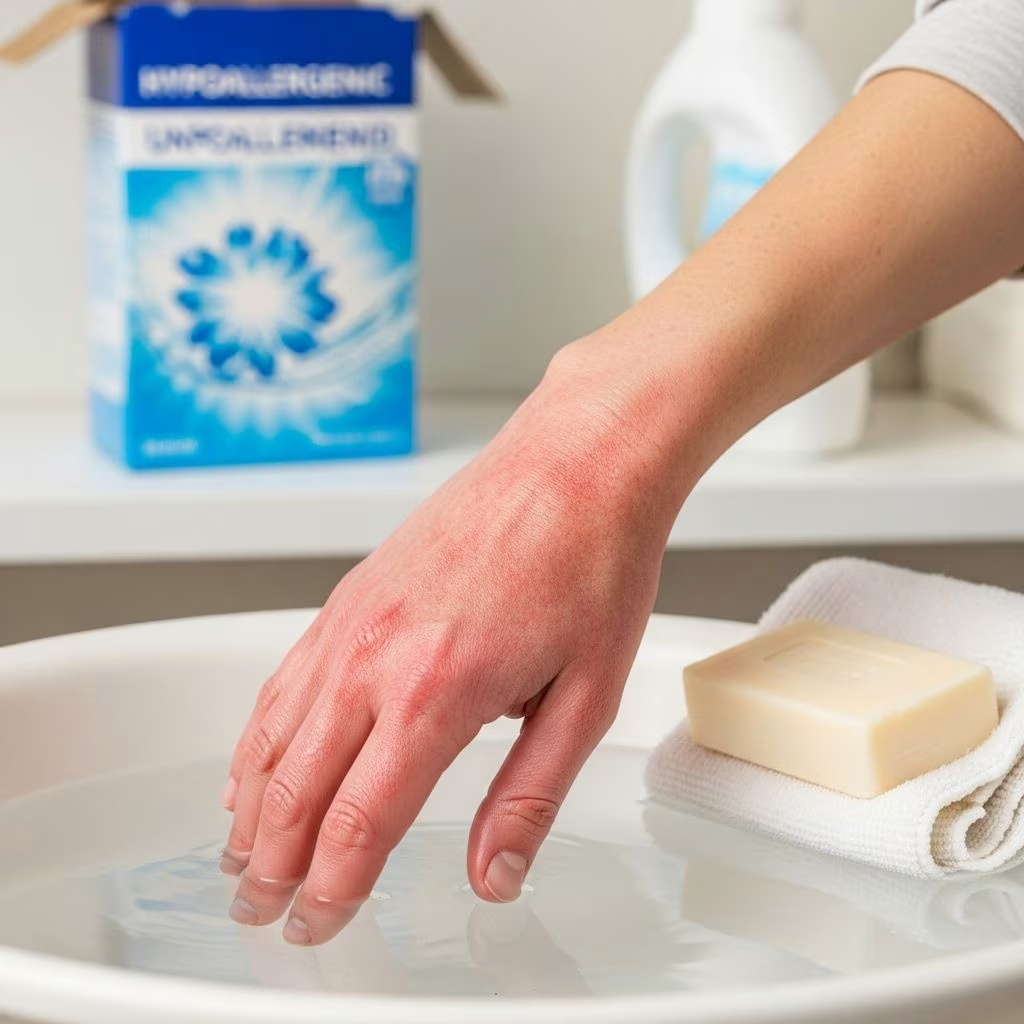
- Red Rash: The affected skin may appear red, especially on lighter skin types.
- Mild to Severe Itching: This is a common symptom, with some people experiencing severe discomfort.
- Bumps or Blisters: These can crust over or ooze, adding to the discomfort.
- Dry, Cracking, or Scaly Skin: The skin may also become dry or develop scales, particularly if irritated for an extended period.
- Burning or Tender Skin: The affected area may feel hot or sensitive to touch.
- Swelling: In some cases, the skin may swell, especially if the reaction is severe.
Prevention Strategies
Preventing laundry detergent contact dermatitis involves choosing the right detergent and adopting good laundry practices:
- Use Fragrance-Free and Dye-Free Detergents: These detergents are less likely to cause skin reactions, making them ideal for sensitive skin types.
- Choose Eco-Friendly or Hypoallergenic Detergents: Many eco-friendly detergents are designed to be gentler on skin, reducing the risk of irritation.
- Wash Your Washing Machine: Regularly cleaning your washing machine can remove detergent residue that might cause irritation.
- Rinse Clothes Thoroughly: Ensure that all clothes are thoroughly rinsed to remove any detergent residue.
- Avoid Sharing Laundry: Sharing laundry can sometimes lead to exposure to different detergents, increasing the risk of a reaction.
Treating Contact Dermatitis
Once dermatitis occurs, treatment focuses on relieving symptoms and preventing future reactions:
- Over-the-Counter Treatments: Steroid creams, anti-itch lotions (like calamine lotion), and antihistamines can help manage symptoms.
- Home Remedies: Oatmeal baths, cool compresses, and staying hydrated can also ease discomfort.
- Consult a Dermatologist: If symptoms persist or worsen, consulting a dermatologist is advisable to rule out other conditions.
Frequently Asked Questions
Q: What causes laundry detergent rash?
A: Laundry detergent rash, or contact dermatitis, is typically caused by fragrances, dyes, and preservatives in detergents. These substances can irritate the skin, leading to redness, itching, and other symptoms.
Q: How can I prevent laundry detergent rash?
A: To prevent laundry detergent rash, use fragrance-free and dye-free detergents, choose eco-friendly options, and ensure thorough washing and rinsing of clothes. Regularly cleaning your washing machine can also help remove detergent residue.
Q: How do I treat a laundry detergent rash?
A: Treatment involves using over-the-counter steroid creams, anti-itch lotions, and antihistamines. Home remedies like oatmeal baths and cool compresses can also soothe the skin. If symptoms persist, consult a dermatologist for further guidance.
Q: Can anyone develop a laundry detergent rash?
A: Yes, anyone can develop a laundry detergent rash. While it’s more common in people with sensitive skin, developing an allergy to a detergent can occur at any time, even if you’ve used the same product for years.


