


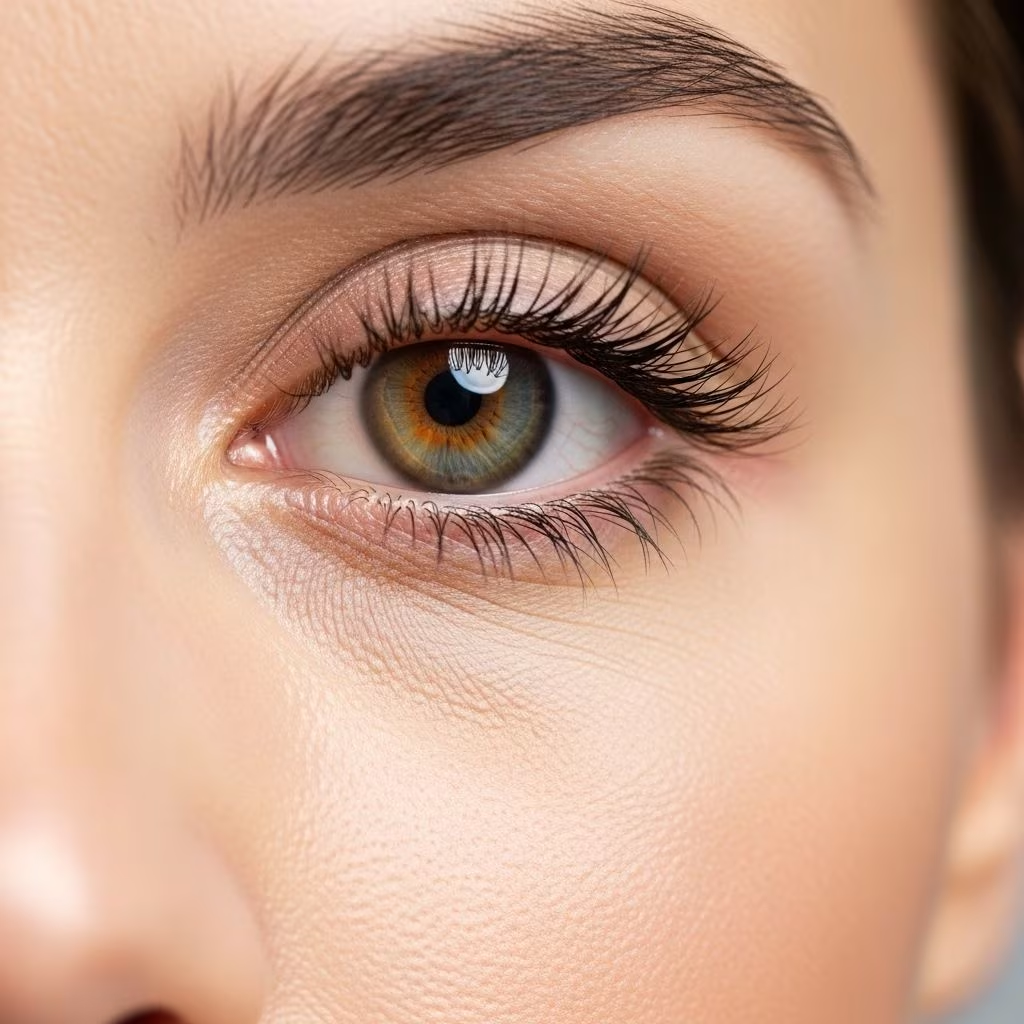
Introduction to Eyelash Loss (Madarosis)
Madarosis is a condition characterized by the loss of eyelashes or eyebrows, often resulting from underlying health issues or external factors such as infections, autoimmune diseases, or even certain cosmetics.
Types of Madarosis
Madarosis can be categorized into two main types: scarring and non-scarring. Non-scarring madarosis often results in reversible hair loss, while scarring madarosis leads to permanent follicle destruction.
Causes of Madarosis
The causes of madarosis vary widely and include:
- Bacterial or fungal infections, such as blepharitis or ringworm.
- Autoimmune conditions, for example, alopecia areata.
- Thyroid disorders, which can affect hair growth.
- Stress and anxiety, potentially leading to trichotillomania.
Treatment Options for Madarosis
Medications
Medications play a crucial role in treating madarosis, depending on its cause:
- Antibiotics: For bacterial infections such as blepharitis.
- Antifungal creams or oral medication: For fungal infections like ringworm.
- Corticosteroids: Used to treat autoimmune conditions like alopecia areata.
- Thyroid hormone replacement: To correct thyroid disorders.
Immunotherapy
Immunotherapy is effective for treating alopecia areata, involving the application of allergens to induce a mild dermatitis.
Prostaglandin Analogs
Topical prostaglandin analogs, such as bimatoprost, have shown promise in promoting eyelash growth, though results vary.
Lifestyle Changes
Good skin care practices and stress management can help alleviate symptoms of madarosis.
Cosmetic Solutions
Cosmetic options include:
- Eyebrow pencils or false eyelashes for temporary concealment.
- Microblading for semi-permanent eyebrow enhancement.
- Lash extensions or growth serums to restore eyelashes.
Surgical Procedures
In cases of permanent hair loss, hair transplant surgery may be considered to restore eyebrows or eyelashes.
Case Studies and Research
Studies have shown that treatments like intralesional corticosteroids can effectively promote eyebrow regrowth. Additionally, combining immunotherapy with irritating agents has led to significant improvements.
Frequently Asked Questions (FAQs)
Q: What causes eyelash loss?
Eyelash loss can be caused by infections, autoimmune diseases, thyroid disorders, stress, and certain cosmetics.
Q: How is madarosis treated?
Treatment involves addressing the underlying cause with medications, immunotherapy, lifestyle changes, and sometimes surgical procedures.
Q: Are there temporary cosmetic solutions for eyelash loss?
Yes, options include eyebrow pencils, false eyelashes, lash extensions, and microblading.
Conclusion
Treating eyelash loss requires understanding its causes and selecting the most appropriate treatment approach. Whether through medication, lifestyle adjustments, or cosmetic solutions, there are numerous options available to address this condition effectively.
References
- https://pmc.ncbi.nlm.nih.gov/articles/PMC10264316/
- https://eye.com.ph/madarosis-causes-symptoms-treatment-guide/
- https://pmc.ncbi.nlm.nih.gov/articles/PMC9870835/
- https://eyewiki.org/Madarosis
- https://my.clevelandclinic.org/health/symptoms/24820-madarosis
- https://wimpoleclinic.com/blog/madarosis-causes-symptoms-and-treatments/
- https://www.skymd.com/conditions/madarosis
- https://www.healthline.com/health/madarosis
- https://adoreyes.com/blogs/news/why-are-my-eyelashes-falling-out-what-to-do-about-it-and-how-to-reverse-it


