


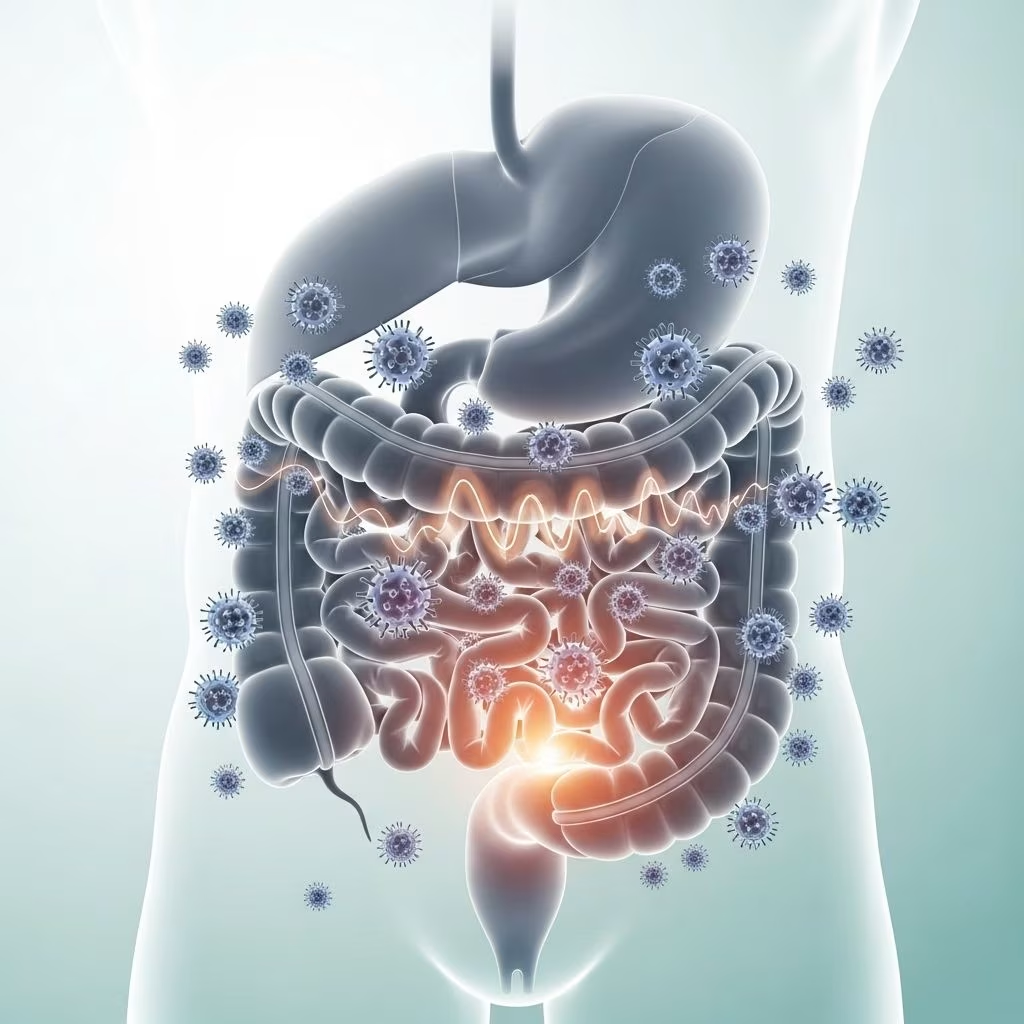
Comprehensive Strategies for Managing Chronic Diarrhea in Patients with Mast Cell Activation Syndrome
Mast Cell Activation Syndrome (MCAS) is a complex disorder characterized by inappropriate mast cell activation, leading to episodic or chronic symptoms across multiple organ systems. Among its most disruptive manifestations is chronic diarrhea, which not only affects comfort but also complicates nutrition, social functioning, and overall quality of life for patients.
Overview of MCAS and Chronic Diarrhea
MCAS arises from dysfunction in mast cell mediator release, resulting in systemic effects. Gastrointestinal (GI) symptoms are especially common, with crampy abdominal pain, bloating, and intermittent or persistent loose stools frequently reported. Chronic diarrhea in MCAS typically presents with:
- Frequent, loose, sometimes watery stools
- Abdominal pain and distension
- Bloating and urgency
- Potential malabsorption and weight loss
Studies suggest that mast cell activation in the GI tract can increase permeability and disrupt normal motility, contributing to persistent diarrhea. MCAS may be mistaken for irritable bowel syndrome (IBS), inflammatory bowel disease (IBD), or gastrointestinal allergies, complicating the diagnostic process.
Diagnosis and Clinical Approach
Diagnosis of chronic diarrhea due to MCAS must rule out other common causes. Diagnostic strategies include:
- Detailed clinical history focusing on allergic reactions, multi-system complaints, and trigger patterns
- Laboratory testing for mast cell mediators (e.g., serum tryptase, urine N-methylhistamine, PGF2α, and Leukotriene E4)
- Stool studies to exclude infection or malabsorption
- Endoscopy and biopsy for mucosal mast cell infiltration (mastocytic enterocolitis may be seen)
- Consultation with allergists and gastroenterologists working in tandem to improve diagnostic accuracy
The primary diagnostic goal is to confirm mast cell involvement and exclude other causes. This will inform the most appropriate therapy moving forward.
| Test | Description | Notes |
|---|---|---|
| Serum Tryptase | Mast cell enzyme, elevated during acute episodes | Draw between 30 minutes–2 hours after onset |
| Urine N-methylhistamine | Mast cell mediator, 24-hour collection | Helps confirm mast cell activation |
| Urine 11B-PGF2α, LTE4 | Prostaglandin and leukotriene metabolites | Assess inflammatory mediator activity |
| GI Biopsy | Mucosal mast cell count | Supports mastocytic enterocolitis diagnosis if >20/^hp^f |
Medication Management
Optimal management of MCAS-related diarrhea depends on a multi-pronged pharmacological approach:
Key Medication Classes
- Antihistamines (H1 and H2 blockers)
Examples: cetirizine (H1), famotidine, ranitidine (H2)
May require several weeks for symptom improvement. - Mast Cell Stabilizers
Examples: cromolyn sodium, ketotifen
Used for refractory cases with GI involvement. - Leukotriene Antagonists
Example: montelukast
May benefit patients with high leukotriene levels, but use caution in those with depression. - Prostaglandin Blockers
Example: low-dose aspirin (if prostaglandin D2 is elevated)
Carefully titrate and monitor for NSAID sensitivity. - Anti-IgE Therapy
Example: omalizumab (Xolair)
Especially for refractory cases or those experiencing anaphylaxis; typically requires specialist supervision. - Symptom-Targeted Agents
Includes anti-diarrheal medications (loperamide), anticholinergics, SSRIs for stress-related symptoms, and anti-nausea agents. - Probiotics and Motility Agents
Used if small intestinal bacterial overgrowth (SIBO) or motility abnormalities are present.
Summary Table: Medications for MCAS-Related Chronic Diarrhea
| Drug Class | Examples | Role in Therapy | Key Considerations |
|---|---|---|---|
| Antihistamines | Cetirizine, Famotidine, Ranitidine | Reduce urgency, pain, and loose stools | Onset over several weeks |
| Mast Cell Stabilizers | Cromolyn, Ketotifen | Reduce mast cell degranulation | Oral forms may require compounding |
| Leukotriene Antagonists | Montelukast | Modulate inflammatory response | Caution for psychiatric side effects |
| Biologics | Omalizumab | Reserved for severe cases | Monitor for allergic reactions |
| Symptom-targeted | Loperamide, SSRIs, anti-nausea | Reduce diarrhea and associated symptoms | Short-term or as needed |
It is crucial that medications are titrated under medical supervision, with ongoing symptom and laboratory monitoring to ensure effectiveness and safety. Combination therapy is often needed for maximal control.
Dietary Interventions
Diet modification plays a significant role in alleviating GI symptoms in MCAS patients, although evidence is largely based on clinical experience and expert consensus.
Fundamental Dietary Principles
- Prioritize whole, unprocessed foods, minimizing exposure to preservatives, additives, and alcohol.
- Choose gluten-free grains (rice, quinoa, oats), fresh meats/poultry/fish, fresh produce (excluding common triggers like tomatoes, citrus, strawberries), dairy as tolerated, and healthy fats (olive oil, nuts, seeds).
- Identify and avoid foods that trigger allergic or diarrheal reactions; many MCAS patients report a reduced list of “safe foods”.
Specific Dietary Strategies
- Low FODMAP Diet
Can be trialed in those with coexisting IBS-like symptoms to reduce fermentable carbohydrate intake and improve diarrhea. - Histamine Elimination Diet
Remove high-histamine foods for 2–4 weeks, then reintroduce gradually to isolate triggers. - Elemental Diet
A strict, amino acid-based nutritional formula may be used in extreme cases where standard food triggers frequent exacerbations. Dietitian support is essential.
Dietary Modification Table
| Diet Type | Core Features | Used For |
|---|---|---|
| Whole Foods | Minimally processed, avoid additives | Baseline diet for MCAS patients |
| Low FODMAP | Limit fermentable carbs | IBS-like symptoms/coexisting SIBO |
| Histamine Elimination | Avoid high-histamine foods | Histamine-sensitive MCAS cases |
| Elemental | Nutritionally complete formulas | Severe GI symptoms, refractory diarrhea |
Dietary interventions must be regularly reviewed and adjusted to prevent nutritional deficiencies and promote patient acceptability. A referral to a registered dietitian is highly recommended for tailored care.
Managing Comorbidities and Complications
MCAS often coexists with other complex conditions, such as connective tissue disorders (e.g., Ehlers-Danlos Syndrome), autoimmune diseases, and psychological stressors. Chronic diarrhea can result in:
- Malnutrition and weight loss
- Electrolyte disturbances
- Dehydration
- Social isolation and reduced quality of life
Managing these complications requires a multidisciplinary team: gastroenterologists, allergists, dietitians, and social workers.
Mind-Body and Lifestyle Approaches
Beyond medication and diet, mind-body support plays a crucial role in management:
- Exercise: Gentle routines (walking, yoga) tailored to patient ability; avoids physical stress that may trigger mast cell activation.
- Relaxation Techniques: Meditation, breathing exercises, and mindfulness can reduce stress-induced symptom flares.
- Cognitive Behavioral Strategies: May address anxious preoccupation with symptoms and aid in coping.
These methods support overall well-being and may reduce symptom burden.
Patient Support and Social Care
Living with chronic diarrhea and MCAS can be isolating and emotionally taxing. Essential support provisions include:
- Group and individual counseling for adjustment and coping
- Social support networks and advocacy organizations
- Clear education for patients and caregivers on condition management
- Strategies for event planning, travel, and workplace accommodations
Empowering patients with self-management tools and ongoing access to care resources fosters better outcomes and quality of life.
Frequently Asked Questions (FAQs)
Q: What triggers chronic diarrhea in MCAS patients?
A: Diarrhea is often caused by mast cell release of mediators like histamine, prostaglandins, and leukotrienes that disrupt normal intestinal function. Common triggers include specific foods, stress, medication additives, and environmental exposures.
Q: How long does it take for medications to work?
A: Improvement may require several weeks, especially for antihistamines or mast cell stabilizers. Close follow-up is necessary to adjust therapy and monitor response.
Q: Is a special diet required for every MCAS patient?
A: Not always. Some benefit from a whole foods diet; others need low FODMAP, histamine elimination, or elemental diets based on individual tolerance and disease severity. Diet should be supervised by a professional to avoid malnutrition.
Q: Are probiotics helpful?
A: Probiotics may help if SIBO or dysbiosis is present. However, some patients react negatively, so use must be individualized.
Q: When should biologic therapy like omalizumab be considered?
A: This is reserved for refractory, severe cases where multiple drug classes fail or for those at high risk of anaphylaxis. Allergist or immunologist supervision is essential.
Q: Can MCAS-related diarrhea resolve with treatment?
A: Most patients experience significant symptom reduction with targeted therapy, but complete resolution may not be possible; ongoing management is often needed.
Final Tips for Patients and Caregivers
- Keep a detailed symptom and food diary to identify triggers
- Work closely with specialists—gastroenterologist, allergist, and dietitian
- Actualizar medication regimen regularly and report new symptoms promptly
- Join support groups and patient advocacy communities to foster shared learning and emotional resilience
Multidisciplinary care and a compassionate, tailored approach underpin effective management of chronic diarrhea in MCAS. Persistent collaboration between patients and healthcare providers offers the best pathway to improved quality of life.
References
- https://www.ehlers-danlos.com/wp-content/uploads/2022/02/Allergy_Summit_Series_Matthew-Hamilton_GI-Autoimmune.pdf
- https://med.virginia.edu/ginutrition/wp-content/uploads/sites/199/2020/06/Mast-Cell-Activation-Syndrome-2-June-2020.pdf
- https://pmc.ncbi.nlm.nih.gov/articles/PMC4945533/
- https://www.gaudianiclinic.com/gaudiani-clinic-blog/2022/8/10/gaudiani-clinic-mast-cell-activation-syndrome-mcas-amp-eating-disorders-blog-part-three-fundamentals-of-treating-mcas
- https://www.aaaai.org/conditions-treatments/related-conditions/mcas
- https://pmc.ncbi.nlm.nih.gov/articles/PMC4903110/
- https://my.clevelandclinic.org/health/diseases/mast-cell-activation-syndrome
- https://www.brighamandwomens.org/medicine/gastroenterology-hepatology-and-endoscopy/advances-newsletters/reducing-gastrointestinal-symptoms-using-mast-cell-disorder-identification-and-treatment
- https://thedysautonomiaproject.org/gi-symptoms-mcas-and-dysautonomia/
- https://www.eds.clinic/articles/treatment-of-mast-cell-disease


