


What is Maskne?
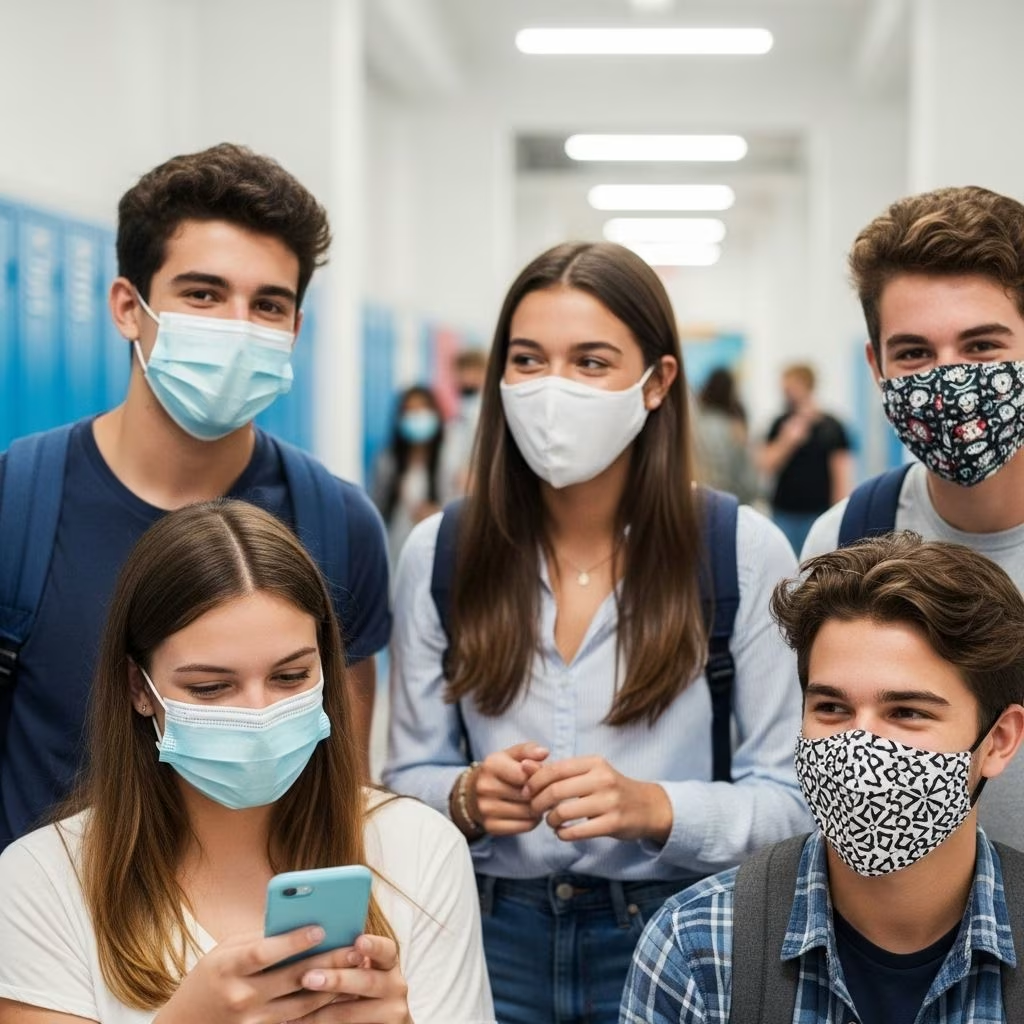
Maskne, a portmanteau of ‘mask’ and ‘acne,’ refers to the skin breakouts that occur specifically in areas covered by face masks. This condition has become increasingly common among teenagers attending school, where mask-wearing has become a daily requirement. The clinical definition includes the onset of acne within six weeks of regular face mask use or the exacerbation of existing acne in the masked area, following a distinct pattern often referred to as the ‘O-zone’ – encompassing the jawline, around the mouth, and chin area.
For teenagers, maskne presents unique challenges as their skin is already prone to hormonal fluctuations that can trigger acne. The combination of adolescent skin sensitivity and prolonged mask wear creates a perfect storm for skin irritation and breakouts. Understanding maskne is crucial for teens and their parents to develop effective treatment and prevention strategies.
The condition manifests in various forms, including inflammatory papules, pustules, comedones, and sometimes more severe cystic lesions. Unlike typical teenage acne that may appear across the entire face, maskne specifically targets areas where the mask creates friction, traps moisture, and restricts airflow.
Why Are Teens More Affected by Maskne?
Teenagers face several factors that make them particularly susceptible to maskne. During adolescence, hormonal changes increase sebum production, making teen skin naturally oilier and more prone to clogged pores. When combined with mask-wearing, this creates an environment where bacteria thrive and breakouts flourish.
The school environment presents additional challenges for teens dealing with maskne. Long school days mean extended mask wear, often 6-8 hours without significant breaks. Physical activities during PE classes or sports increase sweating under masks, further contributing to skin irritation. Additionally, teens may be less consistent with skincare routines or may not have access to proper cleansing facilities during school hours.
Social pressures also play a role, as teenagers may be tempted to wear makeup under their masks to feel confident, inadvertently worsening the condition. The stress of academic pressures and social dynamics can also contribute to hormonal imbalances that exacerbate acne conditions.
Recognizing Maskne vs. Regular Acne
Distinguishing maskne from regular teenage acne is essential for proper treatment. Maskne typically presents with specific characteristics that help identify it as mask-related rather than hormonal acne. The location is the primary distinguishing factor – maskne appears predominantly in the lower half of the face, specifically where the mask makes contact with skin.
The pattern of breakouts in maskne follows the mask’s outline, creating a distinctive distribution that doesn’t occur with typical teenage acne. Areas commonly affected include the bridge of the nose, cheeks where mask edges sit, chin, and jawline. The upper forehead and temples, typically affected by hormonal acne, usually remain clear in cases of pure maskne.
Timing is another crucial factor in recognition. Maskne symptoms typically develop within 2-6 weeks of beginning regular mask use or intensify existing acne in masked areas. The condition often includes both acne lesions and irritant contact dermatitis, presenting as redness, scaling, and raw skin alongside traditional pimples and blackheads.
Prevention Strategies for School
Prevention remains the most effective approach to managing maskne in the school environment. Implementing consistent preventive measures can significantly reduce the likelihood of developing mask-related breakouts and help maintain healthy skin throughout the school year.
Pre-School Preparation
Starting each school day with proper skin preparation creates a protective foundation. Cleanse the face with a gentle, non-comedogenic cleanser to remove overnight oil buildup and bacteria. Apply a lightweight, oil-free moisturizer to create a barrier between the skin and mask material. This barrier helps reduce friction and prevents the mask from directly absorbing skin oils.
For teens prone to breakouts, applying a thin layer of zinc oxide or petroleum jelly to high-friction areas can provide additional protection. However, these should be used sparingly to avoid clogging pores or creating excessive buildup under the mask.
During School Hours
Taking advantage of mask breaks throughout the school day is crucial for skin health. The American Academy of Dermatology recommends removing masks for 15 minutes every four hours when safe to do so. Use lunch breaks and outdoor activities as opportunities to give skin a breather.
When mask breaks aren’t possible, focus on minimizing additional skin stress. Avoid touching or adjusting the mask frequently, as this can transfer bacteria and irritate already sensitive skin. Keep hands clean with regular washing or sanitizing to prevent introducing additional bacteria to the mask area.
Treatment Options for Teens
When prevention measures aren’t sufficient and maskne develops, several treatment approaches can help teens manage their symptoms effectively. The key is starting with gentle treatments and gradually increasing intensity if needed, always considering the teenage skin’s natural sensitivity.
Over-the-Counter Treatments
Salicylic acid represents one of the most effective first-line treatments for maskne in teenagers. This beta-hydroxy acid helps unclog pores and reduce inflammation without being overly harsh on young skin. Look for products containing 0.5-2% salicylic acid in cleansers or spot treatments.
Benzoyl peroxide offers another effective option, particularly for inflammatory maskne lesions. However, teens should start with lower concentrations (2.5-5%) to minimize irritation. Benzoyl peroxide works by killing acne bacteria and helping to prevent new breakouts from forming.
For teens experiencing primarily irritation and raw skin rather than traditional acne lesions, over-the-counter hydrocortisone cream can provide relief. Apply a thin layer to affected areas along with a ceramide-containing moisturizer to help restore the skin barrier.
Natural and Gentle Alternatives
Many teenagers prefer starting with natural treatment options before moving to stronger medications. Tea tree oil, when diluted properly (5-10% concentration), can provide antimicrobial benefits similar to benzoyl peroxide but with potentially less irritation.
Botanical actives with anti-inflammatory and antimicrobial properties offer another gentle approach. Ingredients like green tea extract, niacinamide, and zinc can help calm irritated skin while providing acne-fighting benefits without the harsh side effects associated with stronger treatments.
School-Specific Management Tips
Managing maskne in the school environment requires practical strategies that work within the constraints of school policies and social dynamics. These tips help teens maintain their skin health while navigating their daily school routine.
Locker and Backpack Essentials
Creating a maskne management kit for school helps teens address skin issues throughout the day. Essential items include: gentle cleansing wipes for quick face cleaning, a small bottle of oil-free moisturizer for reapplication, extra clean masks for changing if the current one becomes too moist or dirty, and blotting papers to remove excess oil without disturbing the mask.
Keep these items in a small cosmetic bag in the locker or backpack for easy access between classes. Having supplies readily available makes it easier to maintain consistent skin care throughout the school day.
Physical Education and Sports Considerations
Physical activities at school present unique challenges for maskne management. When possible, schedule outdoor activities where masks may be removed safely. If masks must be worn during physical activity, change to a fresh, dry mask immediately afterward to prevent prolonged contact with sweat and bacteria.
After PE classes or sports, use gentle cleansing wipes to remove sweat and bacteria before putting on a fresh mask for the remainder of the school day. This simple step can significantly reduce the bacterial load on the skin and prevent post-exercise breakouts.
Daily Skincare Routine
Establishing a consistent skincare routine specifically designed for maskne prevention and treatment is crucial for teenage skin health. This routine should be simple enough to maintain consistently while being effective enough to address mask-related skin issues.
Morning Routine
Begin each day with thorough but gentle cleansing using lukewarm water and a mild, non-comedogenic cleanser. Pat the skin dry with a clean towel, avoiding rubbing which can cause additional irritation. Apply a lightweight, oil-free moisturizer to create a protective barrier before putting on the mask.
For teens using acne treatments, apply these after cleansing but before moisturizing. However, be cautious with strong treatments like retinoids or high-concentration acids, as these can increase skin sensitivity under mask occlusion.
Evening Routine
The evening routine focuses on thoroughly removing the day’s accumulation of oil, sweat, and bacteria. Double cleansing may be beneficial – first with a gentle oil cleanser to remove buildup, followed by a regular cleanser. This approach ensures complete removal of all contaminants without over-stripping the skin.
Evening is also the ideal time for treatment products, as the skin can recover overnight without the additional stress of mask wearing. Apply any prescribed or over-the-counter treatments, followed by a nourishing moisturizer to support skin barrier repair.
Weekly Treatments
Incorporate weekly treatments to address specific maskne concerns. A gentle clay mask once or twice per week can help draw out excess oil and unclog pores. Alternatively, a hydrating mask can help restore moisture to skin that has become dehydrated from mask wearing and acne treatments.
Choosing the Right Mask
The type of mask worn significantly impacts maskne development and severity. While medical-grade masks may be required in certain school situations, when choice is available, selecting the right mask material and fit can make a substantial difference in skin health.
Material Considerations
Natural fiber masks, particularly those made from cotton, allow better air circulation and moisture wicking compared to synthetic materials. Cotton masks are also generally gentler on the skin and less likely to cause friction-related irritation. Avoid masks made from polyester, rayon, or nylon, as these materials can trap moisture and irritate sensitive teenage skin.
For teens requiring higher levels of protection, consider masks with cotton inner layers combined with filter materials. This provides protection while maintaining skin comfort and breathability.
Fit and Construction
A properly fitted mask should be snug but not tight, with minimal gaps around the edges. Masks that are too loose may shift during wear, causing friction, while overly tight masks can create pressure points and restrict circulation. Look for masks with adjustable ear loops or head ties to achieve the best fit.
Masks with nose wires help maintain proper fit and reduce the need for readjustment throughout the day. Multiple layers provide better protection but should still allow for comfortable breathing to prevent excessive moisture buildup.
When to Seek Professional Help
While many cases of maskne can be managed with over-the-counter treatments and good skincare habits, certain situations warrant professional medical attention. Recognizing when to seek help can prevent minor issues from becoming more serious problems.
Warning Signs
Consult a dermatologist if maskne symptoms include severe cystic acne, widespread inflammation, signs of bacterial infection such as increased redness and warmth, scarring or post-inflammatory hyperpigmentation, or failure to improve after 6-8 weeks of consistent treatment.
Additionally, if maskne significantly impacts a teen’s self-esteem or social functioning, professional help can provide both medical treatment and emotional support. Dermatologists can prescribe stronger treatments and provide personalized advice based on individual skin types and needs.
Treatment Options from Professionals
Dermatologists have access to prescription treatments that may be more effective for severe maskne. These can include topical retinoids, prescription-strength antimicrobials, oral antibiotics for inflammatory cases, and hormonal treatments for teenage girls when appropriate.
Professional treatments can also include in-office procedures such as extractions for stubborn comedones, chemical peels for post-inflammatory hyperpigmentation, and cortisone injections for severe cystic lesions.
Lifestyle Factors and Diet
While topical treatments and proper mask selection are crucial, lifestyle factors also play a significant role in managing maskne in teenagers. Understanding these broader influences can help create a comprehensive approach to skin health.
Stress Management
School stress can exacerbate acne conditions, including maskne. High stress levels increase cortisol production, which can worsen inflammation and trigger breakouts. Encourage teens to practice stress-reduction techniques such as regular exercise, adequate sleep, mindfulness or meditation, and maintaining social connections.
Time management skills can help reduce academic stress, while hobbies and creative outlets provide healthy stress relief. Schools often offer resources like counseling services that can help teens develop effective stress management strategies.
Dietary Considerations
While diet alone doesn’t cause acne, certain dietary patterns may influence skin health in teenagers. High-glycemic foods and dairy products have been associated with increased acne severity in some individuals. Encourage a balanced diet rich in fruits, vegetables, whole grains, and lean proteins.
Proper hydration is particularly important for teens wearing masks, as adequate water intake supports skin barrier function and helps flush toxins from the body. Limit processed foods high in sugar and unhealthy fats, which may contribute to inflammation.
Sleep and Recovery
Quality sleep is crucial for skin repair and overall health in teenagers. During sleep, the skin undergoes repair processes and cell turnover increases. Poor sleep can weaken the immune system and increase stress hormones, both of which can worsen acne conditions.
Establish consistent sleep schedules and create a bedtime routine that supports good sleep hygiene. This includes avoiding screens before bedtime, keeping the bedroom cool and dark, and removing makeup and masks well before sleep to allow the skin to breathe and recover.
Frequently Asked Questions
Q: How long does it take for maskne to clear up once treated?
A: Most teens see improvement within 4-6 weeks of consistent treatment and prevention measures. However, severe cases may take 8-12 weeks to fully resolve. The key is maintaining consistency with skincare routines and treatment applications.
Q: Can I wear makeup under my mask if I have maskne?
A: It’s best to avoid makeup under masks while treating maskne, as cosmetics can clog pores and prolong healing. If makeup is necessary, use non-comedogenic, oil-free products and remove them thoroughly at the end of the day.
Q: How often should I wash reusable masks?
A: Reusable masks should be washed after each day of use, especially if worn for extended periods at school. Use fragrance-free detergent and ensure masks are completely dry before wearing again.
Q: Is maskne the same as regular teenage acne?
A: While maskne and regular acne share some characteristics, maskne specifically occurs in areas covered by masks and is caused by the combination of friction, moisture, and bacteria trapped under the mask. The treatment approach may differ slightly.
Q: Can changing my diet help with maskne?
A: While diet isn’t the primary cause of maskne, maintaining a balanced diet low in processed foods and high in fresh fruits and vegetables may support overall skin health and complement other treatment approaches.
Q: Should I stop wearing masks if I have severe maskne?
A: No, continue wearing masks as required by school policies and health guidelines. Instead, focus on proper mask selection, regular breaks when safe, and appropriate treatment measures to manage the condition while maintaining protection.
Q: Are there specific mask brands better for preventing maskne?
A: Look for masks made from natural fibers like cotton with good breathability. Brands that offer adjustable fits and multiple size options tend to work better. The most important factors are material, fit, and regular washing rather than specific brands.
References
- https://www.healthline.com/health/maskne
- https://atriumhealth.org/dailydose/2022/02/24/what-you-need-to-know-about-maskne
- https://pmc.ncbi.nlm.nih.gov/articles/PMC7528820/
- https://blog.rsfh.com/2020/09/10/maskne-is-real-heres-how-to-treat-it/
- https://www.aad.org/public/everyday-care/skin-care-secrets/face/prevent-face-mask-skin-problems
- https://hutchisonsignpost.com/1767/news/maskne-and-how-to-treat-it/
- https://fairytaleshaircare.com/blogs/blog/how-to-help-prevent-teenage-maskne-a-step-by-step-guide


