


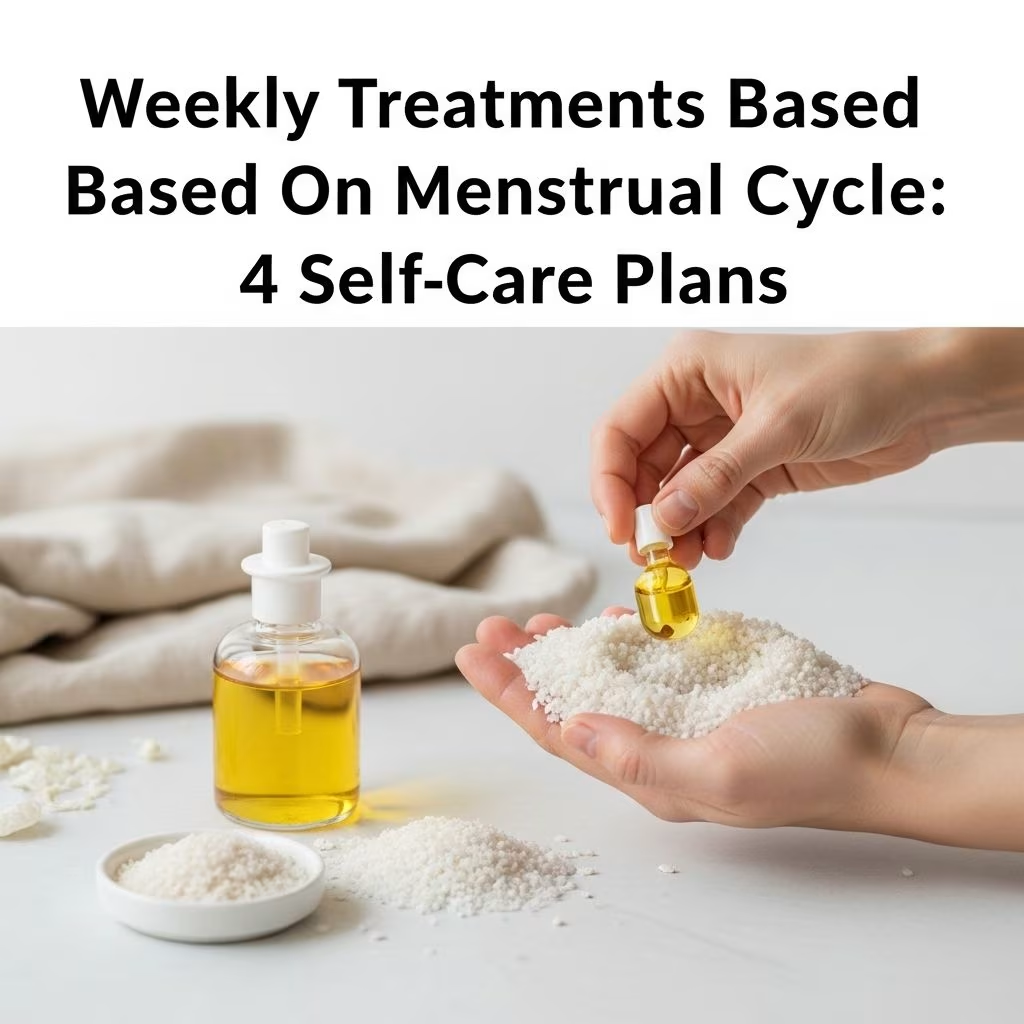
Introduction to Menstrual Cycle Phases
The menstrual cycle is a natural process that involves several interconnected phases, each with distinct physiological changes and requirements for optimal health. Understanding these phases — menstrual, follicular, ovulatory, and luteal — is crucial for managing symptoms and aligning self-care practices for enhanced well-being. Tailoring your lifestyle to these cycles can not only alleviate symptoms but also improve overall health and productivity.
Menstrual Phase (Days 1-5)
The menstrual phase is the first stage of the cycle, typically lasting between 3 to 7 days. During this time, the uterine lining sheds, and hormone levels such as estrogen and progesterone are low. Common symptoms include cramps, mood swings, and fatigue.
Self-Care Strategies for Menstrual Phase:
– Nutrition: Focus on iron-rich foods like red meat, spinach, and fortified cereals to combat potential iron deficiency from blood loss. Include complex carbohydrates such as brown rice and whole grains to stabilize mood and energy levels.- Hydration: Drink plenty of water to help flush out toxins and reduce bloating.- Rest: Prioritize rest and avoid strenuous activities to manage fatigue.- Pain Relief: Use over-the-counter medications like ibuprofen or natural remedies like heat therapy for cramp relief.
Follicular Phase (Days 6-14)
This phase begins as menstruation ends and continues until ovulation. During this time, estrogen levels rise, promoting follicle growth and maturation in the ovaries, and rebuilding the uterine lining.
Self-Care Strategies for Follicular Phase:
– Exercise: Gradually increase physical activity with exercises like yoga, running, or weight training to boost energy and mood.- Nutrition: Include foods rich in lean proteins and complex carbohydrates like chicken, fish, quinoa, and whole grains to support energy and hormone balance.- Mental Health: Engage in creative activities or socialize with friends and family to enhance mood.
Ovulatory Phase (Days 14-17)
During this brief phase, the mature egg is released from the ovary. Hormonal spikes can increase mood, energy, and libido.
Self-Care Strategies for Ovulatory Phase:
– Nutrition: Focus on foods rich in iron and folic acid, such as leafy greens, eggs, and whole grains, to support potential pregnancy.- Intimacy: Increase intimacy if trying to conceive.- Mental Health: Take advantage of the mood boost by engaging in activities that promote happiness and well-being.
Luteal Phase (Days 18-28)
This phase follows ovulation and lasts until the start of menstruation. Progesterone levels rise, preparing the uterine lining for a potential pregnancy. Symptoms may include mood swings, bloating, and breast tenderness.
Self-Care Strategies for Luteal Phase:
– Relaxation Techniques: Practice meditation, deep breathing, or yoga to manage stress and mood swings.- Nutrition: Include foods that support hormone balance such as omega-3 fatty acids found in salmon and walnuts.- Exercise: Continue moderate exercise to maintain energy levels and reduce symptoms.
General Self-Care Tips Across All Phases:
– Track Your Cycle: Use a period-tracking app to predict phases and plan accordingly.- Hydration: Drink plenty of water throughout the cycle.- Sleep: Ensure adequate rest each night to support hormonal balance.
Frequently Asked Questions (FAQs)
Q: What are the benefits of cycle syncing?
A: Cycle syncing can help alleviate symptoms, improve mood, and enhance overall well-being by aligning self-care practices with the body’s natural hormonal fluctuations.
Q: How can I manage common menstrual symptoms like cramps and mood swings?
A: Use over-the-counter pain relievers for cramps, and practice relaxation techniques like meditation or yoga for mood swings. Adjust your diet to include mood-stabilizing foods.
Q: What nutritional advice is recommended during the follicular phase?
A: Include foods rich in lean proteins and complex carbohydrates to support energy and hormone balance.
Conclusion
By understanding the phases of the menstrual cycle and tailoring your self-care practices accordingly, you can not only manage symptoms more effectively but also cultivate a healthier and more balanced lifestyle. This approach encourages a holistic view of health, focusing on both physical and emotional well-being throughout the cycle.
References
- https://www.healthline.com/health/womens-health/stages-of-menstrual-cycle
- https://www.raleighob.com/phases-of-the-menstrual-cycle/
- https://healthmatters.nyp.org/cycle-syncing-how-to-understand-your-menstrual-cycle-to-reduce-period-symptoms/
- https://pmc.ncbi.nlm.nih.gov/articles/PMC8363181/
- https://www.morelandobgyn.com/blog/4-phases-of-the-menstrual-cycle
- https://www.betterhealth.vic.gov.au/health/conditionsandtreatments/menstrual-cycle
- https://my.clevelandclinic.org/health/articles/10132-menstrual-cycle
- https://helloclue.com/articles/cycle-a-z/the-menstrual-cycle-more-than-just-the-period
- https://www.youtube.com/watch?v=7HlHGLr1hTA
- https://www.kernodle.com/obgyn_blog/the-4-menstrual-cycle-phases/


