


Table of Contents
\n
- \n
- Introduction
- Mindful Breathing Exercises: Foundation & Science
- Mood Logging: The Power of Self-Tracking
- Why Integrate Mindful Breathing and Mood Logging?
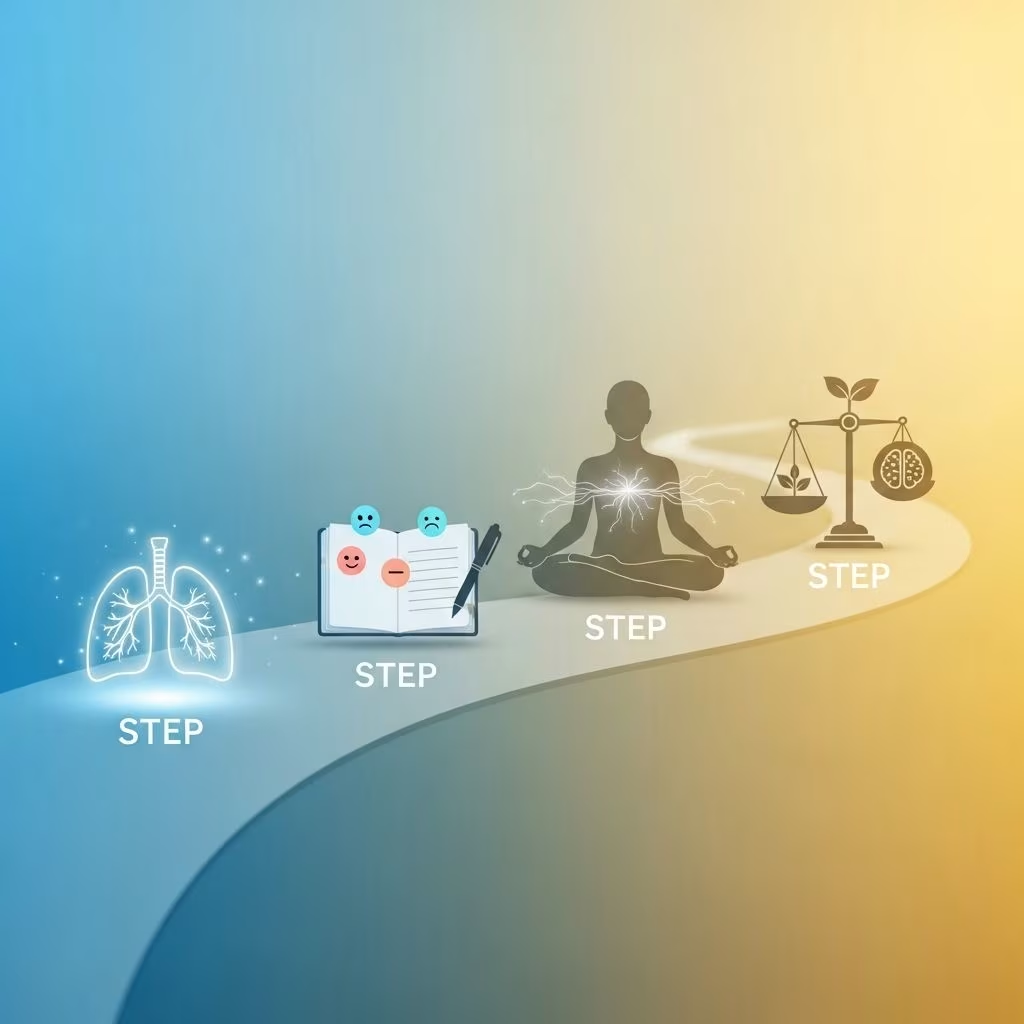
- Stepwise Approach to Integration
- Sample Routines and Practical Examples
- Tools and Strategies for Effective Practice
- Benefits, Evidence, and Common Challenges
- Frequently Asked Questions
- Conclusion and Next Steps
\n
\n
\n
\n
\n
\n
\n
\n
\n
\n
\n\n
Introduction
\n
In today’s fast-paced world, emotional turbulence and stress have become an everyday reality for many. Two approaches—mindful breathing exercises and mood logging—have separately gained recognition for their psychological and physiological benefits. When integrated, these practices offer a powerful, data-driven strategy for fostering emotional resilience, improving self-awareness, and enhancing overall well-being.
\n\n
Mindful Breathing Exercises: Foundation & Science
\n
Mindful breathing refers to the act of intentionally focusing on your breath—typically during and outside of meditation—to anchor yourself in the present moment. Unlike simply observing your breath, mindful breathing exercises may sometimes include gentle manipulation of the breath to encourage relaxation and calmness. These techniques are accessible, require minimal resources, and can be practiced by people of all ages, including children.
\n\n
Popular Mindful Breathing Techniques
\n
- \n
- Diaphragmatic Breathing: Breathing deeply through the belly to maximize oxygen exchange and relaxation.
- Box Breathing: A structured pattern of inhaling, holding, exhaling, and holding, each for an equal count (often four seconds).
- Cyclic Sighing: A technique focusing on gradual extended exhalation, shown to be especially effective at reducing anxiety.
- 4-7-8 Breathing: Inhale for four counts, hold for seven, exhale for eight—a pattern designed to calm the nervous system.
- Alternate Nostril Breathing: Breathing in and out through alternate nostrils to promote balance and focus.
\n
\n
\n
\n
\n
\n\n
Physiological and Psychological Benefits
\n
- \n
- Reduces blood pressure and cortisol levels, countering the stress response.
- Improves heart rate variability (HRV), making you more resilient to stress.
- Decreases the frequency of repetitive and negative thoughts, improving mood and mental clarity.
- Enhances focus, working memory, and cognitive processing by narrowing attention to the breath.
- Promotes better sleep by balancing autonomic nervous system activity.
\n
\n
\n
\n
\n
\n
Recent studies affirm that just five minutes a day of mindful or controlled breathing can markedly reduce anxiety and elevate mood, with controlled techniques like cyclic sighing being particularly potent for quick mood improvement.
\n\n
Mood Logging: The Power of Self-Tracking
\n
Mood logging involves systematically recording your emotional states throughout the day. This practice is used extensively in therapeutic and self-care contexts, providing valuable insight into triggers, patterns, and progress in emotional wellness.
\n\n
How Mood Logging Works
\n
- \n
- Users record their mood (happy, sad, anxious, frustrated, etc.) at regular intervals or around specific events.
- Entries may be numeric (e.g., 1-10 scale), descriptive, or categorical.
- Additional fields can track time, context, thoughts, stressors, or related activities.
\n
\n
\n
\n\n
Benefits of Mood Logging
\n
- \n
- Enhanced self-awareness: Recognize patterns, triggers, and emotional cycles.
- Objective feedback: Data-driven insights help users assess what works for their mental health.
- Personalized interventions: Allows customization of wellness strategies based on observed trends.
- Informed communication with professionals: Share trends and data for more productive therapy or coaching sessions.
\n
\n
\n
\n
\n
With the proliferation of digital health tools, mood logging is easier than ever. Journals, mobile apps, and even simple spreadsheets can serve as effective mood trackers.
\n\n
Why Integrate Mindful Breathing and Mood Logging?
\n
Combining mindful breathing exercises with mood logging creates a feedback loop that reinforces each practice. Mindful breathing offers immediate relief and ongoing resilience, while mood logging provides evidence of progress and areas needing attention. Together, they enable users to:
\n
- \n
- Connect daily breathing exercises to emotional trends and triggers.
- See empirical evidence of reduced stress and improved mood following breathwork.
- Identify which techniques work best under varied emotional states.
- Adjust practices proactively based on logged data and self-reflection.
\n
\n
\n
\n
\n
Integrating these modalities aligns with modern approaches to self-care, biofeedback, and behavior change: actionable practices supported by measurable outcomes.
\n\n
Stepwise Approach to Integration
\n
1. Establish Baseline Mood Logging
\n
- \n
- Begin logging mood several times each day for 1–2 weeks before introducing focused breathwork.
- Record emotional states, context, triggers, and any physical symptoms.
\n
\n
\n\n
2. Introduce Mindful Breathing Exercises
\n
- \n
- Select one or more breathing techniques suited to your current needs (e.g., cyclic sighing for anxiety, box breathing for stress).
- Practice for 3–5 minutes, 1–3 times daily.
- Log mood immediately before and after each session.
\n
\n
\n
\n\n
3. Monitor and Analyze Data
\n
- \n
- Visualize mood trends, noting correlations between breathwork and emotional shifts.
- Identify which techniques provide maximum benefit for specific moods or stressors.
\n
\n
\n\n
4. Customize and Optimize
\n
- \n
- Adapt the schedule, duration, and type of breathing exercise based on results.
- Experiment with timing (e.g., morning, midday, during stressful events).
- Use insights to anticipate emotional challenges and proactively apply breathwork.
\n
\n
\n
\n\n
Sample Routines and Practical Examples
\n
Example Daily Routine
\n
- \n
- Morning: Diaphragmatic breathing for 5 minutes. Log mood immediately after.
- Midday: Box breathing for 3 minutes before lunch. Log mood pre- and post-session.
- Evening: Cyclic sighing for 5 minutes before bedtime. Log sleep quality and emotions.
\n
\n
\n
\n\n
Scenario-Based Approach
\n
| Scenario | Recommended Breathing Exercise | Mood Logging Prompt |
|---|---|---|
| Feeling overwhelmed at work | Box breathing (4-4-4-4) | \”Describe your level of stress and focus before and after 3 minutes of box breathing.\” |
| Experiencing anxiety before a presentation | Cyclic sighing | \”Rate anxiety from 1–10; repeat after breathwork and note any physical changes.\” |
| Trouble winding down for sleep | 4-7-8 breathing | \”Log sleep quality, restlessness, and relaxation post-breathwork.\” |
\n\n
Tools and Strategies for Effective Practice
\n
Breathing Exercise Resources
\n
- \n
- Instructional audio and guided meditation apps (e.g., Headspace, Calm).
- Printable cue cards with breathing patterns.
- Timers and reminders to prompt regular sessions.
\n
\n
\n
\n\n
Mood Logging Tools
\n
- \n
- Smartphone apps with customizable prompts and analytics (e.g., Daylio, Moodnotes).
- Paper journals formatted as mood diaries.
- Spreadsheets for tracking, graphing, and pattern analysis.
\n
\n
\n
\n\n
Integration Strategies
\n
- \n
- Set calendar reminders for both practices, ideally linking them together.
- Use app-based integrations when available (some wellness apps now combine breathwork and mood tracking).
- Review data weekly, looking for actionable insights and revising routines.
\n
\n
\n
\n\n
Benefits, Evidence, and Common Challenges
\n
Evidence-Based Benefits of Integration
\n
- \n
- Significant reductions in anxiety and negative mood with daily breathwork, notably cyclic sighing.
- Heightened increase in positive affect documented through regular mood logging.
- Improved self-regulation via real-time feedback and behavioral adjustment.
- Lasting physiological effects: slower breathing rate and greater resilience, even outside dedicated sessions.
\n
\n
\n
\n
\n\n
Common Challenges and Solutions
\n
| Challenge | Solution |
|---|---|
| Inconsistent practice | Utilize reminders, habit stacking, and track progress visually. |
| Difficulty with technique | Follow guided audios/videos, start with simpler patterns, and seek professional feedback if needed. |
| Motivation drops over time | Regularly review mood logs to visualize improvement; share results with a support network. |
| Emotionally charged entries | Acknowledge discomfort, practice self-compassion, and seek therapeutic guidance if necessary. |
\n\n
Frequently Asked Questions
\n
Q: Do I need experience with meditation to practice mindful breathing?
\n
A: No prior experience is required. Mindful breathing exercises are accessible, and simple instructions can guide beginners effectively.
\n\n
Q: How often should I log my mood alongside breathwork?
\n
A: For best results, log mood before and after each breathing session, and periodically throughout the day for trend analysis.
\n\n
Q: Which breathing technique is most effective for stress or anxiety?
\n
A: Cyclic sighing, with its focus on slow exhalation, has shown particularly strong and rapid benefits for anxiety reduction and mood improvement.
\n\n
Q: Can integration help with sleep issues?
\n
A: Yes. Mindful breathing, especially slow and deep patterns, can promote relaxation and better sleep as confirmed by recent research.
\n\n
Q: Are there any risks to combining these practices?
\n
A: Both practices are low-risk when performed gently. Consult a healthcare professional if you have significant mental health concerns.
\n\n
Conclusion and Next Steps
\n
Integrating mindful breathing exercises with mood logging offers a robust, scientifically-backed approach to managing stress, enhancing mood, and gaining deeper personal insight. Consistency and reflection drive results. By monitoring trends, adapting techniques, and maintaining regular practice, individuals can transform emotional experiences and foster greater resilience. Take the first step—begin logging your mood, incorporate simple breathwork, and let data and mindfulness guide your journey toward balanced emotional health.
References
- https://mindfulnessexercises.com/6-mindful-breathing-exercises/
- https://med.stanford.edu/news/insights/2023/02/cyclic-sighing-can-help-breathe-away-anxiety.html
- https://dhwblog.dukehealth.org/the-power-of-breath-the-surprising-benefits-of-conscious-breathing/
- https://pmc.ncbi.nlm.nih.gov/articles/PMC9819153/
- https://www.health.harvard.edu/mind-and-mood/breath-meditation-a-great-way-to-relieve-stress
- https://www.mayoclinic.org/healthy-lifestyle/consumer-health/in-depth/mindfulness-exercises/art-20046356
- https://awcim.arizona.edu/health_hub/awcimagazine/just_breathe_using_breathwork_for_wellbeing.html
- https://hbr.org/2020/09/research-why-breathing-is-so-effective-at-reducing-stress


