


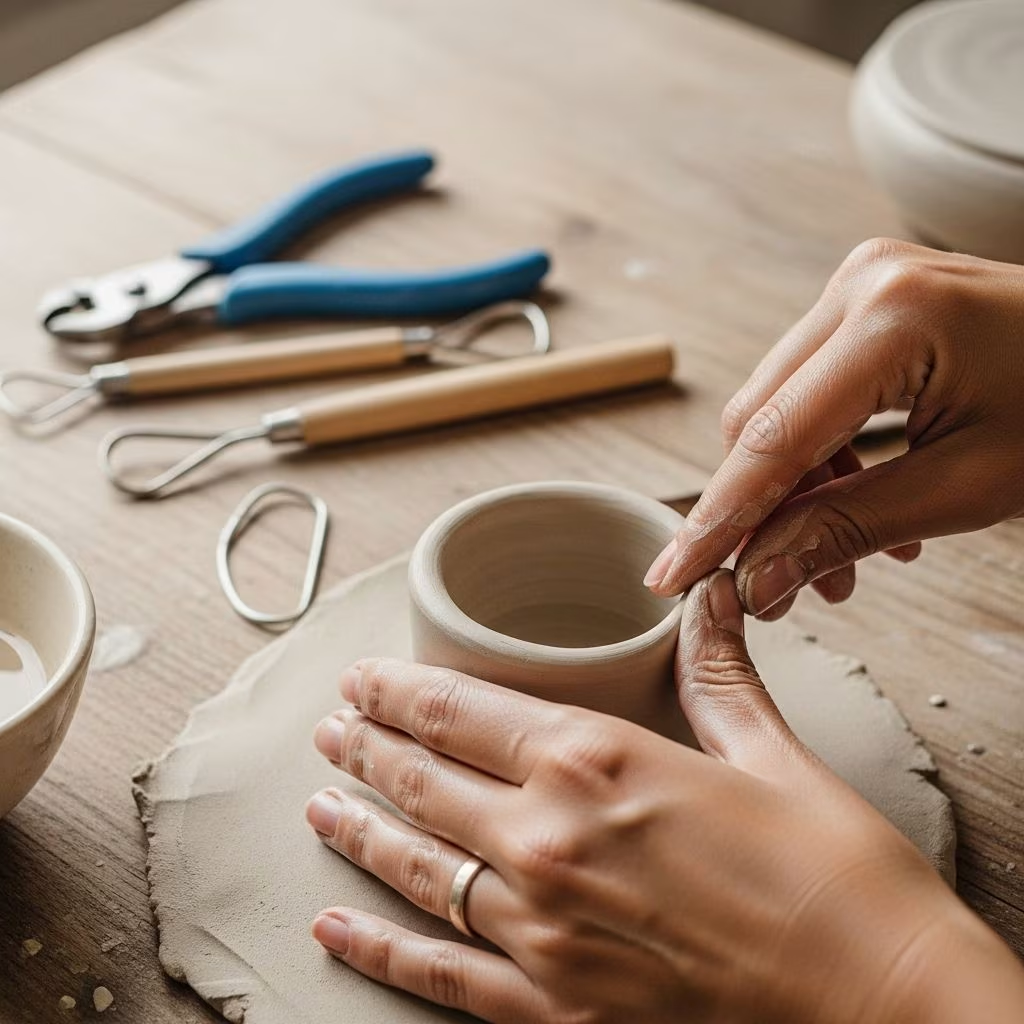
Mindful Clay Work for Restless Legs Syndrome (RLS)
Restless Legs Syndrome (RLS) is a neurological sensorimotor disorder marked by an irresistible urge to move the legs, often accompanied by unpleasant sensations. Traditional approaches to management range from pharmaceuticals to lifestyle modifications and behavioral therapies. Recently, mindful clay work has gained recognition as a promising complementary approach for symptom relief, combining elements of art therapy, sensory engagement, and mindfulness-based stress reduction.
Understanding Restless Legs Syndrome (RLS)
Restless Legs Syndrome is characterized by uncomfortable leg sensations and an uncontrollable urge to move, especially during periods of inactivity or before sleep. Symptoms include tingling, aching, or pulling sensations, leading to significant discomfort and sleep disruption. While RLS is primarily treated medically, behavioral and mind-body interventions can be valuable adjuncts to symptom management.
What Is Mindful Clay Work?
Mindful clay work is a hybrid practice combining the tactile, creative process of clay manipulation with the intentional focus of mindfulness. Unlike regular art activities, mindful clay work emphasizes:
- Slow, attentive movements
- Awareness of sensations, breath, and emotions
- Nonjudgmental observation of thoughts
- A flow state where rumination and anxiety subside
This method transforms simple clay handling into a therapeutic experience, fostering present-moment awareness and encouraging emotional self-expression.
Key Principles of Mindful Clay Work
- Tactile engagement: Utilizing the hands and sensory feedback of clay texture and temperature
- Intentional focus: Directing attention to the physical experience, breath, and inner state
- Creative self-expression: Channeling emotions and thoughts through manipulation and creation
Clay Therapy in Health and Emotional Well-Being
Clay therapy, a popular form of art therapy, leverages the healing power of touch and creative engagement. It offers multifaceted benefits for mental and emotional health:
- Relaxation and stress reduction: The rhythmic movements of kneading and shaping promote a meditative state, decreasing anxiety and tension.
- Grounding and mindfulness: Touching the cool, malleable clay anchors individuals in the present moment, enhancing emotional attunement and reducing mental restlessness.
- Flow state: Deep absorption in the active process provides temporary respite from stressors and repetitive thoughts.
- Mind-body connection: Coordinated movement and focus improve overall awareness and self-regulation.
Art therapy modalities using clay are especially valued for their hands-on, bodily involvement, which is distinct from other forms like painting or drawing.
Why Clay Is Unique
- Versatile and forgiving, allowing both beginners and experienced artists creative freedom
- Tactile feedback is more pronounced than in many other art mediums
- Embodies physical, cognitive, and emotional processes simultaneously
Mindfulness and Sensory Engagement
Mindfulness is defined as focused, nonjudgmental awareness of the present moment. In clay work, mindfulness is practiced by paying attention to:
- Sensations: Feeling the temperature, weight, and pliability of the clay
- Movements: Noticing hand, wrist, and finger actions
- Breath: Using slow, steady breathing to maintain calm
- Thoughts and emotions: Observing mental activity without judgment or reaction
This approach can be especially valuable for those with RLS: tactile stimulation and focused attention divert the mind from discomfort, while rhythmic movements satisfy the urge for motion without excess.
Benefits for RLS Specifically
- Relieves stress and anxiety, reducing symptom severity
- Satisfies sensorimotor urges in a controlled, relaxing environment
- Improves sleep quality by reducing evening agitation
- Supports emotional regulation and resilience
Mechanisms of Clay Work for RLS
The positive effects of mindful clay work on RLS come from several overlapping mechanisms:
- Sensorimotor Satisfaction: Light, repetitive clay handling satisfies the need for movement, reducing the intensity of RLS sensations.
- Distraction and Focus: Directed attention reduces awareness of discomfort and prevents escalation of symptoms.
- Relaxation Response: Meditative breathing and rhythmic action activate the parasympathetic nervous system, helping to ease physical tension and anxiety.
- Grounding: Physical contact with an earthy substance provides calming feedback, diminishing agitation and promoting peace.
- Creative Release: Expressing inner thoughts and emotions in clay allows psychological relief, lowering mood disturbances linked to chronic conditions.
Why This Matters for RLS
Because RLS is exacerbated by stress, anxiety, and inactivity, activities like clay work that combine movement, sensation, and mindful attention may directly counteract core symptoms, providing safe, non-pharmacological relief.
Step-by-Step Guide: Mindful Clay Work for RLS
A mindful clay session for RLS is accessible at home, in therapy, or in group settings. Follow these steps for optimal benefit:
- Gather materials: Choose natural air-dry clay or Model Magic, a clean surface, water, towel, and basic tools (if desired).
- Prepare the environment: Minimize distractions, use soft lighting, and ensure a comfortable seating position allowing free leg movement.
- Begin with breathwork: Take a few deep, slow breaths to center yourself.
- Engage senses: Observe the clay’s texture, temperature, and pliability before beginning manipulation.
- Start molding: Use fingers, palms, or simple tools to knead, flatten, pinch, or roll the clay. Focus on how your hands and arms feel. Notice when your attention drifts and gently return to the clay.
- Adopt a rhythm: Try slow, repetitive actions, such as rolling or pressing, that feel soothing. Sync movements to your breathing.
- Express yourself: Experiment with shapes, objects, or abstract forms, allowing creativity and self-expression. Release judgments about outcome.
- Pause and notice: At intervals, pause and describe (silently or out loud) your experience: sensations in body, emotions, and thoughts.
- Reflect: After 20–40 minutes, clean up and reflect on your physical and emotional state.
Tips for Success
- Do not force yourself to complete a finished piece; the process, not the product, is therapeutic.
- Allow leg movement during clay work to avoid discomfort.
- If symptoms flare, stop, stretch, and resume when comfortable.
Evidence and Research
While research on clay therapy specifically for RLS is limited, studies on clay work and mindfulness-based art therapy suggest wide-ranging psychological and somatic benefits:
- Clay therapy reduces anxiety, stress, and mood disturbances, outperforming similar tactile activities like stress balls.
- Manipulating clay leads to measurable decreases in depression, obsessive-compulsive thoughts, and phobic anxiety among individuals with chronic conditions and neurological disorders.
- Natural earth clay is preferred over artificial substrates for sensory satisfaction and emotional comfort.
- Structured mindful clay directives improve quality of life for people with Parkinson’s and other movement disorders, suggesting generalizability for sensorimotor symptoms such as RLS.
| Therapeutic Action | Evidence | Value for RLS |
|---|---|---|
| Stress reduction | Significant reduction in anxiety and stress after clay sessions | Can lower agitation, a key RLS trigger |
| Improved emotional wellbeing | Decreases in depression and phobic anxiety | Supports resilience against chronic discomfort |
| Enhanced mindfulness | Participants report deeper present-moment awareness | Distracts from RLS symptoms, improves quality of life |
| Sensorimotor engagement | Preferred by those with movement disorders | Directly addresses urge for movement in RLS |
Precautions and Considerations
Mindful clay work is generally safe, but consider the following for optimal RLS management:
- Avoid prolonged periods of immobility; incorporate gentle leg movements as needed
- If you have hand, arm, or joint pain, select softer clay or adapt techniques
- Discuss clay therapy with your provider before starting if you have complex neurological or psychiatric conditions
- Use non-toxic clay, wash hands thoroughly after sessions
Frequently Asked Questions (FAQs)
Q: How often should people with RLS practice mindful clay work?
Most benefit is seen with regular practice, such as 2–4 times per week, depending on individual needs and symptom severity. Short daily sessions may be ideal.
Q: Is clay therapy suitable for children with RLS?
Clay therapy is generally safe and effective for children with sensorimotor disorders, but sessions should be supervised and tailored to age and ability.
Q: Can clay work replace medications for RLS?
No. Mindful clay work is a complementary therapy, ideally used alongside medical treatments and under guidance from healthcare providers.
Q: What type of clay should be used?
Natural air-dry clay is preferred for sensory satisfaction. Non-toxic, easy-to-handle types are recommended.
Q: Are there group clay therapy options for RLS?
Yes. Group sessions offer community, creative sharing, and mutual support, and they can enhance motivation and enjoyment.
Conclusion
Mindful clay work represents a valuable, accessible avenue for people with Restless Legs Syndrome seeking holistic symptom management. Through creative tactile engagement, intentional focus, and the healing properties of mindfulness, individuals may find relief from anxiety, improved sleep, and a renewed sense of self-efficacy. As research and clinical practice continue to evolve, clay therapy stands as a testament to the transformative power of art within the domain of health and well-being.
References
- https://balancedawakening.com/blog/discovering-clay-therapys-healing-touch-more-than-pottery
- https://www.mudhutpotterystudio.com/blog1/the-therapeutic-benefits-of-working-with-clay
- https://scholarworks.indianapolis.iu.edu/server/api/core/bitstreams/ab399ff6-4fec-49e3-9e73-65e39b5c2d41/content
- https://spottedrabbitstudio.com/clay-therapy-molding-a-path-to-healing-and-growth/
- https://www.psychologytoday.com/us/blog/demystifying-talk-therapy/202003/7-unexpected-ways-clay-is-therapeutic
- https://mudhutpotterystudio.com/blog1/ktxhuwciw5hgijxm1jgiq0cqyw9ypk
- https://www.gryphon.org/post/healing-clay-how-art-enriches-the-mind
- https://www.tcpotters.com/blog-3-1/ceramicclassesformentalhealth
- https://www.dharamkotstudio.com/clay-meditation-therapeutic-benefits/


