


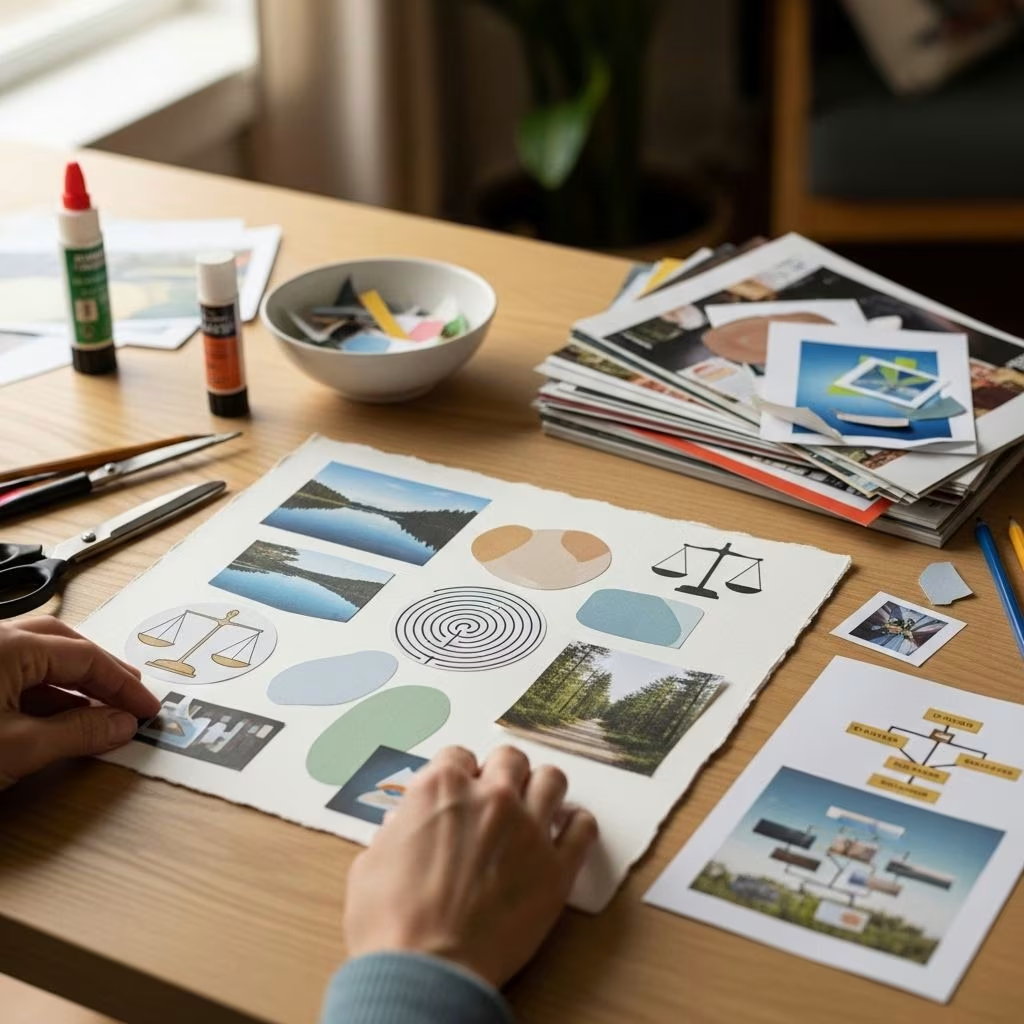
In our hyperconnected world, the average person makes approximately 35,000 decisions daily, from selecting breakfast options to making critical work choices. This constant decision-making creates a psychological phenomenon known as decision fatigue, which depletes our mental resources and impairs our ability to make quality choices. Mindful collage emerges as a powerful therapeutic tool that combines creativity with mindfulness to provide relief from this overwhelming cognitive burden.
Understanding Decision Fatigue
Decision fatigue represents the deteriorating quality of decisions made after a long session of decision-making. Initially identified by social psychologist Roy Baumeister, this phenomenon occurs when our cognitive resources become depleted through continuous choice-making. Unlike physical fatigue, decision fatigue affects our mental clarity and emotional regulation, leading to poor judgment, procrastination, and increased stress levels.
The Psychological Impact
When experiencing decision fatigue, individuals often resort to cognitive shortcuts that compromise decision quality. This mental exhaustion manifests in three primary ways: avoidance behaviors where decisions are postponed indefinitely, impulsive choices made without proper consideration, and analysis paralysis where overthinking prevents any decision from being made. The brain, seeking to conserve energy, defaults to familiar patterns or simply avoids making choices altogether.
Symptoms and Recognition
Common symptoms of decision fatigue include mental fog, increased irritability, difficulty concentrating, procrastination tendencies, and feeling overwhelmed by simple choices. Physical symptoms may include headaches, tension, and general fatigue. Recognizing these signs early allows for intervention through therapeutic techniques like mindful collage.
What is Mindful Collage
Mindful collage combines the ancient art of collage-making with mindfulness principles to create a therapeutic practice that engages both creative and meditative faculties. Unlike traditional collage art focused on aesthetic outcomes, mindful collage emphasizes the process of creation as a form of moving meditation that reduces mental chatter and restores cognitive clarity.
Core Principles
The practice operates on four fundamental principles: present-moment awareness during the creative process, non-judgmental acceptance of whatever emerges, intentional focus on tactile and visual elements, and gentle attention to thoughts and feelings without attachment. These principles work together to create a safe space for mental restoration and clarity.
Therapeutic Foundation
Mindful collage draws from established therapeutic approaches including art therapy, mindfulness-based stress reduction, and cognitive behavioral therapy. The integration of these modalities creates a unique intervention that addresses both the cognitive and emotional aspects of decision fatigue while providing a tangible creative outlet for expression and relief.
The Science Behind Creative Therapy
Research in neuroscience and psychology demonstrates that creative activities activate different brain networks than analytical thinking. When engaged in artistic creation, the brain shifts from the default mode network associated with rumination and worry to the task-positive network focused on present-moment engagement. This neurological shift provides the mental rest necessary to combat decision fatigue.
Neuroplasticity and Recovery
Creative activities promote neuroplasticity, the brain’s ability to form new neural connections and pathways. Through mindful collage, individuals strengthen neural networks associated with relaxation, creativity, and emotional regulation while allowing overworked decision-making circuits to recover. This biological process supports long-term cognitive resilience and improved decision-making capacity.
Stress Response Regulation
Mindful collage activates the parasympathetic nervous system, which counters the stress response often triggered by decision overload. The rhythmic, repetitive motions of cutting, arranging, and gluing materials create a meditative state that reduces cortisol levels and promotes the release of endorphins and dopamine, naturally restoring mental equilibrium.
How Mindful Collage Helps Decision Fatigue
Mindful collage addresses decision fatigue through multiple therapeutic mechanisms that work synergistically to restore cognitive function and emotional balance. The practice provides immediate relief while building long-term resilience against mental exhaustion.
Cognitive Rest and Restoration
The creative process allows the prefrontal cortex, responsible for executive decision-making, to rest while other brain regions become active. This cognitive shift provides the necessary downtime for neural recovery, similar to how physical rest allows muscles to repair and strengthen. The non-verbal nature of collage creation particularly benefits individuals whose decision fatigue stems from verbal reasoning and analysis.
Emotional Processing and Release
Decision fatigue often carries emotional components including anxiety, frustration, and overwhelm. Mindful collage provides a safe container for processing these emotions through symbolic representation and creative expression. The act of selecting, arranging, and combining images becomes a metaphor for organizing internal experiences and finding new perspectives on challenging situations.
Mindfulness Integration
The mindful component ensures that the creative process becomes a form of meditation rather than another task requiring decisions. By focusing attention on sensory experiences like texture, color, and composition, practitioners develop present-moment awareness that interrupts rumination and worry patterns contributing to decision fatigue.
Getting Started with Mindful Collage
Beginning a mindful collage practice requires minimal materials and can be adapted to any skill level or time constraint. The key is establishing an approach that prioritizes process over product and mindfulness over artistic achievement.
Essential Materials
Basic supplies include magazines, newspapers, or printed images; scissors or craft knife; glue sticks or adhesive; blank paper or canvas; and optional colored pencils or markers. The quality of materials matters less than their accessibility and personal appeal. Many practitioners find that using diverse sources creates richer symbolic possibilities.
Setting Up Your Space
Create a dedicated space that feels calm and inviting, free from distractions and time pressures. Good lighting, comfortable seating, and organized materials support the meditative quality of the practice. Consider playing soft instrumental music or maintaining silence based on personal preference. The physical environment should feel like a sanctuary for creative exploration.
Establishing Intention
Before beginning each session, set a gentle intention for the practice rather than specific artistic goals. Intentions might include finding clarity on a particular decision, releasing accumulated stress, or simply being present with the creative process. This intention-setting helps distinguish mindful collage from casual art-making and aligns the practice with therapeutic goals.
Techniques and Exercises
Various mindful collage techniques can be adapted to address specific aspects of decision fatigue while maintaining the core principles of mindfulness and creative expression.
The Decision Tree Collage
This technique involves creating a visual representation of a challenging decision using tree imagery and symbolism. Practitioners collect images representing different options, outcomes, and values, arranging them as branches, roots, and fruits of a metaphorical tree. The process helps externalize complex decisions and reveals new perspectives without forcing immediate resolution.
Emotional Landscape Mapping
Create collages representing different emotional states experienced during periods of decision fatigue. Use colors, textures, and imagery to map feelings of overwhelm, clarity, confusion, and peace. This technique helps identify emotional patterns and triggers while providing visual anchors for positive states that can be cultivated.
The Simplicity Practice
Focus entirely on basic elements like color, shape, and texture without representational imagery. This approach removes the burden of meaning-making and symbolic interpretation, allowing pure aesthetic and sensory engagement. The simplicity practice is particularly effective when decision fatigue includes analysis paralysis or overthinking tendencies.
Intuitive Image Selection
Develop trust in intuitive selection by choosing images based on immediate emotional or energetic response rather than logical analysis. This exercise strengthens intuitive decision-making abilities while creating space for unconscious wisdom to emerge through visual symbols and metaphors.
Creating Your Practice
Developing a sustainable mindful collage practice requires attention to timing, frequency, and integration with daily life. The practice should feel supportive rather than burdensome, adapting to individual schedules and needs.
Practice Scheduling
Begin with short 15-20 minute sessions to establish the practice without overwhelming already strained cognitive resources. Gradually extend sessions as comfort and engagement develop. Many practitioners find benefit in daily brief sessions rather than lengthy weekly practices, as this provides consistent support for decision-making challenges.
Integration Strategies
Integrate mindful collage into existing routines and stress management practices. Morning sessions can set a calm intention for the day, while evening practices help process accumulated stress and decisions. Some practitioners use brief collage moments during work breaks to reset mental clarity before important decisions.
Progress Tracking
Keep a simple journal noting decision-making quality, stress levels, and creative insights before and after sessions. This tracking helps identify patterns and benefits while maintaining motivation for continued practice. Avoid over-analyzing the artistic outcomes, focusing instead on subjective wellbeing and cognitive function improvements.
Benefits and Outcomes
Regular mindful collage practice produces both immediate and cumulative benefits for decision fatigue relief and overall mental wellness.
Immediate Benefits
Practitioners often experience immediate stress relief, mental clarity, and emotional calming during and immediately after sessions. The creative process provides a natural reset for overwhelmed cognitive systems while offering a sense of accomplishment and creative satisfaction that counters feelings of depletion.
Long-term Outcomes
Consistent practice builds resilience against future decision fatigue while improving overall decision-making quality. Practitioners report enhanced intuition, reduced anxiety around choices, and greater comfort with uncertainty. The mindfulness skills developed through collage often transfer to other life areas, creating broader psychological benefits.
Cognitive Enhancement
Regular creative practice supports cognitive flexibility, problem-solving abilities, and emotional regulation. The brain benefits from regular creative stimulation, maintaining neuroplasticity and cognitive reserve that supports healthy aging and stress resilience.
Frequently Asked Questions
Q: How often should I practice mindful collage for decision fatigue relief?
A: Start with 15-20 minute sessions 3-4 times per week, adjusting frequency based on your decision-making load and stress levels. Some people benefit from daily brief sessions during high-stress periods.
Q: Do I need artistic ability to benefit from mindful collage?
A: No artistic skill is required. The therapeutic benefits come from the mindful creative process, not the artistic quality of the final product. Focus on the experience rather than the outcome.
Q: Can mindful collage replace other stress management techniques?
A: Mindful collage works well as part of a comprehensive stress management approach. It complements other practices like meditation, exercise, and therapy rather than replacing them entirely.
Q: How long does it take to see benefits from mindful collage practice?
A: Many people experience immediate relaxation and clarity during sessions, while cumulative benefits for decision-making quality typically develop over 2-4 weeks of regular practice.
Q: What if I feel overwhelmed by material choices during collage creation?
A: Start with limited material options or pre-selected images to reduce choice overload. The goal is therapeutic benefit, not artistic complexity. Simplify as needed to maintain the meditative quality of the practice.
References
- https://www.atlassian.com/blog/productivity/decision-fatigue
- https://thedecisionlab.com/biases/decision-fatigue
- https://www.medicalnewstoday.com/articles/decision-fatigue
- https://hpalivewell.com/what-is-decision-fatigue/
- https://www.choosingtherapy.com/decision-fatigue/
- https://pmc.ncbi.nlm.nih.gov/articles/PMC6119549/
- https://growwithchristine.com/what-is-decision-fatigue/
- https://blog.kiratalent.com/how-fatigue-affects-your-admissions-decisions/
- https://pmc.ncbi.nlm.nih.gov/articles/PMC7384807/
- https://www.amandalynnephd.com/blog/decision-fatigue


