


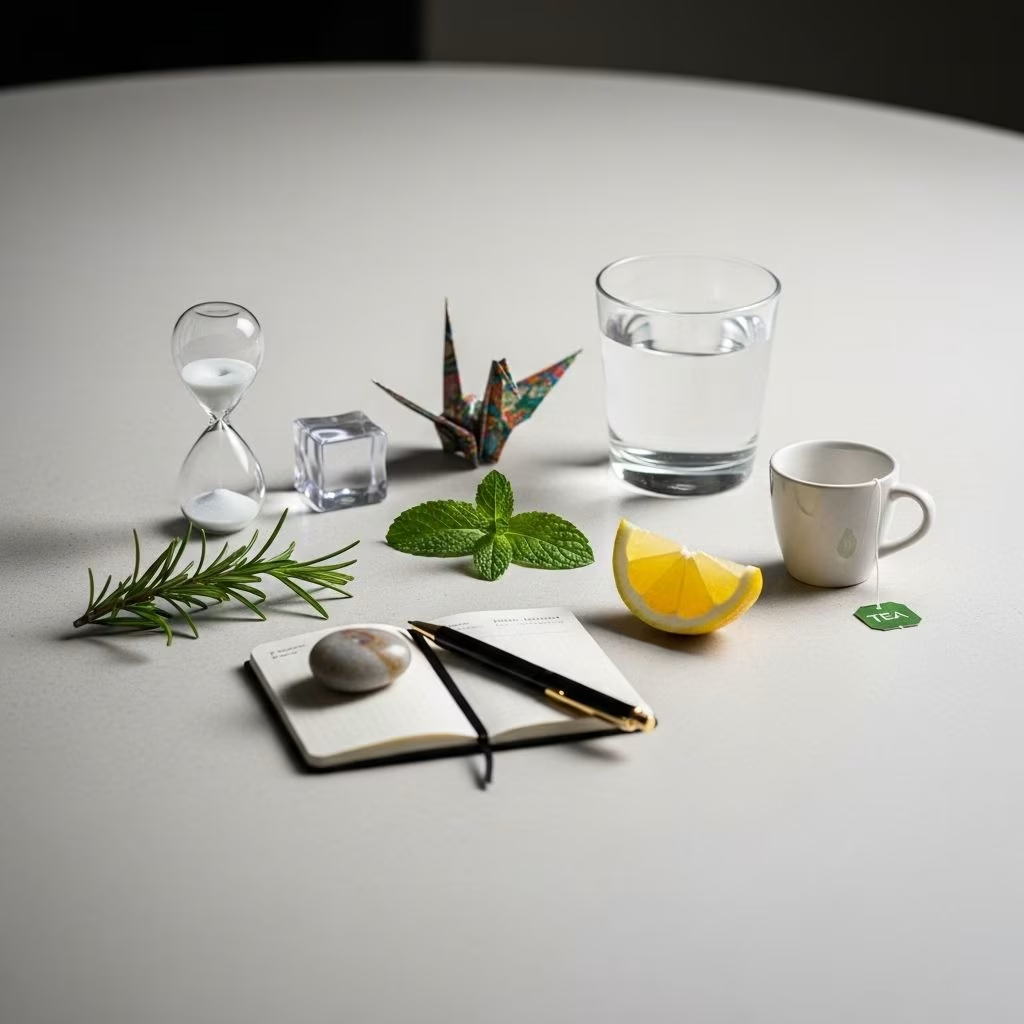
Mindful drinking is an emerging wellness practice that encourages us to approach every sip of our favorite beverages, especially alcohol, with heightened awareness and intention. In a culture where drinking can be habitual, social, or used as a coping mechanism, mindful drinking offers a transformative way to build healthier relationships with the beverages we consume. This in-depth guide explores the philosophy, techniques, science, and practical steps of mindful drinking—applicable to everyone who wants to improve well-being, not just those abstaining from alcohol.
What Is Mindful Drinking?
Mindful drinking is the practice of being fully present and aware when consuming any beverage—most notably alcohol. It builds a conscious connection to the why, what, when, and how of drinking:
- Why am I choosing this drink?
- How does it taste, smell, and feel in my body?
- How am I affected emotionally and physically?
Unlike strict approaches that mandate abstinence (such as Dry January), mindful drinking does not demand you give up drinking altogether; instead, it focuses on awareness, intention, and presence with every beverage you choose.
Core Principles of Mindful Drinking
- Intentionality: Carefully considering why you want a drink—whether for pleasure, socializing, relaxation, or out of habit.
- Presence: Paying attention to the taste, aroma, and texture of each sip, engaging all your senses in the experience.
- Emotional Awareness: Recognizing your mental state before, during, and after drinking, and noticing if stress, anxiety, or other emotions influence your choices.
- Physical Sensation: Becoming attuned to your body’s responses, such as changes in mood, energy, or physical comfort.
- Non-Judgment: Observing your habits without self-blame or guilt, fostering honest self-assessment and kindness.
- Empowerment: Making informed, autonomous decisions about when and how much to drink.
The Key Differences: Mindless vs. Mindful Drinking
| Mindless Drinking | Mindful Drinking |
|---|---|
| Automatic, habitual | Conscious, intentional |
| Driven by external cues or social pressure | Driven by self-awareness and genuine desire |
| Often leads to overconsumption | Encourages moderation and savoring |
| Little attention to emotion or bodily sensations | Heightened awareness of feelings and body |
Health Benefits of Mindful Drinking
By consciously moderating intake and building awareness, mindful drinking can benefit both physical and mental health.
- Reduced risk of health problems: Less overindulgence reduces risks of liver disease, high blood pressure, certain cancers, and other ailments associated with alcohol.
- Improved mental clarity: Greater ability to focus, make decisions, and recall memories.
- Better sleep and energy: Lower alcohol consumption is linked to improved sleep quality and higher daytime energy levels.
- Healthier weight management: Lower calorie intake and reduced late-night snacking.
- Decreased anxiety and improved mood: Being present minimizes unhealthy coping, reducing stress and fostering a more stable mood.
- Stronger immune function: Better sleep and less alcohol promote immune health.
- Lower dependency risks: Increased control leads to less chance of developing problematic drinking habits or hangovers.
- Enhanced enjoyment and satisfaction: Savoring drinks can actually increase pleasure and fulfillment from the experience.
Practical Techniques for Mindful Drinking
Adopting mindful drinking habits is a process—it often begins with self-reflection and simple behavioral shifts.
- Pause Before Drinking: Take a moment before each drink to reflect: Do I want this? Why? How will it make me feel?
- Engage Your Senses: Notice the color, aroma, first taste, and mouthfeel. Drink slowly, allowing the experience to unfold.
- Track Your Intake: Keep a journal or use a tracking app to record when and how much you drink, and your reasons.
- Set Clear Intentions: Decide on your drinking goals before social events. This could be a maximum number of drinks, or choosing alcohol-free options at certain times.
- Practice Alternation: Alternate alcoholic beverages with non-alcoholic drinks (such as water, soda, or herbal teas) to slow down consumption.
- Reflect on Triggers: Identify patterns or emotional states that increase the likelihood of drinking more than intended—e.g., stress, boredom, certain social groups—and plan alternative responses.
- Monitor Physical Sensations: Check in with your body as you drink: are you feeling satisfied, tired, lightheaded? Use these cues to guide your next choice.
- Practice Gratitude: Appreciate the beverage in your hands—its craftsmanship, the people you’re with, or simply the quiet moment for yourself.
- Embrace Alcohol-Free Alternatives: Explore creative, intentional alcohol-free drinks and social rituals.
Remember, the aim is not perfection, but compassionate curiosity and improvement over time.
Cultural and Social Dimensions
Drinking is often embedded deeply in our social lives, traditions, and celebrations. Mindful drinking asks us to reflect on these cultural cues and how they shape our behaviors.
- Social Expectations: In many cultures, declining a drink can feel awkward or even rude. Mindful drinking empowers you to make choices based on your needs, not social pressure.
- New Social Rituals: Some groups, such as sober curious or alcohol-free clubs, provide spaces where conscious drinking or not drinking at all is normalized and celebrated.
- Inclusive Language: Rather than asking “Why aren’t you drinking?”, mindful communities focus on “What are you enjoying tonight?” promoting acceptance.
- Intentional Celebrations: Special occasions often prompt unexamined drinking; mindful drinking offers space for alternative traditions (e.g., toasting with a favorite non-alcoholic beverage).
Mindful Drinking Beyond Alcohol
Though most discussion centers on alcohol, mindful drinking is a universal principle you can apply to any beverage, from morning coffee to sugary sodas.
- Caffeinated Drinks: Are you reaching for coffee out of true need or reflex? Notice its taste, the warming effect, and your body’s response.
- Sugary Beverages: Savor sweet drinks and notice if you use them for energy, comfort, or routine. Then, assess if those reasons serve your health.
- Hydration Awareness: Even with water—drink mindfully, aware of thirst cues and the refreshing impact on your body.
Tips for Applying Mindfulness to Any Beverage
- Pause before each sip and take a slow inhalation.
- Notice the first taste and the aftertaste.
- Ask yourself: Does this support my energy, focus, and goals right now?
Challenges and How to Overcome Them
- Social Pressure: Prepare polite but firm responses when offered a drink, or suggest fun non-alcoholic options for group events.
- Habits and Triggers: Replace habitual cues (like pouring wine after work) with a mindful pause, or a relaxing ritual with tea or sparkling water.
- Slip-Ups: Mindfulness means non-judgment; use any unplanned overindulgence as data to deepen self-awareness, not to shame yourself.
- Boredom or Emotional Avoidance: Identify underlying needs and seek alternative ways to address them—creative activities, movement, or connecting with a friend.
Tools and Resources to Support Mindful Drinking
- Drink-tracking Apps and Journals: Document your intake, mood, and cravings to identify patterns.
- Community Groups: Join online or local sober curious, moderation, or mindful drinking groups for support.
- Mindfulness Practices: Guided meditations (breathing, body scan, urge surfing) deepen present-moment awareness.
- Educational Resources: Books, podcasts, and expert articles provide science-based insights and ongoing motivation.
Frequently Asked Questions (FAQs)
Q: Is mindful drinking only for people who want to quit alcohol?
A: No. Mindful drinking is for anyone wanting a more conscious approach to beverages, whether you drink moderately, wish to cut back, or want to abstain. The practice is about awareness, not abstinence.
Q: Can mindful drinking improve my social life?
A: Yes. By choosing when and what to drink more intentionally, you may discover new activities, connect more authentically, and avoid negative social side-effects of overdrinking.
Q: How do I start practicing mindful drinking?
A: Begin by pausing before each drink, asking yourself why you’re choosing it. Track your beverages, set intentions, and notice how your body and mood change throughout the experience.
Q: Does mindful drinking apply to other drinks like coffee or soda?
A: Absolutely. Mindful drinking can and should be applied to all beverages—be present and intentional with anything you consume.
Q: What if I slip up and drink more than I intended?
A: Mindful drinking is about gentle self-awareness, not perfection. Reflect on what happened, what you learned, and return to your intentions without self-judgment.
Key References
- Luke Allen, PhD: Mindful Drinking Explained
- Healthline: Mindful Drinking and Mental Health
- Cosmopolitan: Why Mindful Drinking Matters
- De Soi Blog: Health Benefits of Mindful Drinking
- Sunnyside: Practical Tips and Impact
References
- https://lukeallenphd.com/blog/mindful-drinking
- https://www.healthline.com/health-news/what-is-mindful-drinking
- https://www.cosmopolitan.com/health-fitness/a64376986/mindful-drinking/
- https://drinkdesoi.com/blogs/non-alcoholic-aperitif/mindful-drinking-embracing-alcohol-free-choices-for-a-healthier-lifestyle
- https://www.sunnyside.co/blog/mindful-drinking-101
- https://globalwellnessinstitute.org/global-wellness-institute-blog/2024/04/22/mindful-drinking-as-the-ultimate-wellness-hack/
- https://www.foundationhealth.org/our_community/fhp_healthbreak/mindful_drinking_navigating_alcohol_in_the_new_year
- https://pmc.ncbi.nlm.nih.gov/articles/PMC3693770/
- https://positivedamage.substack.com/p/a-new-definition-of-mindful-drinking


