


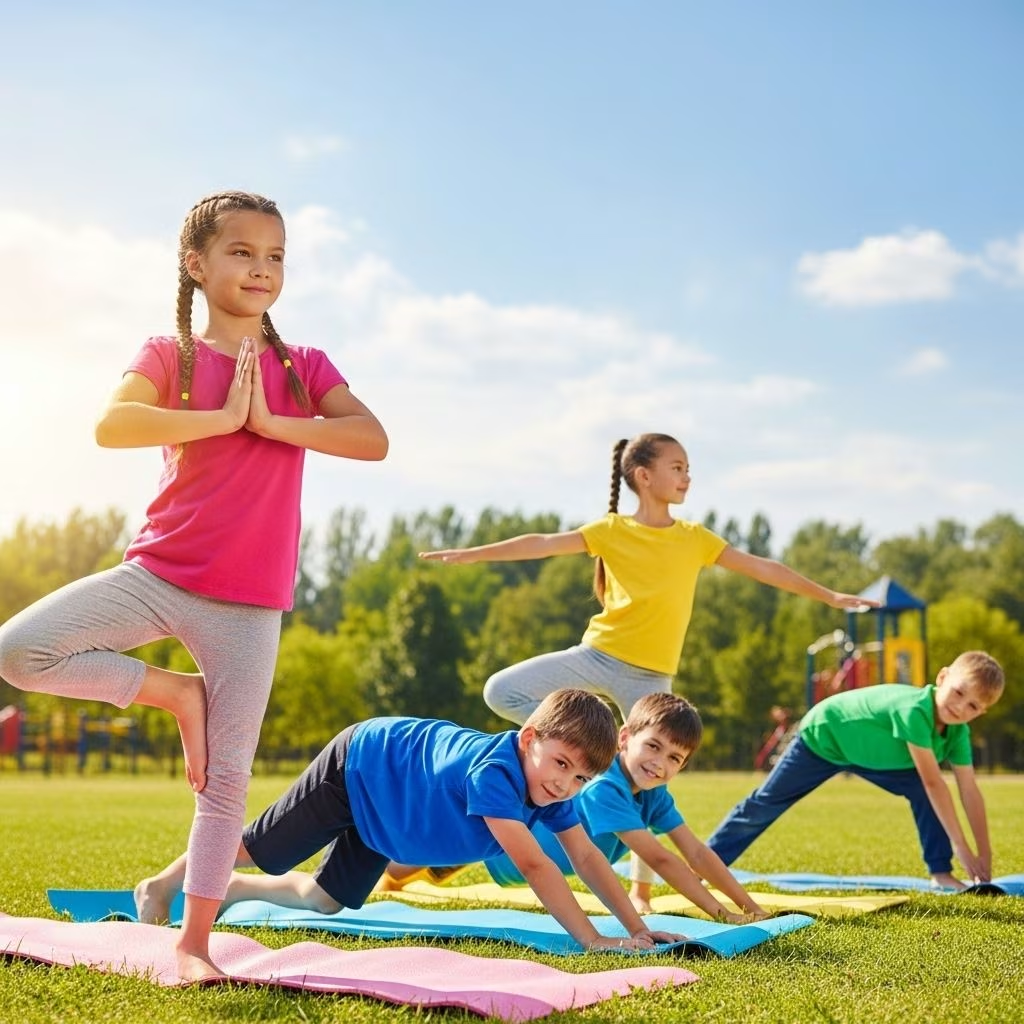
Mindful movement practices, including yoga and stretching, are emerging as cornerstone tools for supporting children’s development in today’s fast-paced world. Through specially designed routines, kids benefit physically, emotionally, and cognitively, empowering them to navigate challenges and nurture lifelong well-being. In this extensive guide, you’ll discover the science behind mindful movement, practical routines, tips, and answers to common questions, all focused on helping children thrive.
Introduction to Mindful Movement
Mindful movement combines physical activity with present-moment awareness, resulting in holistic benefits for body and mind. For children, mindful movement is delivered primarily through yoga poses, stretching activities, and breath-focused mindfulness. Unlike traditional exercise, these methods emphasize feeling each movement, noticing sensations, and calming the mind. Such practices nurture self-discipline, body awareness, and emotional regulation, essential for healthy development.
Both yoga and stretching can be tailored to suit all ages and abilities, making them accessible and enjoyable for every child.
Key Benefits of Yoga & Stretching for Kids
Scientific research and pediatric recommendations highlight a wide range of benefits from regular yoga and stretching routines for children:
- Physical Strength and Flexibility: Builds core muscles, supports joint health, improves posture, and reduces risk of injury.
- Motor Coordination: Enhances balance and coordination, developing gross and fine motor skills.
- Emotional Regulation: Reduces stress and anxiety, teaching techniques to manage overwhelming feelings.
- Self-esteem and Confidence: Achieving poses and setting mindful goals boosts self-worth.
- Focus and Cognitive Function: Improves attention span, memory, and school performance.
- Social Skills: Cultivates empathy, communication, and cooperation during group sessions.
- Quality Sleep: Relaxation techniques support healthy, restorative sleep patterns.
- Behavioral Improvements: Teaches discipline and reduces impulsivity or disruptive behaviors.
Scientific Insights: How Mindful Movement Shapes Development
Physical Development
Yoga and stretching support musculoskeletal growth, improving children’s strength and flexibility at critical development phases.
Research from the Journal of Clinical Medicine (2019) indicates that children participating in yoga-based programs show notable improvements in balance, flexibility, and overall physical fitness.
- Joint health is promoted by regular stretching.
- Dynamic and static yoga postures encourage muscular endurance and core stability.
Emotional Well-being
Mindful breathing and relaxation techniques activate the body’s parasympathetic system, lowering stress and anxiety. Studies confirm that children practicing mindfulness and yoga experience improved emotional regulation and fewer behavioral issues in school.
- Lighting emotional self-awareness and management during stressful scenarios.
- Providing safe outlet for natural emotional fluctuations as children grow.
Cognitive Advances
Enhancing concentration is a central feature of yoga and stretching for kids. Research in Frontiers in Psychology (2018) found measurable improvements in attention span and working memory among young children after weeks of regular mindfulness practice.
- Boosts academic performance through improved focus.
- Sharpens executive functions vital for problem-solving and planning.
Social Benefits
Mindful movement in group settings teaches teamwork, empathy, and respectful communication. According to the American Academy of Pediatrics, yoga interventions foster better social responsiveness and reduce challenging classroom behaviors.
Practical Techniques and Sample Routines
Popular Yoga Poses for Kids
- Mountain Pose (Tadasana): Standing tall, grounding feet, cultivating steadiness.
- Tree Pose (Vrksasana): Balancing on one leg, arms overhead to mimic branches, growing focus.
- Child’s Pose (Balasana): Kneeling fold that encourages relaxation and gentle stretching of the back.
- Downward Dog (Adho Mukha Svanasana): Inverted position, stretches hamstrings and shoulders.
- Cat-Cow Stretch (Marjaryasana/Bitilasana): On hands and knees, move spine between arch and curve, increasing flexibility.
- Butterfly Pose (Baddha Konasana): Sitting, feet together, knees open; stretches hips and fosters calm.
Simple Stretching Activities
- Gentle neck stretches (side-to-side and circular)
- Shoulder rolls (forward and backward)
- Side bends (reach arms overhead and lean to each side)
- Toe touches (standing or seated)
- Calf raises (strengthen lower legs and balance skills)
| Activity | Duration (min) | Purpose |
|---|---|---|
| Deep Breathing (Seated) | 2 | Activates relaxation response, sets intention |
| Cat-Cow Stretch | 2 | Improves spine flexibility, warms up muscles |
| Mountain Pose Flow | 2 | Builds core strength, body awareness |
| Tree Pose Balancing | 2 | Refines focus, strengthens legs |
| Butterfly Pose & Shoulder Rolls | 2 | Opens hips, relaxes upper body |
| Downward Dog & Toe Touches | 3 | Stretches back lines, energizes mind |
| Child’s Pose (Rest) | 2 | Promotes calm, aids emotional reset |
Incorporating Mindful Movement into Daily Life
Fitting mindful movement into a child’s daily schedule need not be complicated. Consistency is vital—but short, playful routines often work best. Movement can be seamlessly included:
- During transitions (getting ready for school, bedtime)
- As homework breaks to reset focus
- At the end of a busy day to unwind
- In group or classroom settings, fostering social skills
Other everyday mindfulness activities for kids include:
- Mindful Eating: Slowing down and noticing flavors, textures, and smells.
- Mindful Walking: Observing sights, sounds, and feelings on strolls outdoors.
- Mindful Breathing: Counting breaths or gently placing a hand on the belly to sense inhales and exhales.
Overcoming Barriers: Tips for Parents and Educators
- Keep Sessions Short: Young children focus best in short 10–15 minute sessions.
- Emphasize Fun, Not Perfection: Use playful language and animal-themed poses (e.g., “lion’s breath”), avoiding strict form.
- Model Participation: Adults doing the poses alongside children builds buy-in and strengthens bonds.
- Celebrate Progress: Use positive reinforcement—celebrate effort, not just achievement.
- Be Patient With Behavioral Challenges: Yoga routines can reduce impulsivity and support discipline over time.
- Adapt for Special Needs: Activities can be modified for children with disabilities, ensuring inclusivity and accessibility.
Frequently Asked Questions (FAQs)
Q: What age can children start practicing yoga and stretching?
A: Most yoga and stretching techniques can be adapted for children as young as age 3. Always focus on gentle movements and safety for younger ages.
Q: How often should children practice mindful movement?
A: Ideally 2–4 times per week (even brief sessions), though daily movement—even a few minutes—can provide valuable benefits.
Q: Can mindful movement help with my child’s sleep?
A: Yes. Relaxation-focused routines, such as gentle stretches or Child’s Pose, can ease the transition to restful sleep.
Q: What do I do if my child has trouble focusing during sessions?
A: Short sessions, playful approaches, and allowing free movement can help keep children engaged. Progress builds gradually.
Q: Are there any risks associated with yoga or stretching for kids?
A: Mindful movement is generally very safe when poses and stretches are age-appropriate and supervised. Avoid overstretching, and use modifications for children with medical conditions.
Recommended Resources
- Books: “Yoga for Children” by Lisa Flynn; “Breathe Like a Bear” by Kira Willey
- Websites: YogaEd.com, Cosmic Kids Yoga, local pediatric clinics
- Mobile Apps: Stop, Breathe & Think Kids; GoNoodle
- Videos: YouTube: Cosmic Kids Yoga channel
Empowering Lifelong Well-Being Through Mindful Movement
By weaving yoga, stretching, and mindful routines into children’s lives, we lay foundations for robust health, emotional stability, and resilient self-esteem. Scientific evidence and everyday observations agree: the skills nurtured through mindful movement will serve kids for years to come. Parents, educators, and caregivers have a powerful opportunity to foster growth and happiness by simply introducing playful, accessible movement practices each day.
References
- https://pepeandwolf.com/blogs/core/the-science-behind-yoga-stretching-and-mindfulness-for-young-children
- https://azearlychildhood.org/resources/articles/7-benefits-of-yoga-for-young-kids/
- https://letsgrowpediatrics.com/blog/kids-yoga-and-mindfulness-relaxation-techniques/
- https://www.frameofmindclinic.com/blog/mindfulness-for-kids/
- https://www.themindfulnessmovement.net/blog-1/the-importance-of-yoga-and-mindfulness-for-kids
- https://www.fitnessblender.com/articles/mindful-movement-how-it-s-done-and-why-it-s-good-for-you
- https://www.guildhumanservices.org/blog/stretching-possibilities-benefits-yoga-and-movement


