


Introduction
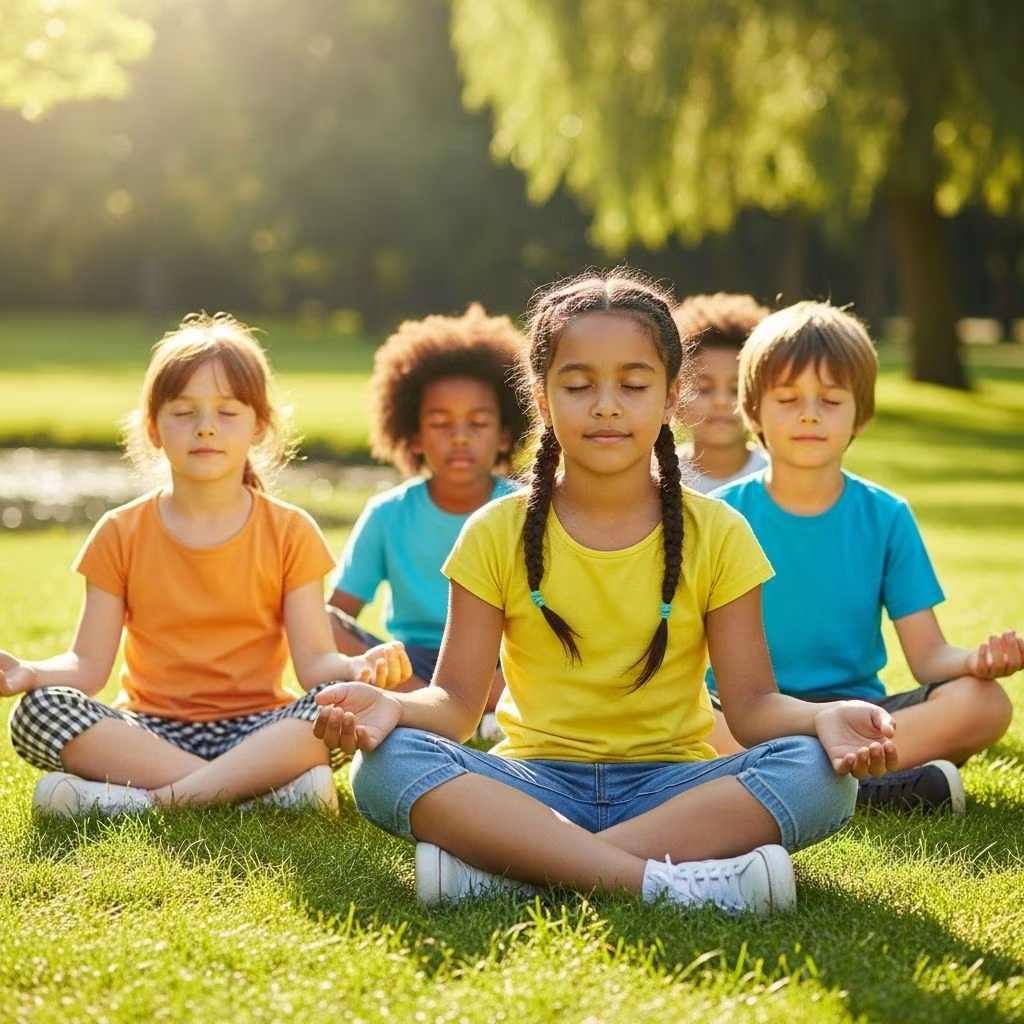
In an increasingly fast-paced and digital world, children face more distractions and stressors than ever before. Mindfulness—a practice rooted in focusing attention on the present moment—has emerged as a powerful tool to support children’s development, emotional well-being, and academic success. Backed by a growing body of research, mindfulness training is now being integrated into schools, homes, and even digital platforms to help kids cultivate focus, resilience, and a sense of calm.
What is Mindfulness?
Mindfulness is the practice of paying purposeful attention to the present moment, without judgment. For children, this often involves simple exercises like focusing on their breath, observing their feelings, or engaging their senses during everyday activities. These practices help kids become more aware of their thoughts, emotions, and bodily sensations, empowering them to respond to challenges with greater clarity and calm.
The Science Behind Mindfulness for Children
Over the past two decades, hundreds of studies have demonstrated the benefits of mindfulness for children of all ages. Research suggests that mindfulness training can enhance brain connectivity, particularly between the amygdala (the brain’s emotion center) and regions responsible for emotional regulation and executive function. This neurological change is associated with improvements in attention, impulse control, and the ability to manage stress.
Recent studies have also explored the effectiveness of app-based mindfulness interventions, showing that even remote practice can lead to meaningful improvements in children’s mental health, including reductions in stress, anger, and sadness. The benefits appear to be dose-dependent, meaning children who practice mindfulness more frequently experience greater improvements.
Emotional Development and Regulation
Mindfulness equips children with tools to navigate their emotional world:
- Emotional Awareness: Mindfulness helps children recognize and label their emotions, which is the first step in managing them effectively.
- Stress Reduction: Studies show that mindfulness can significantly reduce stress and negative emotions, helping children cope with challenges such as loneliness and fear.
- Resilience: Practicing mindfulness fosters resilience, making children less likely to feel overwhelmed by strong emotions and more capable of bouncing back from setbacks.
- Empathy and Kindness: Mindfulness practices often include lessons in compassion and gratitude, nurturing qualities like empathy and kindness toward others.
Cognitive Benefits and Academic Focus
Mindfulness has a direct impact on cognitive skills crucial for learning:
- Attention and Concentration: Mindfulness training improves children’s ability to focus, which is essential for academic success and classroom behavior.
- Memory and Learning: Enhanced focus leads to better information retention and academic performance. For example, increased REM sleep—a phase linked to memory consolidation—has been observed in children who practice mindfulness.
- Problem-Solving Skills: By developing observational skills, mindfulness helps children approach problems with a clearer, more creative mindset.
- Impulse Control: Mindfulness reduces impulsive reactions, helping children think before they act—an important skill both in and out of the classroom.
Meta-analyses confirm that mindfulness-based interventions can lead to small but significant improvements in cognitive and socioemotional skills, though effects on academic achievement and behavior are less consistent.
Physical Health and Sleep
Mindfulness positively influences children’s physical well-being:
- Improved Sleep: A Stanford study found that at-risk children gained over an hour of sleep per night after participating in a school-based mindfulness curriculum. Notably, they also experienced nearly 30 additional minutes of REM sleep, which is vital for brain development and emotional health.
- Reduced Stress-Related Symptoms: Mindfulness can lower physical symptoms of stress, such as headaches or stomachaches, by promoting relaxation and body awareness.
Quality sleep is foundational for growth, immune function, and cognitive performance, making mindfulness an indirect contributor to overall health.
Mindfulness in Schools
Schools across the United States are increasingly adopting mindfulness programs to support student well-being and academic achievement:
- Curricular Integration: Many schools now include mindfulness as part of the daily routine, with dedicated time for breathing exercises, guided meditations, or mindful movement.
- Behavioral Improvements: Teachers report fewer disruptive behaviors and greater classroom engagement among students who practice mindfulness.
- Teacher and Parent Involvement: When educators and parents model mindfulness, children are more likely to adopt and benefit from the practice.
Research indicates that early childhood may be an optimal time to introduce mindfulness, as the skills learned can have lifelong benefits. However, experts caution that the quality and consistency of mindfulness instruction matter, and more long-term studies are needed to fully understand the effects.
Mindfulness Practices at Home
Parents can support mindfulness development outside of school:
- Daily Routines: Simple practices like mindful breathing before meals, gratitude journals, or body scans at bedtime can be easily incorporated into family life.
- Digital Tools: Apps and online programs offer guided mindfulness exercises tailored for children, making practice accessible and engaging.
- Modeling Behavior: Children learn best by example. When parents practice mindfulness themselves, they create a supportive environment for their children to develop these skills.
Studies involving children with ADHD highlight the added benefit of family participation—when both parents and children practice mindfulness, improvements in attention, impulse control, and family dynamics are more pronounced.
Challenges and Considerations
While the benefits of mindfulness for children are compelling, there are important considerations:
- Implementation Quality: The effectiveness of mindfulness programs depends on the skill of the instructor and the consistency of practice.
- Individual Differences: Not all children respond the same way to mindfulness training; some may find it challenging to sit still or focus initially.
- Research Gaps: More longitudinal studies are needed to assess the long-term impact of mindfulness interventions in early childhood.
- Cultural Sensitivity: Mindfulness practices should be adapted to respect the cultural and individual needs of each child and family.
Frequently Asked Questions
What is mindfulness for kids?
Mindfulness for kids is the practice of paying attention to the present moment in a non-judgmental way. It often involves simple exercises such as focused breathing, body scans, or mindful listening, tailored to be age-appropriate and engaging for children.
How does mindfulness help children focus?
Mindfulness strengthens the brain’s ability to concentrate and ignore distractions. Regular practice has been shown to improve attention span, impulse control, and academic performance, making it easier for children to focus in school and daily life.
Can mindfulness improve my child’s emotional health?
Yes, mindfulness helps children recognize and manage their emotions, reducing stress, anxiety, and negative feelings like anger or sadness. It also fosters resilience, empathy, and prosocial behaviors.
How much mindfulness practice do children need?
Even short, daily sessions—as little as 5–10 minutes—can be beneficial. Consistency is more important than duration. Some studies show greater benefits with more frequent practice.
Is mindfulness effective for children with ADHD?
Research indicates that mindfulness training can reduce symptoms of inattention and hyperactivity in children with ADHD, particularly when both parents and children participate. However, results may vary, and mindfulness should complement, not replace, other treatments.
Can mindfulness be practiced at home?
Absolutely. Parents can introduce mindfulness through simple activities, apps, or guided exercises. Modeling mindfulness as a family enhances the benefits for children.
Are there any risks or downsides to mindfulness for kids?
Mindfulness is generally safe for children, but some may initially find it boring or frustrating. It’s important to keep practices fun, brief, and age-appropriate. Instructors should be trained, and the needs of each child should be considered.
Conclusion
Mindfulness is more than a trend—it is a practical, evidence-based approach to supporting children’s emotional, cognitive, and physical development. By cultivating awareness, focus, and resilience, mindfulness equips children with skills that benefit them in the classroom, at home, and throughout life. As research continues to evolve, mindfulness is likely to become an even more integral part of holistic child development strategies, offering hope for a calmer, more focused, and emotionally healthy generation.
References
- https://med.stanford.edu/news/all-news/2021/07/mindfulness-training-helps-kids-sleep-better–stanford-medicine-.html
- https://www.canr.msu.edu/news/mindfulness_has_many_benefits_for_children
- https://news.mit.edu/2023/practicing-mindfulness-may-improve-childrens-mental-health-1011
- https://www.tandfonline.com/doi/full/10.1080/1350293X.2025.2453867
- https://pmc.ncbi.nlm.nih.gov/articles/PMC3267931/
- https://childmind.org/article/the-power-of-mindfulness/
- https://pmc.ncbi.nlm.nih.gov/articles/PMC6546608/
- https://www.childrenscolorado.org/doctors-and-departments/departments/psych/mental-health-professional-resources/primary-care-articles/mindfulness/


