


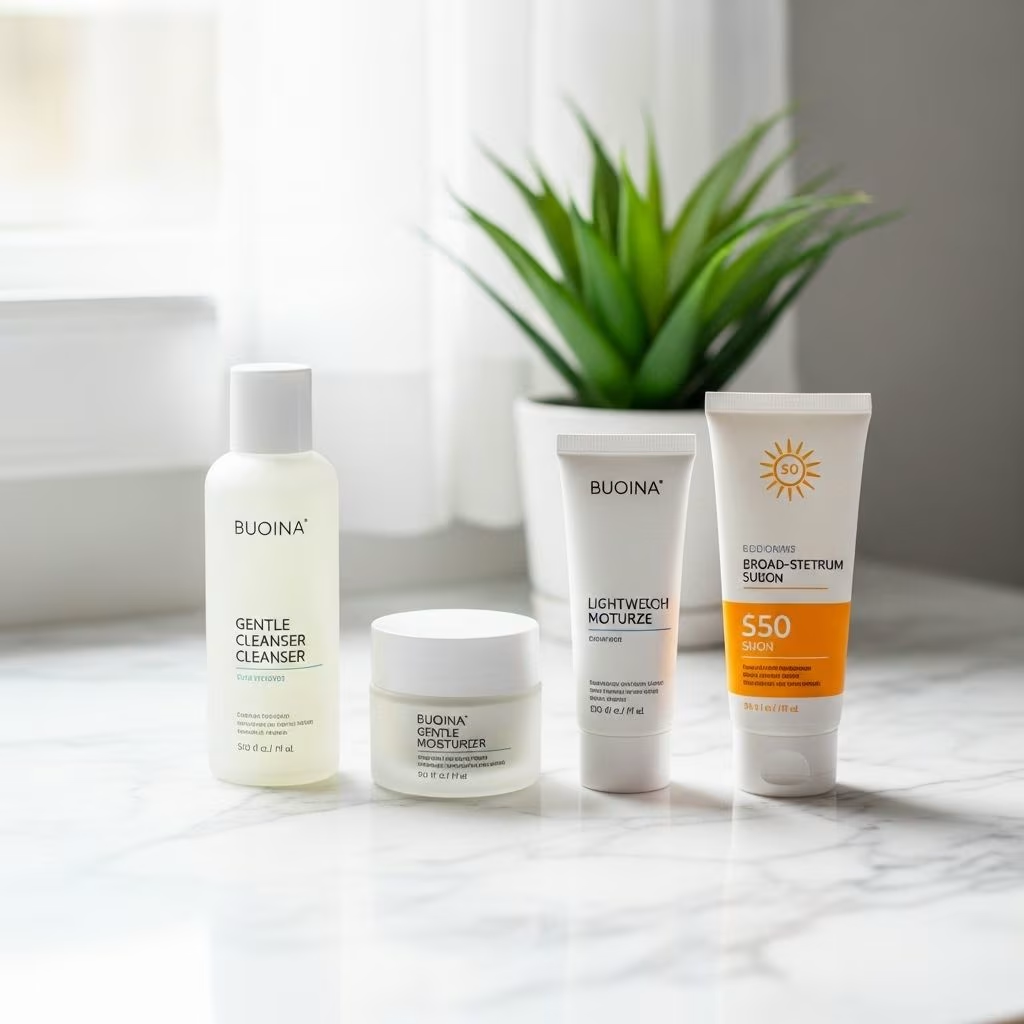
Skincare doesn’t need to be complicated, especially for teens who may be facing busy schedules, fluctuating energy levels, or simply want to keep things simple. Embracing a minimalist skincare routine can help teens achieve healthy, glowing skin without the overwhelm of multi-step regimens or expensive products. This guide explores how low energy teens can benefit from streamlined skincare, why simple routines work, and offers easy-to-follow steps and product recommendations for every skin type.
Why Minimalist Skincare Is Perfect for Low Energy Teens
Minimalist skincare is about choosing the most effective steps and products and skipping anything unnecessary. For low energy teens, this approach offers several benefits:
- Reduces Overwhelm: Fewer steps make it easier to stick to a routine, even on days when energy is low.
- Prevents Skin Irritation: Using only essential, gentle products lowers the risk of over-treating skin, which can cause breakouts or sensitivity.
- Saves Time and Money: Minimalism keeps routines short and products affordable, making it easy to maintain healthy skin even with a limited budget or schedule.
- Boosts Consistency: Simple routines are easier to remember and repeat, leading to clearer, more balanced skin over time.
- Encourages Self-Care: Even brief skin rituals can be uplifting and build positive habits for the future.
Understanding Teen Skin: Unique Needs and Changes
Teen skin is different from adult or child skin, primarily due to hormonal changes that can:
- Increase oil (sebum) production, leading to breakouts or acne
- Cause skin to fluctuate between dryness and oiliness
- Make the skin more sensitive to harsh ingredients
The goal of skincare for teens is to gently manage oil, keep pores clean, maintain moisture, and guard against future skin problems—without overdoing it.
Common Teenage Skin Concerns
- Acne and blackheads
- Oiliness or shine
- Dry patches or flakiness
- Redness or sensitivity
- Sun protection
Minimalist routines are ideal because they avoid triggering further irritation while still addressing these needs.
Core Principles of Minimalist Skincare
- Less is More: Limit your routine to 3-4 steps, using only effective, gentle ingredients.
- Listen to Your Skin: Adjust frequency, products, or steps if your skin feels irritated or out of balance.
- No Harsh Ingredients: Avoid alcohol-based toners, strong acids, excessive exfoliation, and retinoids unless prescribed by a doctor.
- Consistency Beats Complexity: Regular simple care has more impact than complex but irregular regimens.
- Multi-Use Products Are Your Friend: Use products that combine steps—e.g., a moisturizer with SPF, or a cleanser with hydrating properties.
The Essential Minimalist Routine (3-4 Steps)
The ideal minimalist skincare routine for low energy teens focuses on the basics: cleanse, moisturize, protect, and (optionally) treat.
| Step | Description | When & How Often |
|---|---|---|
| Cleanse | Removes dirt, oil, sweat, and buildup from skin. Choose a gentle, pH-balanced cleanser suitable for your skin type. | Morning & night (2x daily) |
| Moisturize | Replenishes and locks in hydration. Look for fragrance-free, lightweight lotions for oily skin or slightly richer creams for dry skin. | Morning & night, immediately after cleansing |
| Protect (SPF) | Shields against UV rays and future skin damage. Use a broad-spectrum SPF 30 or higher daily, even on cloudy days. | Every morning as last step |
| Treat (Optional) | Addresses specific issues like acne (e.g., spot treatment with benzoyl peroxide or salicylic acid). Only use as needed. | As needed, after cleansing and before moisturizing |
Bonus (Optional) Steps
- Gentle exfoliation: Once or twice a week with a mild scrub or chemical exfoliant for persistent clogged pores.
- Hydrating mask: Weekly for dry or sensitive skin, never mandatory.
Customizing for Skin Type and Lifestyle
Minimalist routines must feel personalized and realistic. Here is how to adapt the routine based on skin type and schedule:
For Oily or Acne-Prone Skin
- Use a gel cleanser labeled “oil-free” or “non-comedogenic.”
- A lightweight, oil-free moisturizer prevents dehydration and excess oil production.
- Spot-treat breakouts as needed with products featuring benzoyl peroxide or salicylic acid.
- Never over-exfoliate; stick to gentle physical or chemical exfoliants 1–2 times weekly.
For Dry or Sensitive Skin
- Choose a creamy, gentle cleanser.
- Moisturize with a richer, fragrance-free cream both morning and night.
- Skip or minimize exfoliation to once every two weeks, using only very gentle products.
- Avoid harsh acne treatments; consult a dermatologist if breakouts persist.
For Combination Skin
- Consider a balanced gel-to-cream cleanser.
- Light lotion on oily areas; richer cream on dry areas.
- Customize spot treatments and exfoliation as needed.
For Ultra-Low Energy Days
- Use micellar water or gentle cleansing wipes as a one-step cleanse if you can’t make it to the sink.
- Opt for moisturizer with SPF to combine two steps in one.
- If too fatigued at night, at least wipe your face clean and apply a quick moisturizer.
Mindful and Sustainable Skincare Habits
Minimalism in skincare isn’t just about using fewer products; it also includes developing healthy, sustainable habits:
- Wash hands before touching your face to reduce bacteria and irritation.
- Change pillowcases weekly.
- Avoid picking at pimples.
- Eat a balanced diet and drink water, as internal health often affects skin appearance.
- When trying new products, introduce only one at a time to monitor how your skin responds.
- Choose eco-friendly, cruelty-free products to support sustainable beauty.
Recommended Minimalist Products for Teens
When selecting products, look for simple ingredient lists, avoid potential irritants (like fragrance or heavy alcohols), and select products designed for sensitive or young skin.
- Gentle Cleanser: Cream cleansers for dry/sensitive skin, gel cleansers for oily/combination skin.
- Lightweight Moisturizer: Gel or lotion formulas for oily/normal skin, richer creams for dryness.
- Broad Spectrum SPF 30+: Choose non-comedogenic, fragrance-free sunscreens.
- Acne Spot Treatments: Products with minimal ingredients containing benzoyl peroxide or salicylic acid.
- Gentle Exfoliant (Optional): Mild scrubs with bamboo or walnut shell, or low-concentration chemical exfoliants. Use sparingly.
- Hydrating Mask (Optional): Weekly, for additional moisture when needed.
Remember: There is no need to chase expensive or trendy products. Consistency and gentleness matter most.
Common Pitfalls and How to Avoid Them
- Overcomplicating the Routine: Stick to the basics. Avoid adding extra products that promise miraculous results but may just irritate teen skin.
- Switching Products Too Often: Give each new product 4-6 weeks, unless irritation or a reaction occurs immediately.
- Skipping Sunscreen: Even on cloudy days or when staying indoors, UV rays can reach the skin. Sunscreen is non-negotiable.
- Using Harsh Acne Treatments Proactively: Spot treatments should only be applied where needed, not as prevention all over the face.
- Ignoring the Body: If you struggle with breakouts on your back or chest, use the same gentle approach for your body as you do for your face.
Frequently Asked Questions (FAQs)
Q: Can I really just use three products and have healthy skin?
A: Yes! Mild cleanser, moisturizer, and daily SPF are enough to maintain skin health. Simplicity helps avoid irritation and keeps routines consistent.
Q: Is it okay to skip my skincare routine if I’m too tired?
A: Occasionally skipping is fine. On tired days, use a cleansing wipe or micellar water and a quick moisturizer to do the bare minimum. Consistency over time is what counts.
Q: Should I exfoliate if I have acne?
A: Gentle exfoliation once or twice per week can help, but avoid harsh scrubs or daily use. If your skin feels irritated, cut back further.
Q: Are natural products better for teen skin?
A: Not always. Focus on gentle, well-formulated products, regardless of whether they’re labeled ‘natural.’ Some natural ingredients can still irritate sensitive skin.
Q: What if I still get breakouts with a minimal routine?
A: If basic routines and over-the-counter spot treatments don’t help after a few months, see a dermatologist for advice. Sometimes prescription products are necessary, and that’s perfectly normal.
Final Thoughts
Minimalism in skincare is a form of self-respect, not laziness. For low energy teens, the key is to build a habit around just a few effective steps using the mildest, most supportive products. This approach leads to real, lasting results—and frees up your energy for the things that matter most.
References
- https://eightsaintsskincare.com/blogs/page-eight/natural-skincare-routine-for-teens
- https://www.ulta.com/discover/skin/tween-teen-skincare-faves
- https://blommabeauty.com/blogs/natural-beauty-wellbeing-blog/how-to-build-a-natural-skincare-routine-for-teenagers
- https://www.tlc.com/stuff-we-love/september/dermatologist-guide-to-simple-teen-tween-skincare-routine
- https://www.cerave.com/skin-smarts/skin-concerns/acne/teenage-acne-skincare-routine
- https://www.beautybay.com/edited/teenage-skincare-routine/
- https://beminimalist.co/blogs/skin-care/the-best-skincare-routine-for-teens-advice-you-ll-thank-us-for
- https://www.youtube.com/shorts/IVT0Zs3GE4I


