


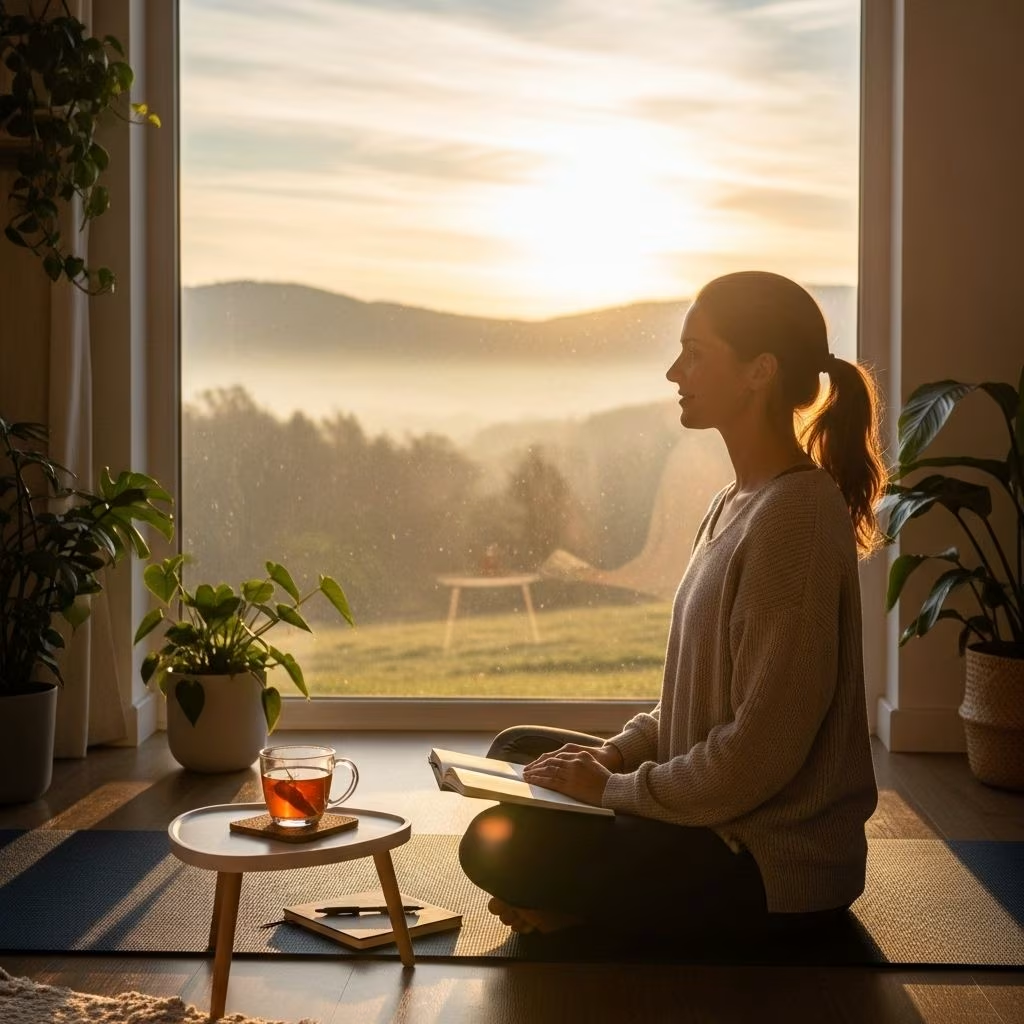
Morning gratitude sets the tone for the day, influencing mindset, mood, and even physical health. While jotting down a few things you are thankful for can create a sense of well-being, recent research and wisdom traditions suggest that deeply engaged gratitude rituals can be even more empowering. This article explores a range of advanced techniques that go far beyond writing lists, offering innovative and mindful rituals to bring gratitude alive in your mornings.
Why Morning Gratitude Matters
Scientific studies and longstanding traditions both emphasize that gratitude can increase happiness, reduce stress, and improve physical health. The morning is a particularly fertile time for gratitude because the mind is most impressionable just after waking. Establishing a gratitude ritual in the first moments after arising can create positive momentum that carries through the entire day.
- Mood regulation: Gratitude helps balance emotions, increasing positivity while mitigating anxiety and irritability.
- Mental clarity: Morning practices set your intentions and help cultivate focus and resilience.
- Physical benefits: Regular gratitude exercises have been shown to boost immune function, improve sleep, and lower blood pressure.
Beyond Lists: The Foundation of Transformative Gratitude
Writing a daily gratitude list is valuable, but to truly harness the transformative power of gratitude, experts urge us to integrate emotion, embodiment, and mindfulness into our morning practices. Engaging more than just your intellect ensures your practice is impactful and deeply felt.
- Sense-based awareness grounds gratitude in the present moment.
- Intention setting harnesses the power of deliberate focus.
- Creative and relational expressions extend gratitude outward and sustain engagement.
Tapping Your Senses: Embodied Gratitude Exercises
One way to deepen morning gratitude is by using the senses to anchor appreciation into your body and immediate environment. Rather than simply thinking about things you’re grateful for, notice the sights, sounds, smells, and sensations around you. This activates mindfulness and helps bring gratitude into the present moment.
5-Minute Sensory Gratitude Practice
- Find stillness and focus on your breath. Gently inhale and exhale, becoming aware of your body in space.
- Notice a sight you appreciate: This could be morning light, a color, a familiar comforting object, or a moving shadow.
- Shift to a scent: Inhale deeply. Notice any fragrance—from your pillow, fresh air from an open window, or even your coffee brewing.
- Listen to surrounding sounds: Whether it’s birds, gentle traffic, a loved one’s breathing, or your own heartbeat, let gratitude arise for the richness these sounds offer.
- Feel a texture or sensation: How does your blanket feel? Is the air cool on your skin? Take a moment to savor these physical experiences.
Engaging the senses, even for a few minutes, anchors gratitude in the body and the present, making it more than an abstract list.
Gratitude Intentions and Morning Affirmations
Setting intentions connects gratitude with conscious purpose. By pairing affirmation and intention with gratitude, you prime yourself for a day of focused positivity and openness.
Techniques to Try:
- Gratitude Alarm Labels: Change your alarm label to an uplifting intention, such as “I wake up with gratitude.” This simple tweak offers immediate positive focus upon waking.
- Affirmative Sticky Notes: Place affirmational notes or mantras where you will see them first thing—by your bed, bathroom mirror, or closet. Examples include “Today I open my heart to joy,” or “This is a day of new opportunities for gratitude.”
- First Words Practice: Commit to making the first thing you say (silently or aloud) an authentic thank you—whether to the universe, a higher power, or simply to yourself for another chance at life.
Gratitude in Advance: Manifestation Through Appreciation
A unique and powerful technique is practicing gratitude in advance, which involves expressing appreciation for goals and dreams as if they have already occurred. This method blends visualization, affirmation, and gratitude, directly supporting manifestation and self-fulfillment.
How to Practice Gratitude in Advance
- Write future-tense affirmations: Use the present tense to describe desired outcomes:”I am grateful I’ve landed my ideal job,” or “I am grateful for the calm and joy in my home.”
- Combine with visualization: Take a minute to imagine the feelings, sights, and sounds associated with your achievement. Who is there? What does it feel like?
- Integrate playful or unexpected items: Don’t limit gratitude to lofty ambitions—be thankful in advance for small delights. For example, “I am grateful for discovering a new favorite coffee flavor.”
Combining this practice with your standard gratitude routine can amplify positive energy and motivation throughout your day.
Mindful Morning Rituals and Movement Practices
Bringing gratitude into physical movement or ritual can make it more visceral. By embedding gratitude in mindful activities, you engage the body and spirit and reinforce neural pathways for appreciation.
Examples of Movement and Ritual
- Gratitude Yoga or Stretching: Dedicate each stretch or asana to something you are thankful for. As you reach upward, silently thank your body for its strength and resilience.
- Walking Meditation: While walking, with each step, focus on something you appreciate (fresh air, working legs, the beauty of nature).
- Gratitude Tea or Coffee Ritual: As you prepare your morning drink, pause to savor the aroma, taste, and warmth. Reflect on the people, places, and systems that brought it to your cup.
Creative and Relational Gratitude
Expressing gratitude creatively or relationally leverages the power of connection and artistic expression. These practices make gratitude active and visible, extending its benefits to others and reinforcing its value in your community and relationships.
| Technique | Description |
|---|---|
| Thank-you Notes | Write a note of appreciation to someone in your life. Deliver it in person or by mail if possible for maximum impact. |
| Voice Messages | Record a brief message expressing thanks, and send it to a family member, friend, or colleague. |
| Gratitude Jar | Write moments of gratitude on slips of paper and collect them in a jar. Pull from the jar when you need a mood boost. |
| Artistic Expression | Capture gratitude through drawing, painting, music, or dance. Let creativity channel your appreciation for life. |
Deepening Practices: Spiritual and Reflective Approaches
Many find they can deepen morning gratitude by infusing it with spiritual or reflective dimensions. These may include prayer, meditation, or reading sacred texts, which frame gratitude within a context of meaning and connection.
- Prayer of Thanks: Begin with a brief prayer, expressing gratitude for life, family, and even hardships that have taught valuable lessons.
- Reflective Reading: Read a passage or quote on gratitude from spiritual or philosophical literature and spend a moment contemplatively reflecting upon its meaning.
- Meditative Stillness: Spend a few minutes in quiet meditation, focusing on the feeling of gratitude and letting it fill your mind and body.
Tips for Sustaining Your Morning Gratitude Practice
- Start small and be consistent: Choose one new technique at a time and build your practice gradually.
- Pair with an existing morning habit: Attach your gratitude ritual to something you already do (such as brushing your teeth or making your bed).
- Use reminders: Visual cues like sticky notes, phone reminders, or calendar appointments can help ingrain your new habit.
- Adjust as needed: If a technique loses its freshness, try a new one or combine methods to keep your practice engaging and meaningful.
Frequently Asked Questions (FAQs)
Q: Why move beyond simple gratitude lists?
While lists are a helpful introduction, deeper engagement—through the senses, intention, movement, and relationships—cultivates a richer daily experience and more significant psychological benefits.
Q: How long should a morning gratitude practice last?
Even 5–10 minutes of dedicated practice can be transformative. The key is daily consistency and mindful attention, rather than duration.
Q: What if I have trouble feeling grateful in the morning?
It’s normal for gratitude to ebb and flow. Try focusing on one small sensory appreciation or act of self-kindness, or use gratitude in advance for future hopes—it’s okay to be aspirational.
Q: Can gratitude practices help with anxiety and stress?
Research establishes that regular gratitude practices can reduce stress hormones, improve mood, and foster resilience against anxiety.
Q: How can I include my family or partner in these practices?
Shared rituals, such as a morning exchange of “one thing I’m grateful for,” a gratitude jar where each family member adds a note, or shared meditations, can strengthen bonds and amplify collective positivity.
References
- https://www.mindful.org/5-minute-gratitude-practice-focus-good-tapping-senses/
- https://wakeupwithgratitude.com/blogs/gratitude/5-ways-to-wake-up-with-gratitude
- https://www.josierobinson.com/journal/gratitude-in-advance
- https://positivepsychology.com/gratitude-exercises/
- https://grateful.org/resource/grateful-living-gratitude-practice-ideas/
- https://www.bswhealth.com/blog/20-ideas-to-spark-a-daily-gratitude-habit
- https://newsinhealth.nih.gov/2019/03/practicing-gratitude
- https://lisaappelo.com/7-ways-to-practice-daily-gratitude/


