


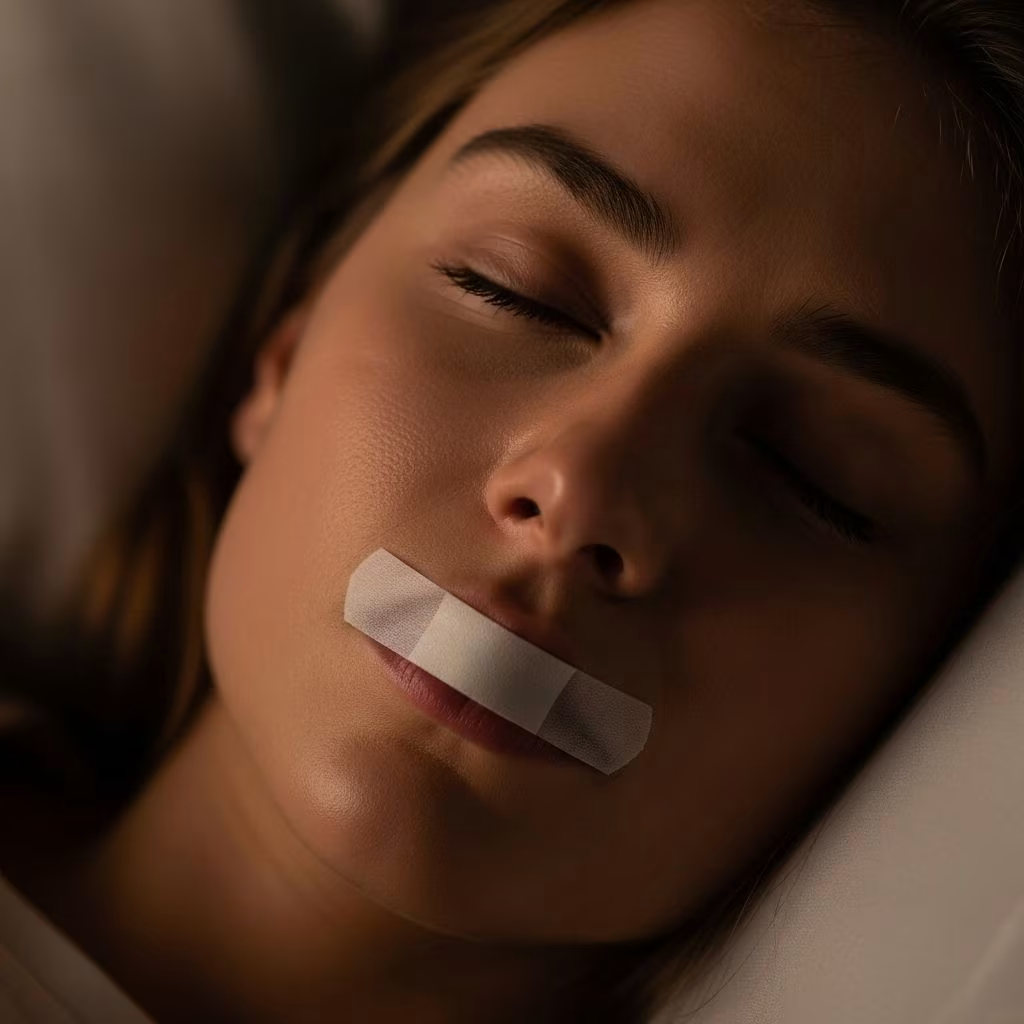
Mouth taping has emerged as a popular—yet controversial—trend aimed at promoting better sleep by encouraging nasal breathing. From social media endorsements by celebrities to anecdotal promises of improved rest, this practice has sparked intense debate among both sleep experts and the general public. But what does the research say about its effectiveness, safety, and overnight health impact? This comprehensive article explores the science, benefits, risks, and practical guidance for anyone considering mouth taping as part of their sleep routine.
What Is Mouth Taping for Sleep?
Mouth taping involves placing a specially designed or medical-grade adhesive tape over the lips before sleep, with the goal of keeping the mouth closed throughout the night. By physically blocking mouth breathing, the practice encourages the sleeper to breathe solely through their nose. This method is marketed as a way to reduce snoring, lessen morning dry mouth, and promote overall sleep quality. The trend has gained traction through viral social media content and celebrity endorsements, but is it truly safe or effective?
Claims and Rise in Popularity
Proponents of mouth taping make a range of claims, often shared on platforms like TikTok and Instagram or in wellness blogs. These include:
- Better sleep quality and deeper rest
- Reduction or elimination of snoring
- Improvements in bad breath and dry mouth
- Enhancement of energy and mental clarity upon waking
- Positive influences on facial appearance and oral health
Despite these bold promises, medical experts and evidence-based organizations have cautioned the public that most claimed benefits are largely anecdotal or not well supported by clinical evidence.
The Science of Nasal vs. Mouth Breathing
The core rationale for mouth taping lies in the widely recognized health advantages of nasal breathing over chronic mouth breathing. Nasal breathing is physiologically superior for several reasons:
- Air Filtration: The nose filters dust, allergens, and environmental toxins, reducing their entry into the lungs.
- Temperature and Humidity Control: Air inhaled through the nose is warmed and humidified, promoting better respiratory comfort and function.
- Production of Nitric Oxide: Nasal breathing generates nitric oxide, which helps dilate blood vessels, boost oxygen delivery, and fight harmful microorganisms.
- Reduced Dryness: Mouth breathing leads to dryness in the mouth and throat, raising the risk of dental issues like cavities and gum disease.
Chronic mouth breathing, especially at night, is associated with a spectrum of health concerns, including poor sleep quality, increased snoring, bad breath, and even higher risks for sleep disordered breathing issues such as sleep apnea.
Scientific Evidence: Does Mouth Taping Work?
Currently, scientific understanding of mouth taping’s overnight health effects is limited. A recent review evaluated 10 published studies involving 213 patients and found only modest evidence that mouth taping may help some people with mild obstructive sleep apnea reduce snoring or sleep disturbances.
Key findings from clinical and review research:
- Only 2 of the 10 reviewed studies found a benefit for mild sleep apnea, with a reduction in snoring when compared to controls.
- Four of the 10 studies reported significant risks, including potential asphyxiation among people with nasal blockages and discomfort leading to poor sleep.
- The majority of positive claims regarding mouth taping are based on anecdotal reports or marketing rather than robust, peer-reviewed clinical trials.
Experts strongly caution against relying on mouth taping as a treatment for clinically significant sleep disorders or as a substitute for professional care. The mechanism behind any benefit is likely closely tied to the underlying value of nasal breathing, not the act of taping itself.
Potential Benefits of Mouth Taping
While the science is limited, some users and preliminary studies suggest possible short-term benefits of mouth taping—mainly in otherwise healthy adults without significant nasal obstruction.
- Reduced Snoring: For some people with mild, positional snoring (without sleep apnea), mouth taping may reduce snoring volume and frequency by enforcing nasal breathing.
- Decreased Dry Mouth: Directly blocking oral airflow can alleviate dryness and mouth breathing-related halitosis (bad breath) in some individuals.
- Improved Morning Energy: Some users report waking with increased alertness or less fatigue, though this is not universally experienced nor well supported by rigorous data.
It’s crucial to understand that these benefits appear most often in individuals who do not have underlying nasal congestion, obstructive sleep apnea, or other sleep-disordered breathing conditions.
Theoretical Benefits of Mouth Taping Supporting Table
| Purported Benefit | Scientific Support | Expert Consensus |
|---|---|---|
| Reduced Snoring (mild cases) | Weak-to-moderate (limited studies) | Possible for select cases |
| Decreased Dry Mouth/Bad Breath | Anecdotal evidence only | No consensus |
| Better Sleep Quality for Healthy Adults | Insufficient evidence | Skeptical |
| Improved Oral Health | Theoretically plausible | Unproven |
Risks and Dangers: What Could Go Wrong?
Despite its simple allure, mouth taping carries several important risks, particularly for vulnerable groups or those with underlying conditions. The primary dangers include:
- Asphyxiation Risk: If nasal breathing is impaired (due to congestion, allergies, or structural issues), keeping the mouth closed can lower oxygen intake, sometimes dangerously so.
- Skin Irritation: Adhesives can cause rashes, redness, or soreness around the lips and facial skin.
- Discomfort and Anxiety: Having the mouth forcibly taped can provoke anxiety, restlessness, and fragmented sleep in some individuals.
- Choking Hazard: In rare cases, mouth taping could increase risk of choking if vomiting occurs during sleep (the tape sealing the mouth makes expelling material difficult).
- Worsening of Undiagnosed Sleep Disorders: If a person has obstructive sleep apnea, mouth taping could make breathing interruptions more frequent or severe.
- Difficulty Tolerating or Removing: Some users find removal of tape uncomfortable, especially if facial hair is present, or struggle to keep the tape in place overnight.
Major health organizations and experts, including those cited in recent reviews, caution that for people with nasal obstruction or potential sleep-disordered breathing, mouth taping is ill-advised and can be dangerous.
Who Should Not Use Mouth Taping?
Certain individuals are advised to avoid mouth taping altogether due to heightened risks. This includes anyone who has:
- Diagnosed or suspected sleep apnea (untreated)
- Chronic nasal congestion from allergies, cold, or deviated septum
- Recent use of alcohol or sedatives, which suppress the normal arousal response
- Obesity (body mass index over 35)
- Severe heart or lung disorders
- Active infection or broken skin around the mouth
- Younger children, who may not be able to communicate distress
Before starting mouth taping—or making any major changes to your sleep or breathing routine—it’s imperative to consult a healthcare professional, especially for those with sleep difficulties or respiratory conditions.
How to Use Mouth Taping Safely and Alternatives
If, after careful consideration and medical clearance, someone chooses to try mouth taping, the following precautions are recommended for minimizing risk:
- Use only tapes designed for medical use or specifically for mouth taping (never use duct tape or industrial adhesives).
- Test nasal patency beforehand—ensure you can breathe easily through both nostrils for several minutes.
- Start with a small piece of tape placed vertically, leaving small side gaps for airflow or easy removal.
- Never tape if experiencing nasal congestion, illness, or after taking sedating medications.
- Discontinue immediately if you experience breathing difficulty, anxiety, or new sleep disturbances.
- Inform a sleep partner or roommate about your use of mouth tape for safety monitoring.
For those looking for alternatives to address mouth breathing or sleep-disordered breathing, consider:
- Treating underlying nasal allergies or structural issues (consult an ENT specialist)
- Trying positional therapy (such as sleeping on your side)
- Using an oral appliance for mild snoring (with dentist’s prescription)
- Adopting lifestyle changes (e.g., weight loss, minimizing alcohol before bed)
- Seeking professional sleep evaluation for persistent symptoms
Frequently Asked Questions (FAQs)
Q: Can mouth taping treat sleep apnea?
No. Mouth taping is not an approved medical treatment for sleep apnea, and it may worsen symptoms for people with the condition. If you suspect sleep apnea, seek professional evaluation and care.
Q: Does mouth taping really help with snoring?
Evidence is limited, but some small studies and anecdotal reports suggest slight improvements in mild or positional snoring—primarily for people without nasal obstruction.
Q: Are there risks if I try mouth taping on my own?
Yes. Risks include asphyxiation, skin irritation, worsened sleep apnea, and anxiety. It should only be considered after ensuring clear nasal airflow and medical clearance, and never if experiencing congestion or underlying sleep disorder.
Q: What kind of tape should be used for mouth taping?
Only medical-grade, hypoallergenic tape designed for skin application or specifically marketed for mouth taping is advised. Avoid strong adhesives or anything not intended for use on skin.
Q: Are children safe to try mouth taping?
No. Children are particularly vulnerable to risks associated with mouth taping, including suffocation and worsening of sleep disorders. Mouth taping in children is not recommended.
Conclusion
Mouth taping for sleep has captured the interest of wellness enthusiasts and trendsetters, but current scientific evidence does not substantiate most of its claimed overnight health benefits. Although nasal breathing holds clear physiological advantages over mouth breathing, blocking the mouth without medical supervision can lead to serious health hazards—including asphyxiation and worsening of undiagnosed sleep disorders. Anyone considering mouth taping should consult a healthcare professional and carefully weigh the risks and alternatives. When it comes to better sleep, evidence-based methods and safety should always take priority.
References
- https://www.powershealth.org/about-us/newsroom/health-library/2025/05/22/mouth-taping-for-better-sleep-little-benefit-lots-of-risk-review-says
- https://www.sleepfoundation.org/snoring/mouth-taping-for-sleep
- https://www.webmd.com/sleep-disorders/mouth-taping
- https://health.clevelandclinic.org/mouth-taping
- https://www.henryford.com/Blog/2024/03/Mouth-Taping
- https://www.neurologyadvisor.com/news/doctors-warn-against-mouth-taping-during-sleep/
- https://www.pinewooddentistry.com/blog/the-surprising-benefits-of-mouth-taping-a-breath-of-fresh-air-for-your-health/
- https://www.ncbi.nlm.nih.gov/search/research-news/17424
- https://elmendorfrichardson.tricare.mil/News-Gallery/Articles/Article/4214137/mouth-taping-a-new-trendbut-what-are-its-effects-on-oral-health


