


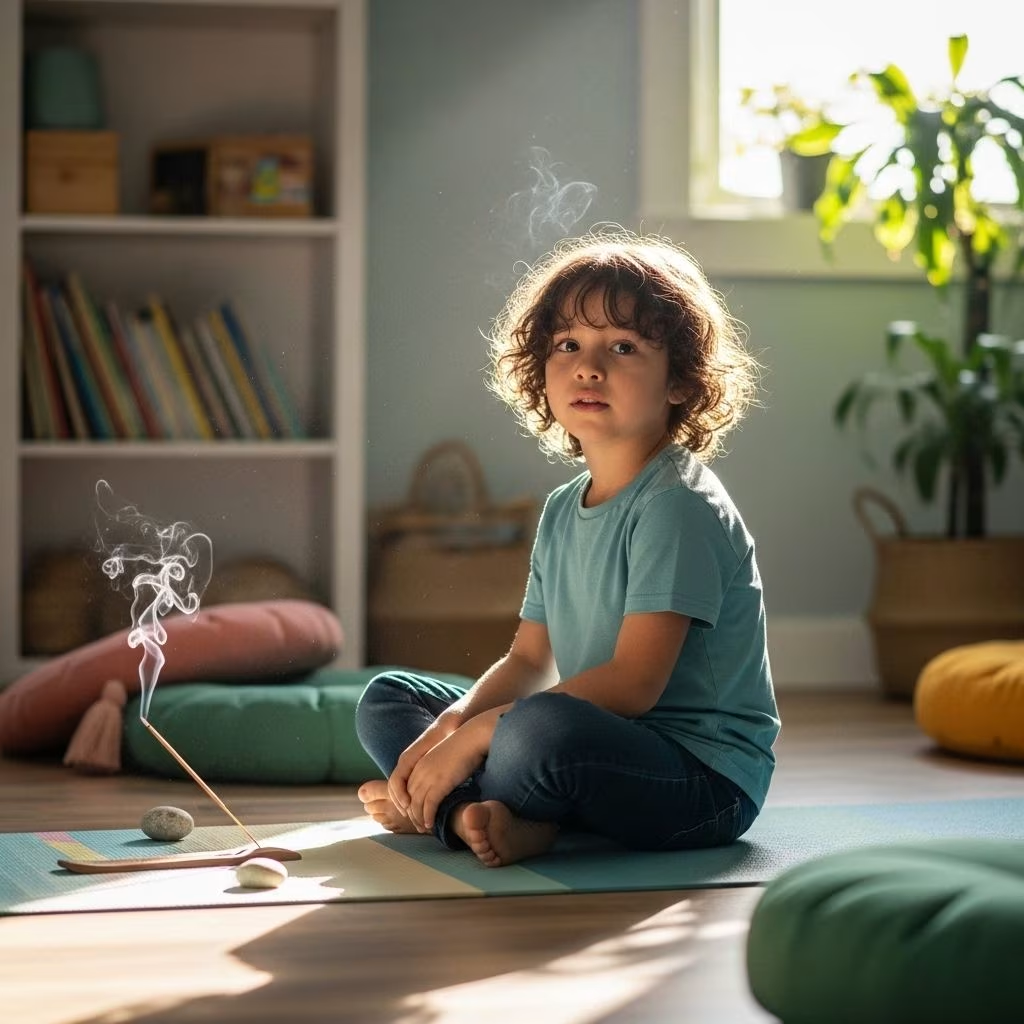
My Child Refuses to Meditate: Troubleshooting Guide
If your child resists meditation, you’re not alone. Many parents face challenges introducing mindfulness and meditation practices to their children, whether due to boredom, restlessness, misunderstanding, or simply a lack of interest. Fortunately, with the right strategies, patience, and creativity, you can help your child overcome reluctance and cultivate valuable self-soothing habits.
Why Kids Resist Meditation
Children—like adults—are unique individuals. Their reluctance to meditate can stem from several sources:
- Boredom or Restlessness: Children love movement and play. Sitting still for several minutes may seem dull or even uncomfortable to them.
- Misunderstanding the Practice: Kids may associate meditation with being punished or forced to sit quietly, particularly if mindfulness is introduced during times of stress.
- Unfamiliarity: Meditation may feel strange or intimidating if a child hasn’t seen family members practicing it regularly.
- Anxiety About ‘Doing It Wrong’: Some children worry about not meditating “correctly,” especially if they’ve heard others describe specific results or expected behaviors.
- Developmental Factors: Young children might lack the attention span or verbal skills needed for standard meditation sessions.
Understanding these roots of resistance lays the groundwork for positive, effective troubleshooting efforts.
Troubleshooting: Understanding and Addressing Resistance
The key to addressing resistance is empathy and curiosity—not force. Consider the following diagnostic questions:
- What is your child’s mood when you suggest meditation?
- Are you introducing meditation during stressful moments or as a calming pre-bed ritual?
- How do you explain meditation to your child? Is it presented as punishment, a task, or an empowering activity?
- Is meditation modeled in your home by adults?
- Does the practice suit your child’s age, temperament, and interests?
Try to keep the conversation positive: “Some kids love to move when they meditate; others like to imagine stories. What would make it fun for you?”
Remember—forcing meditation often backfires. Instead, softly encourage exploration and give permission to opt out when needed.
Parenting Strategies to Encourage Meditation
- Lead by Example: Children model behaviors of caregivers. Let them see you meditate, and share—without pressure—why it helps you.
- Normalize the Experience: Talk openly about feeling stressed, excited, or upset, and how mindfulness can help manage those feelings.
- Make It Routine, Not Forced: Try gentle routines—post-story bedtime meditation, brief morning breathing, or mindful walks—rather than one-off activities.
- Validate Their Feelings: Ask about what they’re experiencing—”What does your body feel like right now?”—rather than instructing silence or demanding compliance.
- Use Age-Appropriate Practices: Very young kids may prefer one or two deep breaths or a simple visualization; older children may be ready to name their feelings or follow a five-minute guided script.
Making Meditation Fun for Children
Meditation doesn’t have to be solemn or serious—playfulness is particularly effective with kids. Here are proven techniques:
- Imaginative Visualizations: Use kid-friendly scripts (“imagine floating on a soft cloud,” “picture yourself as a tree swaying peacefully”).
- Movement Meditation: Try mindful walking, gentle yoga, or dancing as forms of moving meditation.
- Music, Nature, and Stories: Play soft music, listen to sounds in nature, or weave meditation into storytime with themed tales about calm animals or magical places.
- Use Props: Glitter jars, soft toys for ‘teddy bear breathing,’ or singing bowls add novelty and sensory engagement.
When meditation is framed as discovery, adventure, or entertainment, most children are more enthusiastic.
Short and Simple Meditation Techniques
Research and experts emphasize the importance of brevity and simplicity—especially for first-timers and younger children:
- One-Minute Listening: Ask children to close their eyes and notice as many sounds as possible in one minute.
- Breath Awareness: Invite them to feel the air entering and exiting at their nose, throat, or belly for a few cycles.
- Teddy Bear Breathing: A child holds a soft toy on their belly, watching it rise and fall as they inhale and exhale.
- Body Scan: Guide them in noticing sensations from toes to head, naming what feels warm, cool, tingly, or relaxed.
- Visual Anchors (Glitter Jars): Watch glitter settle, focusing on stillness until it stops moving.
Start with only a minute or two and increase length gradually if your child asks for more.
Engaging Mindfulness Activities Beyond Traditional Meditation
If “meditation” is a sticking point, try alternative mindfulness practices children enjoy:
- Mindful Eating: Explore food with all five senses—notice colors, smells, flavors, textures, and sounds (like crunchy snacks).
- Nature Walks: Take slow walks and point out sounds, sights, and smells. Ask your child what’s different on each walk.
- Mindful Drawing: Invite kids to draw emotions or favorite nature scenes, focusing on their feelings as they sketch.
- Guided Imagery: Lead activities where the child imagines themselves as their favorite animal or superhero, using slow breaths and positive affirmations.
- Bedtime Rituals: Encourage a calming routine with dim lights, soft music, relaxing scents, and gentle breathing before sleep.
All these lay the groundwork for traditional meditation and nurture present-moment awareness—even without formal practice.
Family Meditation and Routine Building
Integrating meditation into family life can remove pressure and foster bonding:
- Family Sessions: Invite everyone to join, making it a group activity—children like feeling included and watching adults participate.
- Ritualize Practice: Set a consistent time daily or weekly (e.g., after dinner, before bed) so meditation becomes part of your lifestyle, not a random chore.
- Share Personal Experiences: Adults can talk about how meditation helps them, normalizing both successes and struggles.
- Flexible Participation: Allow children to come and go as needed—no penalty for opting out, and a gentle invitation to join the next time.
Routine, flexibility, and togetherness reduce resistance and build positive associations with meditation.
When to Seek Outside Help
If your child continues to resist or feels distressed by meditation, consider:
- Consulting Professionals: Pediatric therapists or counselors can offer advice tailored to your child’s temperament and emotional needs.
- Exploring School Resources: Many classrooms teach mindfulness—ask teachers for suggestions, scripts, or group activities your child may be more responsive to.
- Using Expert-Guided Apps: Apps like Headspace, Calm, and others feature child-friendly sessions and tips for parents new to mindfulness.
Above all, remember that meditation is just one tool for wellbeing; many alternatives exist, and every child’s needs are unique.
Frequently Asked Questions
Q: What if my child refuses to sit still for meditation?
Focus on movement-based mindfulness, such as walking meditation, gentle stretching, or even playful breathing games. Sitting still is not required for mindfulness benefits.
Q: Should I force my child to meditate if they continually refuse?
No. Gentle encouragement, modeling, and offering alternatives make meditation more appealing. Forcing meditation can cause frustration and negative associations.
Q: How long should a child’s meditation session be?
Start with 1-2 minutes for young children, gradually increasing as they show interest. Most children find 5 minutes to be the upper limit for comfortable practice initially.
Q: Are there child-specific meditation apps or resources?
Yes. Apps like Headspace, Calm, and Moshi Kids offer guided sessions for children, often using playful themes and age-appropriate language.
Q: What if my child prefers mindfulness activities over meditation?
That’s perfectly fine. Activities like drawing, mindful eating, nature walks, and guided imagery build the same present-moment awareness and emotional regulation skills.
Additional Resources
- Books: “Sitting Still Like a Frog” by Eline Snel, “Breathe Like a Bear” by Kira Willey
- Apps: Headspace for Kids, Calm Kids, Moshi Kids, Stop Breathe & Think Kids
- Websites: Child Mind Institute, Happiest Baby, Weemeditate, Mindful Schools
Summary Table: Child Meditation Hurdles & Solutions
| Common Hurdle | Effective Solution |
|---|---|
| Refusal to sit still | Introduce movement-based mindfulness (walking, yoga, playful breathing) |
| Boredom | Use imaginative visualization, stories, music, sensory props |
| Misunderstanding | Explain meditation as a tool for self-care, not punishment |
| Short attention span | Keep sessions brief—start with 1-2 minutes, increase gradually |
| Feeling overwhelmed | Offer a calming ritual using breaths or visual anchors (glitter jar) |
| Social discomfort | Emphasize family meditation and flexible participation |
Conclusion: Patience, Creativity, and Compassion
Teaching children meditation is a unique journey—one that succeeds best with empathy, flexibility, and a sense of fun. By troubleshooting resistance thoughtfully, modeling mindful behaviors, and exploring diverse mindfulness activities, parents can help their children discover the power of present-moment awareness, emotional regulation, and calm, even when meditation feels initially challenging.
References
- https://brilliantlegalmind.com/2021/03/09/how-to-meditate-with-your-kids/
- https://www.headspace.com/meditation/kids
- https://www.nurture-therapy.com/blog/the-reluctant-meditator-a-parents-guide-to-inner-peace-amp-clam-amidst-the-chaos
- https://www.buddhistinquiry.org/article/teaching-meditation-to-children-and-beginners/
- https://www.happiestbaby.com/blogs/toddler/teach-mindfulness-children
- https://www.moshikids.com/articles/practical-tips-to-introduce-your-child-to-meditation-mindfulness/
- https://childmind.org/article/mindfulness-in-the-classroom/
- https://www.silentmindsingingbowls.com/blogs/news/5-tips-to-help-children-learn-meditation
- https://www.weemeditate.com/can-kids-meditate/


