


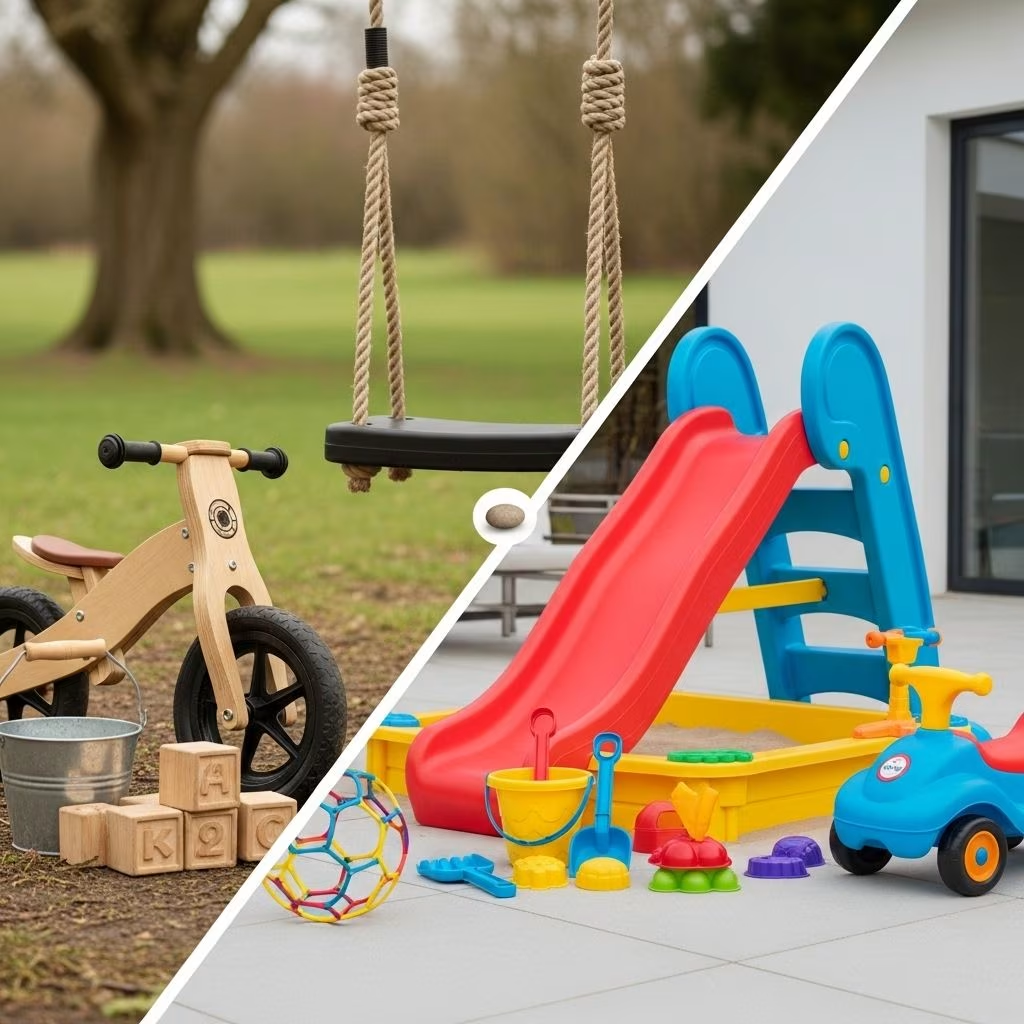
Natural vs Plastic Outdoor Toys: Durability Comparison for Families
Choosing outdoor toys is a significant decision for parents, educators, and anyone aiming to create joyful, safe play spaces. The debate between natural wood toys and plastic toys often centers on their durability, safety, and the value they offer to children. This comprehensive guide will help you compare these choices step-by-step, drawing on expert research, manufacturing data, and real-world experiences.
Introduction: The Importance of Durable Outdoor Toys
Outdoor toys play a vital role in children’s development, providing opportunities for active, imaginative play and social interaction. Durability isn’t just a matter of cost—it’s about safety, sustainability, and the overall experience for your child. The choice between natural and plastic toys shapes how families invest in playtime, both now and for years to come.
Material Basics: Natural Wood vs Plastic
- Natural Wood Toys: Crafted from hardwoods like maple, beech, or oak, natural wood toys offer a tactile, earthy feel. These materials are harvested sustainably and are typically finished with child-safe, non-toxic coatings.
- Plastic Toys: Produced from synthetic polymers (often polyethylene or polypropylene), plastic toys feature a wide range of shapes, colors, and finishes. Their mass production allows for affordable pricing, but the quality and safety can vary widely.
Durability & Longevity: How Do They Compare?
Durability is defined as the toy’s ability to withstand mechanical stress, outdoor conditions, and frequent use over time.
| Feature | Natural Wood | Plastic |
|---|---|---|
| Strength | Excellent against impact and wear, can last decades. | Good initial resistance but more likely to crack or tear over time, especially in harsh climates. |
| Weather Resistance | Susceptible to moisture, which may cause warping or cracking. | Waterproof; resists rain and snow but can degrade under UV sunlight. |
| Maintenance | Needs regular cleaning and occasional oiling; can often be repaired. | Easy to clean; most breaks are irreparable. |
| Lifespan | Generational, many wooden toys become heirlooms. | Most last a few years, prone to landfill disposal. |
Breaking Down the Details
- Natural wood toys often survive rough play, drops, and even minor misuses. Their aesthetic often improves with age, developing a unique patina and character that plastic toys rarely acquire.
- Plastic toys excel in their resistance to water, making them ideal for pools and baths. However, exposure to sunlight causes brittleness, fading, and eventual cracking. Repeated heavy impacts can lead to deformation or breakage, especially with lower-quality plastics.
- Most plastic toys are not designed to be repaired effectively if broken. In contrast, wooden toys can often be restored or refurbished with basic tools and wood glue.
Quality & Construction Features
It’s not just about the material, but how toys are made that determines durability. Let’s examine construction methods commonly used:
- Wooden Toys:
- Employ traditional joinery like mortise and tenon, or dowel connections for long-lasting strength.
- Solid wood construction resists regular wear and is repairable.
- Finished with non-toxic stains, reducing chemical exposure.
- Plastic Toys:
- Typically created with thin-wall molding—a design focused on cost-efficiency rather than durability.
- Snap-fit or glued joints can fail under high pressure or repeated use.
- Once broken, most plastic toys cannot be fixed and end up as waste.
Weather & Environmental Resistance
Outdoor toys face unique challenges, from rain and snow to heat and UV radiation. Here’s how each material stacks up:
- Natural Wood: Susceptible to moisture; if left unprotected, wood can warp, crack, or develop mold. Applying weather-resistant finishes extends lifespan. Hardwood varieties provide added resistance; regular cleaning and oiling are important for outdoor use.
- Plastic: Completely waterproof; unaffected by rain and humidity. However, extended sun exposure breaks down polymers, causing discoloration, brittleness, and structural weakness. Some high-quality plastics contain UV-stabilizers, but most budget toys lack these features.
Maintenance and Care Tips
Regular maintenance preserves both function and appearance, especially for outdoor toys.
- Wooden Toys:
- Clean with mild soap and water; never soak.
- Apply non-toxic oils or waxes seasonally to guard against moisture and sunlight.
- Repair chips using wood glue or sand rough edges.
- Store indoors during heavy weather whenever possible.
- Plastic Toys:
- Rinse with water or mild detergent.
- Inspect regularly for cracks; discard if structurally compromised.
- Store out of direct sunlight to prevent UV degradation.
Safety: Chemical Risks and Hygiene
Children’s safety is paramount when choosing outdoor toys. It’s not just physical robustness or size—chemical exposure and hygiene also matter deeply.
- Natural Wood Toys:
- Manufacturers use non-toxic finishes and avoid synthetic chemicals, minimizing harmful exposure.
- Wood contains natural antimicrobial properties, which inhibit bacterial and fungal growth.
- Easy to clean and keep free of germs, especially important for toddlers who mouth toys.
- Plastic Toys:
- May contain chemicals such as BPA, phthalates, and potentially heavy metals like lead and cadmium.
- Up to 126 chemicals identified in common plastic toys, including probable carcinogens and toxins.
- Children mouthing plastic toys can increase exposure risk, especially if toys are old, low-quality, or poorly regulated.
Sustainability & Environmental Impact
Families and schools increasingly factor environmental values into their buying decisions. Here’s why the material matters:
- Natural Wood:
- Renewable resource—trees can be replanted, supporting forestry sustainability.
- Biodegradable—wood decomposes naturally, leaving minimal environmental impact.
- Long-lasting toys reduce replacement frequency, lowering overall resource consumption.
- Plastic:
- Derived from fossil fuels; production carries significant environmental costs.
- Non-biodegradable; most plastics take centuries to break down, contributing to landfill overflow.
- Some eco-friendly brands use recycled plastics, improving sustainability somewhat.
Cost & Long-Term Value
Families often evaluate toys by their upfront cost—but long-term value is shaped by durability, repairability, and emotional connection.
- Natural Wood:
- Higher initial price, but often outlasts several generations of plastic toys.
- Potential to become family heirlooms, carrying sentimental and monetary value.
- Repairable, reducing replacement spending over decades.
- Plastic:
- Lower upfront cost; accessible for most budgets.
- Wear and tear leads to frequent replacement; long-term costs can surpass those of wooden toys.
- Little to no resale or heirloom value; most end up as waste.
Recent cost analysis studies suggest that families investing in quality wooden toys can save between $100–220 over a ten-year period, considering reduced replacement needs and superior safety.
Frequently Asked Questions (FAQs)
Q: Can wooden outdoor toys withstand rain and snow?
A: Quality hardwood toys with weather-resistant finishes perform well outdoors, but prolonged exposure can lead to warping or cracking. Store indoors during extreme weather when possible.
Q: Are plastic toys safer because they’re waterproof?
A: While plastic toys resist moisture, they may contain chemicals (BPA, phthalates) that pose health risks, especially if mouthed by young children. Always check for non-toxic certifications.
Q: Which type of toy lasts longer overall?
A: Most wooden toys survive for generations if cared for, whereas plastic toys typically last only a few years before fading, breaking, or being discarded.
Q: Can I repair broken outdoor toys?
A: Wooden toys can often be repaired or refurbished by sanding, gluing, or refinishing. Plastic toys, especially those made via thin-wall molding, are rarely repairable.
Q: Do wooden toys foster better environmental responsibility?
A: Yes—wood is renewable and biodegradable, and sourcing standards support sustainable forestry. Most plastics remain in landfills for centuries with significant ecological impact.
Conclusion: Making a Durable Choice for Outdoor Play
For families seeking toys that endure tough outdoor play, rainy afternoons, and sunny seasons, natural wood toys offer the strongest balance of durability, safety, and environmental stewardship. While plastic toys bring bright colors, waterproof qualities, and affordability, their brittleness and potential chemical risks make them a less robust long-term investment. Your choice will shape not only the quality of your child’s play, but also your family’s environmental footprint and values for years to come.
References
- https://toyboxcity.com/blogs/toy-box-city-blog/wooden-toys-vs-plastic-what-s-better-for-kids
- https://toyboxcity.com/blogs/toy-box-city-blog/highly-durable-toys-that-won-t-break-the-first-week
- https://www.woodentoyspoint.com/blogs/news/wooden-vs-plastic-toys-the-ultimate-parents-guide-to-making-the-right-choice-1
- https://www.lifespankids.com.au/blogs/news/wooden-vs-plastic-toys-which-is-better-for-your-child-s-growth
- https://naturekidsco.com/blogs/learn/best-non-toxic-eco-friendly-outdoor-toys-for-kids-safe-summer-play-guide
- https://www.weijuntoy.com/plastics-in-toys-the-ultimate-guide/
- https://www.seattlechildrens.org/healthy-tides/choosing-safe-toys-for-kids/
- https://www.fennies.com/post/why-are-wooden-toys-better
- https://www.bumbutoys.com/blog/wooden-toys/wooden-toys-vs-plastic-toys


