


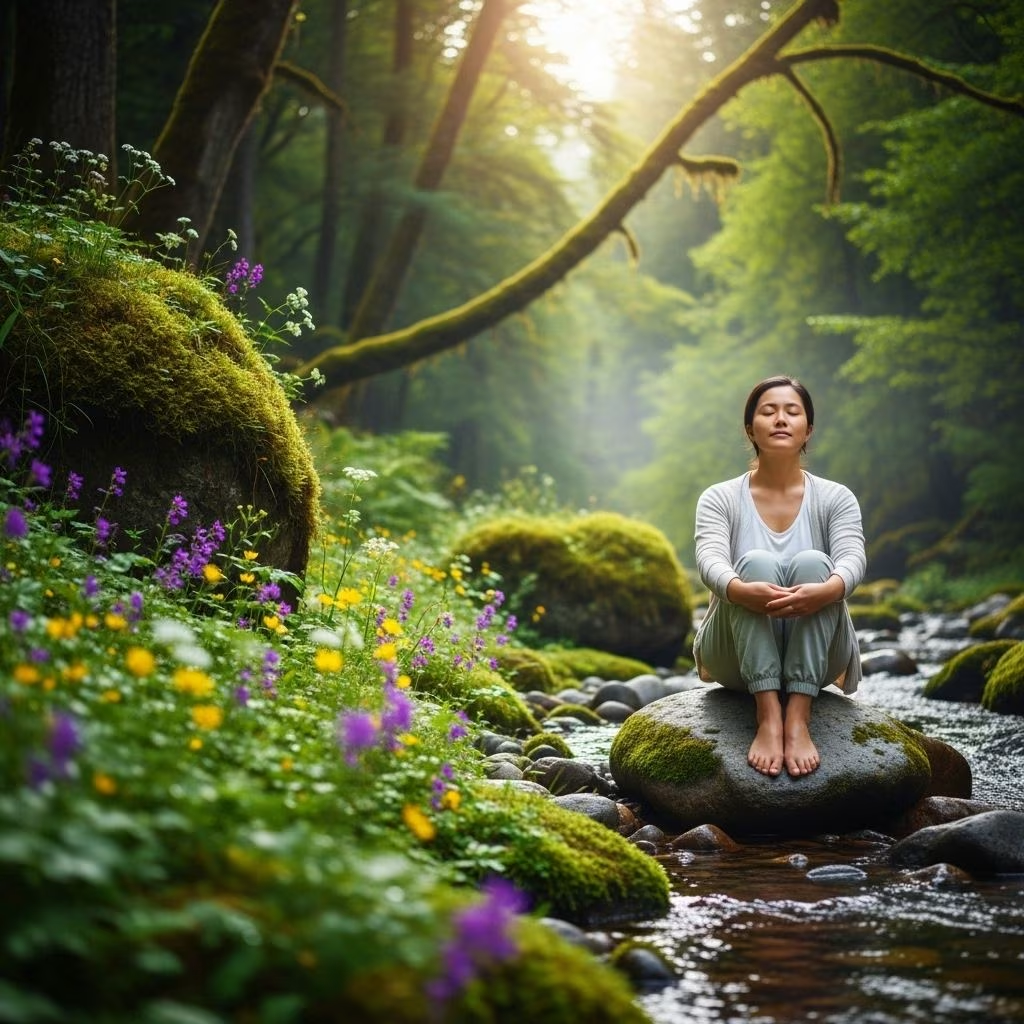
Eczema and chronic skin conditions are more than physical inconveniences—they influence emotional health, social interaction, and overall quality of life. While medical interventions and topical care remain foundational, emerging research supports the power of nature mindfulness as a potent, holistic aid in eczema and skin condition management.
Understanding Eczema & Skin Conditions
Eczema, or atopic dermatitis, is a chronic inflammatory skin disease characterized by relentless itching, dryness, rashes, and sometimes pain. It disrupts the integrity of the skin barrier, allowing allergens and irritants to provoke immune responses. Other chronic skin conditions, such as psoriasis and urticaria (hives), likewise result from complex immune, genetic, and environmental factors. Common symptoms include:
- Redness and swelling
- Dry, scaly, or cracked skin
- Persistent itching (pruritus)
- Episodes of “flare-ups” triggered by stress, irritants, or allergens
Standard treatments include gentle skin care routines, topical medications (steroids, calcineurin inhibitors), emollients, and, in moderate-to-severe cases, immunomodulators or biologics. Despite these interventions, psychological triggers—especially stress—often precipitate or worsen skin symptoms .
What Is Nature Mindfulness?
Mindfulness is the mental practice of focusing awareness on the present moment without judgment—accepting experiences, emotions, and sensations as they arise . When mindfulness is practiced in or with the aid of natural settings, it is called nature mindfulness. This combines two therapeutic forces:
- Mindfulness: Heightening the mind-body awareness of sensations, thoughts, feelings.
- Nature connection: Direct, intentional engagement with natural environments—gardens, parks, forests, or even windowsill greenery.
Nature mindfulness can include mindful walking in a park, sitting quietly by a tree, listening to birds, or practicing focused breathing with nature imagery in mind. It often enhances the core tenets of mindfulness by tapping into humanity’s inherent inclination to find calm and restoration in the natural world.
The Science: Stress, Skin, and Mindfulness
Psychological stress is a major trigger and aggravator of eczema and other inflammatory skin conditions . The mechanisms are multifaceted:
- Stress activates the hypothalamic-pituitary-adrenal (HPA) axis, increasing cortisol and inflammatory cytokines that impair skin barrier and provoke flares.
- Anxiety and poor sleep lower the threshold for itching and discomfort; chronic scratching heightens symptoms further.
- People with eczema may experience “itch-scratch cycles,” perpetuated by emotional distress or compulsive behaviors .
Research demonstrates that mindfulness practices can “deactivate” the neural circuits responsible for stress and the emotional amplification of itch and pain . By cultivating calm and non-judgmental awareness—especially in nature—patients may:
- Break the automatic itch-scratch response
- Improve sleep quality
- Reduce inflammatory signaling in the skin
Benefits of Mindfulness for Eczema and Other Skin Conditions
Recent scientific literature and patient-reported outcomes indicate numerous benefits for integrating mindfulness, particularly nature-based mindfulness, into eczema management:
| Benefit | Description | Supporting Evidence |
|---|---|---|
| Stress Reduction | Dampens stress response, lowers blood pressure, and mitigates cortisol-induced inflammation | Systematic reviews and 2017 meta-analysis |
| Improved Sleep | Relieves insomnia and reduces nighttime itching via relaxation and emotional regulation | 2020 cohort and sleep studies |
| Reduced Symptom Sensitivity | Shifts perception of itching; less compulsion to scratch, fewer flare-ups | Pilot studies, 2023 randomized trials |
| Improved Quality of Life | Enhances coping skills, fosters acceptance, and reduces self-blame and social anxiety | Clinical trial data, patient-reported improvements |
| Bio-psycho-social Resilience | Builds emotional resilience, lessens the impact of disease on daily life | Observational & interventional research |
| Connection to Nature | Nature exposure alone can lower inflammation markers and improve mental health | Ecopsychology and dermatology literature |
Nature-Based Mindfulness Practices
Nature mindfulness practices range from simple, everyday activities to structured therapeutic programs. Integrating these methods can help manage skin health holistically:
- Mindful walking: Take slow, intentional walks in a natural setting. Focus on the sensation of your feet, fresh air, sounds of leaves and birds. If uncomfortable outdoors, open a window, or walk near houseplants.
- Barefoot grounding (Earthing): Sit or walk barefoot on grass, soil, or sand while paying attention to physical sensations and emotional responses. Scientific evidence suggests “grounding” can reduce inflammatory markers and promote calm—but ensure your feet and skin are protected from allergens or irritants.
- Nature visualization/imagery: If you cannot access nature readily, close your eyes and imagine a peaceful landscape. Mindfully “observe” the sights, sounds, scents, and textures in your mind.
- Garden meditation: Tending to plants or simply sitting in a garden while focusing on your breathing and five senses can improve calm and present-moment awareness.
- Breathwork with natural observation: Practice slow, deep breathing while fixating on a natural object (a tree, cloud pattern, flower) and mindfully observing how thoughts and feelings pass without judgment.
- Eco-therapy: Some therapists offer structured sessions involving guided mindfulness in natural settings, addressing both physical symptoms and emotional wellbeing.
It is important for individuals with eczema to remain vigilant of environmental triggers while practicing outdoors (e.g., pollen, insect bites, chemical contaminants). Dress appropriately and perform skin checks after nature sessions.
Integrating Nature Mindfulness into Your Skin Care Routine
Integrating nature mindfulness is most effective when woven into your existing therapeutic and self-care routines:
- Begin with short (5–10 minute) sessions—whether indoors with a plant or outdoors in a garden. Gradually extend as you grow comfortable.
- Pair mindfulness practice with applying moisturizer or after a skincare routine to focus your attention on touch and sensation rather than just “treating” the skin.
- Schedule time for mindful pauses, preferably when symptoms are mild to prevent escalation during high-distress flares.
- Keep a journal (digital or paper) to record observations about stress, triggers, and how mindful sessions influence your mood and symptoms.
- Engage your support system: Mindfulness can be practiced with children and adults alike, and group sessions may foster social support.
Tips for Safe Practice
- Avoid known outdoor irritants (e.g., high pollen, extreme temperatures, bug bites).
- Check for environmental hazards before practicing grounding or outdoor meditation.
- If you experience a flare-up, consider shifting to indoor or visualization-based mindfulness until symptoms subside.
Clinical Evidence & Case Studies
Growing numbers of clinical and observational studies validate mindfulness-based interventions as an adjunct to medical eczema management :
- A 2022 study found that mindfulness-based interventions (MBIs) decreased atopic dermatitis severity, itch perception, and stress levels.
- A 2023 randomized trial reported that group mindfulness and self-compassion training alongside conventional care significantly improved the overall quality of life and reduced self-reported eczema symptoms.
- Systematic reviews emphasize the benefit of regular mindfulness for lowering anxiety and enhancing treatment adherence among the eczema population.
- Environmental psychology literature underscores that nature exposure—such as “forest bathing” or simply viewing greenery—reduces blood pressure, salivary cortisol, and subjective stress ratings, leading to indirect improvement in chronic skin conditions.
Case reports also indicate that nature-based mindfulness is particularly effective in helping individuals:
- Develop non-judgmental awareness when itching arises, empowering choice over compulsion to scratch
- Use self-compassion to neutralize self-blame when flares occur
- Rebuild confidence and social function despite visible dermatitis
Practical Tips & Safety Considerations
Enhance the benefits of nature mindfulness for eczema by observing these practical suggestions:
- Conduct a “patch test”: If you are unsure whether a nature setting will trigger your eczema, try limited exposure to a small area or brief session first.
- Dress comfortably in breathable, hypoallergenic clothing.
- Hydrate, stay cool, and avoid direct midday sun if you are photosensitive.
- Carry necessary medications or topical treatments during extended outdoor practices.
- Use mindful observation as an opportunity to identify and learn from patterns or triggers in your environment.
Frequently Asked Questions (FAQs)
Q: Can nature mindfulness replace medical treatment for eczema?
No. Nature mindfulness complements but does not replace prescription medications, topical treatments, or dermatologist-recommended care. Use it as an adjunct to your standard therapy and consult your healthcare provider before making changes.
Q: Is nature mindfulness safe for all skin conditions?
Generally, yes, when tailored to avoid specific triggers and irritants. Individuals with severe allergies or open wounds should be especially cautious when practicing outdoors. Indoor or guided visualization-based mindfulness may be safer during acute flares.
Q: How quickly can I expect results from mindfulness practices?
Benefits such as reduced anxiety and enhanced sleep may occur within a few weeks of regular practice. Reductions in symptom severity can take longer and are often most noticeable when mindfulness becomes a lifestyle habit.
Q: Are there mindfulness apps or resources tailored for eczema or skin conditions?
While some general mindfulness apps (like Calm, Headspace, Insight Timer) offer nature-themed meditations and body scans, eczema-specific programs are rarer. Consult your dermatologist or a mindfulness-based therapist for personalized recommendations.
Q: Can children and teens with eczema benefit from nature mindfulness?
Yes! Mindfulness and nature activities can engage younger individuals, reducing symptom severity, stress, and supporting lifelong healthy coping skills. Adapt practices to the child’s age and interests for best results.
References
- Healthline, “Can Meditation Help Manage Eczema?” (2024)
- Healthgrades, “Practicing Mindfulness As Part of Your Eczema Treatment” (2024)
References
- https://www.healthline.com/health/eczema/how-meditation-can-help
- https://resources.healthgrades.com/right-care/eczema/practicing-mindfulness-as-part-of-your-eczema-treatment
- https://nationaleczema.org/blog/kuniko-yoga-journey/
- https://pmc.ncbi.nlm.nih.gov/articles/PMC9760032/
- https://nationaleczema.org/blog/how-sound-therapy-can-help-with-eczema-and-stress/
- https://pmc.ncbi.nlm.nih.gov/articles/PMC5091630/
- https://jamanetwork.com/journals/jamadermatology/fullarticle/2804875
- https://eczema.org/information-and-advice/treatments-for-eczema/complementary-therapies-and-eczema/
- https://naturadermatology.com/powerfull-natural-remedies-for-eczema/


