


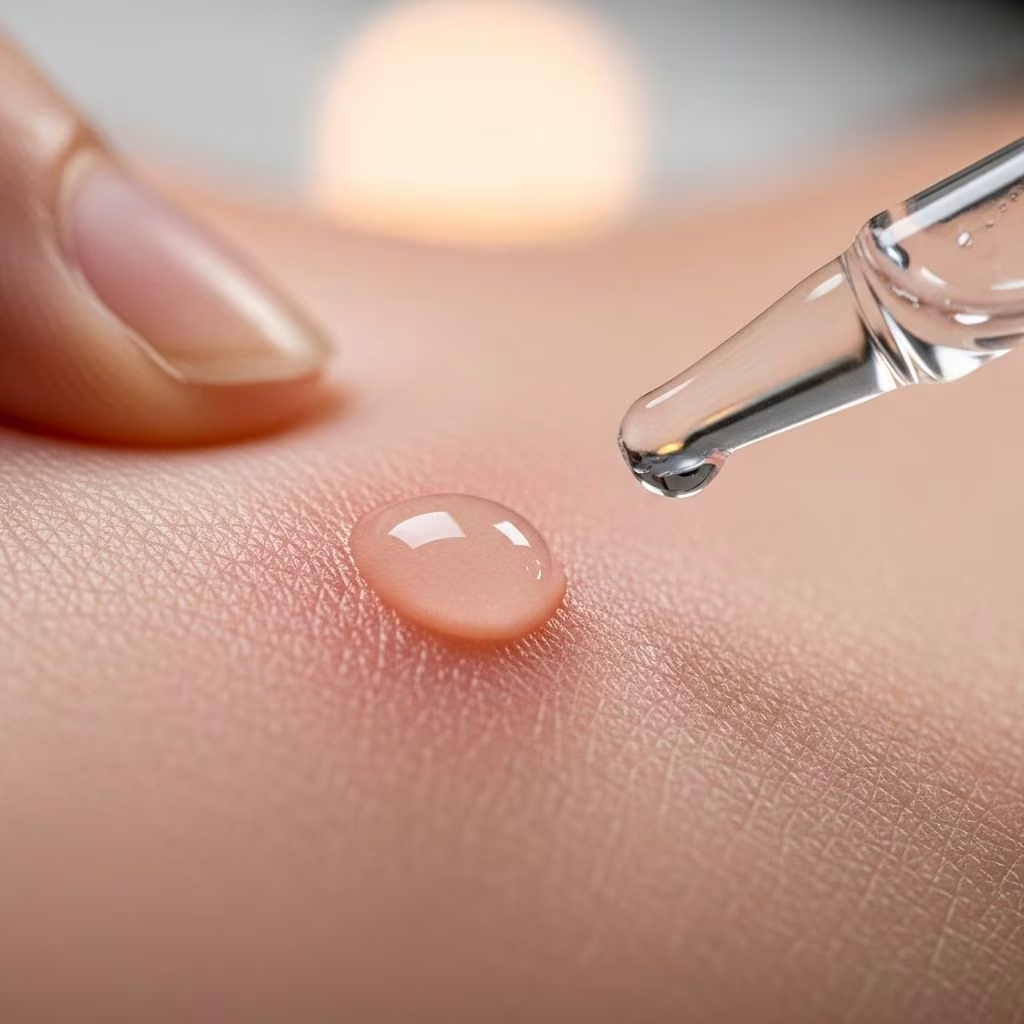
Niacinamide Spot Treatment for Redness: Science, Benefits, and Step-by-Step Guidance for Sensitive Skin
- Introduction
- The Science of Redness and Skin Inflammation
- What Is Niacinamide?
- How Niacinamide Works on Redness
- Clinical Evidence and Studies
- Spot Treatment vs. Overall Skin Care
- Ideal Concentration for Redness
- How to Use Niacinamide for Spot Treatment
- Combining Niacinamide with Other Ingredients
- Benefits for Different Skin Types
- Side Effects and Cautions
- Frequently Asked Questions (FAQs)
- Final Tips and Best Practices
Introduction
Redness is one of the most common visible signs of skin irritation, whether it’s triggered by acne, rosacea, post-inflammatory changes, or just environmental stressors. Niacinamide—a form of vitamin B3—has rapidly gained attention for its multifaceted ability to target skin redness, strengthen the skin barrier, and improve complexion, especially when used as a spot treatment. This article dives deep into the science and evidence behind niacinamide, how it works, and practical guidance for harnessing its benefits for sensitive, reactive, or redness-prone skin.
The Science of Redness and Skin Inflammation
Redness in the skin is typically caused by vasodilation (expansion of blood vessels), increased blood flow, and inflammation. Triggers may include:
- Sun exposure
- Environmental irritants
- Aggressive skin care ingredients
- Skin conditions like acne, rosacea, and eczema
- Mechanical irritation (scratching or friction)
The underlying cascade often involves immune cells responding to perceived threats, releasing pro-inflammatory molecules. The skin’s protective barrier may become impaired, further amplifying sensitivity and redness. Addressing both inflammation and barrier repair is key to effective management of visible redness.
What Is Niacinamide?
Niacinamide (nicotinamide) is a water-soluble form of vitamin B3, distinct from niacin (nicotinic acid) used in supplements. In skin care, niacinamide is valued for its ability to:
- Reduce and regulate inflammatory responses
- Support the synthesis of ceramides and other barrier lipids
- Decrease excessive pigment transfer
- Balance oil production
- Promote even skin tone and smoother texture
Niacinamide is found in serums, creams, spot treatments, and moisturizers, and is suitable for nearly all skin types due to its gentle, non-irritating profile.
How Niacinamide Works on Redness
- Anti-inflammatory effects: Niacinamide calms inflamed skin by suppressing the release of pro-inflammatory cytokines, reducing swelling and redness in conditions such as acne, rosacea, and eczema.
- Barrier strengthening: By boosting the natural production of ceramides and fatty acids, niacinamide reinforces the skin’s moisture barrier, making it less reactive and better protected against triggers.
- Reduction of pigment transfer: Niacinamide reduces the transfer of melanosomes (pigment granules), lessening post-inflammatory hyperpigmentation and visible red marks from breakouts or irritation.
- Balanced oil production: Regulates sebum, helping skin avoid both excessive dryness and greasy outbreaks that can worsen redness.
Clinical Evidence and Studies
Niacinamide’s benefits are supported by several clinical studies:
| Study | Key Findings | Concentration | Duration | Notes |
|---|---|---|---|---|
| Rosacea Moisturizer Study | 2% niacinamide reduced blotchiness, flakiness, and bumps in rosacea patients | 2% | 4 weeks | Safe, well-tolerated for sensitive skin |
| Aging Skin (Split-Face) | 5% niacinamide improved red blotchiness, fine lines, texture, and hyperpigmented spots | 5% | 12 weeks | Significant results vs. placebo |
| Melasma Treatment | 4% niacinamide decreased pigmentation, inflammatory infiltrate, and solar elastosis | 4% | 8 weeks | Well-tolerated, mild side effects vs. hydroquinone |
| General Review | Niacinamide calms redness from acne, rosacea, and eczema; improves barrier protection | 2-10% | Varied | Multiple studies; broad consensus |
Spot Treatment vs. Overall Skin Care
While many studies examine overall facial application, spot treatment focuses on targeting specific areas of redness or irritation. Advantages of niacinamide spot treatments include:
- Minimizing ingredient exposure for sensitive areas
- Preventing widespread irritation
- Allowing higher concentrations on trouble spots
- Customizing usage for particular flare-ups (acne, rosacea patches, eczema, cosmetic reactions)
Spot treatment is ideal for persistent red marks, active pimples, sensitive patches, or healing skin where full-face application might be too strong or unnecessary.
Ideal Concentration for Redness
- 2% niacinamide: Shown effective for reducing redness and bumps in highly sensitive, rosacea-prone skin with excellent tolerability.
- 4-5% niacinamide: Offers significant improvements for pigmentation, red blotchiness, and texture while remaining gentle for most users.
- Up to 10% niacinamide: Used in some studies for acne, uneven tone, and mild redness, but higher concentrations can trigger irritation in sensitive skin.
For spot treatments, starting with a lower concentration (2-5%) is generally advisable, especially in areas prone to irritation or for first-time users.
How to Use Niacinamide for Spot Treatment
- Step 1: Patch Test
Apply a small amount of niacinamide product to your inner arm or behind the ear; observe for 24 hours for signs of irritation before using on your face. - Step 2: Cleanse Gently
Wash your face with mild, non-foaming cleanser and pat dry. Avoid scrubbing or using harsh exfoliants, which may exacerbate redness. - Step 3: Apply Niacinamide to Red Areas
Dot a small amount of serum or cream onto specific spots of redness, inflamed pimples, or irritation. Allow to absorb fully. - Step 4: Follow with Moisturizer
Seal with a gentle, fragrance-free moisturizer to further strengthen the skin barrier and protect the spot treatment area. - Step 5: Sun Protection
Use broad-spectrum sunscreen daily, even if redness has subsided, to prevent further irritation and pigment changes.
Niacinamide can be used morning and night. If combining with other actives (like retinol, AHA/BHA), introduce niacinamide at a different time or alternate days to reduce risk of sensitivity.
Combining Niacinamide with Other Ingredients
- Compatible: Hyaluronic acid, peptides, non-acidic antioxidants, ceramides, panthenol, and SPF.
- Caution: Strong exfoliating acids (AHA/BHA), retinoids, and vitamin C can sometimes increase irritation risk. Use separately or consult a dermatologist for layering advice.
- Avoid: Mixing with products containing alcohol, menthol, fragrance, or other potential irritants when treating redness.
Niacinamide’s gentle profile makes it a versatile ingredient in most routines, but always personalize based on your skin’s reaction.
Benefits for Different Skin Types
- Oily/Acne-Prone: Regulates sebum, calms post-acne redness, and fades pigment marks.
- Dry/Dehydrated: Increases ceramides for hydration and minimizes flaky, red patches.
- Sensitive/Rosacea: Reduces flare-ups, strengthens barrier, and lowers immune reactivity to triggers.
- Aging: Evens skin tone, reduces red blotchiness, and smooths texture.
Niacinamide is one of few actives recommended for nearly every skin type, especially those struggling with redness and sensitivity.
Side Effects and Cautions
Niacinamide is regarded as extremely safe in topical formulations, with only rare reports of side effects such as mild itching, tingling, or rash (mostly at high concentrations or in individuals with very reactive skin).
- Always patch test before full application.
- If redness increases or persistent burning occurs, discontinue use and consult a dermatologist.
- Avoid layering with strong exfoliants or irritants unless recommended by an expert.
Most users find niacinamide spot treatments highly tolerable, making them ideal for long-term management of redness and post-inflammatory changes.
Frequently Asked Questions (FAQs)
Q1: Is niacinamide better as a spot treatment or full-face serum for redness?
A: Spot treatments are better for acute areas of irritation, visible red marks, and sensitive patches, while full-face application may help overall tone and preventive care.
Q2: How long does it take to see results with niacinamide for redness?
A: Clinical studies indicate visible improvements within 4-8 weeks of regular use, with reduced blotchiness and smoother skin texture.
Q3: Can niacinamide treat redness from acne, rosacea, and eczema?
A: Yes. Niacinamide has demonstrated calming effects for all three conditions and is often recommended by dermatologists for their management.
Q4: Will niacinamide bleach or lighten my skin?
A: Niacinamide does not bleach skin; it evens out skin tone by reducing excess pigment transfer and improving barrier function, creating a more uniform appearance.
Q5: Can I use niacinamide with retinol, vitamin C, and acids?
A: These combinations can sometimes be irritating, especially for sensitive or redness-prone skin—use separately or seek expert guidance on layering.
Final Tips and Best Practices
- Always start with a low concentration if you’re new to niacinamide or prone to sensitivity.
- Do a patch test—especially with spot treatments in highly reactive areas.
- Avoid using before or after harsh exfoliation or strong active ingredients unless your skin tolerates these combinations.
- Practice consistent sun protection, as UV exposure worsens redness and pigment changes.
- Consult a dermatologist for persistent, unexplained redness; niacinamide supports but does not replace professional diagnosis.
Niacinamide spot treatment represents a science-backed, gentle, and versatile solution for redness and irritation, making it an essential consideration for skincare routines targeting sensitive and reactive skin. From clinical trials to real-world testimonials, niacinamide continues to prove itself as one of the most effective and tolerable ingredients for calming, strengthening, and beautifying the skin.
References
- https://pmc.ncbi.nlm.nih.gov/articles/PMC3142702/
- https://dermatology.melbourne/oral-and-topical-niacinamide-for-rosacea/
- https://pubmed.ncbi.nlm.nih.gov/18492135/
- https://scentualaroma.com/blogs/news/discover-niacinamide-benefits
- https://www.webmd.com/beauty/what-to-know-about-niacinamide-skin-care
- https://www.acnesupport.org.uk/treatment/niacinamid/
- https://www.healthline.com/health/beauty-skin-care/niacinamide
- https://health.clevelandclinic.org/niacinamide


