


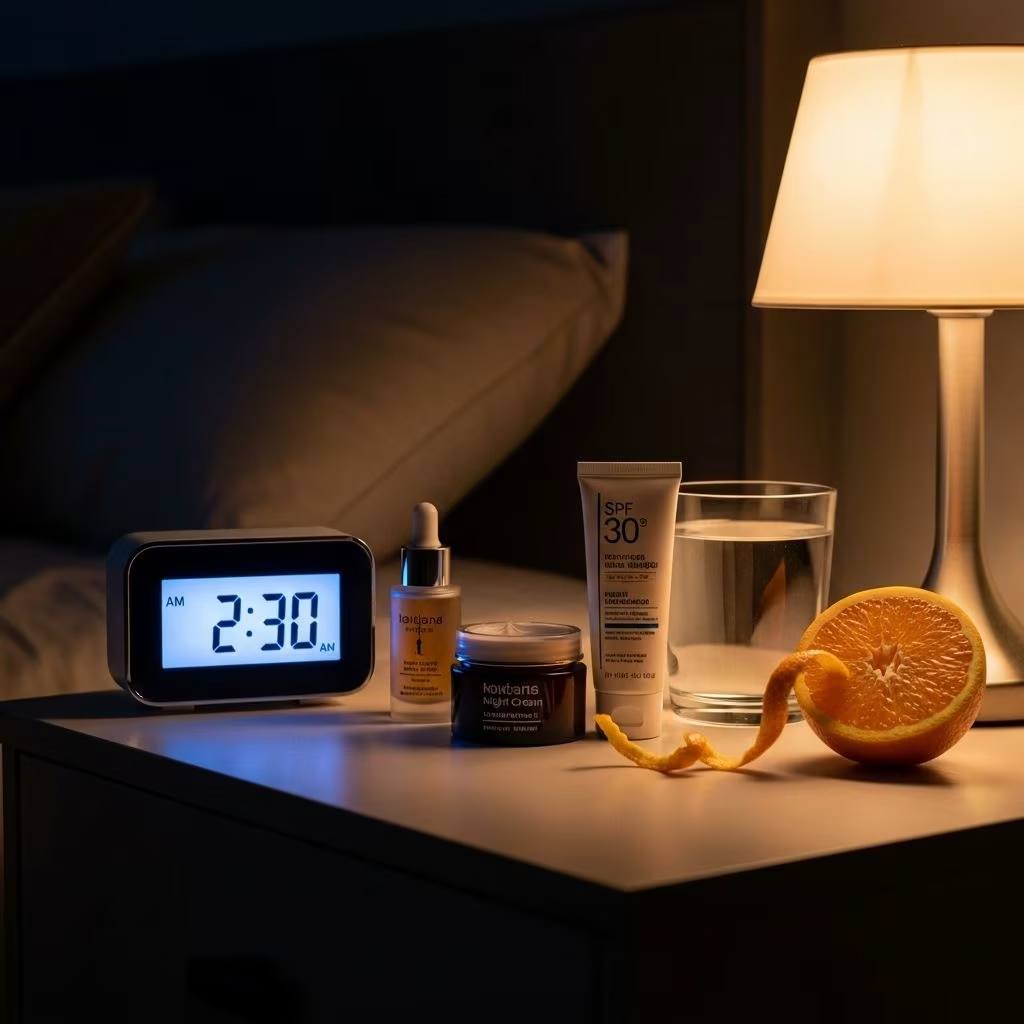
Night shift workers face unique challenges in maintaining vibrant, healthy skin. Irregular hours, exposure to artificial light, and disrupted sleep-wake cycles can all contribute to premature aging, dullness, and increased vulnerability to environmental stressors like UV radiation. This comprehensive guide explores how to optimize your skincare when working the night shift—focusing on protecting against UV leakage and promoting sleep cycle repair.
Understanding Night Shift Skin
For those who work late or overnight hours, the skin can be subjected to:
- Prolonged exposure to artificial lighting, sometimes rich in blue light, which can signal wakefulness to the body and interfere with the skin’s natural repair cycles.
- Irregular sleep schedules that disrupt the natural circadian rhythms vital for nightly skin regeneration, leading to impaired barrier function, dullness, and increased signs of aging.
- Potential sunlight exposure at odd hours when commuting, especially after a shift, increasing the risk of UV-induced DNA damage when the skin’s protective mechanisms are low.
These factors make a tailored approach to skincare essential for night shift workers.
UV Leakage: A Hidden Risk for Night Workers
UV leakage refers to ultraviolet radiation exposure occurring at unexpected times—such as during morning commutes after night shifts or from certain forms of indoor lighting, like halogen and fluorescent bulbs. For night shift workers, the skin’s natural defenses against UV are often weakest post-shift, increasing the risk of cumulative sun damage.
- Morning UV exposure: The skin is more vulnerable to environmental stressors after a night of wakefulness due to decreased antioxidant levels and altered cell repair cycles.
- Artificial light and blue light: Some artificial lighting emits low levels of UVA and UVB, contributing to skin aging. Additionally, extended exposure to blue light from screens and bulbs can generate oxidative stress, exacerbating skin damage.
| Source | Risk Level | Potential Impact on Skin |
|---|---|---|
| Sun exposure during commute | High (especially after sunrise) | DNA damage, pigmentation, accelerated aging |
| Fluorescent/halogen office lighting | Moderate | Cumulative exposure, mild photoaging |
| Blue light from screens | Low to moderate | Free radical generation, pigmentation |
Best Practices: Use broad spectrum SPF (at least 30) during morning commutes—even after a night shift—and consider physical barriers like hats or sunglasses. Seek out screen protectors or skincare with antioxidants to combat blue light damage.
Circadian Rhythms and Skin Health
The skin has its own circadian rhythm, regulating everything from cell division to repair and barrier function. Normally, key repair processes amp up at night and the skin’s natural defenses prepare for UV during daylight hours. Night shift work disrupts this synchronization, leading to:
- Diminished nighttime repair
- Daytime vulnerability to environmental damage
- Increased sensitivity, dehydration, and inflammation
- Symptoms like dark circles, puffiness, and uneven tone
Understanding your body’s clock and the impact of altered sleep schedules is crucial to supporting skin restoration and resilience for shift workers.
Designing a Night Shift Skincare Routine
Adapting your skincare to your unique schedule is key. Instead of a strict “day/night” divide, orient your routine around wake and wind-down times, regardless of when they fall.
Your Pre-Shift (“Morning”) Routine
- Cleanse: Remove overnight sweat and sebum using a gentle cleanser.
- Antioxidant serum: Apply vitamin C, green tea, or resveratrol to neutralize free radicals and prep skin for shifting environments.
- Moisturize: Maintain hydration to defend against trans-epidermal water loss under artificial light or conditioned air.
- SPF protection: Essential if you’ll see sunlight, even for a short period. Pick a broad-spectrum, non-comedogenic formula.
- Hydration boost: A facial mist or light emulsion can offset the drying effects of indoor environments.
Your Post-Shift (“Evening”) Routine
- Thorough cleansing: Double cleanse to remove remnants of makeup, SPF, and environmental impurities.
- Toning & exfoliation: Use a hydrating toner with humectants (like hyaluronic acid or lactic acid) and gentle exfoliation 2-3 times per week to refresh skin and boost product absorption.
- Treatment serums: Apply targeted treatments such as retinoids (for anti-aging and texture), niacinamide (for barrier and oil balance), or soothing peptides and antioxidants for overnight repair.
- Rich moisturizer or night cream: Focus on barrier repair and locking in moisture. Look for formulas with ceramides, peptides, or squalane.
- Eye care: Treat dark circles and puffiness with a peptide- and caffeine-infused eye cream. Elevate your head during rest to reduce fluid buildup.
Routine Timing Tips
- Do your PM (treatment) routine before your night shift begins. Use SPF if heading out during daylight.
- On returning home post-shift, cleanse again and use your AM routine before sleep, skipping SPF unless you’ll be exposed to the sun.
Barrier Repair & Hydration Strategies
Hydration and skin barrier repair are the foundation of healthy skin, especially for those with disrupted routines. Shift workers are prone to increased trans-epidermal water loss, making deep hydration and restoration essential.
- Use hydrating serums: Look for hyaluronic acid, glycerin, and panthenol to draw water into the skin and maintain elasticity.
- Seal in moisture: Apply emollient-rich creams or balms as the final step, especially during dry weather or in air-conditioned environments.
- Weekly masks: Hydrating, clarifying, or soothing masks can replenish the skin and reinforce the protective barrier.
Essential Ingredients for Night Repair
| Ingredient | Main Benefits | Best For |
|---|---|---|
| Retinoids | Stimulates collagen; refines texture; reduces wrinkles | Anti-aging, cell renewal |
| Niacinamide | Strengthens barrier; reduces inflammation; balances oil | All skin types; redness, uneven tone |
| Peptides | Boosts repair; supports elasticity; firms skin | Mature, stressed, or thin skin |
| Hyaluronic Acid | Hydrates deeply; plumps skin | Dehydrated, dry, or dull skin |
| Ceramides | Restores barrier; prevents water loss | Sensitive, irritated, or aging skin |
| Caffeine & Antioxidants | Reduces puffiness; neutralizes free radicals | Eye area, photoprotection |
Remember to introduce active ingredients—especially retinoids and acids—gradually. If applying retinoids before a daylit commute, always follow with sunscreen to prevent photosensitivity.
Lifestyle Tips for Skin Rejuvenation
- Optimize your sleep environment: Block out daylight with blackout curtains or sleep masks, and try to keep a regular sleep schedule during the day.
- Stay hydrated: Drink water throughout your shift to offset dehydration from indoor air and caffeine.
- Limit caffeine near your rest period to avoid further disrupting your circadian rhythm.
- Reduce blue light exposure (from screens) before sleep to improve melatonin production and sleep quality for enhanced skin repair.
- Manage stress: High stress raises cortisol, which can exacerbate inflammation and barrier damage.
- Healthy diet: Prioritize antioxidants (fruits, leafy vegetables), omega-3s, and protein for cellular repair and inflammation control.
Frequently Asked Questions (FAQs)
Q: Should night shift workers use SPF after their shift?
A: Yes. Use broad spectrum SPF whenever you’re exposed to daylight, even after a night shift. The skin’s natural defenses can be lower after sleep deprivation, making UV protection vital.
Q: Is it okay to use retinoids before working a night shift?
A: Yes, as long as you won’t be exposed to sunlight soon after application. If your commute is during daylight, always layer SPF over retinoids, or use these actives before your sleep period instead.
Q: How can I reduce dark circles and puffiness caused by night shifts?
A: Apply a peptide- and caffeine-based eye cream, keep hydrated, and elevate your head during rest. Cool compresses, like chilled tea bags, can also help reduce puffiness quickly.
Q: Are there risks from blue light exposure during night shifts?
A: Yes, blue light can increase oxidative stress and hyperpigmentation. Use skincare rich in antioxidants and consider screen filters or blue light–blocking glasses, especially in the latter part of your shift.
Q: What’s the biggest skincare mistake for night shift workers?
A: Neglecting sun protection during off-hours and irregular or insufficient cleansing. Consistency—tailored to your “day” and “night”—is key to skin resilience.
Summary: Glowing Skin Around the Clock
Skin health during night shift work hinges on a flexible, diligent routine. Shield against UV leakage, prioritize deep repair with nourishing actives, support your sleep cycle through mindful rest hygiene, and adapt your regimen to the rhythm of your life. With these strategies, glowing, resilient skin is possible no matter when your day begins.
References
- https://kimgalloesthetics.com/blog/morning-vs-night-skincare-routine
- https://whishbody.com/blogs/news/night-skincare-routine-step-by-step
- https://www.revivalabs.com/the-best-skincare-practices-for-shift-workers/
- https://www.barefaced.com/blogs/blog/modifying-your-skincare-routine
- https://www.healthline.com/health/beauty-skin-care/order-of-skin-care
- https://www.youtube.com/watch?v=qSUoUmdlTYw
- https://scoutnetworkblog.com/skin-care-tips-for-night-shift-workers/


