


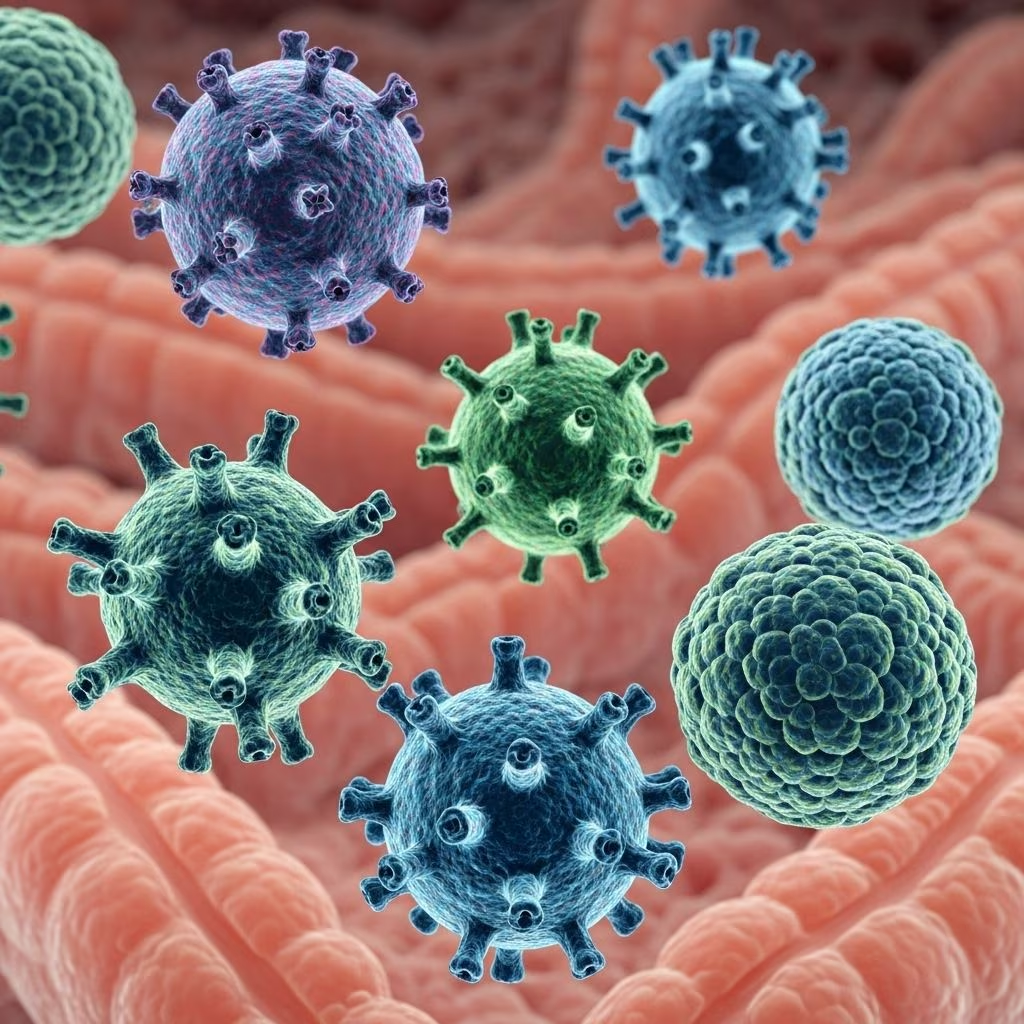
Norovirus & Rotavirus: Causes, Symptoms & Prevention
Norovirus and rotavirus are leading causes of acute viral gastroenteritis worldwide. These highly contagious viruses pose significant health risks, especially for infants, young children, older adults, and immunocompromised individuals. Understanding the differences between norovirus and rotavirus—including how they spread, the symptoms they cause, and strategies for prevention—is crucial for managing outbreaks and protecting vulnerable populations.
Overview
Norovirus and rotavirus both target the digestive system, causing gastrointestinal symptoms such as vomiting and diarrhea. While norovirus frequently affects people of all ages, rotavirus is more prevalent and potentially severe in children under five years old. Timely recognition of the differences, symptoms, and prevention techniques is vital for effective outbreak management and improved patient outcomes.
Norovirus: Introduction & Transmission
Norovirus is a genus of single-stranded RNA viruses, recognized as the most common cause of epidemic non-bacterial gastroenteritis globally.
- Transmission: Norovirus spreads through contaminated food and water, direct person-to-person contact, and surfaces infected by fecal or vomit particles.
- Settings: Outbreaks occur frequently in places with close, shared living spaces such as cruises, hospitals, restaurants, schools, and long-term care facilities.
- Incubation Period: Symptoms typically appear 12–48 hours after exposure.
- Contagiousness: Norovirus remains highly contagious; infected individuals may shed virus for weeks after symptoms subside.
- Asymptomatic Infection: About one-third of infections are asymptomatic but still contribute to the virus’s spread.
Rotavirus: Introduction & Transmission
Rotavirus is a double-stranded RNA virus belonging to the Reoviridae family, with nine identified species. Rotavirus is the most common cause of severe, dehydrating diarrhea among infants and young children worldwide.
- Transmission: Fecal-oral route is primary; can also spread via contaminated surfaces, water, and objects.
- Primary Victims: Most common in children under five, mainly in daycare settings, households with infants, and hospitals.
- Incubation Period: Symptoms appear 12–48 hours after exposure, usually within 48 hours.
- Immunity: By age five, most children have acquired immunity to rotavirus via natural infection or vaccination.
Symptoms: Comparison & Details
| Feature | Norovirus | Rotavirus |
|---|---|---|
| Age Group Most Affected | All ages | Young children under 5 |
| Incubation Period | 12–48 hours | ~48 hours |
| Primary Symptoms | Vomiting, diarrhea, stomach cramps, nausea, fever, headache, malaise | Watery diarrhea, vomiting, fever, stomach pain |
| Duration of Symptoms | 1–3 days (up to 6 days in children) | 3–8 days |
| Severity | Mild to moderate; can cause severe dehydration in vulnerable groups | Often more severe in infants and young children; risk of hospitalization |
Norovirus: Symptoms
- Abdominal pain
- Body aches
- Chills
- Diarrhea
- Dry mouth
- Fatigue
- Fever (low-grade)
- Headache
- Nausea and sudden onset vomiting
- Malaise
Norovirus illness typically lasts one to three days, but viral shedding can persist for two weeks or more. About one-third of norovirus infections are asymptomatic. In children less than 11 years old, onset is often sudden, with vomiting lasting up to six days.
Rotavirus: Symptoms
- Watery diarrhea (often severe)
- Frequent vomiting
- Fever
- Loss of appetite
- Stomach pain
- Dehydration signs: decreased urination, crying without tears, dry mouth and skin, fatigue, sunken eyes, unusual fussiness
Symptoms usually begin about 2 days after infection, with vomiting and watery diarrhea lasting three to eight days. Severe dehydration risk is highest in infants and young children.
Risk Factors
- Norovirus: Any age group; especially young children, elderly, people in confined living environments, and those with weakened immune systems.
- Rotavirus: Infants and children under 5 are at greatest risk, particularly those in childcare centers and households with other young children.
- People with poor hygiene or immune compromise have heightened susceptibility.
Diagnosis
Diagnosis relies on symptom history and outbreak context. Laboratory confirmation can be performed using PCR and antigen-based stool tests:
- Norovirus: PCR assays for viral RNA fragments; diagnosis often supported by clinical criteria (e.g., >50% patients with vomiting, median duration 12–60 hours, lack of bacterial pathogens).
- Rotavirus: Immunoassay and PCR tests on stool samples confirm active infection; clinical presentation also used.
- Routine blood tests may be used in cases of severe dehydration or complication to assess electrolytes and renal function.
Treatment & Management
General Principles
- There is no specific antiviral medication for norovirus or rotavirus infections.
- Primary treatment is supportive care: focus on rehydration and electrolyte balance.
Recommended Actions
- Drink plenty of fluids (oral rehydration solution is best for children).
- Frequent small sips for persistent vomiting.
- Eat bland, easy-to-digest foods (bananas, rice, applesauce, toast).
- Continue breastfeeding or formula for infants as tolerated.
- Get rest and monitor for dehydration signs.
- Antidiarrheal medications such as loperamide: Only for adults, and with medical advice.
- Severe dehydration may require intravenous fluids and hospitalization, especially for children.
Complications
- Dehydration: Loss of body fluids may result in decreased urination, dry mouth/tongue, dizziness, crying without tears, sunken eyes.
- Electrolyte Imbalance: Presents with confusion, muscle cramps, weakness, abnormal heart rhythms, extreme thirst.
- Secondary Infections: Occasionally, persistent diarrhea can cause secondary bacterial infections.
- Rare Complications: In infants and children, severe rotavirus infection may require hospitalization and, very rarely, can be fatal if untreated.
Prevention Strategies
General Guidance
- Practice frequent and thorough handwashing: Soap and water for at least 20 seconds.
- Disinfect hard surfaces and shared items with bleach-based cleaners.
- Avoid contaminated or undercooked foods, and shared buffets.
- Safely prepare, cook, and store foods, especially seafood and produce.
- Avoid contact with those showing symptoms of gastroenteritis.
- Maintain adequate hydration, especially when symptoms are present.
- Clean and disinfect soiled linens or clothing immediately.
Protecting Children
- Immunize infants with the rotavirus vaccine before 8 months of age.
- Prompt medical attention for children showing signs of dehydration.
- Strict hygiene protocols in daycare settings and hospitals.
Rotavirus Vaccination
Rotavirus infection, once a major public health threat, has been greatly reduced in severity and incidence by effective vaccines.
- Two oral rotavirus vaccines are available and recommended for infants in the U.S. (administered before 8 months of age).
- Vaccination reduces risk of severe illness and hospitalization, but mild disease can still occur.
- Vaccines are not available for norovirus as of 2025.
Consult your pediatrician for the most current rotavirus vaccination schedule.
Frequently Asked Questions (FAQs)
Q: How do norovirus and rotavirus infections differ?
A: Norovirus can infect people of all ages, spreads rapidly, and is a leading cause of adult and adolescent gastroenteritis outbreaks. Rotavirus is most severe in children under 5 and can be prevented by vaccine.
Q: Can adults get rotavirus?
A: Yes, adults can get rotavirus, but symptoms are usually milder or even absent. Severe rotavirus is uncommon in healthy older children and adults.
Q: When should I seek medical care?
A: Seek medical help if you or your child shows signs of dehydration (dry mouth, sunken eyes, decreased urination, dizziness, lethargy), persistent vomiting and diarrhea, or if symptoms worsen after several days.
Q: Is there a medicine to cure norovirus or rotavirus?
A: No. There are no specific antiviral medications; treatment is supportive—mainly focused on oral or IV rehydration and managing symptoms.
Q: How long should I stay home if I have norovirus?
A: Stay home until at least 48 hours after symptoms resolve, as you may remain contagious. Good hygiene helps reduce transmission.
Summary
Norovirus and rotavirus are key viral causes of acute gastroenteritis, each with unique transmission pathways, risk groups, and strategies for prevention. Norovirus is a major cause of outbreaks in all ages and settings, highly contagious but rarely severe. Rotavirus presents significant risk to young children, with dehydration posing the primary danger. Rotavirus vaccination is effective and widely recommended for infants. Good hygiene, vigilant symptom awareness, and prompt rehydration remain the cornerstones of prevention and management for both infections.
References
- https://pmc.ncbi.nlm.nih.gov/articles/PMC7173577/
- https://centracare.adventhealth.com/urgent-care/blog/norovirus-vs-rotavirus-symptoms-and-treatment
- https://www.cdc.gov/rotavirus/about/index.html
- https://www.mayoclinic.org/diseases-conditions/rotavirus/symptoms-causes/syc-20351300
- https://my.clevelandclinic.org/health/diseases/17703-norovirus
- https://my.clevelandclinic.org/health/diseases/8275-rotavirus
- https://www.webmd.com/children/what-is-rotavirus
- https://www.mayoclinic.org/diseases-conditions/viral-gastroenteritis/symptoms-causes/syc-20378847


