


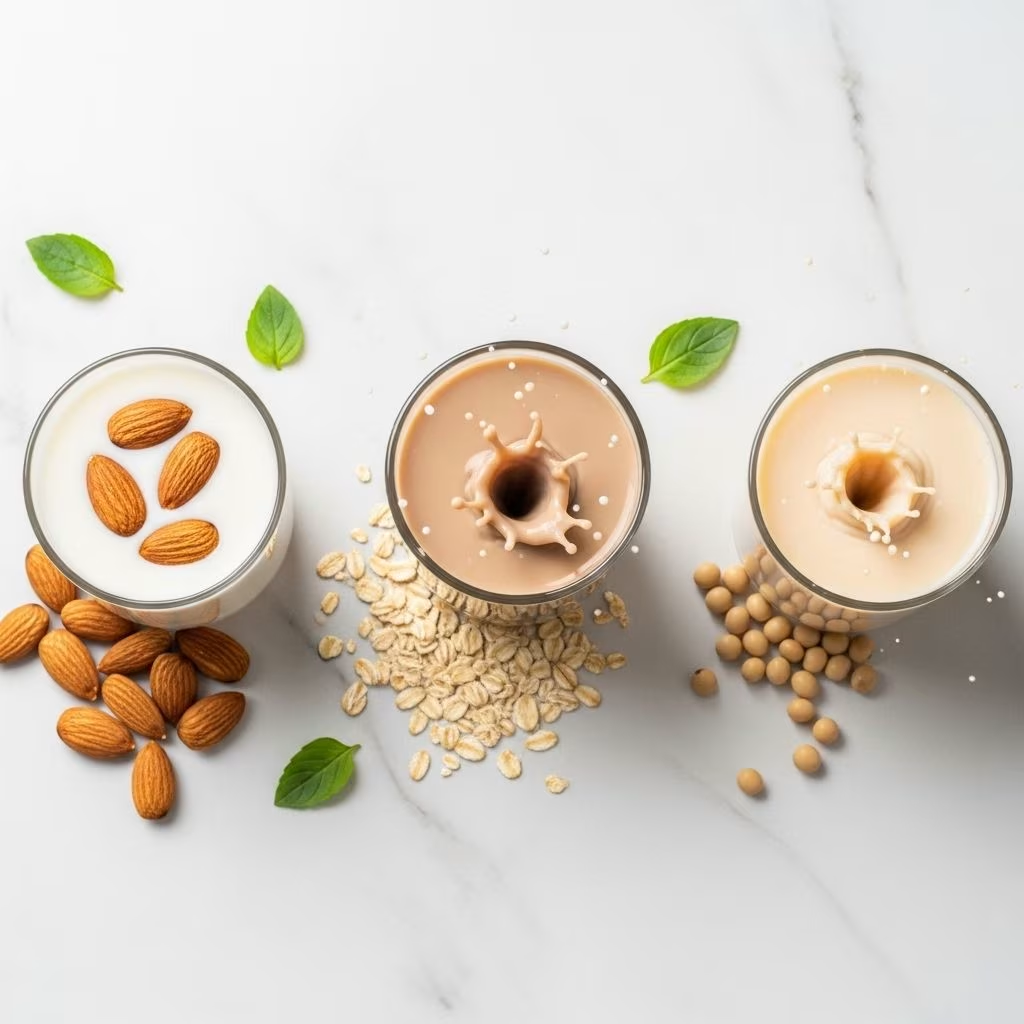
Dairy Alternatives for Skin: Oat vs. Almond vs. Soy
The shift from dairy to plant-based milk alternatives is driven by concerns over lactose intolerance, ethical choices, and increasingly, skin health. Among the most popular options are oat milk, almond milk, and soy milk—each offering unique nutritional profiles and effects on skin. This in-depth guide explores how these alternatives compare in the context of skin wellness, highlighting their benefits, potential drawbacks, and suitability for various skin types.
Why Switch to Dairy Alternatives?
The popularity of plant-based milks has surged for a variety of reasons:
- Digestive Health: Dairy is a common source of gastrointestinal issues due to lactose intolerance. Plant milks are easier to digest, reducing the potential for bloating and discomfort.
- Hormonal Impact: Dairy contains hormones and compounds that may exacerbate acne and inflammatory skin conditions. Plant milks are naturally hormone-free.
- Ethical & Environmental: Plant-based milks support sustainable agriculture and animal welfare.
- Nutrition for Skin: Some plant milks offer unique nutrients beneficial for skin health—such as vitamin E, beta-glucans, and antioxidants.
Impact of Dairy on Skin Health
Consuming dairy, especially cow’s milk, has been associated with increased acne and other inflammatory skin conditions due to its hormone, casein, and lactose content. Reducing dairy intake may improve skin clarity and lower inflammation. The mechanism is linked to:
- Hormonal Fluctuations: Dairy can influence androgen levels, stimulating sebum production and acne formation.
- Inflammation: Dairy may exacerbate systemic and skin inflammation, triggering flare-ups in sensitive individuals.
- Gut-Skin Axis: Poor digestion of lactose or casein can disturb gut health, which indirectly affects skin appearance and function.
Oat Milk & Its Skin Benefits
Oat milk is made by blending oats with water and straining the mixture. Its popularity comes from a creamy texture and healthful ingredients. Key benefits for skin:
- Beta-Glucans: Soluble fibers in oats, called beta-glucans, support gut and skin barrier health, helping to retain skin hydration and encouraging a balanced, resilient complexion.
- Lower Inflammatory Potential: Unlike dairy, oat milk lacks hormones, making it friendlier for acne-prone skin.
- Calcium, Potassium, and Phosphorus: Oat milk is often fortified, providing minerals to support overall skin function.
- Suitability for Allergies: Oat milk is generally safe for those with nut allergies; however, those with gluten sensitivities should ensure they’re choosing gluten-free oat milk.
Caution: Many oat milks contain added sugars. High sugar intake can increase skin inflammation; choosing unsweetened versions is preferable for skin health.
Summary of Skin Benefits—Oat Milk
- Hydrating, supports skin moisture levels
- Bacteria-friendly fibers for healthy gut-skin axis
- Hormone-free, low risk of triggering acne
Almond Milk & Its Skin Benefits
Almond milk is made by soaking almonds, blending, and straining. It stands out for its nutrient profile and skin-supporting properties:
- Vitamin E: Almond milk is rich in this powerful antioxidant, which helps reduce skin inflammation, supports repair, and prevents premature aging caused by environmental stress.
- Low Calorie & Low Carbohydrate: Suitable for calorie-conscious individuals, and less likely to spike blood sugar or skin inflammation.
- Heart-Healthy Fats: Almond milk contains monounsaturated fats that support skin barrier function and hydration.
- Soothing Effects: Vitamin E and fats may soothe irritated or sensitive skin, making almond milk an attractive choice for managing acne or redness.
Caution: Some almond milks contain added sugars, emulsifiers, or other additives that can irritate sensitive skin—always choose unsweetened, additive-free varieties.
Summary of Skin Benefits—Almond Milk
- Rich source of vitamin E for antioxidant defense
- Low sugar and carbs, supports clear skin
- Healthy fats that fortify skin’s moisture barrier
Soy Milk & Its Skin Benefits
Soy milk is made from soaked and ground soybeans. It offers a robust nutritional profile, with specific advantages for skin:
- High Protein Content: Soy milk contains more protein than oat and almond milk, supporting skin and collagen repair—aiding elasticity and healing.
- Phytoestrogens: These plant-derived estrogens may have a stabilizing effect on skin, enhancing moisture and potentially supporting anti-aging through increased collagen synthesis.
- Mineral-Rich: Soy milk provides potassium and iron, key for enhancing cellular functions and skin health.
- Digestive Ease: Soy milk is easier on the gut for many people, limiting digestive stress which can manifest in skin issues.
Caution: As with other plant milks, added sugars and oils may change the nutritional profile and skin outcomes—unsweetened is preferable. Allergic reactions to soy are also possible in sensitive individuals.
Summary of Skin Benefits—Soy Milk
- Supports collagen and skin elasticity via high-quality protein
- Promotes skin moisture balance through phytoestrogens
- Provides potassium and iron to bolster skin cell function
Nutrition Comparison Table
| Milk Type | Calories (per cup) | Protein | Fat | Carbs | Vitamin E | Key Skin Benefit |
|---|---|---|---|---|---|---|
| Oat | 79–120 | 3–4 g | 1.5–5 g | 14–16 g | Low | Hydration, Barrier Support |
| Almond | 30–60 | 1 g | 2.5–3 g | <1–8 g | High | Antioxidant Protection |
| Soy | 100 | 9 g | 5 g | 5 g | Moderate | Collagen & Elasticity |
Note: Nutritional content varies by brand and whether the product is unsweetened, sweetened, or fortified.
Choosing the Right Dairy Alternative for Your Skin
When selecting a plant-based milk for skin health, consider these factors:
- Allergy Profile: Oat milk is typically nut-free; almond milk is not suitable for those with nut allergies; soy may trigger reactions in those with soy allergies.
- Skin Type:
- Acne-prone: Oat or almond milk (unsweetened) may work best due to hormone-free, anti-inflammatory profiles.
- Dull or aging skin: Soy milk’s protein and phytoestrogens may offer advantages for elasticity and youthful appearance.
- Dry or sensitive skin: Oat and almond milk contain components to help with hydration and reduce redness.
- Additives: Choose milks with minimal ingredients—avoid added sugars, emulsifiers, and flavorings that can aggravate skin conditions.
- Calcium & Fortification: If using plant milk as a dairy substitute, select fortified options for balanced mineral intake, which indirectly influences skin health.
Potential Drawbacks, Allergies, and Additives
- Oat Milk: May contain gluten unless labeled gluten-free; check for added sugars that can worsen inflammation.
- Almond Milk: Not suitable for those with nut allergies; some brands include additives that may trigger skin issues.
- Soy Milk: Potential allergen for some; some concerns exist around GMOs and hormone mimetics, but scientific consensus points to phytoestrogens being largely safe.
- Calcium: Most plant milks lack calcium unless fortified; choose fortified options if relying on plant milks in your diet.
Frequently Asked Questions (FAQs)
Q: Which dairy alternative is best for acne-prone skin?
A: Oat milk and almond milk (unsweetened, additive-free) are popular for acne-prone skin due to their absence of hormones, anti-inflammatory properties, and soothing nutrients.
Q: Does soy milk affect hormones or skin?
A: Soy milk contains phytoestrogens, plant-based compounds that can mildly influence estrogen activity in the body, generally promoting collagen and skin moisture without the acne-triggering effects of dairy hormones.
Q: Are sweetened plant milks bad for skin?
A: Yes, added sugars can contribute to skin inflammation, breakouts, and premature aging—always opt for unsweetened versions for the best skin outcomes.
Q: Can plant-based milks cause allergies?
A: Yes, nut and soy allergies should be considered; oat milk is typically safest, but confirm gluten-free status if sensitive.
Q: Do plant milks hydrate skin?
A: Ingredients like beta-glucans in oats, vitamin E in almonds, and proteins in soy support skin hydration, repair, and resilience when combined with a balanced diet.
Conclusion
Switching from dairy to plant-based milks—namely oat, almond, and soy—offers various advantages for skin health. These alternatives eliminate dairy hormones, reduce inflammatory risk, and provide unique nutrients like beta-glucans, vitamin E, and plant proteins that support a hydrated, resilient, and clear complexion. Selecting the right option depends on your specific skin concerns, dietary preferences, and potential allergies. Choose unsweetened, minimally processed versions for maximum skin benefits, and consider fortified options for total nutritional balance.
References
- https://www.shannonleeesthetics.com/theskinbetch/dairy-dilemma-choosing-the-best-milk-for-acne-prone-skin
- https://milkyplant.com/en-us/blogs/the-latest/the-link-between-plant-milk-and-skin-health-what-you-need-to-know
- https://www.healthline.com/nutrition/oat-milk-vs-soy-milk
- https://www.prevention.com/food-nutrition/a66138936/oat-milk-vs-almond-milk-benefits/
- https://harriswoolfalmonds.com/plant-based-milk-nutrition-comparison/
- https://www.medicalnewstoday.com/articles/325425
- https://www.prevention.com/food-nutrition/a64211760/soy-milk-vs-almond-milk/
- https://www.sanitarium.com/au/health-nutrition/nutrition/comparing-dairy-free-milks
- https://pmc.ncbi.nlm.nih.gov/articles/PMC5069255/


