


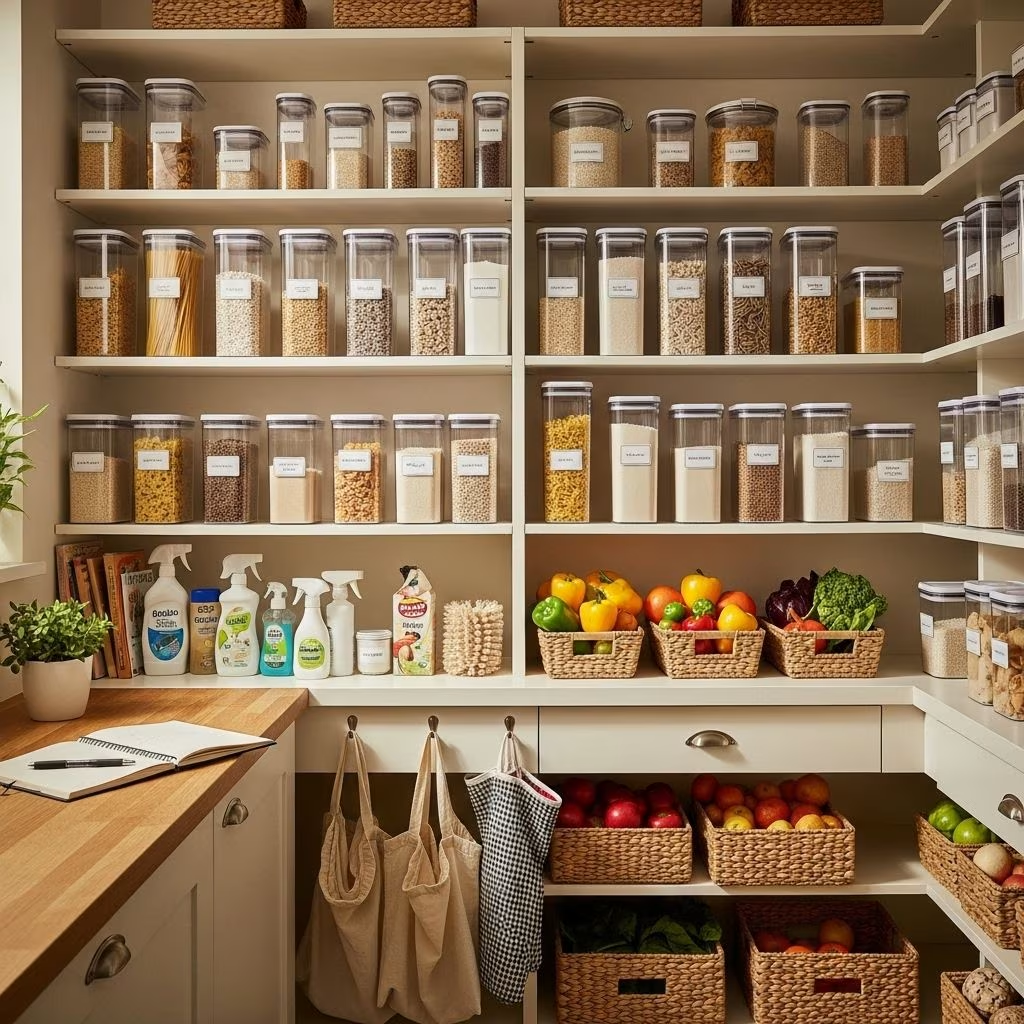
Americans waste approximately 338 pounds of food per household every year, contributing to the staggering 103 million tons of food waste nationwide. The pantry clean-out challenge offers a practical solution to this problem while helping you save money, eat healthier, and discover creative new meals hiding in your kitchen cabinets. This comprehensive approach transforms your pantry from a cluttered storage space into an organized resource for nutritious, budget-friendly cooking.
The beauty of a pantry challenge lies in its simplicity and multiple benefits. Beyond reducing waste and saving money, it encourages culinary creativity and helps you develop better shopping habits. Whether you’re looking to reset after the holiday season, prepare for a major shopping trip, or simply want to get organized, this challenge provides the perfect opportunity to reassess your food storage and eating habits.
Understanding the Pantry Clean-Out Challenge
A pantry clean-out challenge is a dedicated period, typically lasting between one week and one month, during which you commit to using up ingredients you already have on hand before purchasing new groceries. The primary goal is to minimize food waste while maximizing the value of your existing food supplies. This practice has gained popularity among budget-conscious families and those seeking to adopt more sustainable living practices.
The challenge works on a simple principle: take inventory of what you have, plan meals around those ingredients, and only shop for essential items needed to complete recipes. This approach forces you to think creatively about meal preparation and helps break the cycle of overbuying groceries that eventually go to waste. Many families discover that they can easily go one to two weeks without major grocery shopping by relying on their pantry staples.
The psychological benefits of completing a pantry challenge extend beyond the immediate financial savings. Successfully creating meals from seemingly random ingredients builds confidence in the kitchen and reduces anxiety about having the “perfect” ingredients for every recipe. It teaches adaptability and resourcefulness, skills that prove valuable in many aspects of life beyond cooking.
Preparing for Your Pantry Challenge
Conducting a Complete Inventory
The foundation of any successful pantry challenge begins with knowing exactly what you have. Start by removing everything from your pantry shelves, refrigerator, and freezer. This complete clearing allows you to see every item you own and provides an opportunity for deep cleaning. As you remove items, organize them by category on your dining table or kitchen counter to make inventory taking easier.
Create a comprehensive list that includes not just main ingredients like grains, canned goods, and proteins, but also spices, condiments, baking supplies, and frozen items. Many people are surprised to discover how much food they actually have once everything is laid out visibly. Include quantities and expiration dates on your inventory list to help prioritize which items need to be used first.
Don’t forget to check unusual storage areas where food might be hiding, such as the back of closets, garage shelves, or that emergency food stash you created and forgot about. Every can of beans, package of pasta, and jar of sauce represents money already spent and an opportunity to create a meal.
Sorting and Organizing Your Supplies
Once everything is out in the open, sort items into categories that make sense for your cooking style. Common categories include grains and pasta, canned vegetables and fruits, proteins, baking supplies, condiments and sauces, snacks, and frozen goods. This organization helps you visualize what types of meals you can create and identifies where you have abundance versus scarcity.
Check expiration dates carefully during this process. Items significantly past their prime should be discarded for safety reasons. For items approaching their expiration dates, move these to the front of your meal planning priority list. Foods with later expiration dates can be saved for use later in the challenge or returned to organized pantry storage.
Consider whether you have duplicate items that could be consolidated or excess quantities of ingredients you rarely use. These items are excellent candidates for donation to local food banks, assuming they’re still within safe consumption dates. Donating excess food not only helps your community but also creates more organized storage space in your home.
Creating Healthy Meals from Pantry Staples
Building Balanced Meals with What You Have
The key to healthy pantry challenge cooking lies in understanding how to build nutritionally balanced meals from basic ingredients. Every healthy meal should include three components: a protein source, complex carbohydrates or vegetables, and healthy fats. Your pantry likely contains everything needed to create these balanced combinations, even if the ingredients seem unrelated at first glance.
Canned beans, lentils, and legumes serve as excellent plant-based proteins that store well and offer tremendous nutritional value. Canned tuna, salmon, and chicken provide convenient animal protein options. Grains like rice, quinoa, pasta, and oats form the foundation for countless healthy meals. Canned and frozen vegetables retain most of their nutritional value and can be incorporated into virtually any dish.
Healthy fats often come from pantry staples like olive oil, nuts, seeds, and nut butters. These ingredients not only provide essential nutrients but also add flavor and satisfaction to meals. Spices and herbs, which many people accumulate over time, transform simple ingredients into flavorful dishes without adding calories or unhealthy additives.
Go-To Healthy Pantry Challenge Recipes
Grain Bowls: These versatile meals allow you to combine whatever grains, proteins, and vegetables you have on hand. Cook your grain base, whether rice, quinoa, or bulgur. Add canned beans or chickpeas for protein. Top with roasted frozen vegetables, a handful of nuts for crunch, and a simple dressing made from olive oil, vinegar, and spices from your pantry. This formula works with virtually any combination of ingredients.
One-Pot Pasta Dishes: Pasta combined with canned tomatoes, frozen vegetables, and protein creates satisfying, nutritious meals. Add canned tuna or white beans for protein, throw in frozen spinach or broccoli, season with garlic powder and Italian herbs, and you have a restaurant-quality meal made entirely from shelf-stable ingredients.
Hearty Soups and Stews: These preparations are ideal for using up multiple pantry items simultaneously. Start with broth or bouillon cubes, add canned tomatoes or beans, throw in any frozen or canned vegetables, season generously, and simmer. Soups are forgiving recipes that taste better as flavors meld, making them perfect for experimentation.
Breakfast Solutions: Oatmeal topped with nuts, dried fruit, and a drizzle of honey provides a nutritious start to the day. Pancakes or muffins can be made from basic baking supplies and enhanced with whatever add-ins you have available. Eggs, if you have them, can be stretched into omelets or frittatas filled with frozen vegetables and cheese.
Creative Salads: Even without fresh produce, you can create satisfying salads during a pantry challenge. Canned beans or chickpeas form the base, add canned or jarred vegetables like artichokes, hearts of palm, or roasted red peppers, toss with canned tuna or salmon, and dress with oil and vinegar. These protein-packed salads provide complete nutrition.
Strategic Meal Planning for Pantry Success
Developing Your Challenge Menu
With your inventory complete and an understanding of healthy meal building blocks, create a meal plan that uses your ingredients efficiently. Start by identifying complete meals you can make with little to no additional shopping. These become your anchor meals for the week. Then identify recipes that need just one or two fresh ingredients to complete, which guides your minimal grocery shopping.
Plan meals strategically based on ingredient perishability. If you have fresh produce from before starting the challenge, use those items first. Next, focus on frozen items and refrigerated goods. Finally, work through shelf-stable pantry items, which offer the most flexibility in timing. This progression ensures nothing spoils while you’re using up other ingredients.
Build flexibility into your meal plan by scheduling “flex meals” or “clean out the fridge” nights. These unstructured meal times allow you to use leftovers or combine random remaining ingredients without feeling constrained by a rigid plan. Many families find that these creative nights produce surprisingly delicious results and become favorite meals worth repeating.
Minimal Shopping Strategy
During your pantry challenge, grocery shopping should focus exclusively on fresh ingredients needed to complete planned meals or essential items you’ve completely run out of. Create a strict shopping list before entering the store and commit to purchasing only listed items. This discipline prevents impulse buying and ensures you stay focused on using what you already have.
Prioritize purchasing fresh vegetables, fruits, dairy products, and other perishables that complement your pantry ingredients. For example, if you have dried pasta and canned tomatoes, you might purchase fresh garlic and basil to elevate the dish. If you have oats and baking supplies, fresh bananas could enable you to make banana oat muffins.
Consider the true cost of convenience during this challenge. Instead of buying pre-made items, think about what you can make from scratch using pantry ingredients. Homemade salad dressings, taco seasonings, and baked goods cost significantly less than store-bought versions and often taste better while avoiding preservatives and excess sodium.
Organization and Storage Best Practices
Deep Cleaning Your Pantry
With shelves emptied during your inventory process, take advantage of this opportunity to thoroughly clean your pantry space. Wipe down all surfaces, including shelf undersides and walls. Sweep and mop floors, paying special attention to corners where crumbs accumulate. This deep cleaning prevents pest problems and creates a fresh start for your organized pantry.
Check for signs of past pest activity such as droppings or damage to packaging. If you find evidence of pests, address the problem before restocking shelves. Consider using pest-deterrent storage solutions like airtight containers for vulnerable items like flour, sugar, and grains.
Implementing an Organization System
As you restock your pantry, implement an organization system that makes ingredients visible and accessible. Group similar items together: all baking supplies in one area, canned goods organized by type, grains and pasta in another section. This categorical organization helps you quickly assess what you have when planning meals.
Consider using clear storage containers for loose items like flour, sugar, rice, and pasta. These containers not only protect food from pests and moisture but also allow you to see at a glance how much of each ingredient remains. Label containers clearly with contents and, if desired, purchase or expiration dates.
Arrange items with the “first in, first out” principle, placing older items in front and newer purchases behind them. This rotation system ensures you use foods before they expire and prevents the accumulation of forgotten items in the back of shelves. Maintain an updated inventory list on the inside of your pantry door for quick reference during meal planning.
Overcoming Common Pantry Challenge Obstacles
Dealing with Food Fatigue
One challenge participants often face is boredom with available ingredients, especially toward the end of the challenge period. Combat food fatigue by focusing on different cuisines throughout the week. Your pantry staples can be transformed into Italian pasta dishes one night, Mexican rice bowls another night, and Asian-inspired stir-fries the next. Varying the cultural flavor profiles keeps meals interesting despite using similar base ingredients.
Experiment with new cooking methods to create variety from the same ingredients. Beans can be mashed into spreads, pureed into soups, or roasted for crunchy snacks. Changing preparation methods provides different textures and flavors from identical ingredients. This experimentation often leads to discovering new favorite recipes worth making even after the challenge ends.
Managing Family Expectations
Family buy-in is crucial for pantry challenge success, especially if household members have different food preferences or comfort zones. Involve everyone in the planning process by letting family members choose their favorite pantry challenge meals from options you identify as possible. This participation increases enthusiasm and reduces complaints about unusual meal combinations.
Be realistic about including some familiar, crowd-pleasing meals in your rotation. While the challenge encourages creativity, completely abandoning family favorites can create resistance. Balance adventurous pantry combinations with tried-and-true recipes that happen to use pantry ingredients. For instance, if your family loves tacos, plan a taco night using canned beans, frozen peppers, and pantry spices.
Allow for occasional breaks in the challenge when needed. If a special occasion arises or everyone desperately craves a particular restaurant meal, permit yourself this flexibility without guilt. The goal is progress, not perfection. A single restaurant meal doesn’t negate the value of two weeks of pantry-based eating.
Long-Term Benefits and Sustainable Practices
Financial Impact
The financial benefits of a pantry challenge extend well beyond the challenge period itself. Participants typically save hundreds of dollars on grocery bills while using foods they’ve already purchased. This immediate savings is compelling, but the lasting impact comes from developing mindful shopping habits that prevent future overbuying.
Track your spending during the challenge to quantify savings. Many families discover they spend 50-70% less on groceries during challenge weeks compared to typical shopping periods. These savings can be redirected toward financial goals, debt reduction, or building an emergency fund. Some families choose to allocate pantry challenge savings toward purchasing higher-quality ingredients once they resume normal shopping.
Environmental Impact
Reducing food waste has significant environmental benefits beyond the obvious landfill reduction. Food production requires substantial resources including water, energy, land, and labor. When we waste food, we waste all the resources invested in producing, processing, and transporting that food. By eating what we already own, we honor these resources and reduce our environmental footprint.
The pantry challenge mentality, when adopted as an ongoing practice rather than a one-time event, contributes to more sustainable consumption patterns. Learning to value and use every ingredient we purchase creates a mindset shift away from disposable consumer culture toward resourceful, intentional living. This shift benefits both personal finances and planetary health.
Skill Development
Completing a pantry challenge builds valuable skills that serve you throughout life. You develop creativity in meal preparation, learning to substitute ingredients and adapt recipes based on what’s available. This flexibility proves invaluable during unexpected situations like supply shortages, budget constraints, or when cooking in unfamiliar kitchens.
The confidence gained from successfully feeding yourself and your family with limited resources cannot be overstated. This self-reliance reduces anxiety about food security and empowers you to handle various circumstances. Many people report that pantry challenge skills helped them navigate unexpected job losses, medical expenses, or other financial challenges with less stress.
Tips for Pantry Challenge Success
Start Small: If a full month seems overwhelming, begin with a one-week challenge. This shorter timeframe allows you to experience the benefits without significant commitment. Success with a short challenge often motivates extending the practice or repeating it regularly.
Document Your Journey: Keep a journal of meals you create, noting which recipes worked well and which combinations to avoid in the future. Take photos of successful meals for inspiration during future challenges. This documentation becomes a valuable resource and helps you remember creative solutions you developed.
Embrace Imperfection: Not every meal will be a masterpiece, and that’s completely acceptable. Some combinations won’t work as hoped, and you’ll learn from those experiences. The goal is progress and waste reduction, not culinary perfection. Give yourself permission to experiment without pressure.
Stay Flexible: If halfway through the challenge you discover you’re completely out of a staple ingredient like cooking oil or salt, purchase it. The goal is to use up excess inventory, not to create hardship or force you to eat unpalatable food. Reasonable flexibility ensures the challenge remains sustainable and enjoyable.
Get Creative with Substitutions: Learn common ingredient substitutions that allow recipe adaptation based on what you have. Buttermilk can be replaced with milk plus vinegar, eggs can often be substituted with applesauce in baking, and many vegetables can be swapped interchangeably in recipes. Understanding these substitutions expands your cooking flexibility exponentially.
Use Online Resources: When you have unusual ingredient combinations, search online for recipes using those specific items. Many websites allow you to input ingredients you have on hand and generate recipe suggestions. These tools provide inspiration when your own creativity runs low and often introduce you to new favorite dishes.
Frequently Asked Questions
Q: How long should a pantry clean-out challenge last?
A: Most challenges run between one week and one month. Beginners often start with a one-week challenge to test the process, while experienced participants may extend challenges to 30 days. Choose a duration that feels manageable for your household and circumstances.
Q: Can I still buy fresh produce during the challenge?
A: Yes, purchasing fresh fruits, vegetables, and dairy products is acceptable and often necessary to create balanced, healthy meals. The goal is to avoid buying pantry staples and processed foods you already have in stock. Focus shopping on perishables that complement your existing supplies.
Q: What if my family doesn’t like the meals I create?
A: Involve family members in meal planning and recipe selection to increase buy-in. Balance creative pantry meals with familiar favorites that happen to use pantry ingredients. Allow occasional flexibility for restaurant meals or family favorites to prevent resistance and maintain morale throughout the challenge.
Q: Is it safe to eat expired canned goods?
A: Expiration dates on canned goods are typically “best by” dates indicating quality rather than safety. Canned foods often remain safe well beyond these dates if cans show no signs of damage, bulging, or rust. However, use your judgment and when in doubt, discard items that seem questionable.
Q: How do I maintain pantry organization after the challenge ends?
A: Implement a regular inventory system and practice the “first in, first out” principle when restocking. Consider conducting mini pantry challenges quarterly to prevent accumulation. Shop with a list based on planned meals rather than impulse buying, and regularly assess your pantry to use older items before they expire.
Q: What are the best pantry staples for creating healthy meals?
A: Essential healthy pantry staples include canned beans and legumes, whole grains like brown rice and quinoa, canned tomatoes, olive oil, nuts and seeds, canned fish like tuna and salmon, low-sodium broth, and a variety of dried herbs and spices. These versatile ingredients form the foundation for countless nutritious meals.
Q: Can I do a pantry challenge while following a special diet?
A: Absolutely. Pantry challenges work with any dietary pattern including vegetarian, vegan, gluten-free, or low-carb diets. The key is adapting the challenge to your specific nutritional needs and ensuring your pantry inventory includes appropriate items for your diet. You may need to purchase specialty fresh items to complement pantry staples while still honoring dietary restrictions.
References
- https://jenaroundtheworld.com/clean-out-pantry-challenge-2021/
- https://www.castlecookemortgage.com/blog/pantry-cleanout-challenge
- https://www.katheats.com/pantry-clean-challenge
- https://goodcheapeats.com/prepare-to-eat-down-the-pantry-2013-challenge/
- https://projectmealplan.com/spring-cleaning-30-day-pantry-clean-out-challenge/
- https://mythriftyhouse.com/eat-from-the-pantry-challenge/
- https://www.aroundmyfamilytable.com/eat-from-your-pantry-challenge/
- https://www.theseasonalhomestead.com/pantry-challenge-40-meal-ideas/


