


Table of Content
- What is Perioral Dermatitis?
- Causes and Symptoms
- Prevention and Skincare
- Treatment Options
- Management and Lifestyle Changes
- Frequently Asked Questions (FAQs)
What is Perioral Dermatitis?
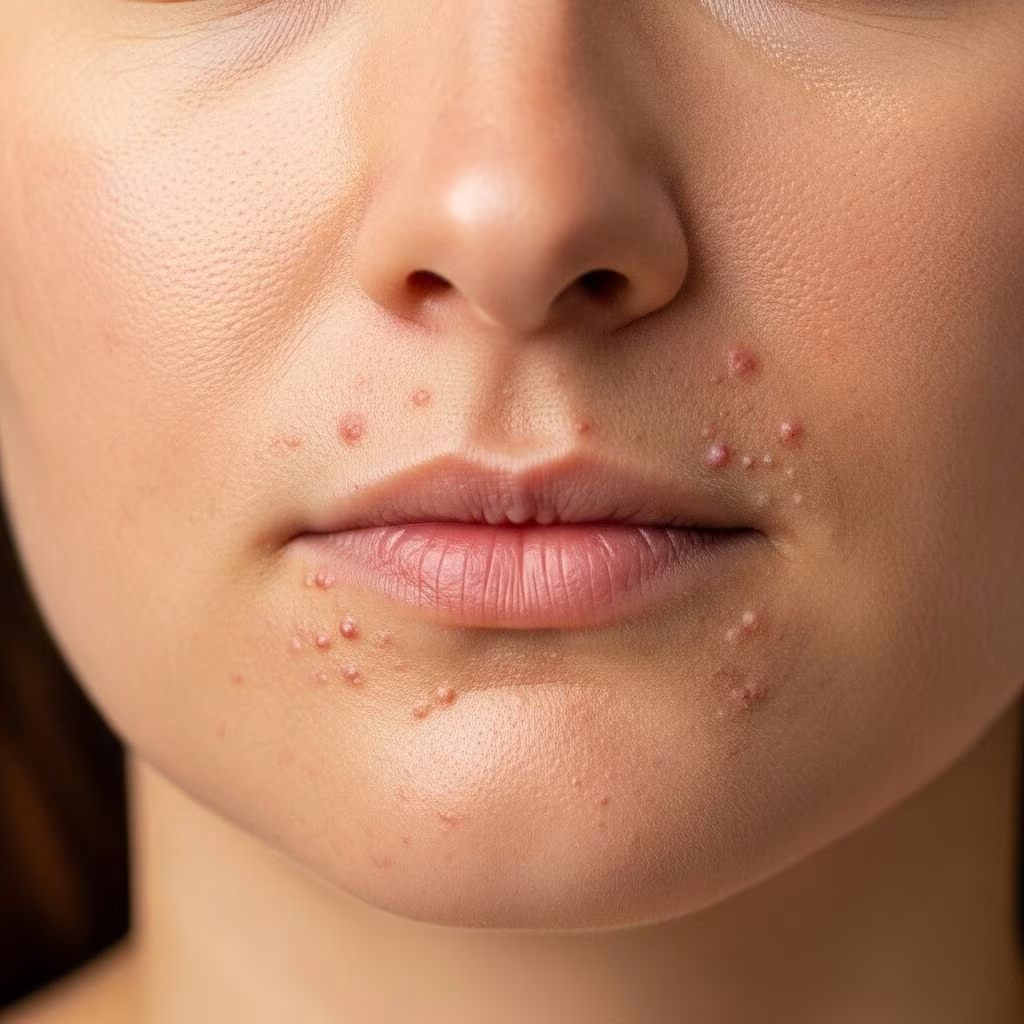
Perioral dermatitis (POD) is a common skin condition characterized by inflammation and acne-like symptoms around the mouth, often accompanied by redness and irritation. It can also appear around the eyes or nose. The exact cause of POD is not well understood, but it is believed to be related to factors such as the use of topical steroids, hormonal changes, and exposure to certain cosmetics or products.
Causes and Symptoms
The symptoms of perioral dermatitis typically include redness, small bumps or acne-like lesions, burning, and itching around the mouth. Common triggers and causes include:
- Topical Steroids: Frequent use of topical corticosteroids can lead to POD, as they can disrupt the skin barrier and cause rebound effects upon discontinuation.
- Cosmetics and Skincare Products: Heavy, occlusive, or irritating skincare products may exacerbate the condition.
- Fluorinated Toothpaste: Some ingredients in toothpaste can irritate the skin and contribute to POD.
- Hormonal Changes: Hormonal fluctuations can play a role in triggering POD.
Prevention and Skincare
Preventing perioral dermatitis involves adopting a gentle skincare routine and avoiding irritants. Key strategies include:
- Avoid Irritants: Discontinue use of irritating products, including fluorinated toothpaste, occlusive cosmetics, and certain skincare products.
- Gentle Skincare Routine: Use fragrance-free, non-comedogenic cleansers and moisturizers. Exfoliants and astringents should be avoided.
- Minimize Product Use: Limit the number of skincare products used, especially in the early stages of treatment.
- Sun Protection: Use a broad-spectrum sunscreen daily to protect the skin from UV damage.
Treatment Options
Treatment for perioral dermatitis typically involves a combination of lifestyle changes, topical treatments, and oral medications if necessary.
### Topical Treatments
Topical therapies are often the first line of treatment and include:
- Metronidazole Cream or Gel: Effective for its anti-inflammatory properties.
- Clindamycin or Erythromycin Lotions/Gels: Antibiotics that help reduce inflammation.
- Sulfur-Based Preparations: Can help reduce bacterial colonization and inflammation.
- Azelaic Acid Cream or Gel: Known for its antibacterial and anti-inflammatory effects.
- Tacrolimus or Pimecrolimus Creams: Non-steroidal anti-inflammatory agents useful in severe cases.
### Oral Medications
For more severe cases or when topical treatments are ineffective, oral antibiotics may be prescribed:
- Doxycycline: Commonly used for its anti-inflammatory properties in low doses.
- Minocycline: Another tetracycline antibiotic effective in treating moderate to severe POD.
- Tetracycline: Used less frequently due to potential side effects and resistance.
Management and Lifestyle Changes
Managing perioral dermatitis effectively involves not only treating the condition but also making lifestyle adjustments to prevent future flare-ups.
### Lifestyle Adjustments
Key lifestyle changes include:
- Reduce Stress: Stress can exacerbate skin conditions; techniques like meditation or yoga can help.
- Dietary Changes: Avoid dairy and processed foods that may trigger inflammation.
- Hydration: Drinking plenty of water helps maintain skin health.
- Sleep: Adequate sleep is crucial for overall health and skin recovery.
Priming the Skin
Priming the skin involves using gentle, non-medicated cleansers and moisturizers for the first few days to stabilize the skin barrier before introducing topical treatments. This approach helps reduce irritation and promotes healing.
Frequently Asked Questions (FAQs)
Q: What is the difference between perioral dermatitis and acne?
A: Perioral dermatitis often resembles acne but is distinct due to its typical location around the mouth and response to treatment. Unlike typical acne, POD often involves using gentle skincare and avoiding heavy products.
Q: How long does it take for perioral dermatitis to clear up?
A: Healing time varies, but most people see improvement within a few weeks of starting treatment. Full clearance may take several weeks to a few months.
Q: Can perioral dermatitis be cured?
A: While perioral dermatitis can be effectively managed and cleared, it may recur. Preventive measures and maintaining a healthy skincare routine are important for long-term management.
References
- https://www.health.harvard.edu/diseases-and-conditions/perioral-dermatitis-symptoms-treatment-and-prevention
- https://www.ncbi.nlm.nih.gov/books/NBK525968/
- https://pmc.ncbi.nlm.nih.gov/articles/PMC3168247/
- https://www.usdermatologypartners.com/blog/what-is-perioral-dermatitis/
- https://my.clevelandclinic.org/health/diseases/21458-perioral-dermatitis
- https://dermnetnz.org/topics/periorificial-dermatitis
- https://www.aafp.org/pubs/afp/issues/2020/1115/p625.html


